
The Netherlands on a Shoestring: Windmills, Canals, and Smart Travel
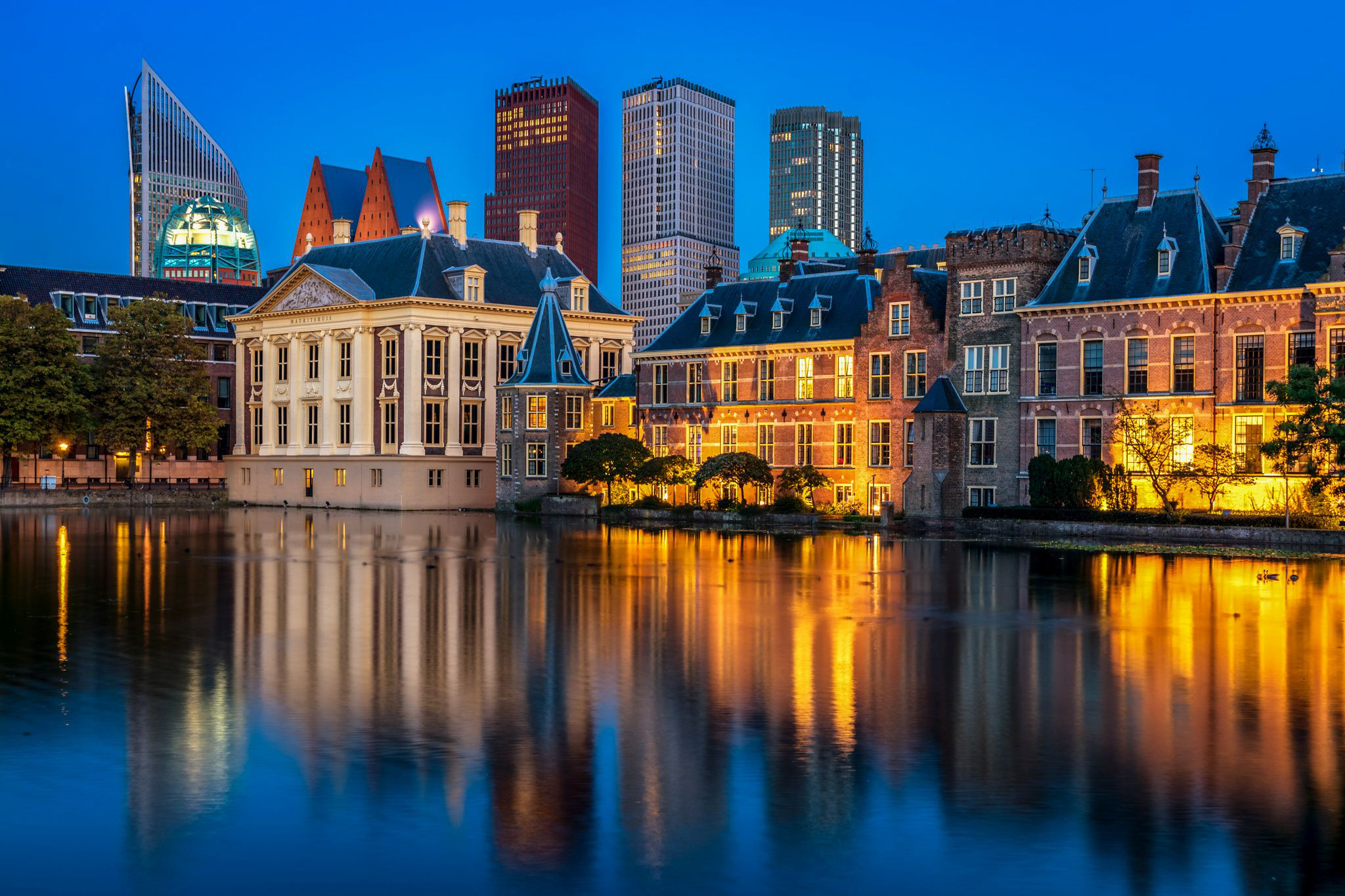
The Netherlands is often painted as a destination of effortless charm—a land of endless tulip fields, bicycle-filled streets, and canals that shimmer under the golden hour sun. It is also, quite famously, one of Western Europe’s pricier destinations. For the budget-conscious traveler, a trip here can seem daunting when you look at the price of a canal-side hotel in Amsterdam.
But here is the secret: the Netherlands is incredibly accessible on a budget if you know how to navigate it like a local. It is a country built on efficiency and practicality, and by adopting a few "Dutch" habits—cycling, eating street food, and exploring beyond the capital—you can experience the authentic soul of the Low Countries for a fraction of the price.
Here is your factual, budget-friendly guide to the Netherlands.
1. Beyond Amsterdam: The Affordable Alternatives
While Amsterdam is unmissable, it is also the most expensive place to sleep and eat. A smart budget strategy is to base yourself in a "second city." The Dutch rail network is so fast and frequent that you can be in the capital in under 30 minutes while paying significantly less for accommodation.
- Utrecht: Often called "Little Amsterdam," Utrecht offers the same medieval charm with fewer tourists and lower prices. It boasts a unique split-level canal system with wharf cellars that have been converted into cafes and restaurants. You can wander the Oudegracht (Old Canal) for free and admire the towering Dom Tower from the Domplein square below. It is a university city, which guarantees plenty of affordable, student-friendly dining options.
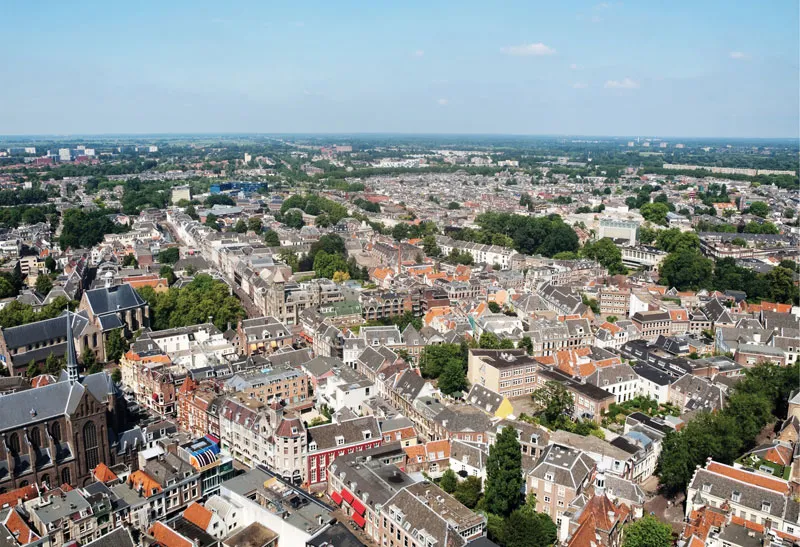
- Source- Britannica
- Rotterdam: If you prefer modern vibes, Rotterdam is the place. Flattened during WWII, it was rebuilt as a playground for modern architecture. Walking around is an attraction in itself. You can see the famous Cube Houses (yellow, tilted homes) from the outside for free, walk across the dramatic Erasmus Bridge, and explore the incredible Markthal—a massive horseshoe-shaped market hall with a stunning painted ceiling.
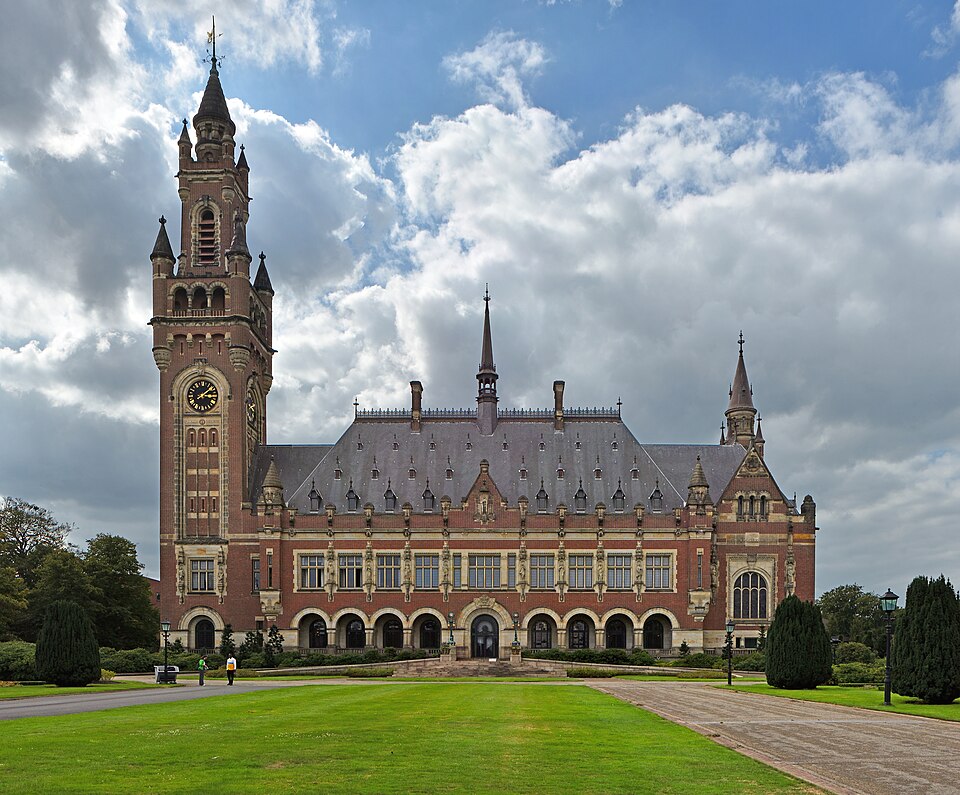
The Peace Palace (Vredespaleis), in The Hague. Source- By Ludvig14 - Own work, CC BY-SA 4.0
2. The Connectivity Reality: Why You Need an eSIM
Here is a vital logistical tip that will save you both money and stress. The Netherlands runs on digital efficiency. Cash is rarely accepted on buses or trams, and navigating the complex train network requires real-time information.
The Transit Challenge
- The Apps: To travel cheaply, you must use the 9292 app (the national public transport planner) or NS (national rail) app. These tell you exactly which platform to be on and if there are cheaper off-peak travel options.
- The Roaming Trap: Relying on your home carrier's international data plan can cost a fortune in daily fees. Conversely, hunting for a physical SIM card shop at Schiphol Airport means wasting precious holiday time in queues.
The Solution: The eSIM To navigate like a pro, purchase a Netherlands-compatible eSIM data plan before you fly.
- The Benefit: An eSIM connects you to robust local networks (like KPN or Vodafone) the moment you land. It gives you instant access to your maps and transit apps, ensuring you never miss a train connection or get lost in the winding streets of a new city. It is the cheapest, most efficient way to stay connected.
3. Master the Art of Dutch Transport
Transport can be a budget killer, but the Dutch system has evolved to be incredibly user-friendly for visitors.
- OVpay: Forget buying expensive single-use tickets or paying €7.50 for a plastic transport card. You can now check in and out of all trains, trams, buses, and metros using your contactless debit/credit card or phone. This ensures you pay the standard fare rather than the inflated "tourist ticket" price.
- Rent a Bike: This is the ultimate budget hack. Biking is often faster than public transport within cities. You can rent a "pedal brake" bike for a few euros a day. It saves you bus fare and offers the most authentic Dutch experience possible.
- The Train Strategy: If you plan to travel between cities, avoid peak hours (6:30–9:00 AM and 4:00–6:30 PM). Train travel is generally fixed-price based on distance, but traveling off-peak is much more comfortable.
4. Cheap Eats: Eating Well for Less
Dining out in sit-down restaurants is expensive. However, Dutch street food is legendary, filling, and very affordable.
- The "Wall" (De Muur): This is a cultural institution. Look for a snack bar like FEBO. You will see a wall of small glass windows containing hot snacks like kroketten (breaded, ragout-filled rolls) or kaassoufflés (melted cheese inside crispy dough). You simply tap your card, open the little window, and grab your hot snack for a couple of euros.
- Patat / Friet: Dutch fries are a meal in themselves. Served in a paper cone and smothered in sauce (traditionally "fritessaus," which is creamy and lighter than mayonnaise), they are cheap, hot, and calorie-dense.
- Surinamese and Indonesian Food: Due to colonial history, the Netherlands has incredible food from Suriname and Indonesia. Look for a Toko (Indonesian takeaway shop) or a Roti shop. You can get massive portions of spicy noodles (bami) or savory roti wraps filled with potatoes and yardlong beans for a fraction of the price of a Western dinner. These spots are also fantastic for Halal and Vegetarian travelers, as the cuisines naturally offer plenty of plant-based and non-pork options.
- The Market Lunch: Visit the Albert Cuypmarkt in Amsterdam or the Binnenrotte in Rotterdam. You can buy fresh fruit, warm stroopwafels (syrup waffles made fresh before your eyes), and herring sandwiches (broodje haring) for a true budget lunch.
5. Free Culture and Activities
You do not need to buy tickets to enjoy the Dutch aesthetic.
- NEMO Roof: In Amsterdam, the NEMO Science Museum has a massive sloping roof that functions as a public square. It is free to access via stairs from street level and offers one of the best panoramic views of the city skyline.
- The Begijnhof: Hidden behind a heavy wooden door in central Amsterdam is this 14th-century courtyard. It was originally a sanctuary for a Catholic sisterhood. It is an oasis of silence in the middle of the city and is free to enter (just be quiet and respectful of residents).
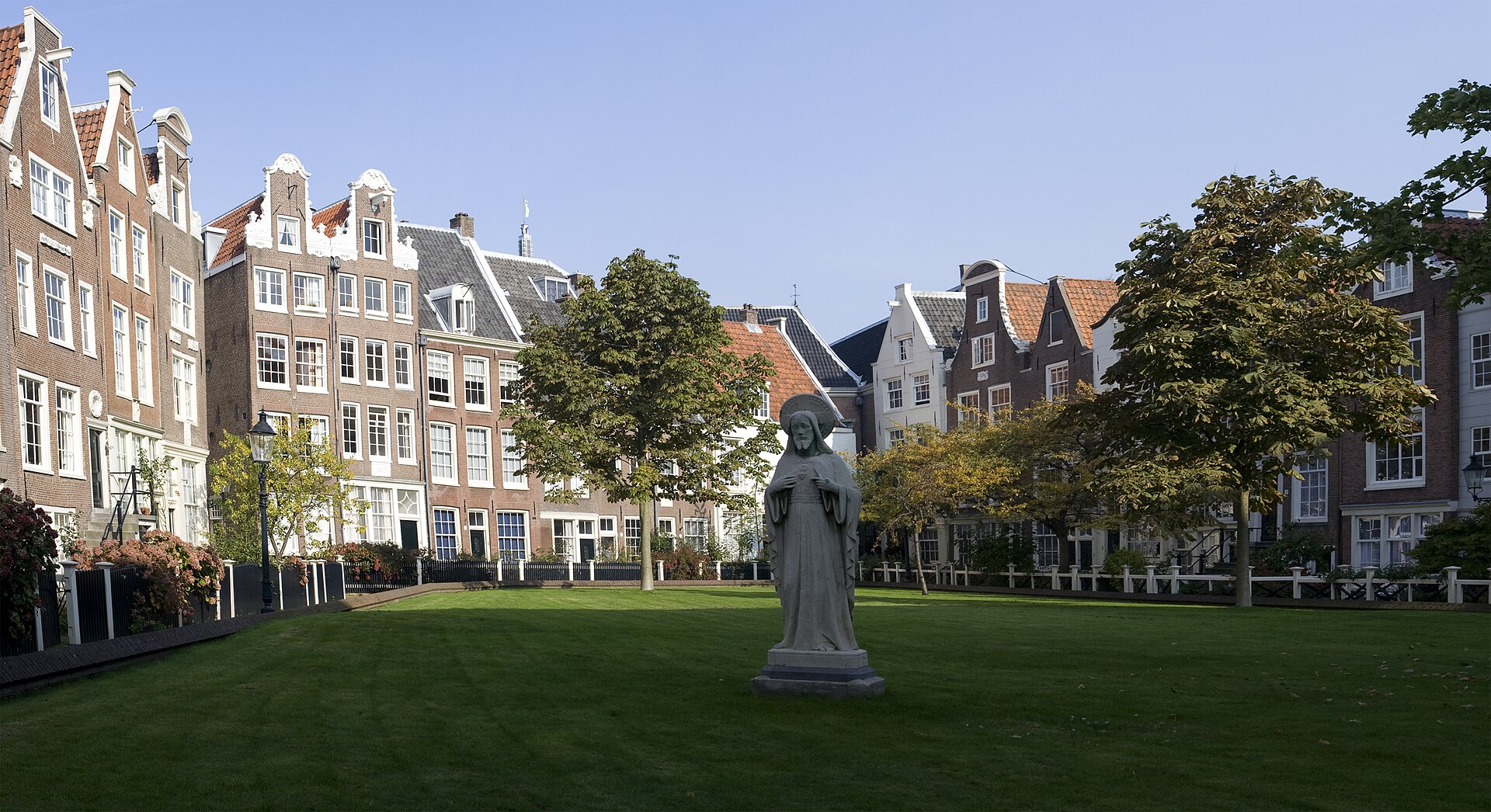
- Source- By Massimo Catarinella - Own work, CC BY-SA 3.0
- Free Ferries: Behind Amsterdam Central Station, you can catch the blue-and-white GVB ferries across the IJ river to Amsterdam Noord. They are completely free, run 24/7, and offer great views of the harbor.
- Vondelpark: Do as the locals do—go to a supermarket (like Albert Heijn), buy some fresh bread, cheese, and strawberries, and have a picnic in the park. It is the quintessential sunny-day activity.
Why Go Now?
The Netherlands is a masterclass in efficiency and atmosphere. It is a place where history is preserved not just in museums, but in the very streets you walk and the canals you float past. By skipping the expensive taxi lines, eating delicious street food, and using an eSIM to guide your way, you can see the very best of this country on a shoestring budget.