
The Authentic Maldives: A 5-Minute Guide to Local Islands, Manta Rays, and Smart Travel
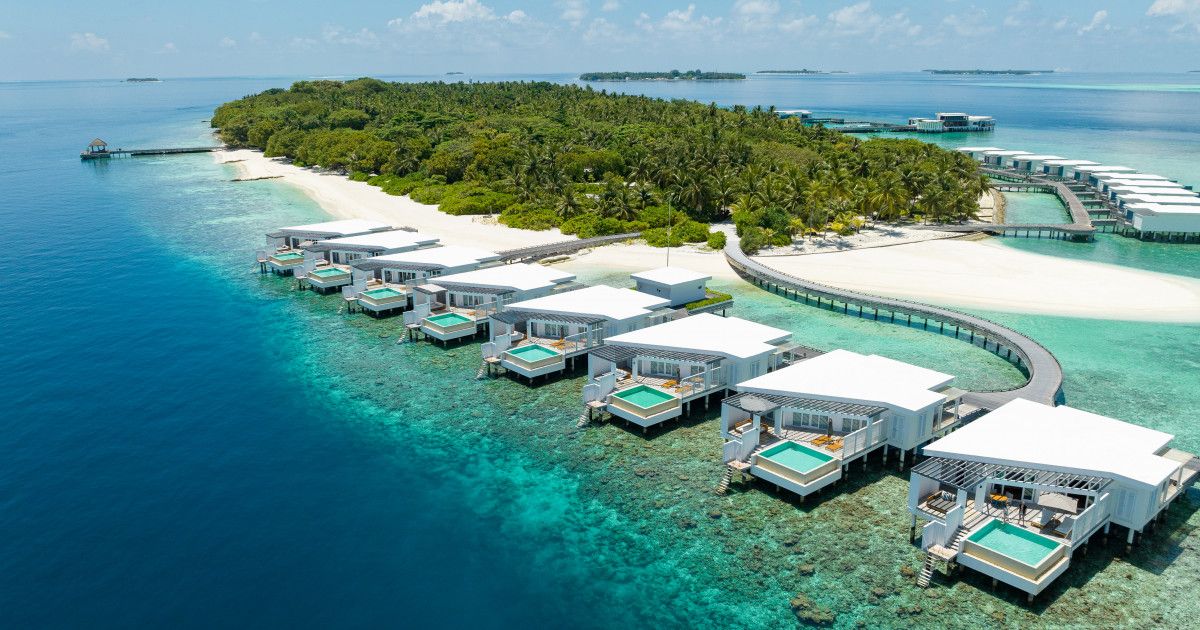
Source: Visit Maldives Corporation
When most people picture the Maldives, they imagine private overwater bungalows and price tags that require a lottery win. But there is an entirely different side to this spectacular Indian Ocean archipelago.
Since the government opened inhabited "local islands" to tourism, a new way to experience the Maldives has emerged. It is affordable, culturally rich, and incredibly beautiful. Here, you swap secluded luxury for genuine Maldivian hospitality, eating freshly caught fish with locals and riding public ferries across the turquoise atolls.
If you are ready to experience the true heartbeat of the Maldives, here is your factual guide.
1. Island Hopping: The Local Gems
With over 1,000 islands grouped into 26 atolls, choosing where to go is the hardest part.
- Maafushi (Kaafu Atoll): This is the pioneer of local island tourism. It is bustling, easy to reach from the capital (Malé), and offers the widest array of budget-friendly diving and snorkeling excursions.
- Dhigurah (South Ari Atoll): A long, narrow island famous for its lush jungle and a spectacular tapering sandbank. It is also one of the best places in the world to swim with whale sharks, which reside in the surrounding waters year-round.
- Fulidhoo (Vaavu Atoll): If you want a quiet, castaway vibe, this tiny island is perfection. With a population of just a few hundred, sandy streets, and a lagoon where nurse sharks and stingrays gather near the pier, it is a serene escape.
2. The Connectivity Reality: Why You Need an eSIM
Navigating between remote islands requires a reliable internet connection. For travelers who appreciate elegant digital architecture and seamless user experiences, dealing with physical SIM cards at a busy airport feels entirely outdated.
The Transit Challenge
- Changing Schedules: The local ferry network is a lifeline, but weather conditions can cause sudden schedule changes. You need live access to transport updates to avoid being stranded.
- The Solution: By securing a Maldives-compatible eSIM before your flight, you ensure instant connectivity the moment you land at Velana International Airport. It is the smartest way to bypass the airport kiosks, giving you immediate bandwidth to track your ferry routes on the MTCC (Maldives Transport and Contracting Company) app and seamlessly manage your own digital projects while on the go.
3. Getting Around: The Public Ferry System
Forget expensive seaplanes; the public ferry network is the most authentic and cost-effective way to travel.
- The Dhonis: The ferries are traditional motorized wooden boats called dhonis. They are slow (traveling at about 12-20 knots), open to the sea breeze, and cost only a few dollars per journey.
- The Experience: Riding the ferry is a cultural immersion. You will travel alongside Maldivians commuting between islands, surrounded by cargo, fresh produce, and the endless blue horizon. Just remember: ferries do not operate on Fridays (the day of prayer), so plan your itinerary accordingly.
4. The Underwater Kingdom
The Maldives is composed of 99% water and 1% land. The true magic of this country lies beneath the surface.
- Hanifaru Bay (Baa Atoll): This UNESCO Biosphere Reserve is world-renowned. Between May and November, plankton blooms attract hundreds of massive reef manta rays. Snorkeling among these gentle giants as they perform their feeding ballet is a life-changing experience.
- Coral Reefs: You do not need to be a scuba diver to see the magic. Almost every local island has a "house reef" accessible right from the beach. Grab a snorkel and you will instantly find yourself swimming alongside hawksbill turtles, moray eels, and schools of vibrant powder-blue tangs.
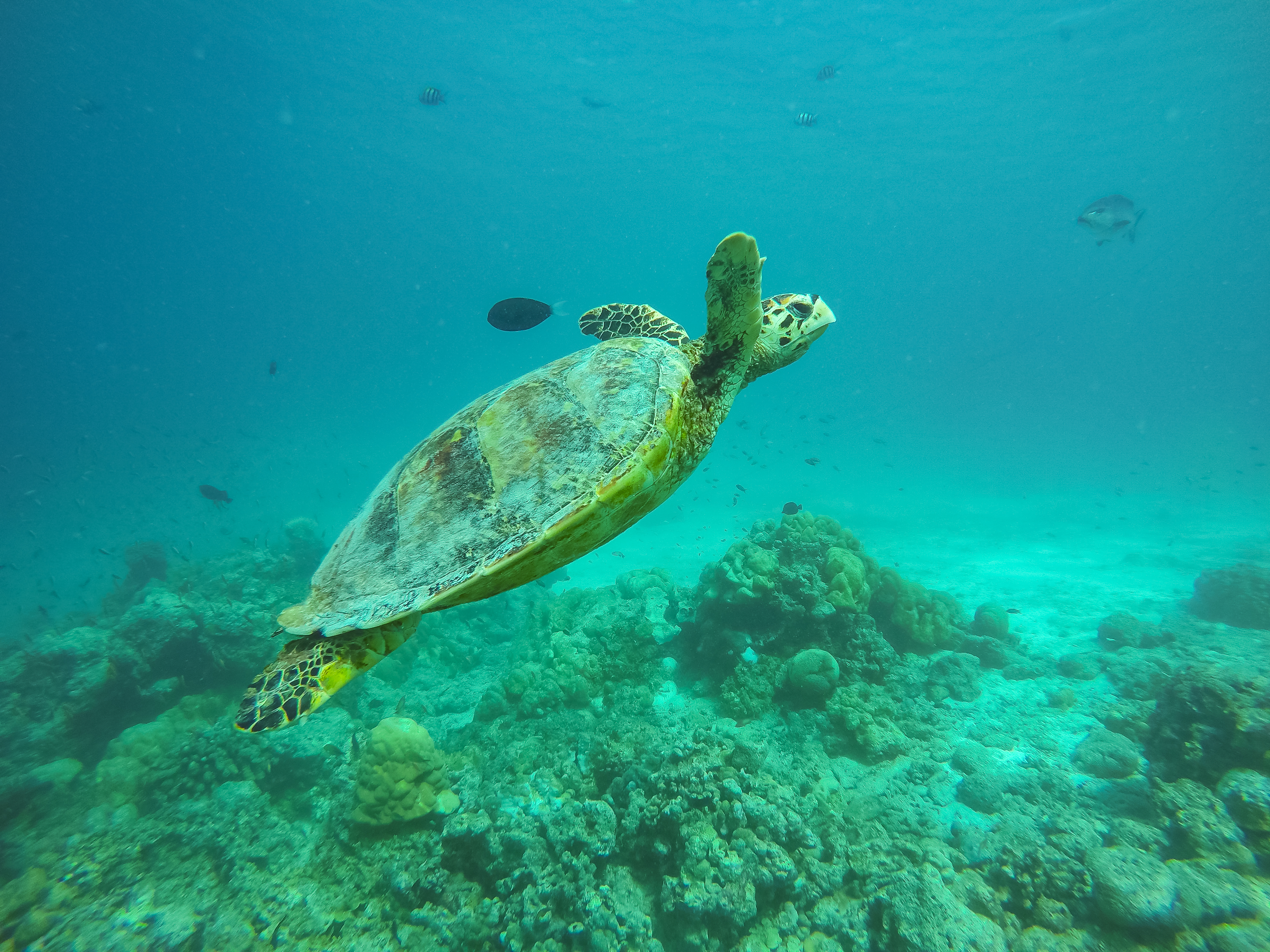
- Source- Von dronepicr - Schildkröte Malediven Atoll, CC BY 2.0
5. A Taste of the Atolls- Fresh and Tropical
- Mas Huni: This is the quintessential Maldivian breakfast. It is a refreshing, finely chopped mixture of smoked tuna, freshly grated coconut, red onions, and a touch of chili. It is eaten with warm roshi (a thin flatbread) and sweet black tea.
- Garudhiya: A fragrant, clear fish broth made from fresh tuna, water, and salt, often flavored with curry leaves and chili. It is simple, incredibly savory, and usually poured over a mound of white rice.
- Hedhikaa: These are Maldivian "short eats" or snacks, typically enjoyed in the late afternoon. Look for bajiya (fish pastries similar to samosas) or gulha (deep-fried dough balls stuffed with smoked fish and coconut).
Cultural Etiquette on Local Islands
When staying on inhabited islands, respecting local customs is paramount.
- Dress Code: Modest dress is required in village areas (shoulders and knees covered). However, every local island designated for tourism has a specific "Bikini Beach," which is screened off for visitors to swim and sunbathe in standard swimwear.
Why Go Now?
The Maldives does not have to be a once-in-a-lifetime luxury splurge. By staying on local islands, riding the public ferries, and setting up an eSIM to navigate like a pro, you can experience the stunning biodiversity and genuine warmth of the Maldivian people on a realistic budget.