
Lebanon: Ancient Ruins, Cedar Forests, and Sensational Street Food
Source: Britannica
Lebanon is a country that defies expectations. Situated at the crossroads of the Mediterranean Basin and the Arabian hinterland, it is a place where you can explore ancient Roman temples in the morning and watch the sunset over the sea in the afternoon.
While it often carries a reputation as a luxury destination with high-end resorts, the truth is that Lebanon is incredibly accessible for budget travelers who know where to look. From the bustling streets of Beirut to the quiet majesty of the Qadisha Valley, here is your factual guide to exploring Lebanon without breaking the bank.
1. Beirut: The Resilient Capital
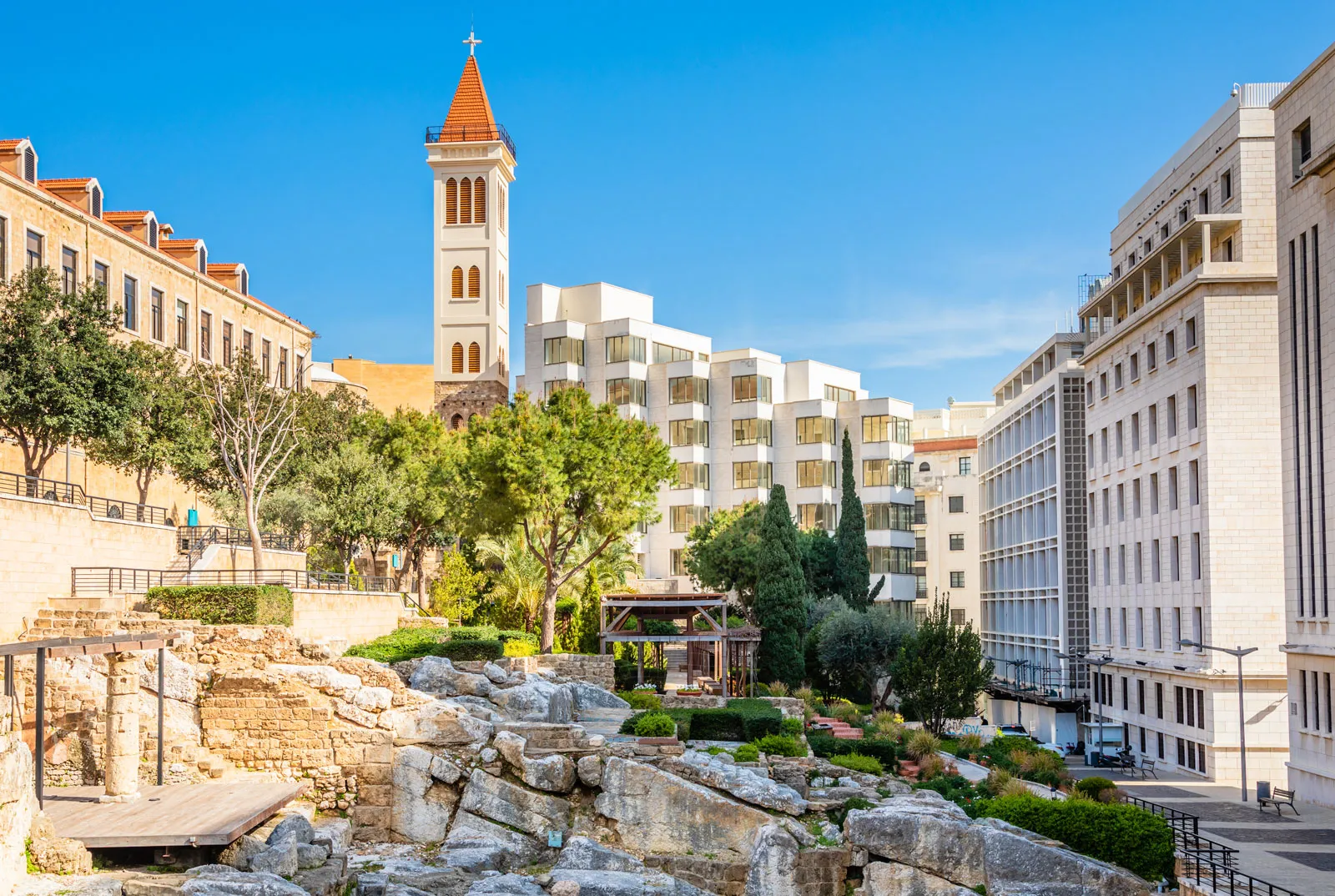
Your journey will begin in Beirut, a city of profound history and incredible contrasts. Skipping the expensive tourist traps is easy if you stick to the authentic heart of the city.
- The Corniche and Raouche Rocks: Taking a walk along the Corniche—Beirut’s seaside promenade—is completely free. Head there in the late afternoon to join the locals strolling by the Mediterranean. The highlight is the Raouche Rocks (Pigeon Rocks), massive natural rock formations standing like sentinels in the sea. It is the perfect, budget-friendly sunset spot.
- National Museum of Beirut: For a very modest entry fee, this museum offers a world-class look into the region's history, housing thousands of antiquities from prehistoric times through the Mamluk period.
- Wander the Neighborhoods: Skip the high-priced waterfront cafes and spend your time wandering through neighborhoods like Hamra. The architecture, street art, and vibrant local energy cost nothing to experience.
2. The Connectivity Reality: Why You Need an eSIM
Here is a critical logistical fact for traveling in Lebanon. The country has a unique economic situation, and digital connectivity is your best tool for navigating it safely and affordably.
The Navigation & Currency Challenge
- The Exchange Rate: Lebanon operates heavily on a cash economy with fluctuating exchange rates. You will constantly need internet access to check the daily lira-to-dollar rate on local apps to ensure you are paying the correct price for goods.
- Unpredictable Wi-Fi: Due to frequent infrastructural power cuts, relying on hotel or cafe Wi-Fi can be frustratingly inconsistent. You need your own reliable data source.
The Solution: The eSIM Buying a local physical SIM card (like Alfa or Touch) can sometimes involve long waits and bureaucratic registration.
- The Fix: Purchase a Lebanon-compatible eSIM data plan before you fly.
- The Benefit: An eSIM connects you to local networks the moment you land at Beirut-Rafic Hariri International Airport. It ensures you have immediate access to translation tools, ride-hailing apps, and live currency converters without ever losing connection during a power dip.
3. Eat Like a Local
Lebanese food is arguably the best in the Middle East, and the most authentic meals are often the cheapest. Street food here is a cultural institution.
- Man'oushe (Plural: Manakish): This is the undisputed champion of Lebanese breakfasts. It is a warm, freshly baked flatbread typically smothered in za'atar (a blend of thyme, sesame seeds, and sumac) and olive oil, or melted cheese. It usually costs just a couple of dollars and is incredibly filling.
- Falafel: Lebanese falafel is light, crispy, and herbaceous. Grab a falafel sandwich wrapped in thin pita bread, stuffed with fresh tomatoes, parsley, pickled turnips, and drizzled generously with tahini sauce.
- Shawarma: Look for the rotating spits of marinated chicken or beef at local street vendors. Sliced thin and wrapped with garlic paste (Toum) for chicken, or tarator sauce for beef, it is a flavorful and cheap lunch.
- Bakeries over Restaurants: If you want to save money, avoid sit-down restaurants in heavily touristed areas. Head to local neighborhood bakeries (furn) where the food is fresher, more authentic, and a fraction of the price.
4. Ancient History for Less
Lebanon holds some of the most impressive historical sites in the world, and entry fees are generally very affordable.
- Baalbek: Located in the Beqaa Valley, the Roman ruins of Baalbek are staggering. The Temple of Bacchus is larger and better preserved than the Parthenon in Athens. Taking a shared minibus out to the valley is a cheap and adventurous way to reach the site.
- Byblos (Jbeil): One of the oldest continuously inhabited cities in the world. Walking through the ancient stone souks (markets) and by the old crusader castle and harbor is a journey back in time, and simply soaking in the atmosphere is free.
5. The Cedars of God and Qadisha Valley
You cannot visit Lebanon without seeing the trees that feature on its national flag.
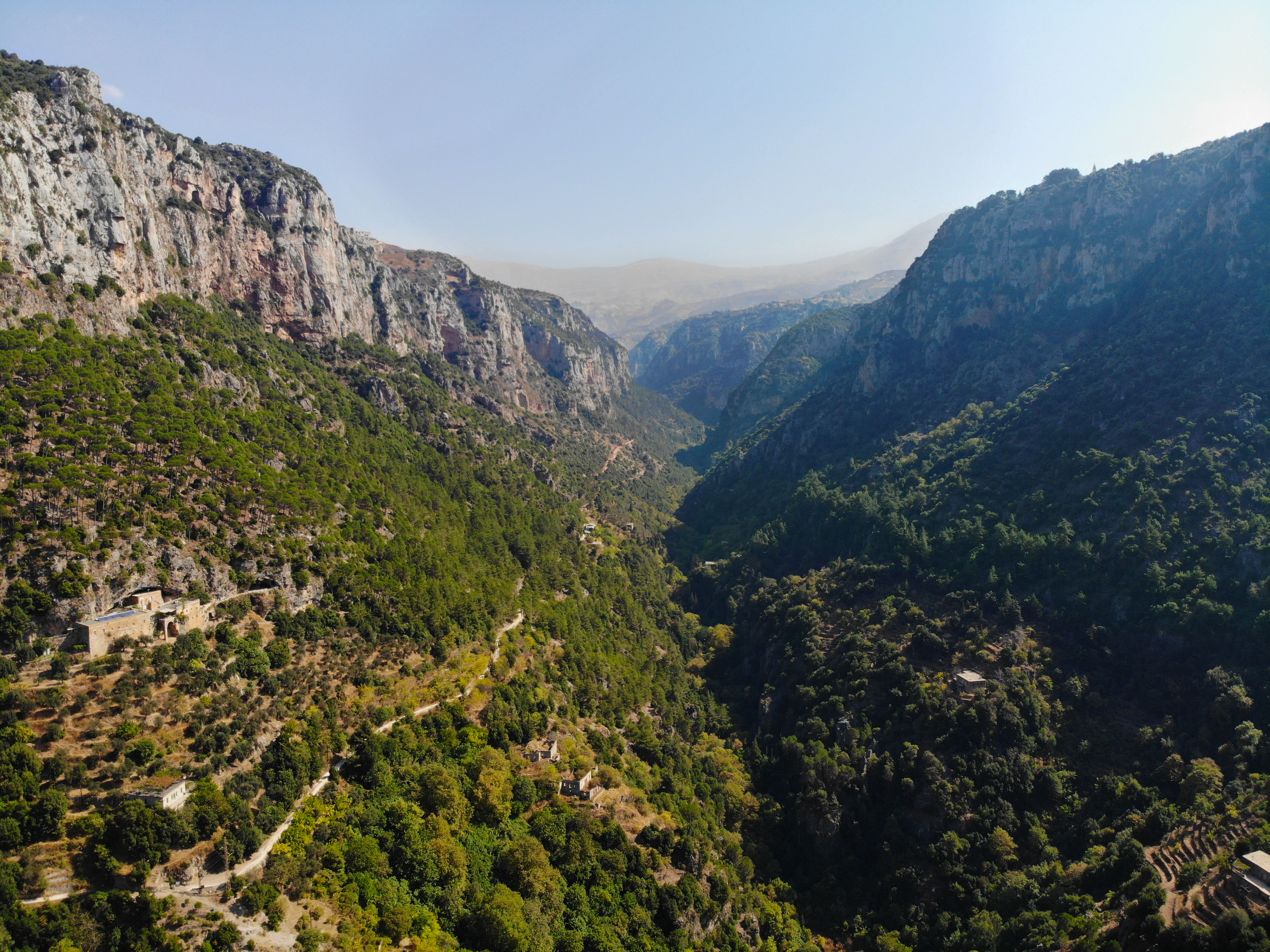
- The Hiking: Head north to the Qadisha Valley (Holy Valley), a deep, rugged gorge that has sheltered monastic communities for centuries. Hiking the valley trails between ancient, rock-cut monasteries is entirely free.
- The Cedars: Nearby is the Cedars of God reserve. While the forest is smaller than it was in antiquity, standing among these majestic, ancient trees (some over a thousand years old) is a humbling experience. Entry is typically by donation rather than a strict ticket price.
- Source- Evan Williams, CC BY-SA 4.0, via Wikimedia Commons
6. Practical Budget Survival Tips
- Cash is King: Bring crisp, untorn US Dollar bills. USD is accepted almost everywhere and is essential for getting the best value on the ground. Avoid relying on credit cards, as the exchange rate applied by banks can work against you.
- Getting Around: Instead of private taxis, use a "Service" (pronounced ser-vees). These are shared taxis that travel along set routes. You simply hail one, state your destination, and if it's on the driver's way, you hop in and split the incredibly low fare with the other passengers.
Why Go Now?
Lebanon is a country that rewards the curious and the adaptable. It offers a density of history, culture, and natural beauty that is hard to match anywhere else in the world. By planning smartly, carrying cash, and using an eSIM to navigate like a pro, you can experience the profound warmth and resilience of the Lebanese people on a very modest budget.