
Kenya: The Safari Capital on a Shoestring
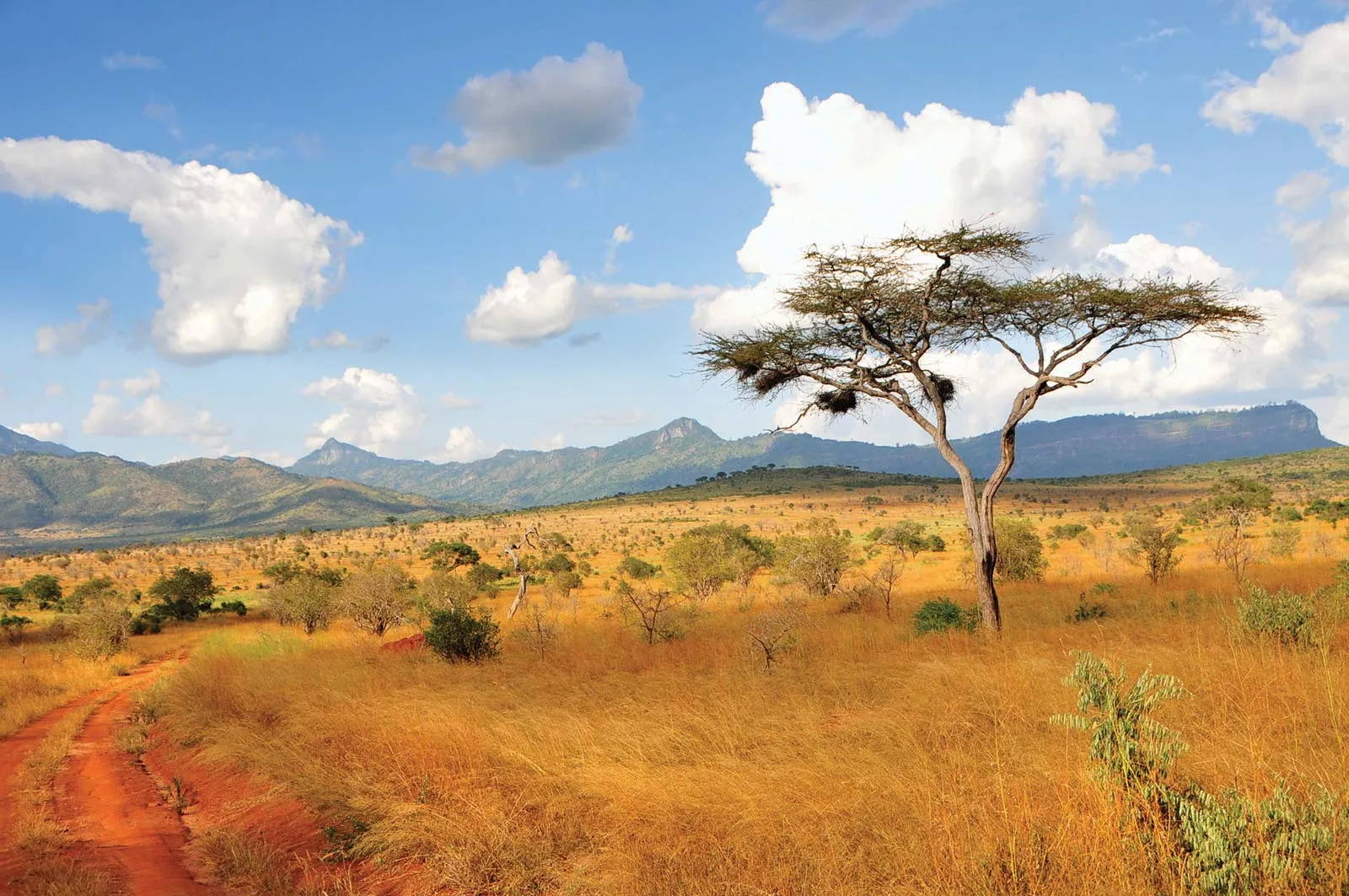
Source: Britannica
When people hear "Kenya," they often imagine luxury lodges, champagne breakfasts in the bush, and price tags that rival a small car. It is true that Kenya hosts some of the world's most exclusive resorts, but that is only one side of the story.
The real Kenya—the one of bustling markets, neon-lit minibuses, and white sand beaches—is incredibly accessible. You can watch lions against a city skyline for the price of a theme park ticket and ride a train through the Tsavo wilderness for less than a lunch in London.
If you are ready to see the home of the safari without spending a fortune, here is your factual guide to Kenya on a budget.
1. Safari Smarter, Not Harder
You don’t need to charter a private plane to see the "Big Five" (Lion, Leopard, Buffalo, Elephant, Rhino).
- Nairobi National Park: This is the world’s only wildlife capital. Located just 7km from the city center, you can take an Uber to the gate. Inside, you’ll find lions, rhinos, and giraffes roaming against a backdrop of skyscrapers. Entry fees for non-residents are significantly lower than the big inland reserves, making it the perfect budget safari.
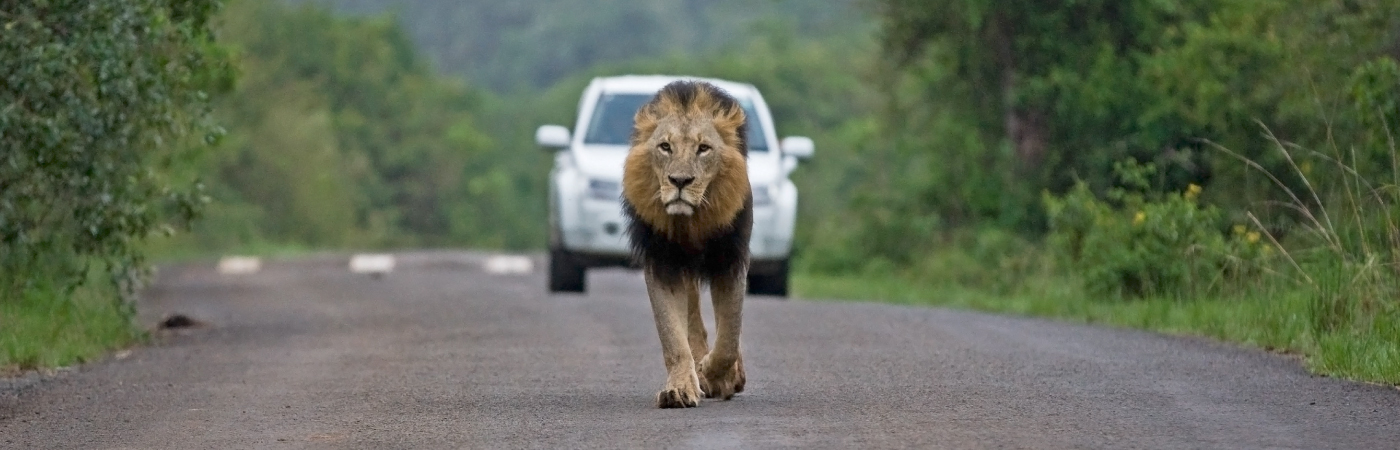
- Source- Kenya Wildlife Service
- Group Joining Tours: If you want to visit the famous Maasai Mara, avoid private charters. Look for "Group Joining Safaris." These are shared minivans (usually 6-8 people) that depart daily from Nairobi. You share the cost of the vehicle and fuel, bringing the price down dramatically while still getting you to the heart of the action during the Great Migration (July–October).
2. The Madaraka Express (SGR)
Forget expensive domestic flights. The best way to travel from the capital (Nairobi) to the coast (Mombasa) is the Standard Gauge Railway (SGR), known locally as the Madaraka Express.
- The Experience: The train cuts through Tsavo National Park. It is common to see elephants and zebras from your window as you sip tea in your seat.
- The Cost: An economy ticket costs approximately KES 1,500 (about $12 USD). It is clean, safe, and punctual. The journey takes about 5-6 hours and drops you right at the Indian Ocean.
3. The Connectivity Reality: Why You Need an eSIM
Here is a logistical reality check. Nairobi is a tech hub (often called "Silicon Savannah"), and digital connectivity is woven into daily life.
The Navigation & Safety Necessity
- Getting Around: You will rely on apps like Uber or Bolt to get around Nairobi safely at night. Public transport (Matatus) is fun but can be chaotic for a first-timer; having a ride-sharing app is a safety net.
- Digital Payments: While cash is used, Kenya runs on mobile systems. You will need data constantly to check exchange rates, book train tickets online, or communicate with your safari guide via WhatsApp.
The Solution: The eSIM Buying a local SIM card involves a registration process that requires your passport and can sometimes involve long queues at the airport.
- The Fix: Purchase a Kenya-compatible eSIM data plan before you fly.
- Why? An eSIM connects you to reliable local networks (like Safaricom or Airtel) the moment you touch down at Jomo Kenyatta International Airport (JKIA).
- The Benefit: It ensures you aren't stranded without a map in a new city. You can load your directions, contact your hotel, and order your Uber immediately without negotiating with airport taxi touts.
4. Eat Like a Local
Kenyan street food is robust, filling, and incredibly cheap. It relies heavily on grilled meats and starches.
- Nyama Choma: This is the national obsession. It translates to "burned meat," but it is actually slow-roasted goat or beef. It is usually sold by the kilo and served on a communal cutting board with salt and Kachumbari (a fresh salsa of tomatoes, onions, and chili). It is a social event, not just a meal.
- Ugali: The staple starch made from maize flour. It is thick, white, and flavorless on its own, designed to scoop up stew or spinach (Sukuma Wiki).
- Chapati: A soft, layered flatbread derived from Indian cuisine. It is available everywhere, from street stalls to high-end restaurants, and pairs perfectly with bean stews (Madondo).
5. The Coast: Diani and Mombasa
Once you arrive at the coast via the SGR train, you have options.
- Mombasa: Explore Fort Jesus, a UNESCO World Heritage site built by the Portuguese in 1593. Wander through "Old Town," where the architecture is a blend of Arab, Asian, and European influences.

- Source- Maingi030, CC BY-SA 4.0, via Wikimedia Commons
- Diani Beach: Located south of Mombasa, this is often voted one of Africa's best beaches. The white sand is free to access. To save money, stay in a backpacker hostel or a self-catering cottage rather than an all-inclusive resort. Transport here is cheap—local Tuk-tuks charge very little to zip you from your cottage to the beach.
6. Matatu Culture
If you are feeling adventurous in Nairobi, take a Matatu. These are privately owned minibuses. They are covered in graffiti art (portraying everyone from pop stars to religious figures) and play loud music. It is the cheapest way to travel (often less than $1), but pick one that looks well-maintained and isn't overly crowded.
Why Go Now?
Kenya is a place that energizes you. It is raw, beautiful, and deeply welcoming. By taking the train, eating Nyama Choma with your hands, and using an eSIM to navigate the bustling streets, you can experience the magic of East Africa for a fraction of the brochure price.