
Italy on a Budget: La Dolce Vita for Less
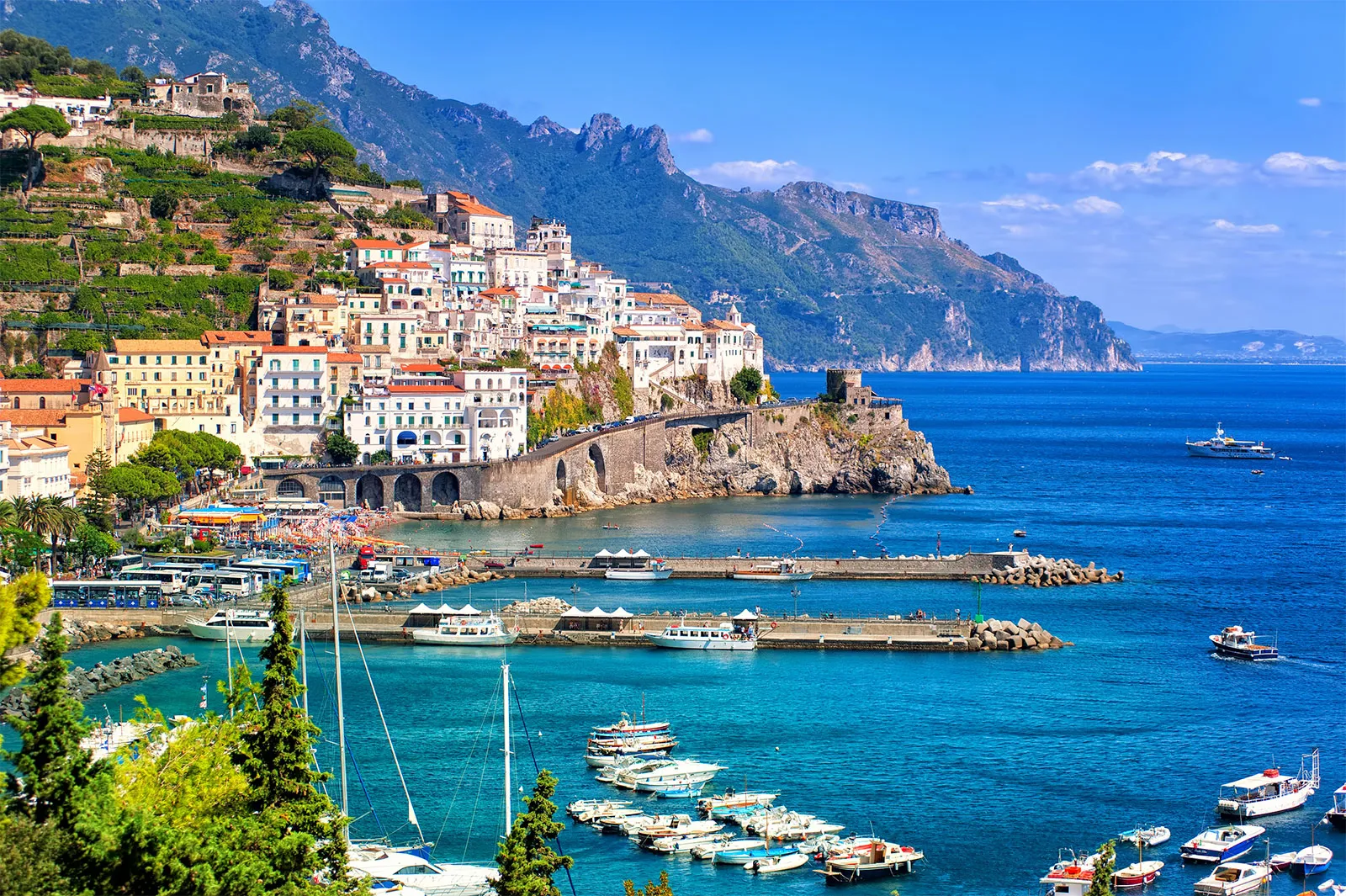
Source: Britannica
Italy is the dream. It is the land of the Renaissance, the Roman Empire, and arguably the world’s most beloved cuisine. But it also has a reputation for being expensive. Between the high-speed trains and the historic site entry fees, a trip here can add up quickly.
However, you don't need a Medici fortune to enjoy the "Sweet Life." Italy is surprisingly accessible for the budget traveler if you know how to navigate the system. From free world-class art to street food that beats any 5-star restaurant, here is your factual guide to seeing Italy without breaking the bank.
1. Getting Around: The Art of the Train
Italy has one of the best rail networks in Europe, and it is the primary way you should travel.
- High-Speed vs. Regional: The high-speed trains (Frecce or Italo) can whisk you from Rome to Florence in 90 minutes, but they can be pricey. If you book months in advance, you can snag "Super Economy" tickets for as little as €19.90. If you are booking last minute, switch to Regionale trains. They take twice as long but cost half the price and offer a scenic, slow-travel view of the Tuscan countryside.
- Validate Your Ticket: If you take a regional train with a physical paper ticket, you must validate it in the green or yellow machines on the platform before boarding. If you forget, the fines are steep (often €50+ on the spot).
2. The Connectivity Reality: Why You Need an eSIM
Here is a logistical reality check. While Italy is modern, its cities are ancient mazes. Venice has no street names in the traditional sense, and finding a specific address in Rome can be disorienting.
The Navigation & Language Necessity
- The Maze: To save money, you will likely be walking or taking public buses rather than expensive taxis. You need live GPS to navigate the bus routes in Rome or find your way back to your hotel in the winding streets of Florence.
- Translation: Outside of major tourist hubs, English proficiency varies. You will rely on translation apps to read menus and ensure ingredients meet your dietary needs.
The Solution: The eSIM Roaming charges for non-EU travelers can be exorbitant. To ensure you can navigate the alleyways of Venice without getting lost, purchase an Italy-compatible eSIM data plan before you fly.
- Why? An eSIM connects you to local networks (like TIM or Vodafone) the moment you land.
- The Benefit: It allows you to use real-time transit apps like Moovit (essential for Roman buses) and translation tools instantly. It eliminates the stress of hunting for Wi-Fi when you need to check a train schedule.
3. Eat Like a Local
Italian food is regional, fresh, and often very affordable if you avoid the "Tourist Menu" traps near major monuments.
- Pizza Margherita: This is the benchmark of Italian quality. Tomato, mozzarella, fresh basil, and extra virgin olive oil. In Naples, the birthplace of pizza, a whole Margherita often costs just €5 to €8. It is filling, safe, and delicious.
- Cacio e Pepe: A Roman classic. The name literally means "Cheese and Pepper." It is pasta (usually tonnarelli) swirled with Pecorino Romano cheese, black pepper, and pasta water to create a creamy, savory sauce. It is vegetarian-friendly and incredibly rich.
- Pasta alla Norma: If you are in the south or a Sicilian restaurant, order this. It is pasta with tomato sauce, fried eggplant, grated salted ricotta cheese, and basil.
- Gelato: Real artisan gelato is a staple, not a treat. Look for muted, natural colors (banana should be grey-white, not bright yellow). A cone usually costs €2.50–€4.00.
- The "Coperto": Be aware that most restaurants charge a "Coperto" (cover charge) of €2–€3 per person. This is standard and covers the table setting and bread. It is not a scam, just a factual part of the bill.
4. Free Water: The Nasoni
Never buy bottled water in Rome. The city is dotted with over 2,500 public drinking fountains known as Nasoni (Big Noses) because of the shape of the spout.
- The Fact: The water is cold, clean, and safe—it comes from the same aqueducts that supply local homes. Bring a reusable bottle and fill it up for free. It saves plastic and saves you €2 per bottle.
5. Sightseeing for Free
You don't always need a ticket to see masterpieces.
- Rome: While the Colosseum costs money, St. Peter’s Basilica is completely free to enter. Inside, you can see Michelangelo’s Pietà. Just be prepared for a security line and ensure your shoulders and knees are covered (strict dress code).
- Florence: Skip the paid view from the bell tower and hike up to Piazzale Michelangelo. It is a public square on a hill that offers the most famous panoramic view of the Florence skyline—completely free.
- Venice: The city itself is the museum. Walking across the Rialto Bridge or wandering through the quiet Jewish Ghetto costs nothing and offers more atmosphere than many paid museums.
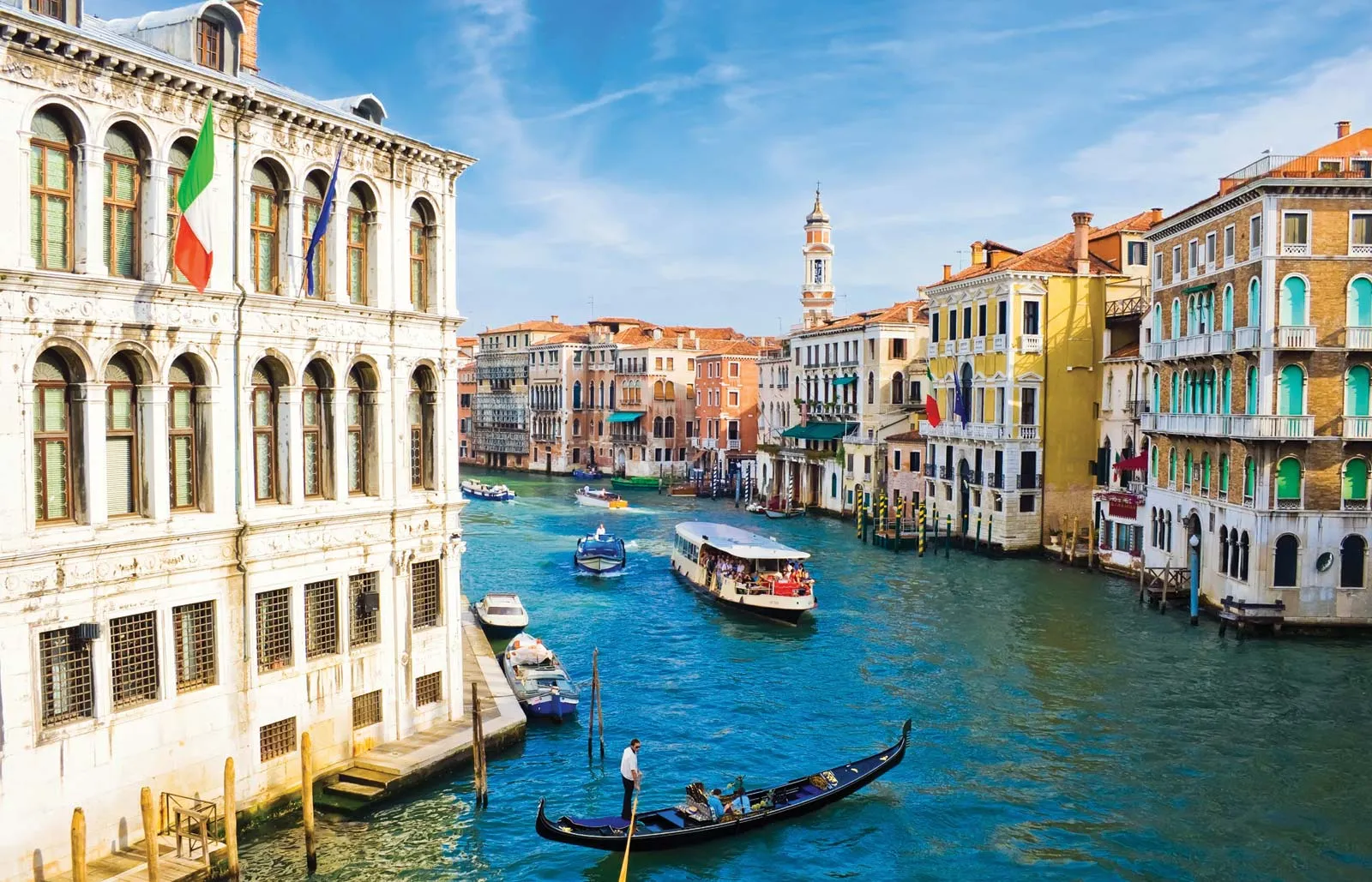
- Source- Britannica
6. Coffee Culture
Italians do not linger over coffee unless they are at a table.
- The Bar Price: If you drink your espresso or cappuccino standing at the bar (al banco), the price is regulated and often costs around €1.10–€1.50.
- The Table Price: If you sit down at a table (al tavolo), the price can double or triple. To save money, do as the locals do: drink it standing up, chat with the barista, and be on your way.
Why Go Now?
Italy is a country that rewards the curious and the patient. It is a place where a simple slice of pizza can be a culinary masterpiece and a walk down a random street can reveal a 2,000-year-old column. By using the trains, drinking from the fountains, and using an eSIM to guide your steps, you can experience the richness of Italian culture on a surprisingly modest budget.