
Israel on a Shoestring: How to Experience the Holy Land on a Budget
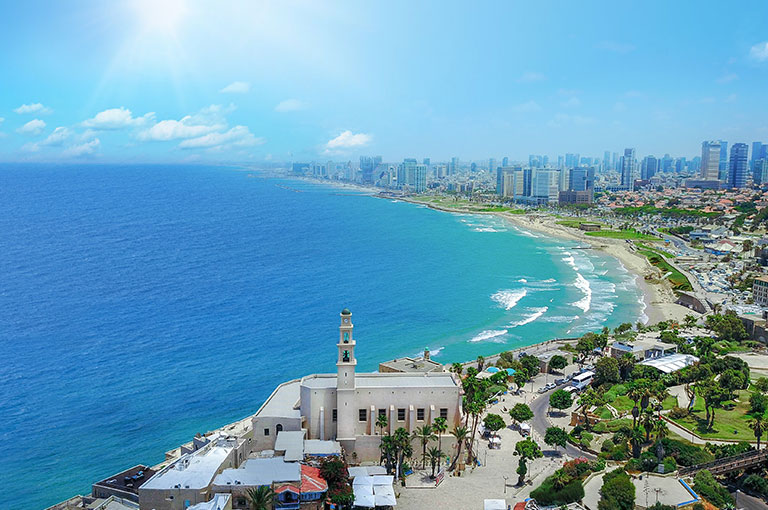
Source: goisrael.com
Israel is a destination where ancient history and cutting-edge modernity collide. It is a place where you can touch stones laid by Roman emperors in the morning and ride an electric scooter down a Mediterranean promenade in the afternoon.
However, Israel also has a reputation for being expensive. With prices in Tel Aviv often rivaling those in London or New York, budget travelers might feel intimidated. But don't let the price tags deter you! With a little strategic planning, you can experience the absolute best of the country without emptying your wallet.
Here is your factual guide to seeing Israel on a budget.
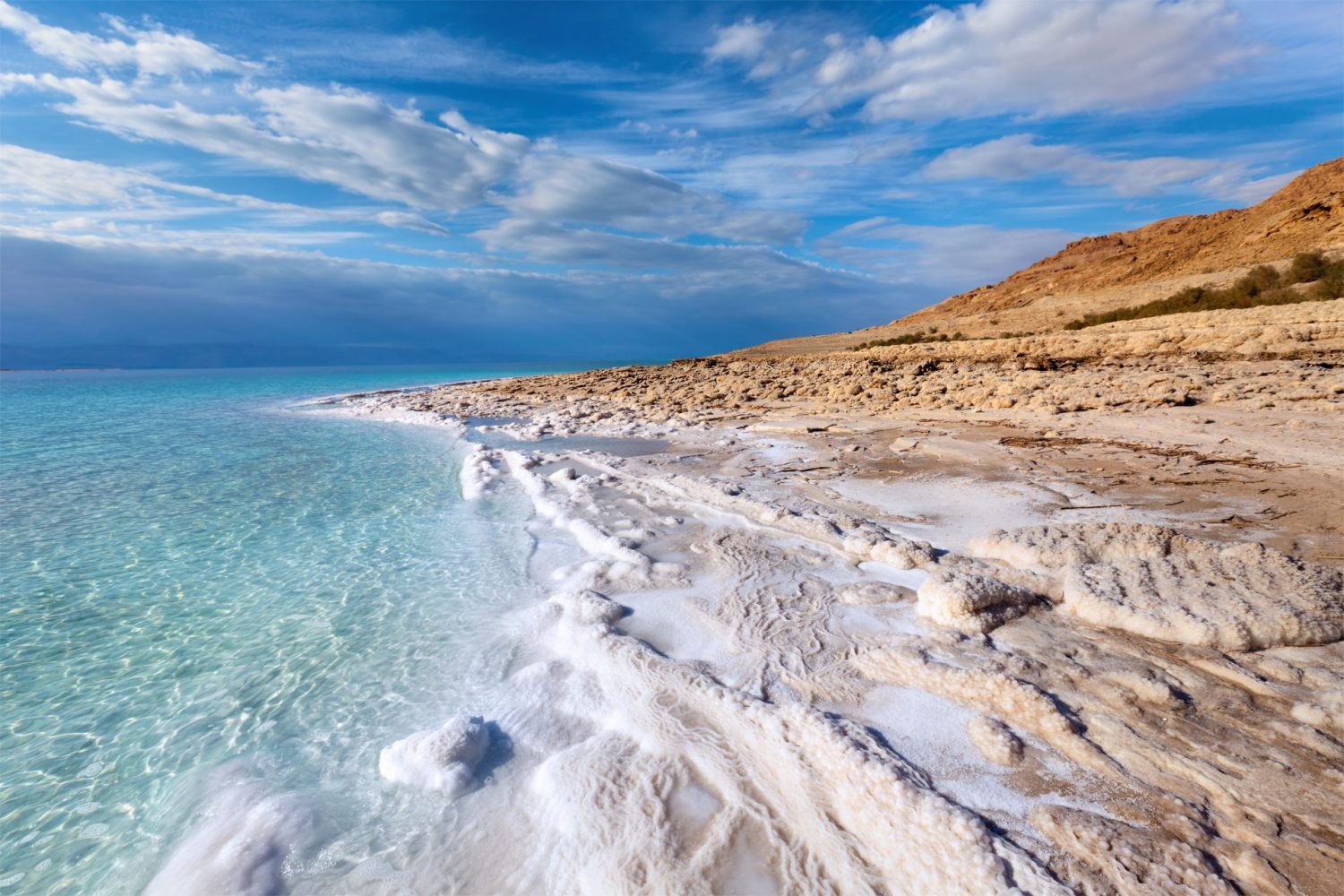
Dead Sea, Israel. Source- Tourist Israel
1. Jerusalem: The Best Things in Life are Free
Jerusalem is arguably the most historically dense city on Earth, and amazingly, almost all of its premier historical and religious sites are completely free to enter.
- The Old City: You can spend days simply wandering the four quarters (Jewish, Muslim, Christian, and Armenian) of the Old City. The architecture and atmosphere cost nothing to soak in.
- The Western Wall (Kotel): The holiest site where Jews are permitted to pray is open 24/7 and free to visit. It is a profoundly moving place, regardless of your personal beliefs.
- The Church of the Holy Sepulchre: Located at the end of the Via Dolorosa, this massive, complex church encompasses the sites of the crucifixion and the tomb of Jesus. Entry is entirely free.
- Yad Vashem: The World Holocaust Remembrance Center is a sprawling, world-class museum and memorial. It is an essential, albeit deeply emotional, part of visiting Israel. Entrance is free, though you should reserve your ticket online in advance.
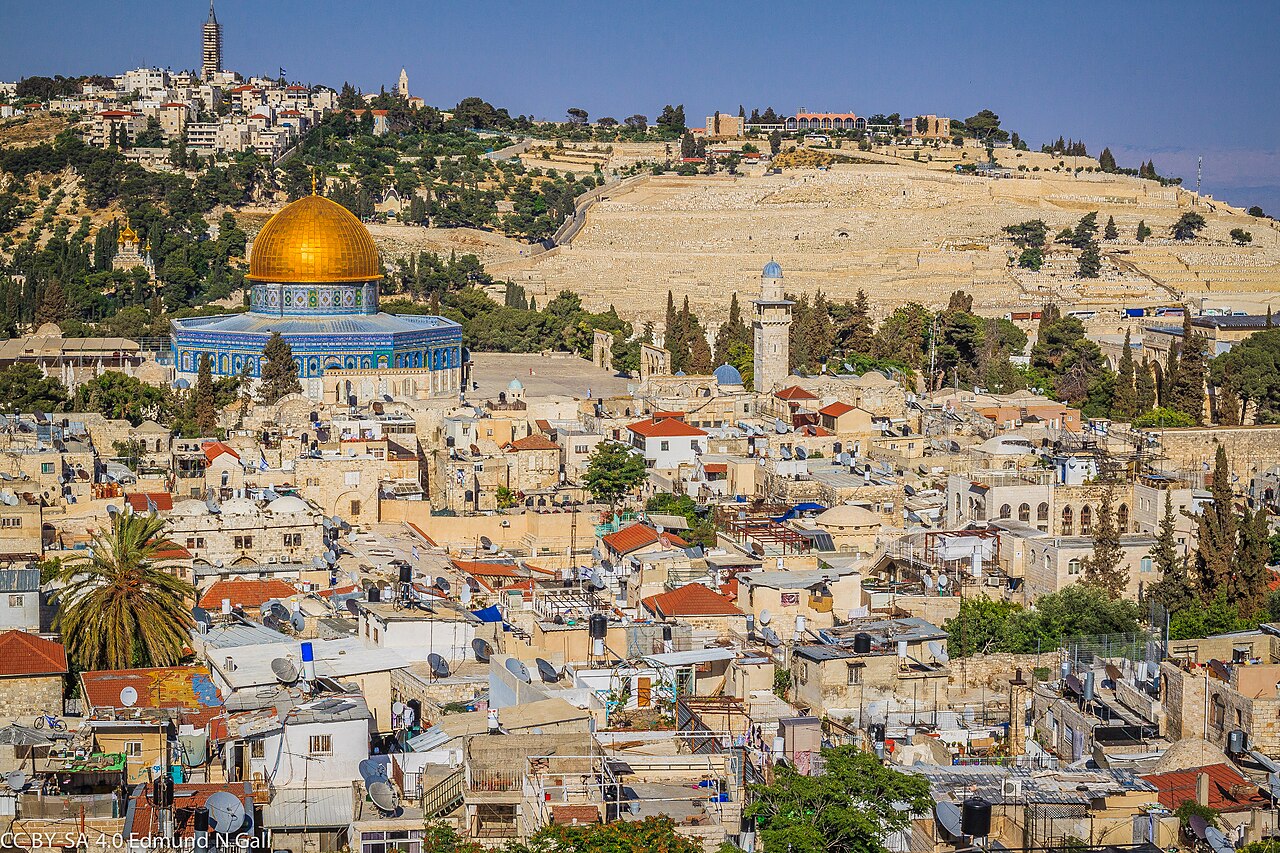
- East Jerusalem. Source- By Edmund Gall - 2014-06 Israel - Jerusalem 090, CC BY-SA 2.0
2. The Connectivity Reality: Why You Need an eSIM
Here is a vital logistical tip that will actually save you money. Israel is an incredibly high-tech "Startup Nation," and everyday travel relies heavily on being digitally connected.
The Navigation & Transit Challenge
- The Apps: To get around affordably, you absolutely need apps like Moovit (for real-time bus and train schedules) and Gett (the local ride-hailing app, as Uber is not widely used).
- The Roaming Trap: Relying on your home carrier's international roaming plan can result in massive daily fees, quickly eating into your travel budget.
The Solution: The eSIM To avoid exorbitant fees or the hassle of finding a physical SIM card shop at Ben Gurion Airport, purchase an Israel-compatible eSIM data plan before you fly.
- The Benefit: An eSIM connects you to reliable local networks (like Partner or Cellcom) the moment you land. It allows you to instantly pull up your maps, translate Hebrew or Arabic signs, and load your digital transit passes without stressing over Wi-Fi hotspots.
3. Getting Around: Master the Transit System
Taxis in Israel are expensive, and renting a car in the cities will leave you paying a fortune for parking. Public transit is your best friend.
- The Rav Kav Card: This is the national public transit smart card. You can buy one at the airport or train stations and load it with cash. Alternatively, you can pay for buses and trains directly through transit apps on your phone.
- The Train: The train system connecting the airport to Tel Aviv, Jerusalem, and Haifa is modern, fast, and very affordable.
- The Sherut (Shared Taxi): These are yellow minivans that drive along set bus routes. They are cheap, and crucially, they are often the only form of public transportation that operates during Shabbat (from sunset Friday to sunset Saturday, when regular buses and trains completely shut down).
4. Eat Like a Local- Fresh, Fast, and Flavourful
You do not need to sit down at an expensive restaurant to eat world-class food in Israel. The street food culture is legendary, naturally budget-friendly, and packed with fresh vegetables.
- Sabich: This is a masterpiece of a sandwich. It is a warm pita stuffed with fried eggplant, hard-boiled eggs, Israeli salad, parsley, and drenched in tahini and amba (a tangy mango pickle sauce). It is cheap, filling, and entirely vegetarian.
- Falafel and Hummus: Skip the tourist traps and look for the hole-in-the-wall shops with a line of locals out the door. A fresh falafel pita stuffed with salads and fries, or a bowl of warm hummus served with fresh bread, will usually cost under $10 USD.
- The Shuks (Markets): Visit Carmel Market in Tel Aviv or Mahane Yehuda Market in Jerusalem. Buy your own fresh pita, olives, local cheeses, and seasonal fruits to create incredible, cheap picnic lunches. Don't forget to grab a glass of freshly squeezed pomegranate juice while you walk!
5. Budget Stays and Smart Timing
Accommodation will be your biggest expense. Israel has a thriving, high-quality hostel culture that caters to travelers of all ages, offering private rooms as well as dorms, often with free breakfasts included.
- Timing is Everything: To save money, avoid traveling during the major Jewish High Holidays (like Passover in the spring or Sukkot in the fall) when hotel prices skyrocket and crowds swell. The best budget sweet spots are the "shoulder seasons" (late winter/early spring or late autumn) when the weather is mild and the prices drop.
Why Go Now?
Israel offers a travel experience that changes your perspective. It is a place where you can hike through silent deserts, float effortlessly in the Dead Sea, and navigate ancient alleyways, all in a single weekend. By utilizing public transit, eating fresh street food, and setting up an eSIM to guide your way, you can uncover the magic of the region without breaking the bank.