
Greece on a Budget: A 6-minute read for the savvy traveler
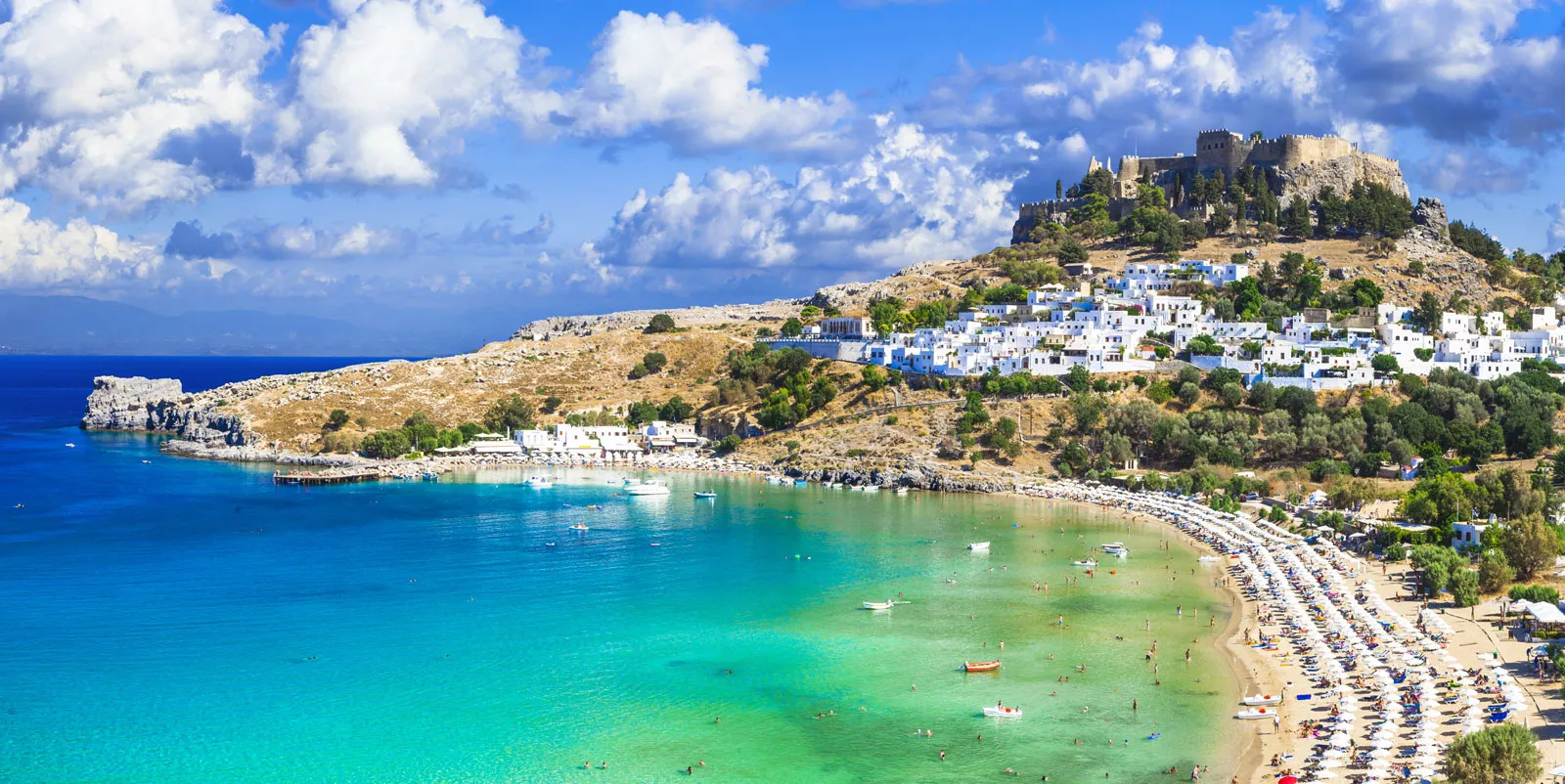
Source: Britannica
Let’s dismantle the myth immediately: Greece does not have to be expensive.
If your Instagram feed is filled with €1,000-a-night cave hotels in Santorini, you are seeing a curated, inflated version of the country. The real Greece—the one of €4 gyros, endless free beaches, and slow ferries—is one of the most affordable destinations in Europe.
You can swim in the same Aegean blue and eat the same fresh feta as the VIPs, often for a fraction of the price. The secret isn’t cutting corners; it’s changing your map.
Here is your factual guide to hacking the Hellenic Republic.
1. The "Big Two" Trap (And Where to Go Instead)
The single fastest way to destroy your budget is to visit Mykonos or Santorini. These two islands operate on a completely different economic scale than the rest of the country.
- The Alternative: Go to Naxos or Paros.
- Why? They are in the same Cyclades chain, have the same whitewashed cubic houses, and arguably better beaches.
- The Cost: In Naxos, you can find a family-run studio apartment for €50–€70 a night (even in June), whereas a windowless room in Santorini might cost €200.
- The Bonus: Naxos is the greenest island in the Cyclades and produces its own potatoes, cheese, and meat. This means the food is local, abundant, and cheaper than the imported goods on volcanic Santorini.
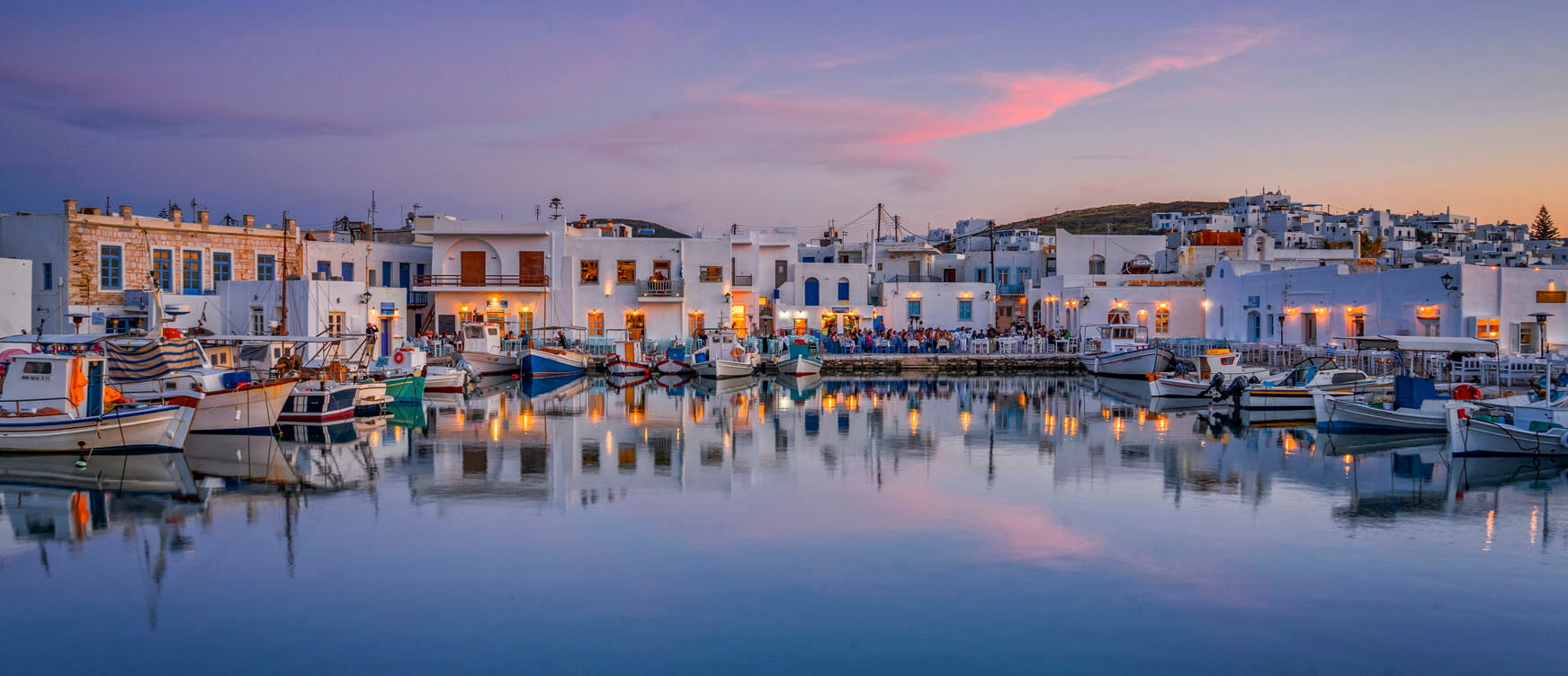
- Paros. Source- visitgreece.gr
2. Mastering the "Blue Star" Economy
In Greece, speed costs money. The high-speed catamarans (like Seajets) get you to the islands fast, but they are expensive and bumpy.
- The Fix: Take the Blue Star Ferries (the slow, large ferries).
- The Deck Ticket: Book an "Economy" or "Deck" ticket. This grants you access to the open decks and the indoor cafes, but no assigned seat.
- The Hack: Board early and grab a table in the cafe or a bench on the back deck. You can watch the sunset over the Aegean, which is infinitely better than being strapped into an airplane-style seat on a claustrophobic high-speed boat.
- Price Difference: A deck ticket from Athens to Naxos might cost ~€50, while a high-speed jet could be €80+.
3. The Connectivity Reality: Why You Need an eSIM
Here is a logistical reality check. Greece is an archipelago of 6,000 islands. Ferry schedules change due to wind (Meltemi), buses in rural islands often lack posted timetables, and street names are in the Greek alphabet.
The "Offline" Risk Relying on "finding Wi-Fi" is a mistake.
- Navigation: Hiking trails in Crete or Amorgos are often marked by stones, not signs. You need live GPS.
- Translation: Menus in local tavernas (the cheap ones you want to eat at) might not be in English. You need Google Lens to translate "Gigantes" (giant beans) or "Horta" (boiled wild greens).
The Solution: The eSIM Roaming charges for non-EU travelers can be steep. Buying a physical SIM card involves finding a Cosmote or Vodafone shop, showing your passport, and waiting in line—time you should spend on the beach.
- The Fix: Purchase a Greece-specific eSIM data plan before you fly.
- Why? An eSIM connects you to local networks (Cosmote has the best island coverage) the moment you land.
- The Benefit: It allows you to track your ferry in real-time on MarineTraffic (so you don't wait for hours at the port) and use the KTEL bus sites to find schedules that aren't listed at the bus stop.
4. Eating: The "Four Euro" Rule
Greek street food is arguably the best value in Europe.
- The Gyro: This is your staple. A pita wrapped around chicken, fries, tzatziki, and tomatoes. As of 2025, inflation has pushed prices up, but you can still find them for €3.50–€4.50. Two of these make a full dinner for under €10.
- The Bakery (Fournos): Do not eat hotel breakfasts. Go to a Fournos and buy a Tiropita (cheese pie) or Spanakopita (spinach pie). They are massive, buttery, and cost about €2.50.
- Taverna Strategy: When eating at a sit-down restaurant, do not order "mains." Order Meze (appetizers) for the table. Greek salad, fried zucchini balls, tzatziki, and calamari. It’s cheaper, more social, and allows you to try more variety.
- Water: In Athens and most of the mainland, tap water is safe and delicious. On the islands, it is usually safe for brushing teeth but too salty to drink. Buy 1.5L bottles from the supermarket for €0.80, not small bottles from kiosks.
5. The Mainland: The Budget Secret
Most tourists fly into Athens and immediately leave for the islands. This is a mistake. The mainland (specifically the Peloponnese) is cheaper, emptier, and packed with history.
- Nafplio: The first capital of modern Greece. It is stunningly beautiful, with Venetian architecture and three fortresses.
- Epidaurus: The ancient theatre where you can hear a pin drop from the top row.
- The Cost: You can rent a car and drive around the Peloponnese for a week, visiting world-class UNESCO sites, while paying significantly less for hotels than you would on any island.
6. Athens on a Shoestring
You don't need to spend much to enjoy the capital.
- The Acropolis View: Hike up Philopappos Hill or Areopagus Hill (Mars Hill) right next to the Acropolis.
- The Cost: Free.
- The View: At sunset, you are eye-level with the Parthenon. It is the best view in the city.
- The Combo Ticket: If you plan to visit the Acropolis, buy the Combined Ticket (approx. €30). It includes entry to the Acropolis plus six other sites (like the Ancient Agora and Temple of Olympian Zeus). If you visit them separately, you will pay much more.
- Student? If you are an EU student under 25, entry to almost all archaeological sites and museums is free. Show your ID.
7. Practical Survival Tips
- Cash is (Still) King: While laws now require businesses to accept cards, card machines "break" conveniently often in small villages or taxis. Always carry €50 in small notes.
- Siga Siga: This means "slowly, slowly." It is the national motto. Service will be slower than you are used to. The ferry might be late. Relax. You are on holiday.
- The Toilet Paper Rule: In most places (except modern luxury hotels), you cannot flush toilet paper. The pipes are too narrow. Use the bin provided. It feels wrong at first, but you get used to it.
Why Go Now?
Greece is timeless. The Parthenon has stood for 2,500 years; it will wait for you. But the window for budget travel is narrowing as global prices rise. By visiting the "alternative" islands, eating from the bakeries, and using smart tech like an eSIM to navigate the logistics, you can experience the glory of Hellas without the tragedy of debt.