
France: The Art of "Joie de Vivre" on a Backpacker's Budget
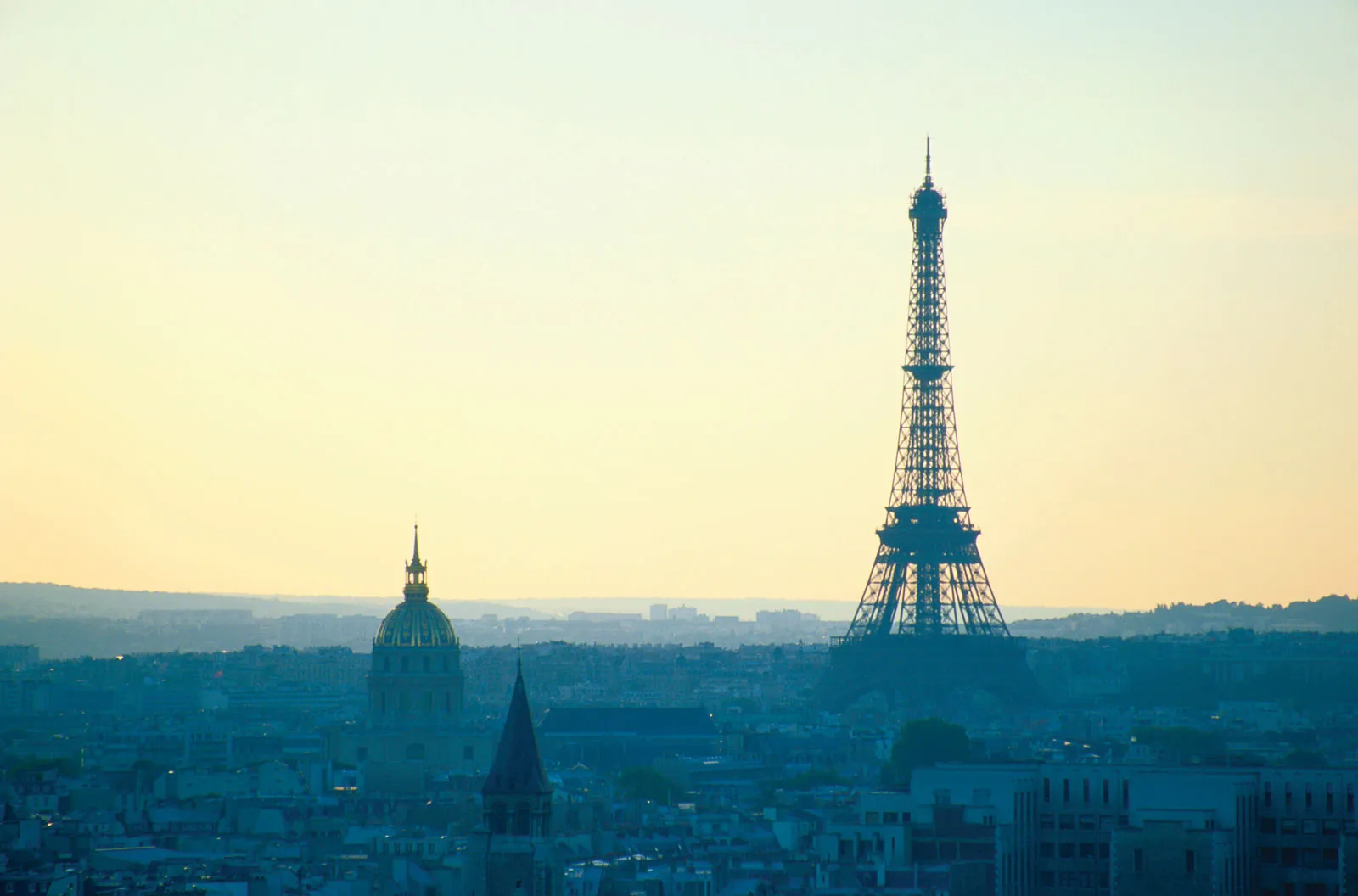
Source: Britannica
France has a reputation for being an expensive playground for the elite. We imagine overlooking the Eiffel Tower or dropping a month’s rent on a hotel room in the Riviera. And while that France certainly exists, there is another version—one that is accessible, authentic, and arguably more fun.
You can experience the best of France—the crusty bread, the world-class art, and the high-speed trains—without emptying your savings. In fact, 2025 and 2026 have brought new travel infrastructure and pricing models that make budget travel here easier than it has been in years.
If you are ready to trade the tourist traps for the local haunts, here is your factual guide to hacking the Hexagon.
1. The "Formule Midi" Strategy
French food culture is legendary, but dinner prices can be steep. To eat well without going broke, you must embrace the Formule Midi (Lunch Menu).
- The Deal: Almost every bistro and brasserie in France offers a set lunch menu between 12:00 PM and 2:00 PM on weekdays.
- The Cost: In Paris, this usually runs €15–€20. In smaller towns, it can be as low as €12–€15.
- What You Get: A starter (entrée), a main course (plat), and often a dessert or coffee. This is high-quality cooking—steak frites, duck confit, or the catch of the day—at a fraction of the dinner price.
- The Bouillons: In Paris, seek out "Bouillons" (like Bouillon Chartier or Bouillon Pigalle). These are historic workers' canteens that serve classic French dishes in stunning Art Nouveau settings. You can get a main course for under €10 and a starter (like escargots or hard-boiled eggs with mayo) for €2–€4.
2. Mastering the New Transport System (2025 Update)
If you haven't visited Paris recently, the transport system has changed significantly as of January 2025.
- The Flat Rate: The complex zone system for single tickets is largely gone for casual travelers. A single ticket for the metro, RER, or train anywhere in the Île-de-France region is now capped at €2.50. This is a massive saving if you are visiting Versailles or Disneyland Paris, which used to cost significantly more.
- Bus/Tram: A single bus or tram ticket is now €2.00.
- Ouigo Trains: For intercity travel, do not book standard TGV tickets last minute. Use Ouigo, the low-cost high-speed rail service. You can get from Paris to Bordeaux, Lyon, or Marseille for as little as €10–€19 if you book a few weeks in advance. The catch? You have to pay extra for large luggage, so pack light.
3. The Connectivity Reality: Why You Need an eSIM
France is a country where "paperwork" is slowly being replaced by apps. To survive on a budget, your phone is your most valuable tool.
The "App" Ecosystem
- Navigation: You will need Citymapper or Google Maps to navigate the complex bus routes of Paris or the winding roads of Provence.
- Dining: You’ll need TheFork (LaFourchette) to find restaurants offering 20-50% discounts on food bills during off-peak hours.
- Translation: Outside of major tourist hubs, English proficiency varies. You will need Google Lens to translate menus instantly.
The Solution: The eSIM Roaming charges for non-EU travelers can be financially ruinous (often $10/day). Finding a physical SIM shop, dealing with language barriers, and waiting for activation is a waste of precious vacation time.
- The Fix: Purchase a specialized French eSIM data plan before you fly.
- The Benefit: An eSIM connects you to local networks (like Orange, SFR, or Bouygues) the moment you land at Charles de Gaulle or Orly. It allows you to buy your metro tickets via the Bonjour RATP app immediately, skipping the notoriously long queues at station ticket machines. It is the single best investment for a smooth trip.
4. Free Culture: The "Musée" Hack
You don't need to pay €20 to see world-class art.
- The Permanent Collections: In Paris, the permanent collections of the Petit Palais (Fine Arts), the Musée Carnavalet (History of Paris), and the Musée d'Art Moderne are completely free year-round. They are less crowded than the Louvre and equally stunning.
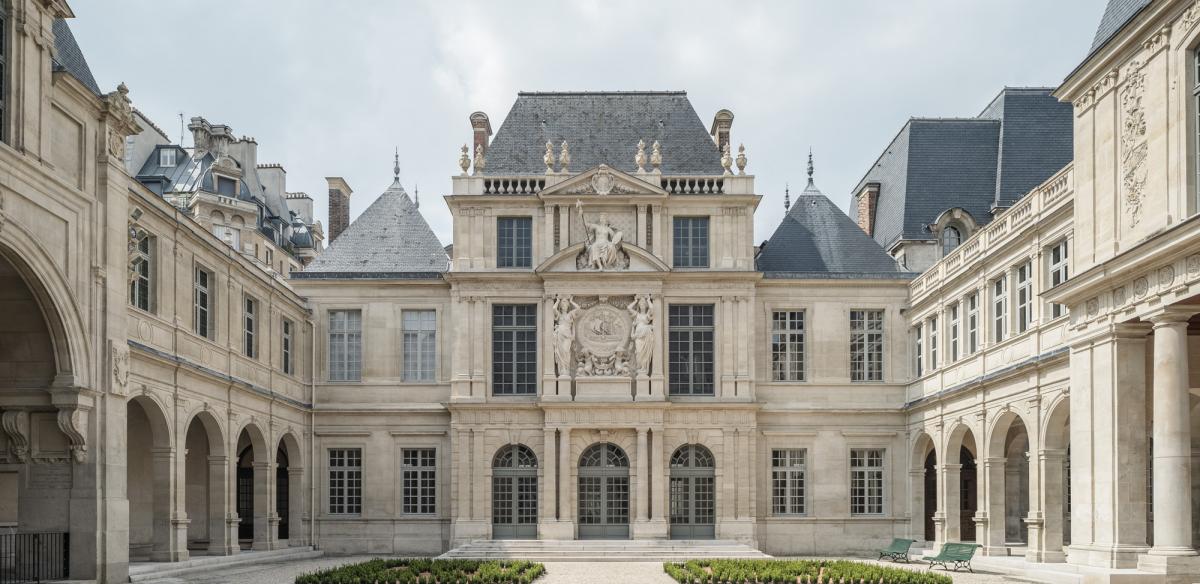
Musée Carnavalet. Source- Musée Carnavalet - Histoire de Paris.
- First Sundays: On the first Sunday of the month, many major museums (including the Musée d'Orsay and the Picasso Museum) are free. Be warned: the lines are long, so arrive 30 minutes before opening.
- Under 26? If you are under 26 and a resident of the EU (or a student with a valid visa in some cases), almost all national museums and monuments are free.
5. Accommodation: Camping and "Gîtes"
Hotels in Paris are undeniably expensive. To save money, you need to look at alternatives or leave the capital.
- The "Gîtes de France": In rural France, skip the hotels and rent a Gîte. These are holiday cottages approved by a national federation. They are often incredibly cheap (sometimes €300–€400 a week for a whole house) and allow you to cook your own meals using fresh market produce.
- Camping: France has one of the best camping networks in the world. Even if you don't have a tent, many campsites offer "Mobil-homes" (static caravans) or "Bungalows" for a fraction of hotel prices. It’s how the French travel on a budget.
- Paris Hostels: If you must stay in Paris, look at the "Generator" or "The People" hostel chains. They are modern, clean, and offer rooftop bars with views that rival 5-star hotels.
6. The Picnic Lifestyle
The best dining room in France is the bank of the Seine or a park bench in the Tuileries Garden.
- The Strategy: Go to a Boulangerie and buy a Tradition (a rustic baguette, usually €1.30). Go to a supermarket (Monoprix or Carrefour) and buy a block of Comté cheese, some pâté, and a punnet of cherry tomatoes.
- The Cost: You can feed two people a gourmet lunch for under €10.
7. Practical Survival Tips
- Water: Tap water in France is safe and delicious. In restaurants, always ask for "une carafe d'eau" (a jug of tap water). It is free. If you just ask for "water," they may bring you expensive bottled water.
- Walking: French cities are made for walking. The Metro is great, but walking from the Louvre to the Arc de Triomphe takes 45 minutes and passes through the Tuileries and the Champs-Élysées. It’s a free sightseeing tour.
- Bathrooms: Public restrooms in Paris have improved, but they can still be scarce. Department stores (like Galeries Lafayette) and museums are your best bet for clean, free facilities.
Why Go Now?
France is currently balancing its deep history with a modern push for sustainability and accessibility. The trains are faster, the metro is cheaper for tourists, and the food is as good as it has ever been. By traveling smart—eating big at lunch, using an eSIM for logistics, and embracing the picnic culture—you can live the bon vivant lifestyle on a backpacker's budget.