
Ecuador: The Center of the World on a Budget
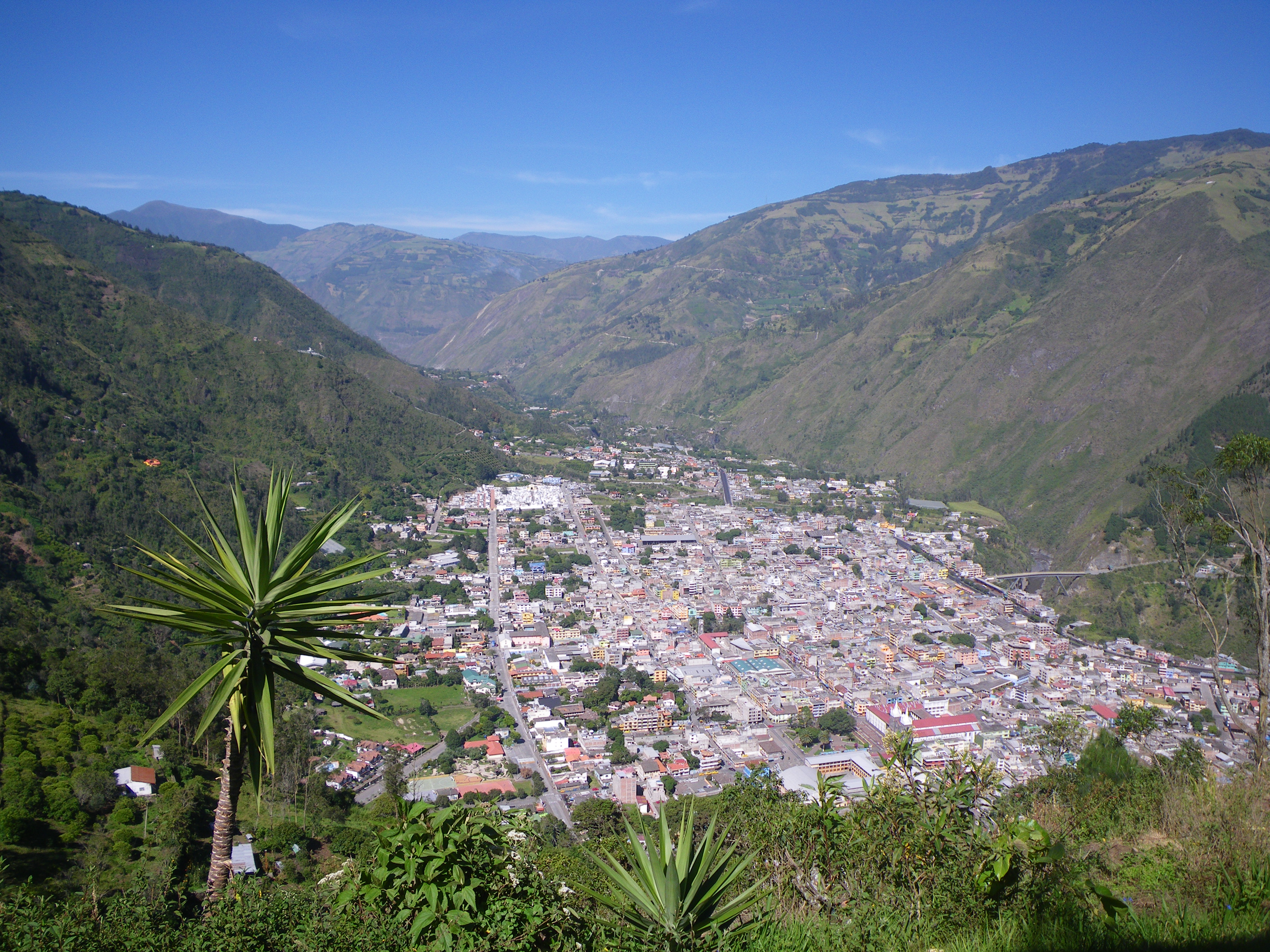
Ecuador is arguably the most efficient travel destination on Earth. Where else can you have breakfast on a Pacific beach, lunch in the snow-capped Andes, and dinner in the Amazon rainforest—all in the same day?
For years, travelers skipped Ecuador to rush to Peru’s Machu Picchu or Colombia’s beaches. But budget travelers know a secret: Ecuador is compact, it uses the US Dollar (making math easy), and it offers an adventure density that is unmatched in South America.
If you are ready to straddle the equator without emptying your bank account, here is your guide to hacking the "Middle of the World."
1. The "Almuerzo" Economy: Eating for $3
If you want to survive on a budget in Ecuador, you must learn one word: Almuerzo.
- The Deal: Between 12:00 PM and 2:00 PM, almost every local restaurant offers a set lunch.
- The Price: Usually between $2.50 and $4.00 USD.
- The Haul: It is massive. You get a starter (usually a potato or quinoa soup), a main course (rice, lentils/beans, and chicken/fish), a fresh fruit juice, and sometimes a tiny dessert.
- The Strategy: Eat your biggest meal at lunch. It’s cheap, fresh, and authentically Ecuadorian. For dinner, grab an empanada de viento (fried cheese empanada dusted with sugar) or street corn for $1.
2. Getting Around: The $1.50 Rule
Transport in Ecuador is shockingly cheap.
- The Buses: The inter-provincial bus network is the lifeline of the country. The general rule of thumb for pricing is roughly $1.50 to $2.00 per hour of travel. A 4-hour ride from Quito to the cloud forests of Mindo will cost you about $6.
- The Terminal: Bus terminals (Terminal Terrestre) are organized chaos. You pay a $0.20 terminal tax to exit to the platforms. Listen for the guys shouting destination names ("¡Baños Baños Baños!") and jump on.
3. The "Poor Man’s Galapagos": Puerto López
The Galapagos Islands are a bucket-list dream, but the $100 entry fee and expensive flights can destroy a backpacker’s budget.
- The Hack: Go to Puerto López on the coast instead.
- Isla de la Plata: Take a day tour (approx. $40–$50) to this island. It is nicknamed "The Poor Man's Galapagos" for a reason. You will see the same Blue-footed Boobies, Frigatebirds, and—if you visit between June and September—Humpback Whales breaching next to your boat.
- Los Frailes: Just north of town is Los Frailes beach. It is protected, pristine, shaped like a crescent moon, and completely free to enter.
4. The Connectivity Reality: Why You Need an eSIM
Here is a logistical tip that doubles as a safety measure. While Ecuador uses the US Dollar, its infrastructure is still developing. Public Wi-Fi is rare outside of hostels, and bus schedules are almost never online.
The Safety Factor In major cities like Quito and Guayaquil, street safety is a priority.
- The Rule: Do not hail random yellow taxis off the street at night. It is significantly safer to use apps like Uber or Cabify, which track your ride.
- The Gap: To order that ride the moment you step out of a restaurant, you need data. You cannot rely on "finding Wi-Fi."
The Fix: The eSIM To stay safe and navigable, purchase an eSIM data plan before you fly.
- Why? Buying a physical SIM card locally (Claro or Movistar) can be a bureaucracy-heavy process involving passport registration and long lines.
- The Benefit: An eSIM allows you to connect to local networks instantly upon landing. You can track your bus on Google Maps (crucial so you know when to yell "Gracias!" to the driver to let you off) and use Google Translate to negotiate hostel prices in remote mountain villages.
5. Adventure Capital: Baños de Agua Santa
If you have an adrenaline addiction and a small wallet, go to Baños.
- The Swing: You have seen the photo on Instagram. The "Swing at the End of the World" attached to the Casa del Árbol treehouse. It costs $1 to enter. The view of the active Tungurahua volcano while you swing over the abyss is priceless.
- The Waterfalls: Rent a mountain bike for $5/day and ride the Ruta de las Cascadas. It’s mostly downhill (you can put the bike on a truck to get back). The highlight is Pailón del Diablo (Devil’s Cauldron), a massive waterfall where you can crawl through a rock tunnel to stand directly behind the roaring water.
6. Quito: The High-Altitude Historic Center
The capital, Quito, is the second-highest capital city in the world (2,850m).
- The Old Town: It was the first ever UNESCO World Heritage city. The colonial churches here are intense. Visit the Basílica del Voto Nacional. For $2, you can climb rickety ladders up to the condor-shaped gargoyles on the spire. It is terrifying and exhilarating.
- The Teleférico: Take the cable car up the side of Pichincha volcano to 4,000 meters. The ride costs about $8.50, but the view of the Avenue of Volcanoes is unmatched. Tip: Go in the morning before the afternoon clouds roll in.
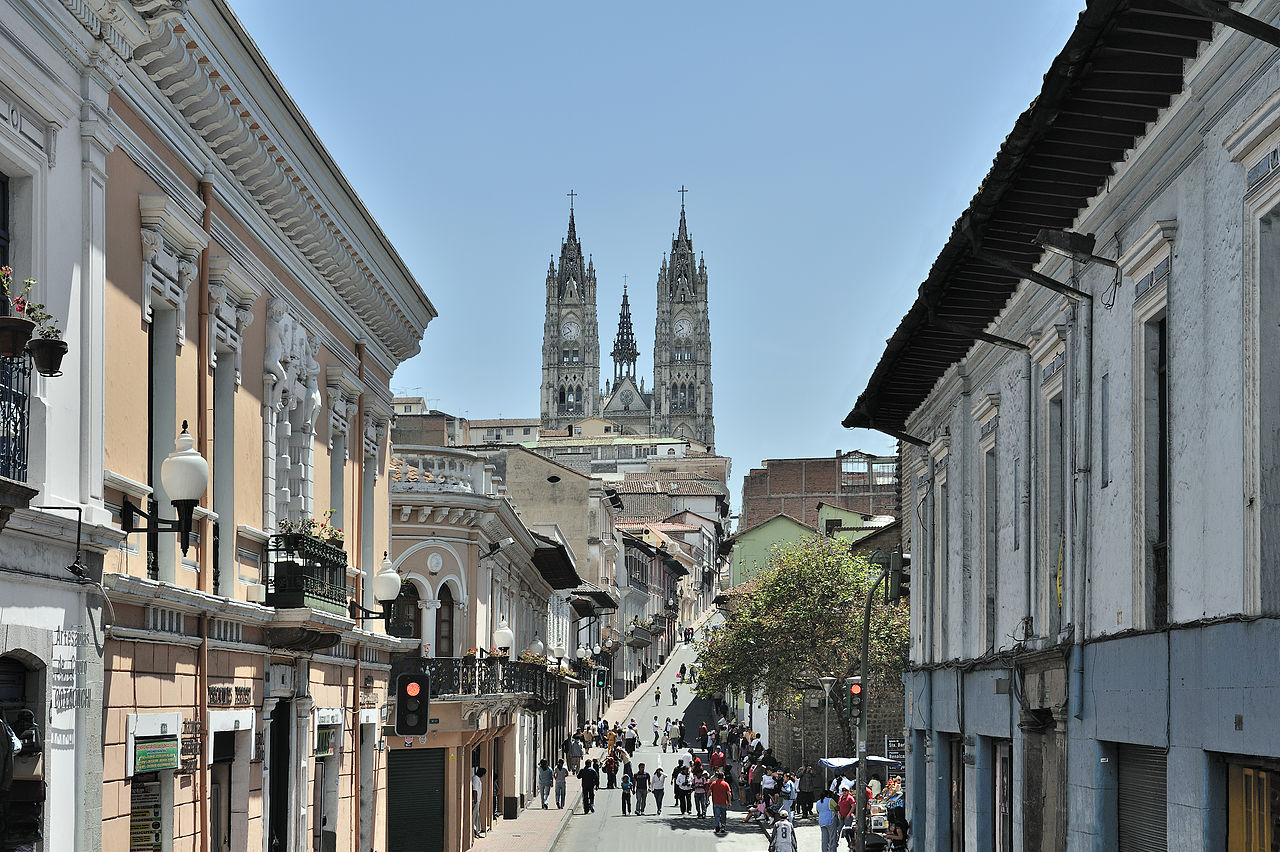
- Source- Cayambe, CC BY-SA 3.0, via Wikimedia Commons
7. Practical Budget Tips
- Cash is King (But Small Bills Only): Ecuador uses the US Dollar, but nobody has change for a $20. If you try to pay for a $3 lunch with a $20 bill, the owner will look at you like you are trying to buy the restaurant. Bring stacks of $1s and $5s.
- Coins: You will see lots of $1 coins (Sacagawea or Presidential). They are used everywhere.
- Water: Do not drink the tap water. Buy large "gallons" of water at the supermarket and refill your reusable bottle to save money and plastic.
Why Go Now?
Ecuador is resilient. Despite recent headlines, the tourist trail remains open and welcoming. It is a country where you can climb a volcano, swim in the Pacific, and barter in an indigenous market, all while spending less than $40 a day. It is raw, diverse, and the best value for money in the hemisphere.