
Denmark on a Shoestring: How to Hack the "Happiest" (and Most Expensive) Nation
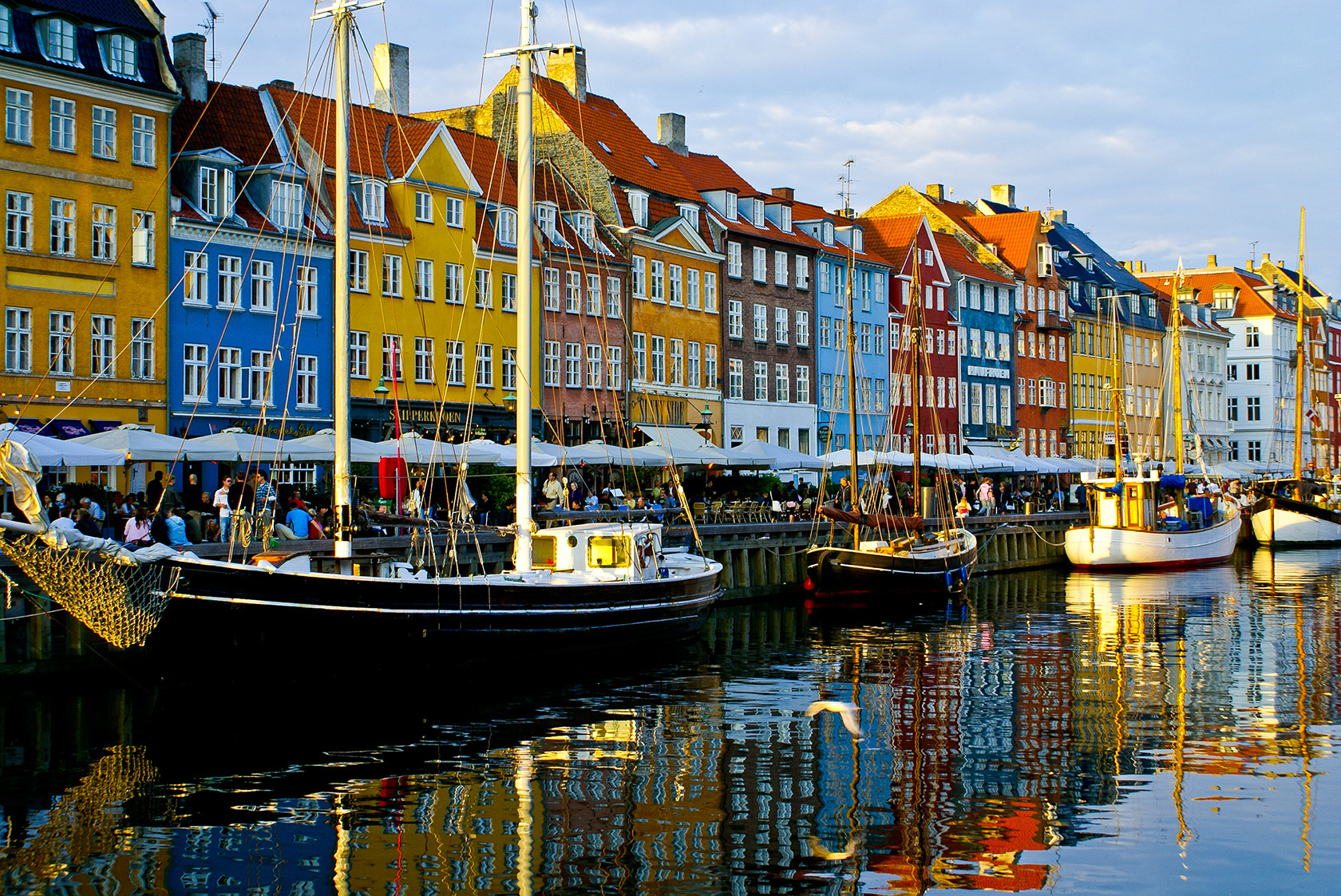
Let’s address the elephant in the room: Denmark has a reputation for being expensive. And frankly, it is. This is a country where a latte can cost $8 and a taxi ride might require a small loan. But beneath the high price tags of Nordic design shops and Michelin-star restaurants lies a version of Denmark that is accessible, authentic, and surprisingly affordable.
Denmark is small, flat, and incredibly efficient. If you are willing to swap taxi cabs for bicycle saddles and sit-down dinners for world-class street food, you can experience the best of Scandinavia without draining your savings.
Here is your guide to navigating Denmark—from the cobbled streets of Copenhagen to the windswept coasts of Jutland—on a budget.
1. The Golden Rule: Live Like a Local (On a Bike)
The single biggest mistake tourists make in Denmark is paying for transport they don't need. Taxis are astronomically expensive. Even public transport, while excellent, adds up if you use it for every short hop.
The Fix: Do as the Danes do and rent a bike. Denmark is arguably the most bike-friendly nation on earth. Copenhagen alone has more bicycles than people. You can rent a bike from apps like Donkey Republic for a fraction of the cost of a travel pass. Not only does this save money, but it also unlocks the city. You can cycle from the city center to the beaches at Amager Strandpark or the deer-filled forests of Dyrehaven in under 30 minutes.
If you must use public transport (especially to get from the airport to the city center), download the DOT Tickets app. It is cheaper and easier than buying physical tickets at machines. The Metro from Copenhagen Airport to the city center takes 13 minutes and costs roughly 36 DKK (approx. $5 USD)—a steal compared to a $60 taxi.
2. The Digital Necessity: Why You Need an eSIM
Denmark is a nearly cashless, fully digitized society. You will rarely see a physical ticket or a cash transaction. To survive here on a budget, your phone needs to be a Swiss Army Knife of apps: DOT for trains, Donkey Republic for bikes, and Google Maps to navigate the winding medieval streets.
The Roaming Trap: If you are traveling from outside the EU (and even from some non-EU European nations), roaming charges can be brutal. Relying on patchy public Wi-Fi will leave you stranded when you're trying to unlock a rental bike or check a train schedule in real-time.
The Solution: Purchase an eSIM data plan before you fly. An eSIM allows you to connect to local Danish networks (like TDC or 3) the moment you land.
- Why it saves you money: You avoid the $10/day roaming fees from your home carrier.
- Why it’s essential: You need reliable data to use the budget-saving apps mentioned above. Plus, Denmark uses mobile apps for everything from ordering street food to verifying train tickets. Being offline here is a logistical nightmare.
3. Sleeping Cheap: The "Luxury" Hostel
Accommodation will be your biggest expense, but the standard of "budget" lodging in Denmark is incredibly high. Forget the dingy, creaky bunk beds of the past. Danish hostels often look like boutique hotels.
- High-End Hostels: Look for chains like Steel House, Next House, or Urban House. They offer pod-style beds, swimming pools, and communal kitchens for a fraction of the price of a standard hotel.
- Cabinn & Wakeup: If you need a private room, check out the Cabinn or Wakeup Copenhagen budget hotel chains. The rooms are tiny (think cruise ship cabin), but they are clean, modern, and centrally located.
- Camping: If you are visiting in summer and venturing outside Copenhagen, Denmark’s "Shelter" system is fantastic. There are hundreds of primitive wooden shelters across the country that are often free or very cheap to book for a night in nature.
4. Eating: The Pølsevogn and The Bakery
Eating out in Denmark is pricey. A standard burger and fries at a sit-down restaurant can easily run you $25 USD. To eat well on a budget, you need to change your strategy.
- The Pølsevogn (Sausage Wagon): This is the holy grail of Danish budget dining. You will see these small hot dog stands everywhere. Order a ristet hotdog (roasted hot dog) with all the toppings: remoulade, fried onions, and pickled cucumber. It costs about 35–45 DKK ($5–$6) and is delicious.
- Smørrebrød for Lunch: The famous Danish open-faced sandwich. Do not eat this for dinner; eat it for lunch when prices are lower. Head to the Torvehallerne food market or local delis where you can buy pieces individually.
- Bakeries (Bageri): Danish pastries are world-famous for a reason. A substantial pastry (like a tebirkes or a snail) from a bakery like Lagkagehuset or Meyers Bageri is filling enough to serve as a light breakfast or lunch for under $5.
- Drink the Tap Water: Never buy bottled water in Denmark. The tap water is some of the cleanest and best-tasting in the world. Bring a reusable bottle and fill it up anywhere; it’s free and eco-friendly.
5. Free Culture: Beyond the Little Mermaid
You don’t need to spend a fortune on tickets to see the sights.
- The Little Mermaid: Go see her if you must, but be warned—she is small and usually surrounded by a wall of tourists. It’s free, but the walk along the Langelinie promenade is the real highlight.
- The Tower at Christiansborg Palace: While many towers charge entry fees, the tower at the Danish Parliament (Christiansborg) is free and offers the highest view in Copenhagen.
- Harbor Baths: In summer, the locals flock to the Islands Brygge harbor baths. Swimming in the clean harbor water is completely free and a quintessential Copenhagen experience.
- The David Collection: One of the few major museums in Copenhagen that is permanently free. It houses an incredible collection of Islamic art and European decorative art.
- Christiania: Visit Freetown Christiania, the self-governing commune in the heart of the city. It’s a fascinating, colorful, and controversial place to walk around (just be respectful of the "no photos" rules in certain areas, specifically Pusher Street).
6. Beyond Copenhagen
If you have time, leave the capital. The train ride across the Great Belt Bridge to Odense (the birthplace of Hans Christian Andersen) or Aarhus (Denmark’s "Second City") is scenic and efficient.
- Aarhus: Visit the ARoS Art Museum. You have to pay to enter, but walking inside the "Rainbow Panorama"—a circular glass walkway on the roof—is one of the most Instagrammable moments in Scandinavia.
- Skagen: Head to the very top of Denmark where the North Sea meets the Baltic Sea. You can stand with one foot in each ocean as the waves crash together.
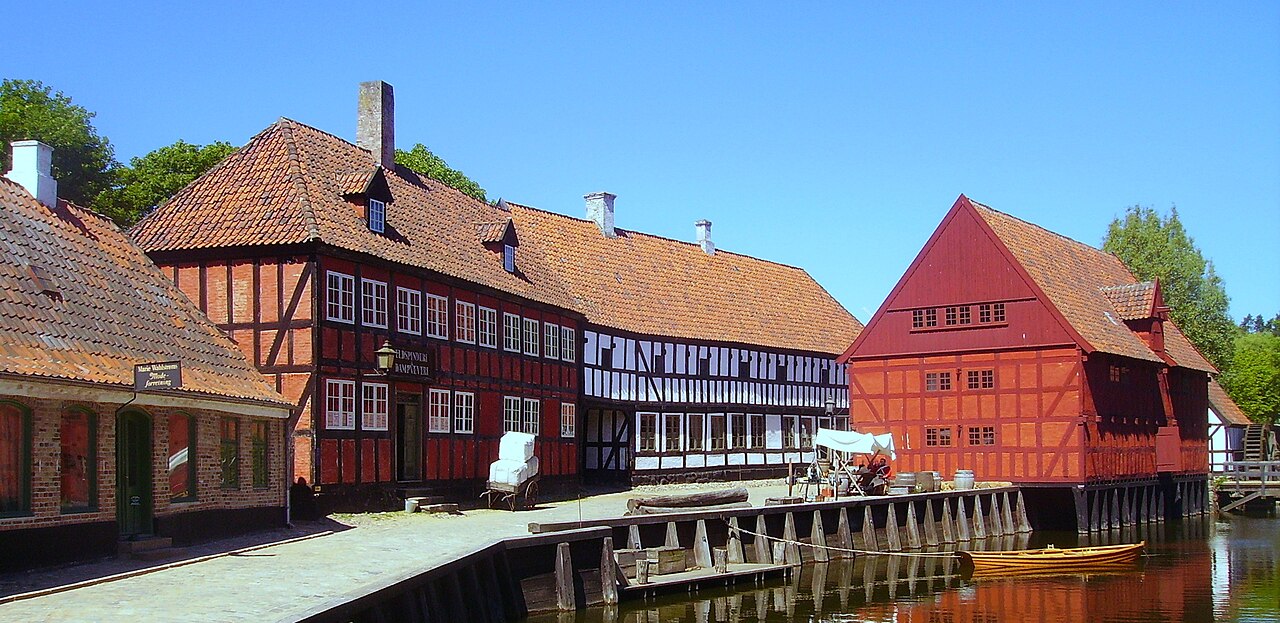
- Source- Zairon, CC BY-SA 3.0, via Wikimedia Commons
Why Go Now?
Denmark proves that "expensive" doesn't have to mean "inaccessible." By adopting the local habits—cycling, eating simple quality food, and embracing the outdoors—you can enjoy the safety, cleanliness, and cool vibe of the Nordics without the financial hangover.