
Colombia: Coffee, Culture, and Thriftiness
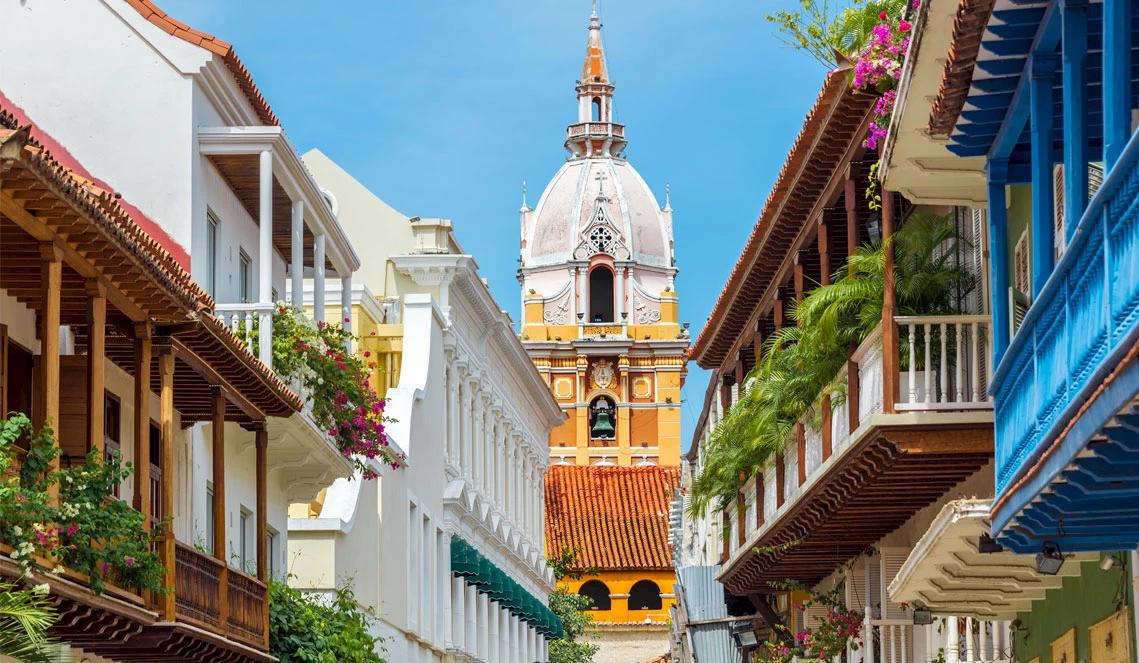
Source: Uncover Colombia
For decades, Colombia was a "no-go" zone on the global map. Today, it is arguably the most exciting destination in South America, and for the budget traveler, it is an absolute paradise.
Here, you can drink the world’s best coffee for pennies, fly between cities for the price of a bus ticket, and stay in design-forward hostels that look like boutique hotels. But Colombia is also a place that rewards street smarts. It is vibrant, chaotic, and incredibly affordable if you know how to navigate the local economy.
If you are ready to trade the expensive resorts for the rhythm of the street, here is your guide to traveling Colombia without breaking the bank.
1. The "Menu del Día" Economy
If you want to save money in Colombia, you must embrace the Menu del Día (Menu of the Day). This is the fuel of the nation.
- What it is: A set lunch served between 12:00 PM and 2:00 PM at almost every local restaurant.
- The Cost: 15,000 to 25,000 COP (approx. $4–$7 USD).
- What you get: It is massive. A soup (often plantain or potato-based), a main plate (meat/chicken/fish, rice, salad, beans), a fresh fruit juice, and sometimes a tiny dessert.
- The Budget Strategy: Eat your biggest meal at lunch. For dinner, grab street food like an arepa de queso or an empanada for less than $1 USD.
2. Getting Around: Bus vs. Plane
In many countries, taking the bus is the only budget option. In Colombia, that isn't always true.
- The Andean Geography: Colombia is split by three massive ranges of the Andes mountains. A "short" distance on a map can take 12 hours on a winding, motion-sickness-inducing bus ride.
- The Budget Airlines: Carriers like Wingo, Avianca, and LATAM fight fiercely for market share. If you book a few weeks in advance, you can often find flights from Bogotá to Medellín or Cartagena for $30–$50 USD—roughly the same price as the bus, but it saves you 10 hours of travel time.
- The Tip: Always check Google Flights before booking a bus. If the flight is under $50, take it.
3. The "No Dar Papaya" Rule & The eSIM Necessity
This is the most critical section for your safety and your wallet. Colombia has a golden rule: "No dar papaya" (Don't give papaya). It means: Don't make yourself an easy target. Don't flash your phone, don't wear expensive jewelry, and don't look lost.
Why You Need an eSIM In Colombia, your smartphone is your lifeline, but it is also a target. You need to use it discreetly and efficiently.
- Safety via Apps: Street taxis can be risky in major cities. It is significantly safer to use apps like Uber or Cabify (or DiDi). To order these the moment you leave a restaurant or the airport, you need immediate data.
- The Roaming Trap: Trying to buy a physical SIM card in a busy city center forces you to pull out your phone and passport in public, marking you as a tourist.
- The Fix: Purchase an eSIM data plan before you fly.
- Why? An eSIM allows you to land in Bogotá or Medellín and have instant connectivity to order a secure ride. You can check Google Maps without looking like a confused tourist on a street corner. It keeps your head up and your phone hidden.
4. Where to Go (On a Budget)
Medellín: The City of Eternal Spring
- Why: It is the digital nomad capital of South America. The weather is perfect year-round.
- Budget Activity: Ride the Metrocable. It is part of the public transit system (costing less than $1 USD). You soar over the barrios, getting a bird's-eye view of the city’s transformation without paying for a helicopter tour.
- Free Culture: Visit the Botero Plaza to see the chubby bronze statues by Fernando Botero. It is an open-air museum that costs nothing.
Salento: The Coffee Axis
- Why: This colorful colonial town is the gateway to the Valle de Cocora.
- The Hike: You can hike the Valle de Cocora to see the world's tallest wax palms (up to 60 meters high). The entrance fee is minimal (around $5–$6 USD).
- The Jeep: To get to the trail, you pile into the back of a vintage WWII "Willys" Jeep in the town square. It costs pennies and is an adventure in itself.
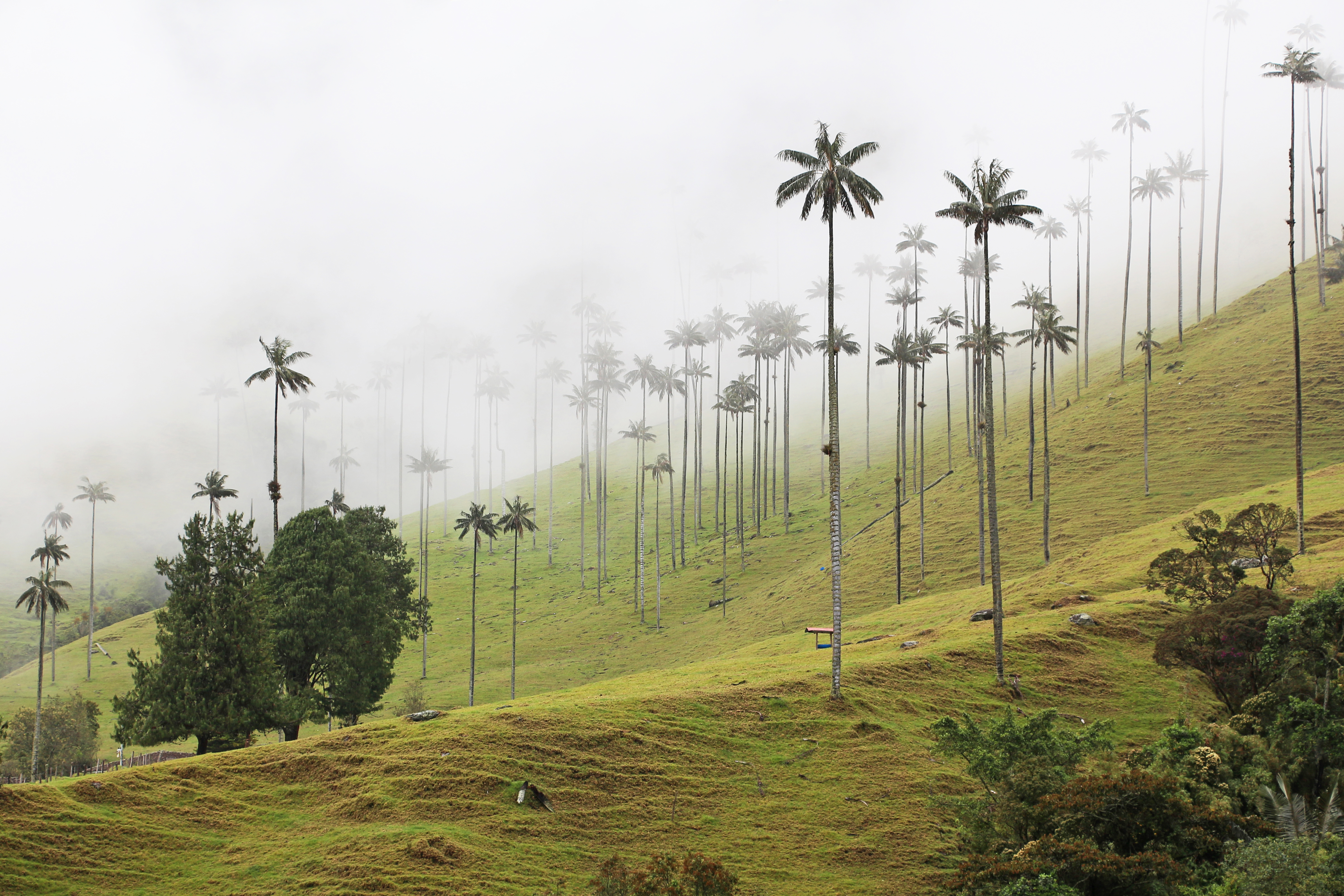
Valle De Cocora, Salento. Source- Bernard Gagnon, CC BY-SA 4.0, via Wikimedia Commons
Cartagena: The Caribbean Jewel
- The Trap: The "Walled City" (Old Town) is stunning, but expensive.
- The Fix: Stay and eat in Getsemaní. It is the neighborhood right next door. It is filled with street art, backpacker hostels, and locals sitting in plastic chairs. It has all the vibe of the Old Town for half the price.
- Playa Blanca: Skip the expensive boat tours. You can take a shuttle bus to Playa Blanca on Isla Barú for a fraction of the cost.
5. Accommodation: The Hostel Revolution
Colombia has some of the best hostels in the world. We aren't talking about dingy dorms.
- The Standard: places like Viajero, Selina, or Masaya offer co-working spaces, rooftop pools, and salsa classes.
- The Price: A dorm bed in a high-rated hostel usually costs $10–$15 USD. A private room is often $30–$40 USD.
- The Hack: Many hostels include breakfast. Fill up on eggs and arepas in the morning to save on your first meal of the day.
Why Go Now?
Colombia is currently in a "sweet spot." It has the infrastructure of a major tourist destination—fast Wi-Fi, great flights, modern hotels—but the prices are still incredibly low compared to Europe or North America. The peso is weak against the dollar, meaning your budget stretches further here than almost anywhere else in the hemisphere.