
Cabo Verde: The African Caribbean on a Backpacker’s Budget
Source: Visit Cabo Verde
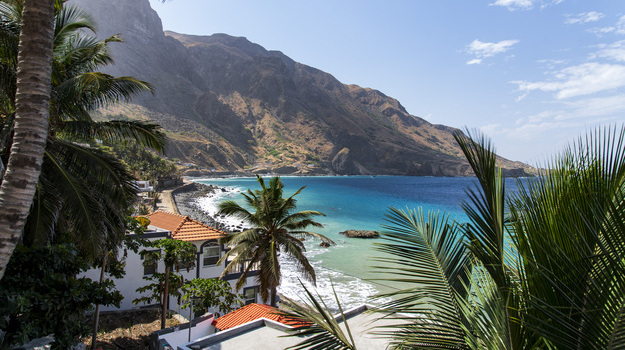
Cabo Verde (Cape Verde) is a contradiction. It is an archipelago off the coast of West Africa that feels like Brazil, looks like the moon, and sounds like Portugal. For years, it was an expensive stopover for sailors or a package-holiday destination for Europeans. But today, the islands are opening up to the budget traveler.
If you are willing to trade resort buffets for street food and private jets for ferries, you can experience one of the most unique cultures on earth without draining your savings. Here is your guide to doing it right.
1. Pick Your Battles (and Your Islands)
The biggest mistake budget travelers make is trying to see all ten islands. Inter-island travel is the most expensive part of the trip. To save money, focus on a specific pair of islands connected by ferry rather than flight.
- The "Culture & Hiking" Duo: Fly into São Vicente (VXE) and take the one-hour ferry to Santo Antão.
- Why: This gives you the cultural capital (Mindelo) and the most spectacular hiking in the country without needing a domestic flight.
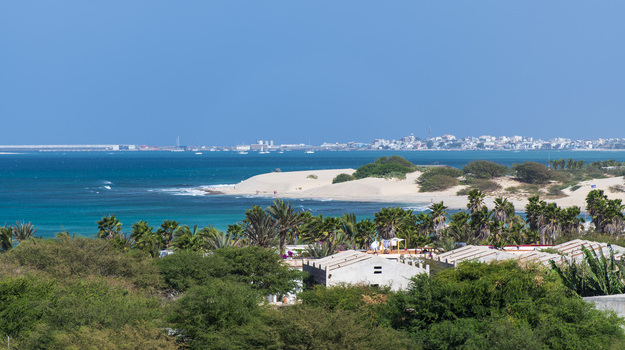
- The "Beach Bum" Duo: Fly into Sal (SID) or Boa Vista (BVC).
- Why: These are the beach hubs. You won't need to leave the island to find world-class sand, but be warned: these islands are more touristy and slightly pricier than the others.
- Source- Visit Cabo Verde
2. The Ferry: Your Wallet’s Best Friend
Domestic flights between islands (operated by BestFly/Cabo Verde Airlines) are fast but can cost €80–€150 one way.
- The Budget Hack: The ferry system, CV Interilhas, is significantly cheaper. A ticket from São Vicente to Santo Antão costs roughly €8 ($9 USD).
- The Reality Check: The Atlantic is not a calm ocean. The crossings can be rough (bring motion sickness pills), and schedules are "island time" flexible. Always leave a buffer day before your international flight home.
3. Sleep in "Residencials"
Skip the big all-inclusive hotels. The sweet spot for budget accommodation in Cabo Verde is the Residencial (guesthouse).
- What to expect: These are family-run inns. They are clean, simple, and almost always include a hearty breakfast. You can find excellent rooms for €25–€40 per night.
- Hostels: In hubs like Mindelo and Santa Maria, hostels are growing in popularity, with dorm beds going for as little as €15–€20.
4. Eat Like a Local: Cachupa
You do not need to spend money on expensive imported steaks. The national dish, Cachupa, is one of the world's great budget meals.
- The Dish: It is a slow-cooked stew of corn (hominy), beans, cassava, sweet potato, and fish or meat.
- The Cost: A massive plate of "Cachupa Rica" (rich style with meat) will cost you €3–€5 at a local tasca (tavern). It is filling enough to be your only major meal of the day.
- Street Food: Look for Pastel com diablo dentro ("Pastry with the devil inside"). These are spicy, deep-fried tuna pastries sold on street corners for pennies.
5. The Connectivity Hack
Cabo Verde is deceptively developed, but relying on hotel Wi-Fi limits you, and navigating the winding mountain roads of Santo Antão requires a working map.
- The Roaming Trap: Roaming charges for North American and European carriers in Africa can be astronomical (often $10/MB).
- The Smart Fix: To avoid getting lost in a remote village or overpaying for taxis, purchase an eSIM data plan before you fly.
- Why? An eSIM allows you to connect to local networks (like CV Móvel or Unitel T+) instantly. It’s cheaper than international roaming and saves you the hassle of finding a physical SIM kiosk. You can use it to translate Portuguese menus, check ferry schedules in real-time, and call a taxi via WhatsApp.
6. Free Activities
- Hiking: The best activity in Cabo Verde is walking, and it’s free. In Santo Antão, the hike down the Paúl Valley passes through coffee plantations, mango groves, and sugar cane fields. It is widely considered one of the best day hikes in the world.
- Music: In Mindelo, you don't need to buy concert tickets. Walk into almost any restaurant in the evening, and you will hear live Morna (the soulful national music made famous by Cesária Évora). It is the soundtrack of the islands, and it costs nothing.
7. Practical Tips
- Currency: The Cabo Verdean Escudo (CVE).
- The Exchange: The Escudo is pegged to the Euro at approx 110 CVE = 1 Euro. You can pay with Euros almost everywhere, but you will get change in Escudos.
- Visa: Travelers from the US, Canada, UK, and EU can enter visa-free for up to 30 days, but you must pay an Airport Security Tax (TSA) of roughly €31 online before arrival.
Why Go Now?
Cabo Verde is safe, stable, and incredibly welcoming. It sits in a "Goldilocks" zone—developed enough to be comfortable, but remote enough to feel like a true adventure. Your money goes far here, but the memories of the volcanic peaks and the soulful music will last much longer.