
Bolivia: High Altitude, Low Prices
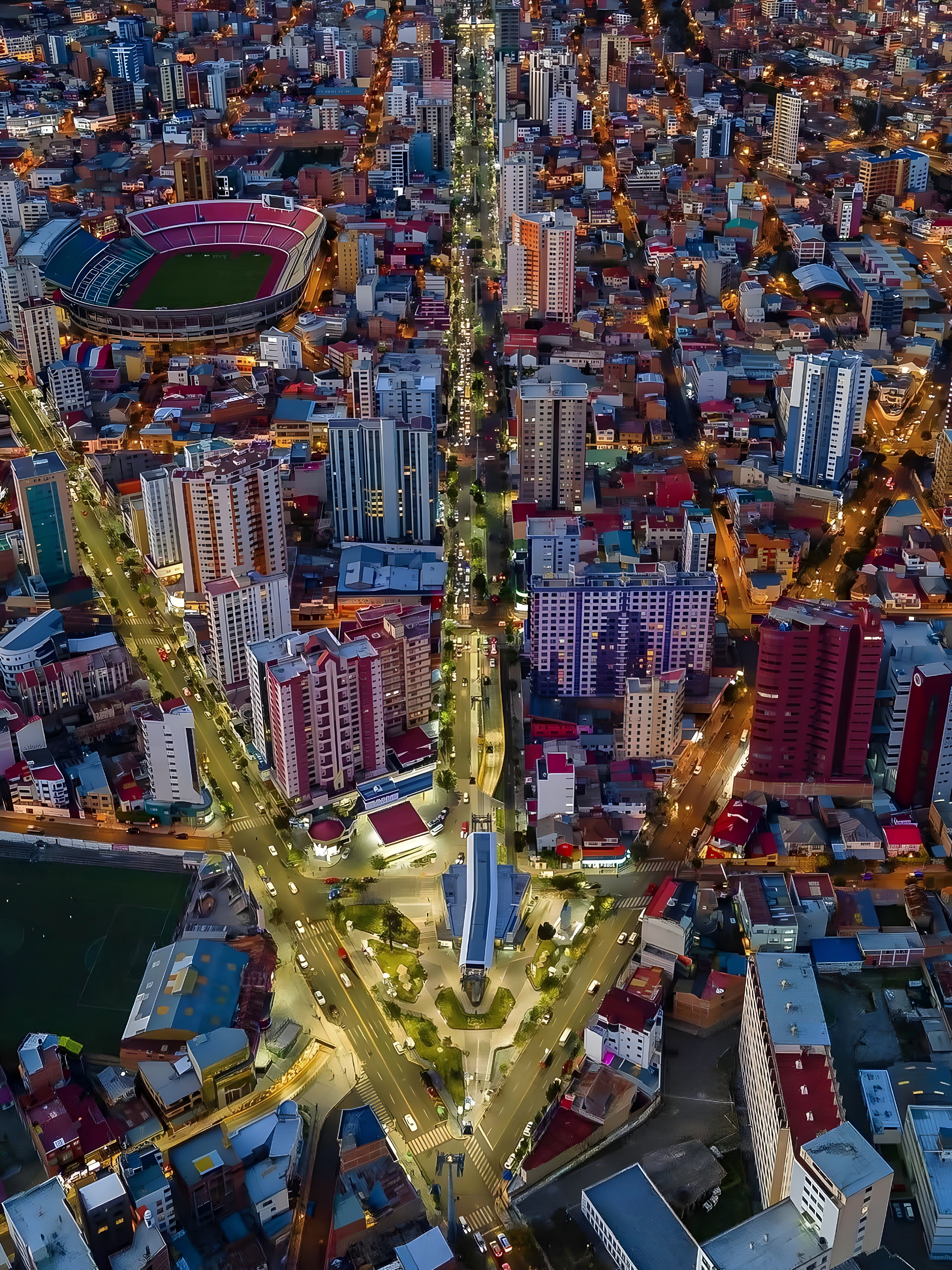
Bolivia is the "Tibet of the Americas." It is a landlocked nation of dizzying heights, where the cities sit in the clouds, pink dolphins swim in the Amazon, and the earth turns into a giant mirror at the Salt Flats.
For the budget traveler, Bolivia is arguably the best value destination in the Western Hemisphere. It is significantly cheaper than neighbors like Chile or Argentina, offering raw, unpolished adventure for a fraction of the cost. You can eat a three-course meal for $2, sleep in a hostel for $8, and cross the country on a bus for $15.
However, traveling here requires patience and grit. If you are ready to trade oxygen for adrenaline and luxury for authenticity, here is how to tackle Bolivia on a shoestring.
1. La Paz: The Vertical City
La Paz is an assault on the senses. Sitting at 3,640 meters (11,942 ft), it leaves you breathless—literally.
- The $0.50 Sightseeing Tour: Forget expensive city bus tours. La Paz has the world’s largest urban cable car system, Mi Teleférico. It was built for commuters, but for tourists, it’s the best way to see the city. Take the Red Line (Línea Roja) from the center up to El Alto. For less than 3 Bolivianos ($0.45 USD), you glide over the canyon, watching the city sprawl beneath you and the snowy peak of Mount Illimani in the distance.
- Witches' Market: Walk through the Mercado de las Brujas to see dried llama (buried under houses for good luck) and medicinal herbs. Looking is free and fascinating.
2. The Salt Flats (Salar de Uyuni): The Big Ticket
This is the one thing you must spend money on. The Salar de Uyuni is the world’s largest salt flat, covering 10,000 square kilometers.
- The Budget Strategy: Do not book this tour online from home; you will pay double or triple. Instead, book it in person when you arrive in the town of Uyuni (or La Paz).
- The 3-Day Tour: The standard adventure costs roughly $150–$200 USD (all-inclusive: food, transport, and accommodation). You drive across the white desert, see red lagoons filled with flamingos, and sleep in hotels made entirely of salt blocks.
- Tip: Bring extra cash for the park entrance fees and hot showers, which are usually not included in the quote.
3. Eat the "Almuerzo Familiar"
Bolivian food is hearty, carb-heavy, and incredibly cheap.
- The Set Lunch: Look for signs saying Almuerzo or Menu del Dia. For 15–25 Bolivianos ($2–$4 USD), you get a soup (often quinoa or peanut soup), a main course (meat/chicken with rice and potatoes), and a dessert. It is the most economical way to fuel up.
- Salteñas: This is the Bolivian empanada. They are filled with a sweet-and-spicy stew of beef or chicken. They cost less than $1 USD and are eaten strictly before noon (usually for breakfast). The golden rule: Do not let the juice spill, or you will be laughed at by locals.
4. Sucre: The White City
If La Paz is chaotic, Sucre is calm. The constitutional capital is a UNESCO World Heritage site filled with whitewashed colonial buildings and universities.
- Why go: It is the best place to relax and recharge. Many travelers stay here for weeks to take Spanish lessons, which are among the cheapest in South America (often $5–$7 per hour for private tuition).
- Cal Orck’o: Visit the dinosaur wall just outside the city. It is a massive limestone cliff featuring over 5,000 real dinosaur footprints. The bus to get there costs pennies.
5. Lake Titicaca: Isla del Sol
On the border with Peru lies the highest navigable lake in the world.
- Copacabana: Not the beach in Brazil, but a small lakeside town. Use it as a base to take a boat to Isla del Sol (Island of the Sun).
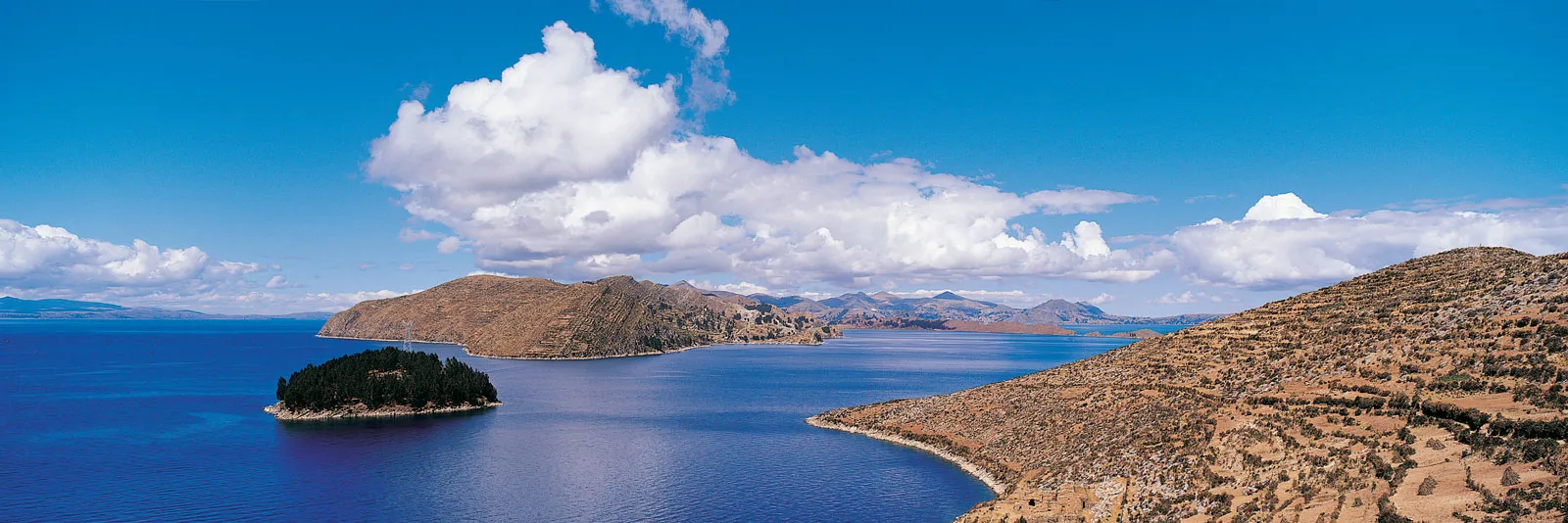
- Source- Britannica
- The Hike: There are no cars on the island. You can hike from the north to the south (check current access rules, as community disputes sometimes close trails) past ancient Inca ruins and terraced fields. It is peaceful, spiritual, and very cheap.
Practical Tips for the Budget Traveler
Transportation: The "Cama" Bus Domestic flights save time but cost money. The budget way to travel is by bus.
- The Trick: For long overnight trips (like La Paz to Uyuni), pay the extra couple of dollars for a "Bus Cama" (Lie-flat bed) or "Semi-Cama" (Reclining seat). The roads in Bolivia can be bumpy and unpaved; the extra comfort is worth every cent of the $15 ticket.
Stay Connected (Crucial for Safety) Bolivia’s landscapes are remote. You might be crossing a desert with no road signs or navigating the sprawling markets of El Alto. Relying on hotel Wi-Fi (which is often slow) limits you.
- The Connectivity Fix: Roaming charges in Bolivia are notoriously high, and finding a SIM card vendor who speaks English can be difficult in rural towns. The smartest move is to purchase an eSIM data plan before you arrive. This allows you to have a working connection the moment you land in El Alto Airport. It is essential for using WhatsApp (the primary way tours communicate), checking offline maps, and translating Spanish menus.
Cash is King Bolivia is a cash economy.
- Currency: The Bolivian Boliviano (BOB).
- Small Bills: ATMs dispense large bills (100s), but market vendors and taxi drivers rarely have change. Break your large notes at supermarkets or restaurants whenever you can. Always keep a stash of coins for public toilets.
Why Go Now?
Bolivia is raw. It doesn't have the polished tourism infrastructure of Peru, but that is its charm. It is a place where adventure feels real, where the culture is indigenous and proud, and where your budget stretches further than you ever thought possible.