
Bangladesh: The Last True Frontier of Budget Travel
Source: US Department of State
If you are looking for a relaxing poolside holiday with organized bus tours, stop reading now. Bangladesh is not that place.
But if you are a traveler who craves raw adventure, chaotic energy, and hospitality that feels almost aggressive in its warmth, then Bangladesh is your next destination. It is one of the few places left on Earth where you are not a tourist—you are a guest. And best of all? It is incredibly cheap.
Here is how to navigate the "Land of Rivers" without breaking the bank.
The Chaos of Dhaka
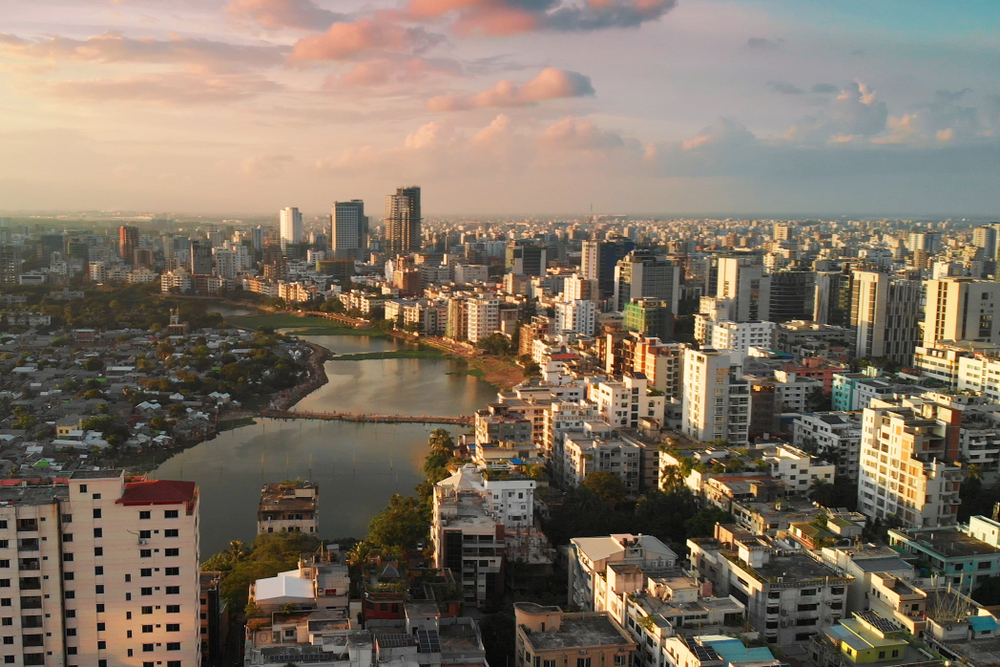
Your trip will likely start in Dhaka, a city that assaults the senses in the best and worst ways possible. It is loud, dusty, and vibrant.
- Old Dhaka: Head to Sadarghat, the river port. Watching the hundreds of small wooden boats cross the Buriganga river is free theater. You can hire a small boat for less than 100 BDT ($0.85 USD) for an hour-long ride.
- Rickshaw Art: Dhaka is the rickshaw capital of the world. A ride across town isn't just transport; it's a cultural experience. Negotiate hard—a short ride should cost 50-80 BDT.
The Legendary "Rocket" Steamer
Forget luxury cruises. The quintessential Bangladeshi experience is riding the Rocket, a paddle-wheel steamer built during the British Raj.
- The Route: The most popular leg is from Dhaka to Hularhat or Morrelganj.
- Budget Tip: While first-class cabins (AC) are affordable by Western standards (approx. 3,000 BDT or $25 USD), the real adventure is in "Deck Class." For a few dollars, you sleep on the open deck with locals, sharing stories and snacks. It’s safe, breezy, and authentically Bengali.
Srimangal: The Tea Capital
Escape the humidity of the delta by heading northeast to Srimangal. This region is carpeted in emerald-green tea gardens.
- Seven-Layer Tea: You must try the famous seven-layer tea at the Nilkantha Tea Cabin. It costs about 100 BDT ($0.85 USD).
- Lawachara National Park: Rent a bicycle for 300 BDT/day and cycle through the tea estates to this rainforest. It is home to the endangered Hoolock Gibbon. If you are quiet, you can hear their calls echoing through the canopy.
Survival Tactics: Connectivity and Safety
Bangladesh is famous for its confusing, winding streets. In Old Dhaka, street signs are non-existent, and in rural areas, English is rarely spoken. You will rely heavily on Google Maps and translation apps to survive.
The "Sim Card" Struggle: Getting a physical SIM card in Bangladesh as a foreigner can be a bureaucratic headache. It often requires passport photocopies, passport-sized photos, and filling out forms in a shop where the queue is three people deep.
- The Solution: To save yourself the stress and paperwork, purchase and install an eSIM data plan before you land. Having immediate connectivity the moment you step out of Dhaka airport is a major safety advantage. It allows you to order an Uber (which is safer and has fixed prices) rather than haggling with aggressive taxi touts at the arrival gate.
Cox's Bazar: The Longest Beach
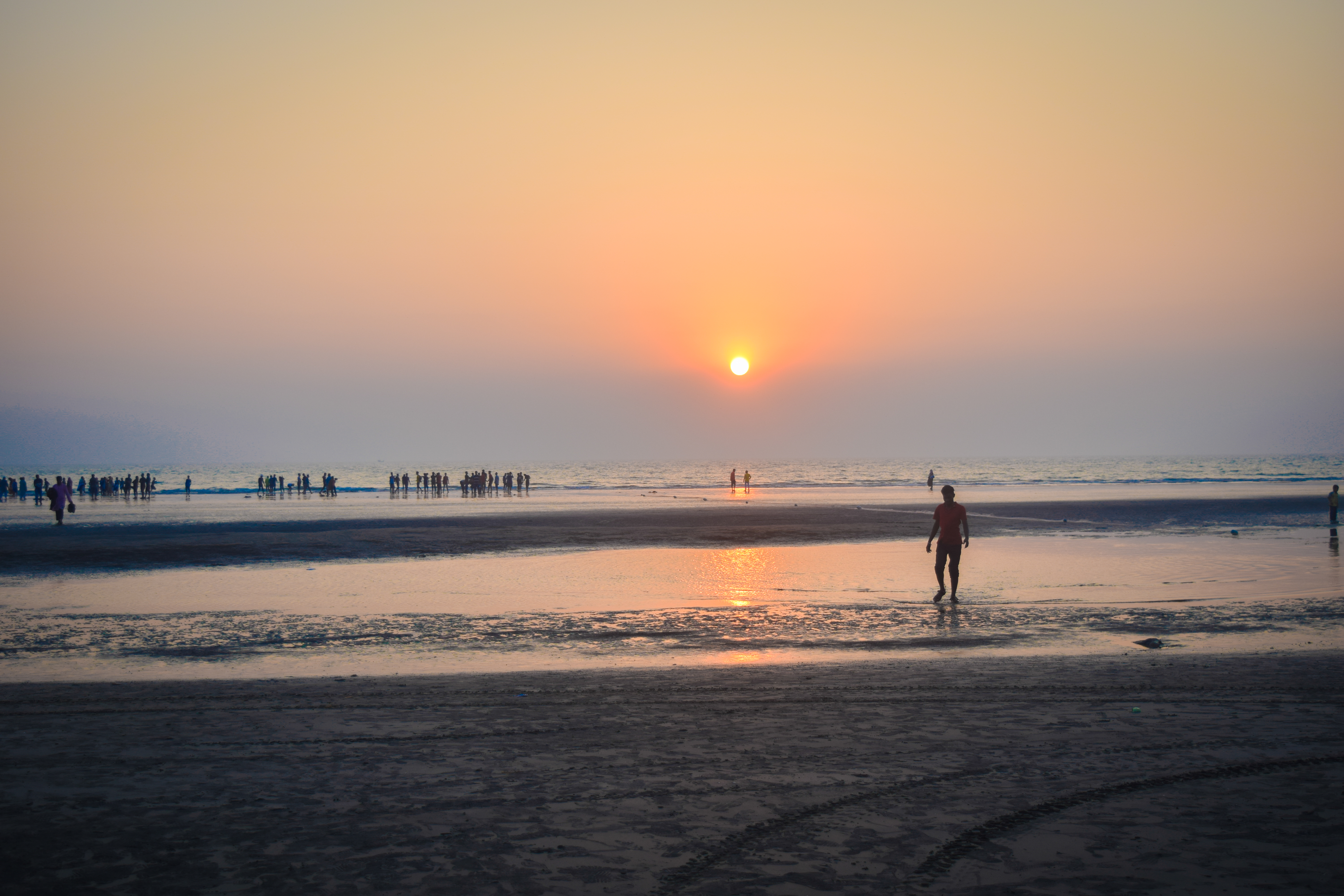
Bangladesh boasts the longest uninterrupted natural sea beach in the world.
- The Vibe: It is not a place for bikinis and sunbathing (modesty is key here); it is a place for people-watching. Thousands of locals come here to walk the surf.
- Budget Stay: Avoid the high-end resorts near the "Sugandha" point. Head further south to Inani Beach or Himchari for cheaper guesthouses and a quieter atmosphere.
Source- Fatima.nisha, CC BY-SA 4.0, via Wikimedia Commons
What to Eat (The Real Budget Hack)
Food is where you save the most money. Bangladeshi cuisine is spicy, rich, and incredibly cheap.
- Breakfast: Paratha (fried bread) with Bhaji (vegetables) and endless cups of sweet Cha (tea) will cost you roughly 60 BDT ($0.50 USD).
- Lunch: Look for "Bhat Hotels" (rice hotels). These are simple canteens serving unlimited rice, dal, and a choice of fish or meat curry. A full meal costs between 150-250 BDT ($1.30 - $2.20 USD).
- Biryani: Old Dhaka is famous for its Haji Biryani. A plate of mutton biryani here is legendary and costs roughly 250 BDT.
Practical Tips
- Currency: The Bangladeshi Taka (BDT). 1 USD ≈ 118 BDT. Cash is king; ATMs are available in cities but rare in villages.
- Visa: Most Western travelers need a visa. Visa on Arrival (VOA) is available for many nationalities at Dhaka airport (approx. $51 USD), but check the latest rules as they change frequently.
- Best Time to Visit: November to February. The weather is cool and dry. The monsoon season (June-September) is intense and can make travel difficult due to flooding.
Bangladesh challenges you. It is loud, intense, and raw. But when you are sitting on the deck of a century-old steamer, watching the sun set over a river that looks like a sheet of gold, you will realize that the $20 you spent that day was the best investment you ever made.