
Australia on a Budget: Kangaroos, Coffee, and Keeping Your Cash
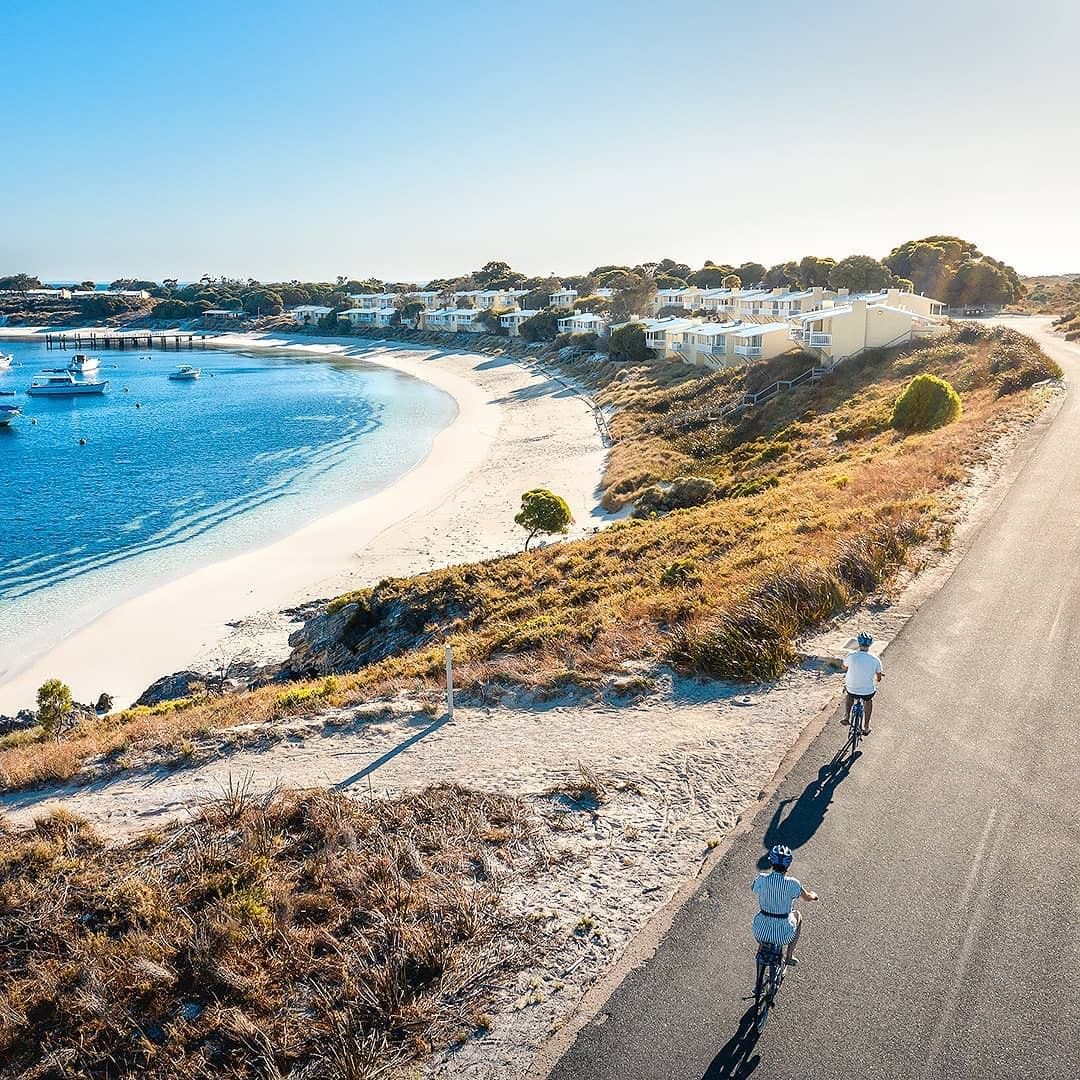
Source: Australia.com
Australia is the dream. It’s a land of red dust, white sand, and wildlife that looks like it was designed by a committee of surrealists. But let’s address the elephant in the room (or the giant wombat): Australia is expensive. A coffee can cost $5 AUD and flights between cities can rival the cost of international travel.
However, you don't need a trust fund to see the Great Barrier Reef or hike the Blue Mountains. With a few local hacks and strategic choices, you can stretch your dollar further than you’d think. Here is your guide to doing the Land of Oz on a budget.
1. Master the "Relocation" Rental
Transportation is usually the biggest expense in Australia. The distances are vast—Sydney to Cairns is roughly the same distance as London to Rome.
- The Hack: Instead of renting a campervan for $150 a day, look for "relocation deals." Rental companies need to move vehicles between cities (e.g., from Alice Springs to Adelaide) and will rent them to you for as little as $1 to $5 per day.
- The Catch: You have a set timeframe (usually tight but doable) and a specific route. Sites like Imoova or Transfercar are goldmines for these deals. It’s the cheapest way to road trip the Outback.
2. Eat at the Pub, Not the Restaurant
Dining out in Sydney or Melbourne is world-class, but it comes with a hefty price tag. For a hearty, affordable meal, look for the local "pub feed."
- Counter Meals: Most Australian pubs offer a "counter meal" or "schnitty night" (Schnitzel night). You can often get a massive Chicken Parmigiana or a steak with chips and salad for $20–$25 AUD, which is significantly cheaper than a standard restaurant main.
- The Supermarket Run: For lunch, hit up Coles or Woolworths. Their roast chickens ("bachelors’ handbags") are iconic budget fuel, and their bakery sections offer cheap staples.
3. Stay Connected Without the Roaming Fees
Australia is vast, and outside the main cities, it gets remote quickly. You will rely heavily on Google Maps for navigation and apps like WikiCamps to find free campsites.
- The Trap: Do not use your home carrier’s roaming plan. Australian roaming charges can be astronomical.
- The Fix: The most cost-effective solution is to download an eSIM profile before you fly. This allows you to connect to local networks (like Telstra or Optus, which have the best rural coverage) the moment you land. It prevents the panic of finding a SIM shop at the airport and ensures you can call an Uber or check your map immediately for a fraction of the cost of roaming.
4. Public Transport Hacks: Caps and Free Zones
If you aren't driving, the cities have excellent public transport, and if you know the rules, they are surprisingly cheap.
- Sydney: Get an Opal Card (or use your contactless credit card). The system has a Weekend Cap, meaning you can travel as much as you want on trains, buses, and ferries all day Friday, Saturday, and Sunday for a capped maximum (currently around $9.65 AUD). This includes the stunning ferry ride to Manly Beach, which is a tour in itself.
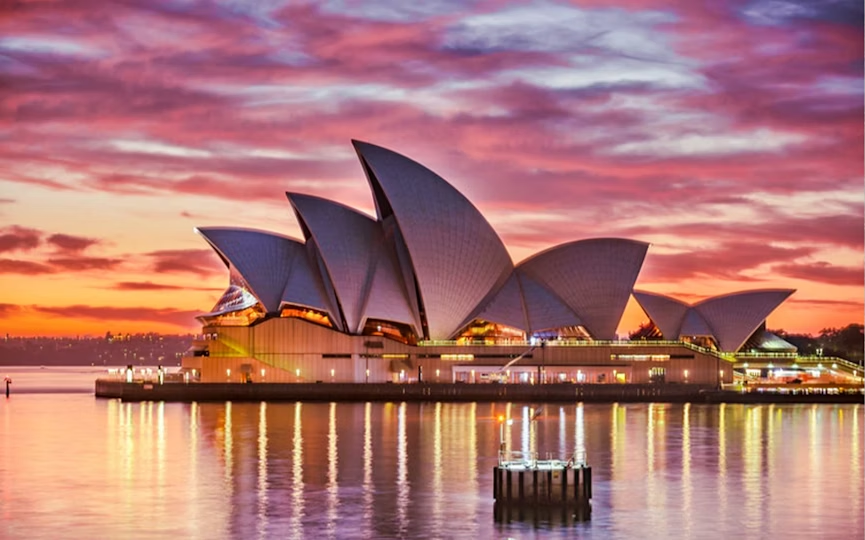
- Melbourne: The entire CBD (Central Business District) is a Free Tram Zone. You can hop on and off trams within the city grid without paying a cent. Just listen for the announcements so you don't accidentally ride out of the zone and get fined.
5. Drink the Tap Water (and the Coffee)
- Water: In 99% of Australia, tap water is drinkable and high quality. Bring a reusable bottle. Buying bottled water at $4 a pop is the quickest way to drain your budget.
- Coffee: This is the one thing you should spend money on. Australia has arguably the best coffee culture in the world. Don't go to Starbucks (locals rarely do). Go to independent cafes. A flat white is a non-negotiable cultural experience, even if it costs $5.
6. Embrace the "Free" Outdoors
The best things in Australia really are free. The country is built for outdoor living.
- Beach BBQs: almost every public beach and park in Australia has free (or coin-operated) electric BBQs. It is a national pastime to cook dinner by the ocean as the sun sets.
- Coastal Walks: Skip the paid bridge climbs. The Bondi to Coogee Coastal Walk in Sydney offers 6km of breathtaking cliffs and ocean views for free. In Melbourne, the walk along the St Kilda foreshore offers free penguin viewing at the breakwater (just go at sunset).
7. Timing is Everything
Australia has distinct seasons, and prices fluctuate wildly.
- Shoulder Season: Try to visit in March–May (Autumn) or September–November (Spring). The weather is still warm enough for the beach, but accommodation prices drop significantly compared to the December/January summer peak.
- Note: If you go to the tropical north (Darwin/Cairns), avoid the "Wet Season" (November to April) unless you like high humidity and potential cyclones, even if the flights are cheap.
Australia is a continent of adventure. It rewards those who plan ahead. By grabbing a relocation campervan, tapping your card on a Sunday ferry in Sydney, and sorting out your data with an eSIM beforehand, you can focus your budget on what matters: the memories, the views, and that perfect flat white.