
Albania on a Shoestring: How to Explore the Balkans' Best-Kept Secret for Less
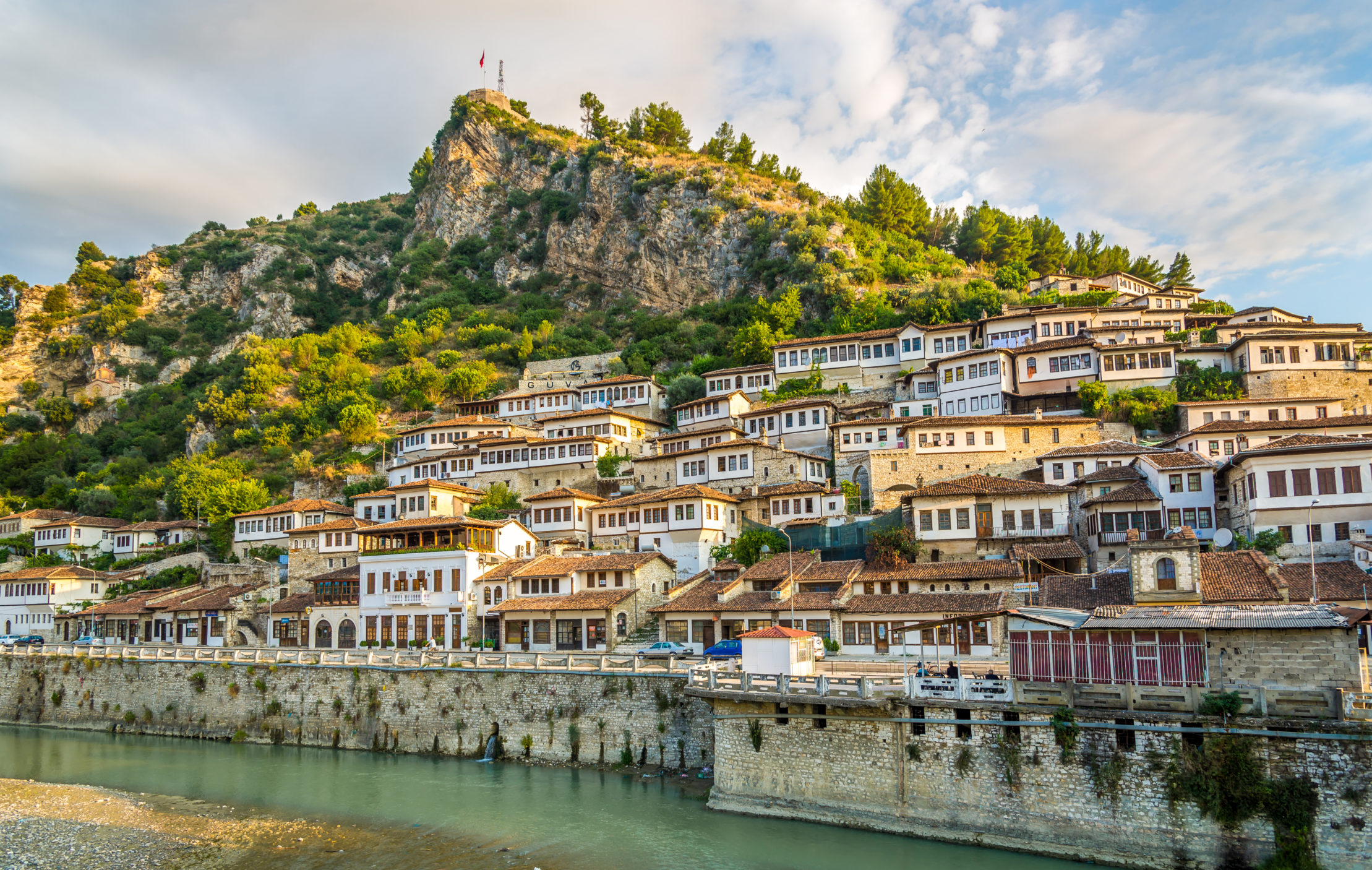
Source: US Department of State: Albania.
Albania has long been whispered about in backpacker circles as the "last budget frontier" of Europe. With its jagged mountain peaks, turquoise Riviera waters, and ancient Ottoman towns, it offers Mediterranean beauty at a fraction of the cost of Italy or Greece.
However, as its popularity explodes, prices in hotspots like Ksamil and Tirana are creeping up. Albania is still affordable, but it is no longer "dirt cheap" unless you know how to navigate it. To help you travel deeper for cheaper, here is your essential guide to saving money in the Land of Eagles.
1. Master the Art of the "Furgon"
If you take private transfers or rent a car, Albania can become expensive quickly. To save massive amounts of money, you must embrace the Furgon.
Furgons are privately owned minibuses that act as the backbone of Albanian public transport. They don't always have official schedules or designated stops (outside of the main bus terminals). You simply show up at the station, ask for your destination, and hop in.
- The Savings: A taxi from Tirana to the coastal city of Sarandë might cost you €100-€150. The furgon will cost you roughly €12-€15.
- The Trick: Furgons usually leave when they are full, not at a specific time. Be patient. Also, inter-city buses stop running earlier than you might expect (often by 2:00 PM or 3:00 PM), so always travel in the morning.
Since furgon stops are rarely marked and schedules are informal, you will rely heavily on Google Maps to find them; save yourself the stress (and the roaming fees) by purchasing an affordable eSIM before you land so you are connected the moment you arrive.
2. Cash is King (and LEK is Better than Euro)
While many vendors in tourist areas will happily accept Euros, you will almost always lose money on the exchange rate. This is known locally as the "tourist tax."
- Use LEK: Always pay in the local currency, the Albanian Lek (ALL). If a coffee costs 100 Lek (approx €0.90), paying €1 often means you are overpaying by 10%. Over a two-week trip, this adds up significantly.
- The ATM Trap: Avoid the ATMs at the airport or those brightly colored "Euronet" machines found in tourist centers; they charge exorbitant withdrawal fees. Look for established bank ATMs (like Credins or OTP) in city centers, which usually have lower or no fees for international cards.
3. Eat at "Zgaras" and Bakeries
Albanian food is delicious, fresh, and incredibly cheap if you avoid the white-tablecloth restaurants geared toward tourists.
- The Byrek Strategy: For breakfast or a quick lunch, head to a bakery ( furrë ) and grab a Byrek. It is a flaky pastry filled with cheese, spinach, or meat. It is greasy, delicious, and costs about 30–50 Lek (€0.30–€0.50). Two of these will keep you full for hours.
- The Zgara: For dinner, look for signs that say Zgara (Grill). These are local BBQ joints. You can get a plate of Qofte (seasoned meatballs), fresh salad, and bread for under €5-€7. They are authentic, rowdy, and far cheaper than the Italian-style trattorias next door.
4. Be Strategic with the Riviera
The Albanian Riviera is stunning, but in July and August, towns like Ksamil and Dhërmi have prices that rival Western Europe.
- Skip Ksamil in High Season: Ksamil is famous for its "Maldives-like" beaches, but in August, you will pay €20–€50 just for a sunbed. Instead, base yourself in Himara or Borsh. They have the same crystal-clear water but are significantly cheaper and less crowded.
- Shoulder Season is Magic: If you visit in late May, June, or September, accommodation prices drop by 50% compared to August. The water is still warm, but the crowds (and the high prices) are gone.
5. Drink Tap Water (With Caution) or Buy Big
In many parts of Albania, especially in the mountains (like Theth and Valbona), the tap water comes straight from pristine springs and is safe and delicious. However, in coastal cities like Durrës or Sarandë, the tap water is generally not considered potable.
- The Hack: Instead of buying 500ml bottles for €1 every few hours, buy a 5-6 liter jug at a supermarket for €1.50 and refill your reusable bottle. Better yet, bring a water bottle with a built-in filter (like LifeStraw or Grayl) to drink from the tap safely anywhere and save roughly €30-€40 over a two-week trip.
6. Stay in "Bujtinas" (Guesthouses)
Hotels in Albania are standard, but Bujtinas are special. These are traditional, family-run guesthouses.
- Why they save you money: The price almost always includes a massive, homemade breakfast that is so large you won't need lunch. You will be served fresh jams, eggs, cheeses, tomatoes, and endless tea.
- Direct Booking: Find the guesthouse on Booking.com to read reviews, but then look them up on Google Maps and message them directly on WhatsApp. Albanians prefer direct cash dealings, and owners will often give you a better rate (minus the commission fees) if you book directly with them.
7. Embrace the Free History
Albania is an open-air museum. You don't need to pay for expensive tours to see the country's most iconic sights.
- Bunkers: There are over 170,000 concrete bunkers scattered across the country from the communist era. You will find them on beaches, in mountains, and in city parks. Exploring them is free and fascinating.
- ** The Xhiro:** In the evenings, participate in the xhiro. This is the traditional evening walk where entire towns come out to stroll the main boulevards, chat, and people-watch. It costs nothing, but it is the best way to soak up the local culture.
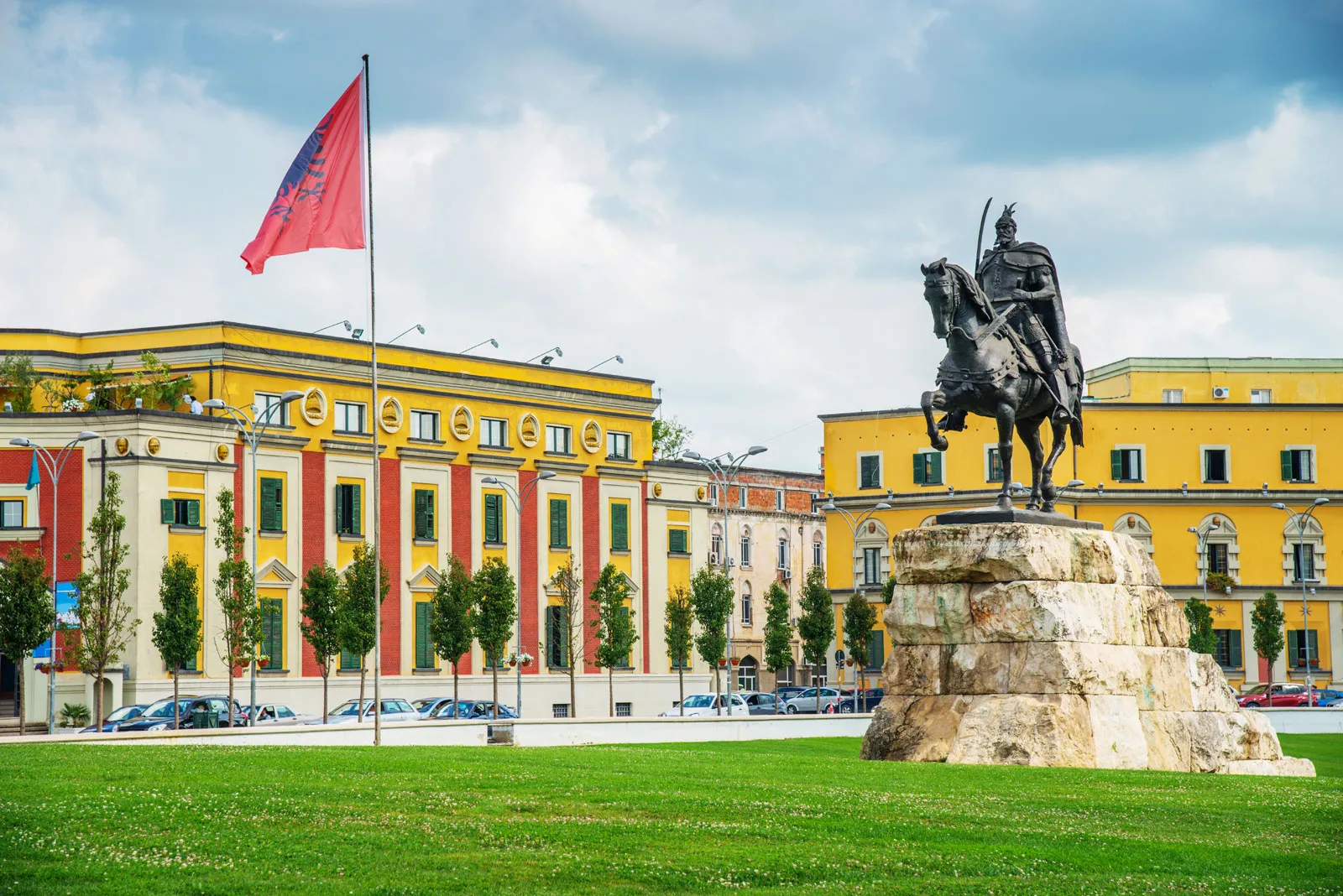
Skanderbeg Square, Tirana. Source- Britannica.
8. Hitchhiking is a Valid Option
This might seem daunting to Western travelers, but hitchhiking is culturally accepted and very common in Albania. Because public transport can be sporadic in rural areas, locals often pick up hitchhikers. It is generally considered safe (though standard precautions always apply). It is a fantastic way to meet locals, and they will almost never accept money for the ride—though sharing a story or a cigarette is customary.
Albania rewards the curious and the flexible. By trading the luxury hotel for a stone bujtina, the taxi for a furgon, and the Italian pasta for a hot byrek, you won't just save money—you will find the authentic heart of the Balkans.