
Zimbabwe: The Land of the Great Stone House
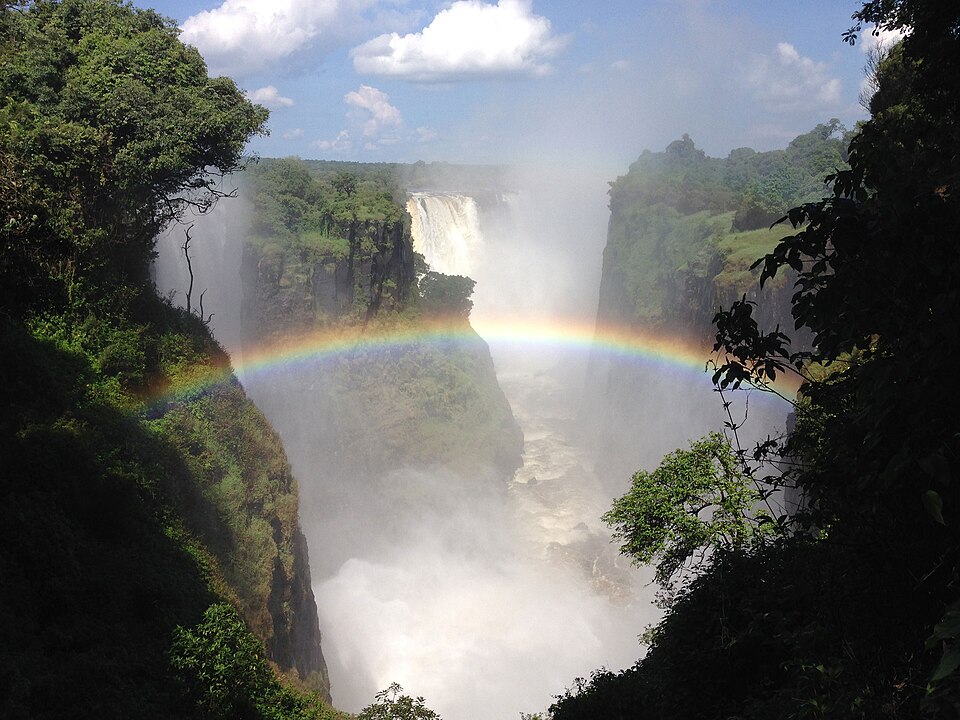
Zimbabwe stands as one of the most compelling destinations in Southern Africa. It is a land defined not just by its breathtaking natural wonders, but by a profound sense of history and a resilient, welcoming spirit. From the misty roar of the Zambezi to the silent stone corridors of ancient empires, Zimbabwe offers a travel experience that feels both raw and deeply sophisticated.
Whether you are a seasoned safari enthusiast or a first-time visitor to the continent, this is the year to witness the spectacular rebirth of this African jewel.
1. Mosi-oa-Tunya: The Smoke That Thunders
No journey to Zimbabwe begins anywhere else but at Victoria Falls. Known to the local Batonga people as Mosi-oa-Tunya, this UNESCO World Heritage site is the world’s largest curtain of falling water.
- The Main Falls: In the peak flow months of March and April, the spray can rise nearly 400 meters into the air, creating permanent rain showers for the surrounding rainforest.
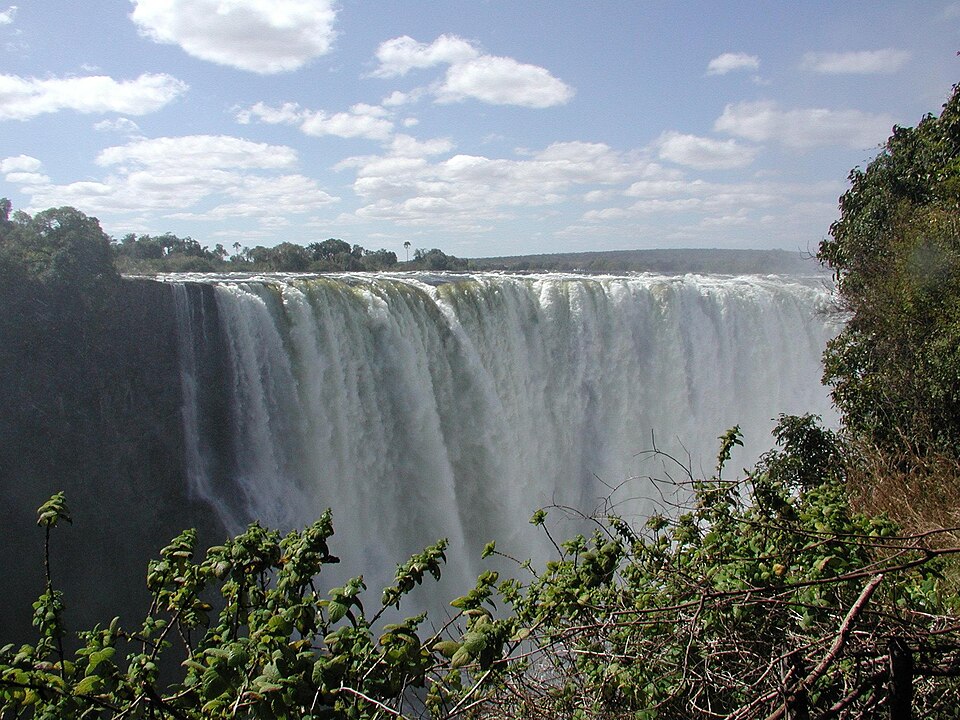
- Source- Public Domain
- The Rainforest Walk: A series of 16 viewpoints allows you to walk the full length of the falls. Each station offers a different perspective of the 1,700-meter-wide chasm.
- Zambezi River Cruises: While the falls are the main attraction, a sunset cruise on the Upper Zambezi is the perfect way to spot hippos and crocodiles while the sky turns a deep, African orange.
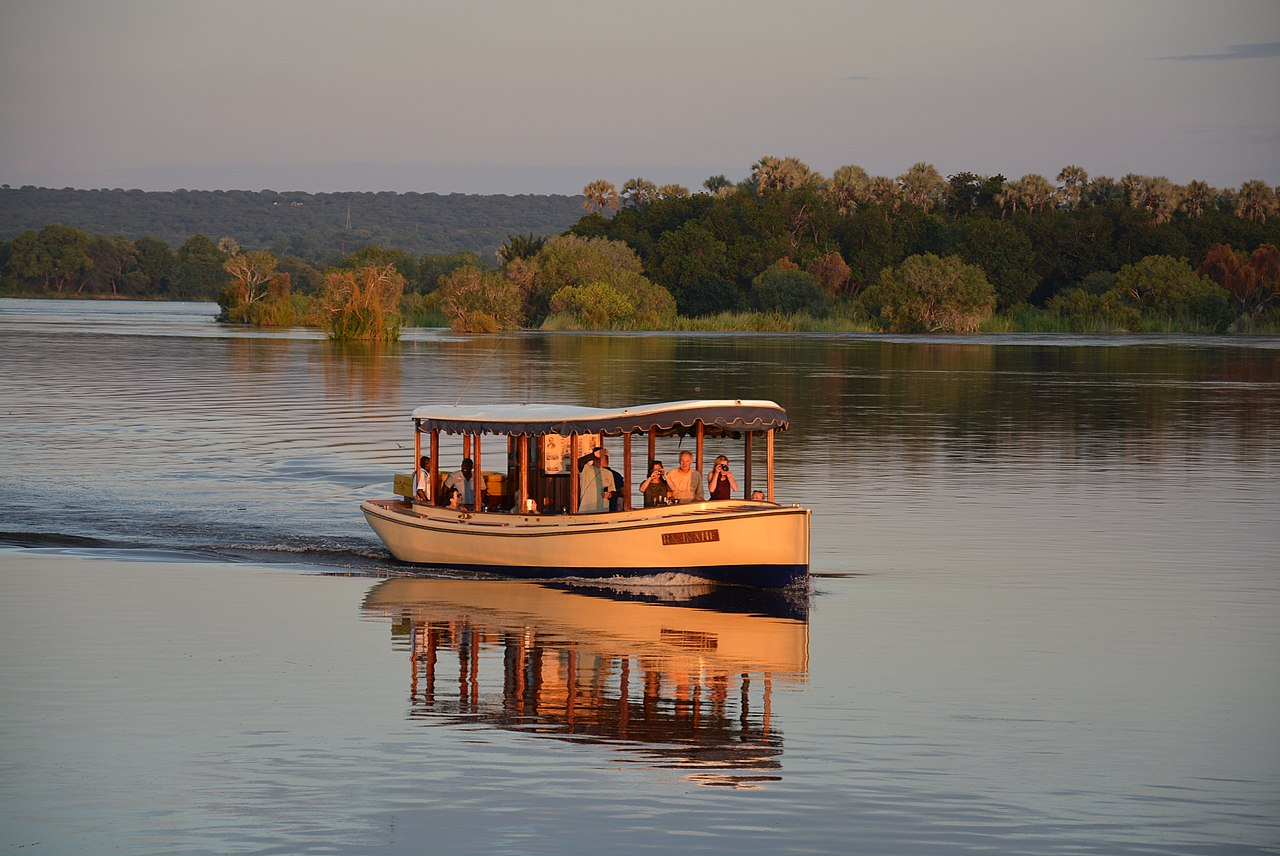
- Source- Tracy Anne Brooks, Wikimedia Commons
2. Hwange: The Sanctuary of Giants
A few hours south of the falls lies Hwange National Park, Zimbabwe’s largest wildlife reserve. Spanning over 14,000 square kilometers, Hwange is world-renowned for its massive elephant populations—estimated to be over 45,000 strong.
- The Presidential Herd: Hwange is home to a famous clan of elephants that have been protected for generations, allowing for incredibly close and peaceful encounters.
- Predator Tracking: The park is a stronghold for the endangered African Wild Dog (Painted Dog). Expert guides use non-invasive tracking techniques to help visitors spot these elusive hunters.
- The "Pan" System: Because Hwange has no major rivers, wildlife congregates around waterholes (pans). Sitting quietly at a "log-pile hide" near a pan offers some of the best armchair safari experiences on the planet.
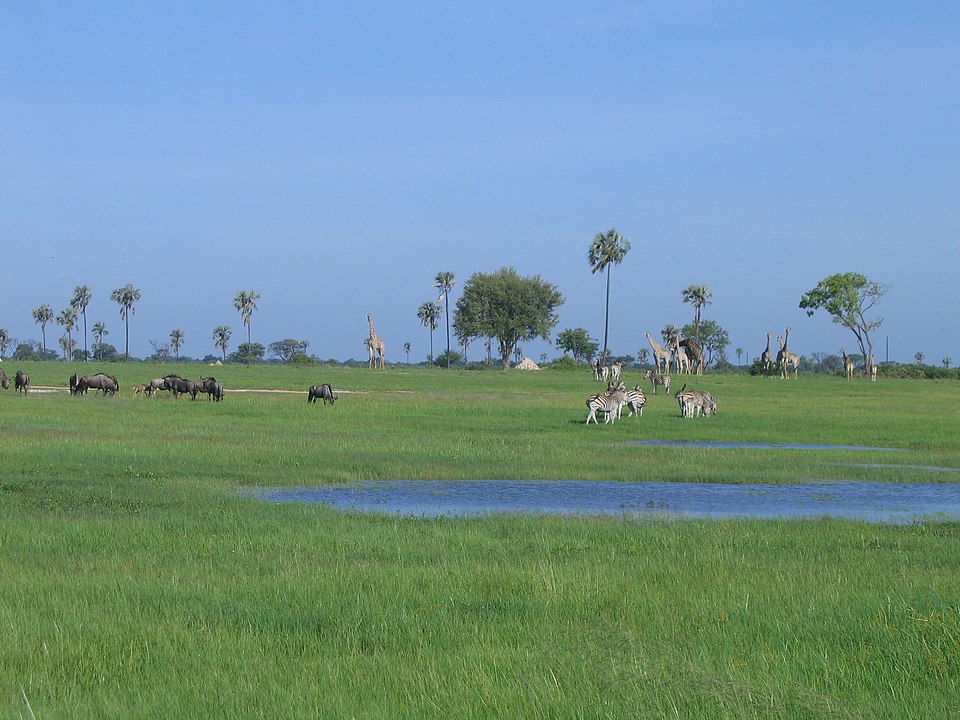
- Source- By Laura (cardamom), CC BY 2.0
3. The Digital Bridge: Staying Connected with an eSIM
Traveling through the Zimbabwean interior is an exercise in freedom, but it shouldn't mean being disconnected from essential safety and logistics. While many remote lodges offer satellite internet, the transition between the airport, the city of Bulawayo, and the national parks requires its own dedicated solution.
The Necessity of a Zimbabwe eSIM: The traditional hassle of hunting for a physical SIM card vendor at Harare or Victoria Falls Airport has become a relic of the past. For the modern traveler, securing a Zimbabwe-compatible eSIM before you even land is a primary logistical essential.
- Instant Connectivity: An eSIM allows you to activate a local data plan the moment you touch down. This is vital for accessing your digital visa (e-visa), coordinating your transfer with your safari operator, and keeping your family updated on your safe arrival.
- Safety in the Wild: If you are opting for a self-drive adventure between Matobo Hills and Great Zimbabwe, a constant data connection via eSIM ensures your GPS is live and you can check real-time road or weather updates.
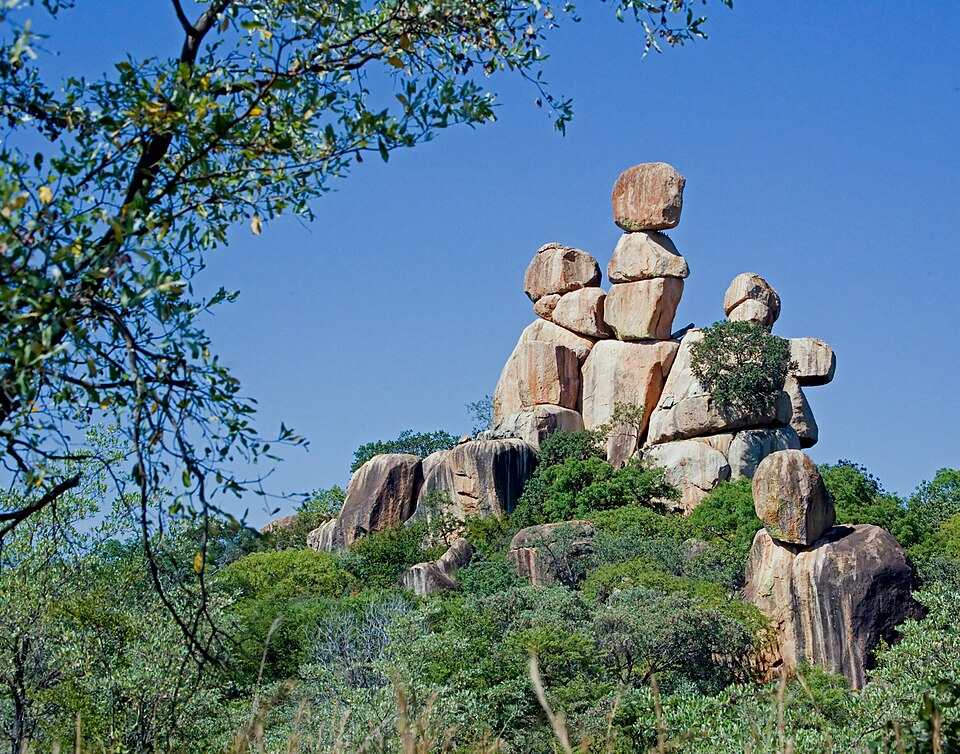
- Source- By Susan Adams - originally posted to Flickr as 0A6O1271.jpg, CC BY-SA 2.0
- Seamless Transition: Unlike physical cards, an eSIM lets you keep your home number active for emergency calls while using affordable local data for maps and research.
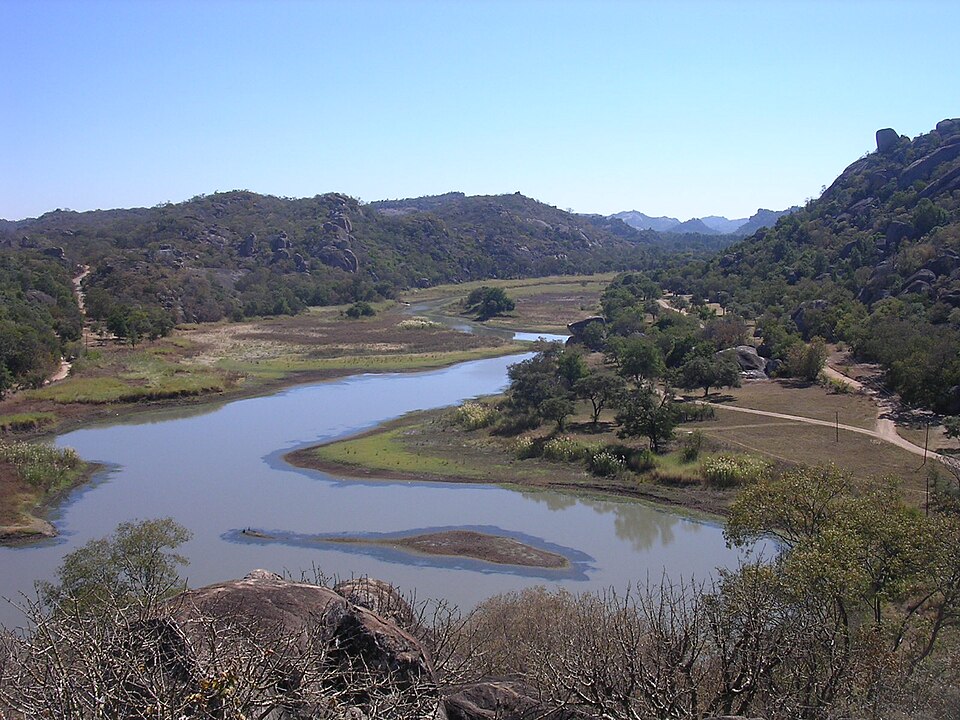
- Matobo National Park. Source- By Babakathy - Own work, Public Domain
4. Great Zimbabwe: The Stone Legacy
The country takes its name from this very site: Dzimba-dza-mabwe, meaning "Great Houses of Stone." Built between the 11th and 15th centuries, Great Zimbabwe was the capital of a vast empire that traded gold and ivory as far as China and Persia.
- The Hill Complex: The oldest part of the ruins, offering a commanding view of the valley below. It served as the spiritual and religious center of the city.
- The Great Enclosure: Featuring walls that rise over 11 meters high—constructed entirely without mortar—this is the most iconic structure on the site. The precision of the stonework, even after 700 years, is a marvel of African engineering.
- The Conical Tower: Tucked within the Great Enclosure, the purpose of this solid stone tower remains one of archaeology's great mysteries, though it is widely believed to have been a royal granary symbol.
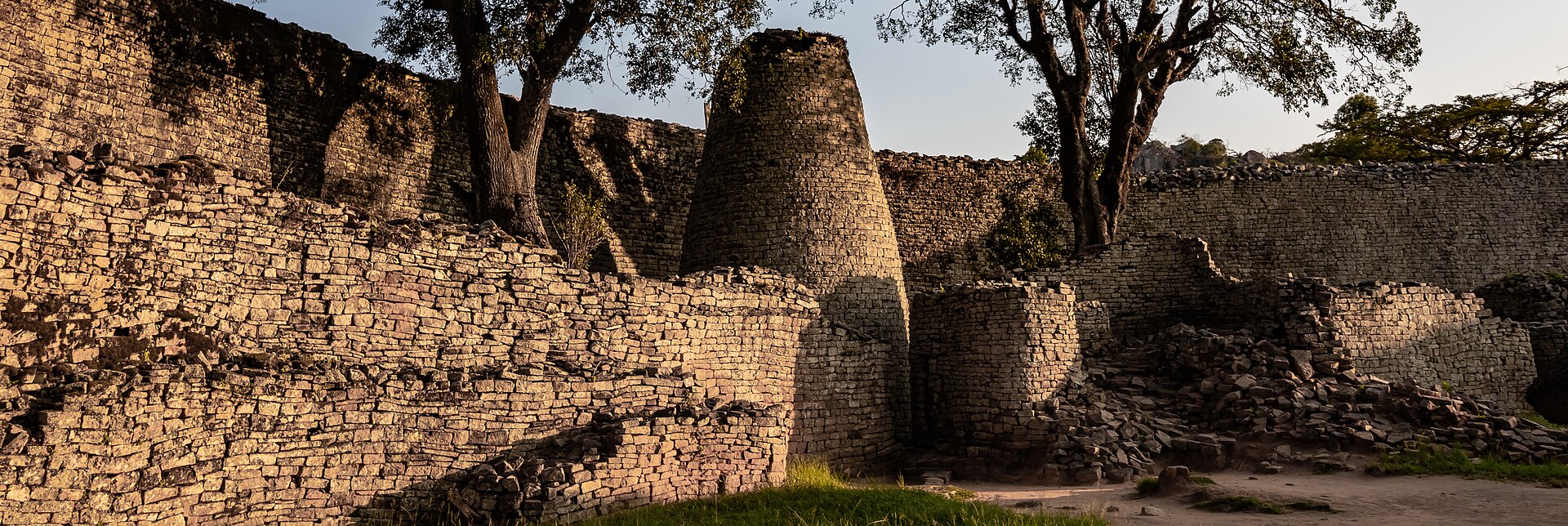
- Source- By Andrew Moore from Johannesburg, South Africa - Conical Tower - Great Enclosure V, CC BY-SA 2.0
5. Culinary Traditions and Etiquette
Zimbabwean culture is deeply rooted in hospitality and respect. For the traveler in 2026, the local table offers a variety of savory, high-quality meals that focus on the fresh bounty of the land.
- Sadza: The undisputed national staple. This thick maize porridge is served with every meal and is traditionally eaten by hand. It is usually accompanied by Beef Stew, leafy greens (muriwo), or sugar beans.
- Savory Game Stews: In many lodges, you can enjoy traditional slow-cooked stews featuring beef, chicken, or local game. Zimbabwean menus are very accommodating to pork-free diets, as these proteins remain the primary culinary focus.
- Etiquette: It is polite to wash your hands before a communal meal—a bowl of water is often passed around. When greeting elders or hosts, a soft clap of the hands is a traditional sign of deep respect.
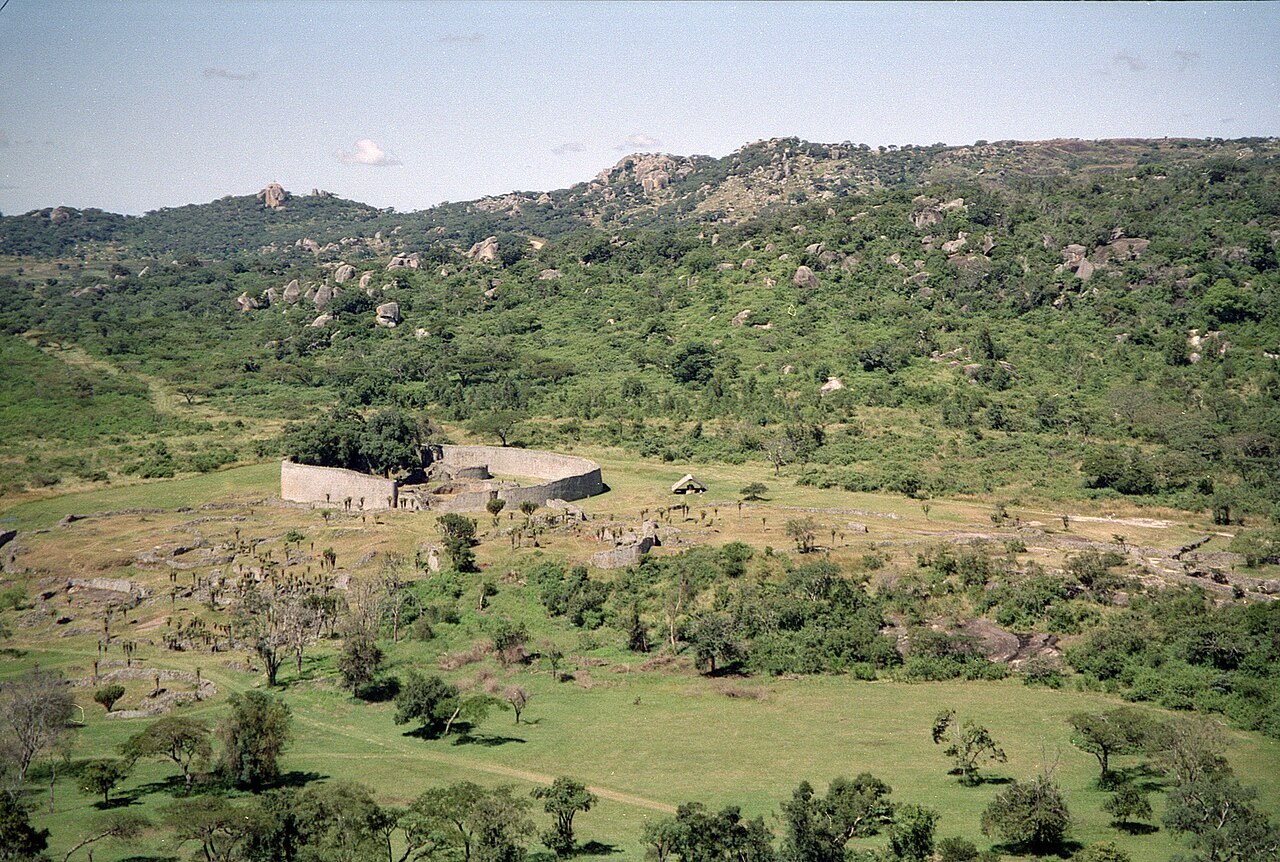
Source- By Image taken by Jan Derk in 1997 in Zimbabwe. - en:Image:Great-Zimbabwe.jpg, Public Domain
6. Essential Travel Logistics
- Visa: Most visitors can obtain a 30-day Tourist Visa on arrival or via the official e-visa portal. The KAZA UNIVISA ($50) is recommended for travel between Zimbabwe and Zambia.
- Currency: The US Dollar (USD) is the primary currency for tourism. Carry small, crisp bills as change can be difficult to find.
- Best Time to Visit: May to October (Dry Season). This is the best time for wildlife viewing as animals congregate at waterholes.
- Health: Zimbabwe is a malaria-risk area. Consult your doctor for prophylaxis and ensure you use insect repellent.
- Connectivity: eSIM is the modern standard for reliable, high-speed data across the country.
Why Zimbabwe?
Zimbabwe is for the traveler who wants to feel the ground shake beneath their feet at the falls and hear the silence of the ancient stones at night. It is a country that rewards those who arrive with a spirit of curiosity and a prepared digital toolkit. By securing your connectivity with an eSIM and traveling with respect for the local culture, you can experience the spectacular, enduring soul of the Great Stone House for yourself.