
Zambia: A Guide to Thundering Falls and Legendary Walking Safaris
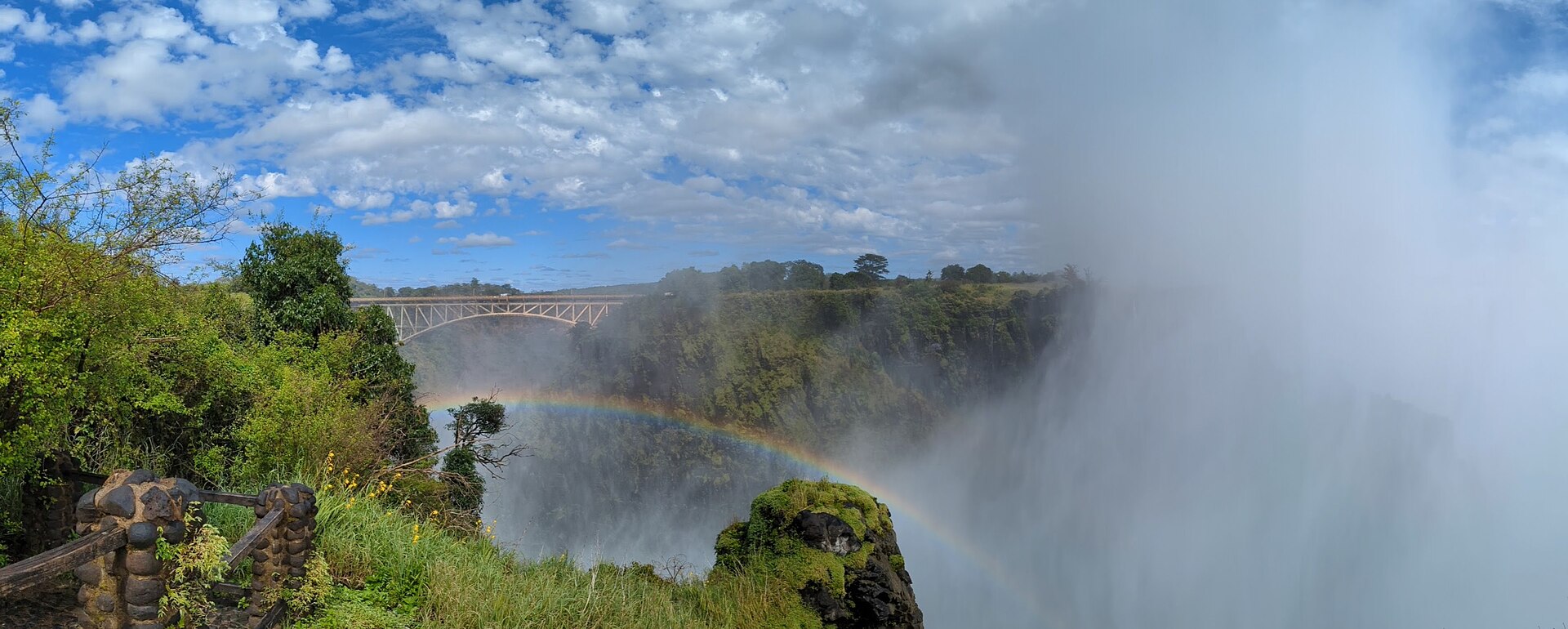
In the world of African travel, Zambia is often whispered about as "The Real Africa." It remains a sanctuary for those who seek the unvarnished, the wild, and the profound. While other destinations have become highly curated, Zambia keeps its fences down and its spirits high. From the sheer power of the Zambezi River to the silent, golden plains of the Luangwa Valley, this is a nation that asks you to put down your binoculars and step into the landscape on foot.
Whether you are a seasoned adventurer or a first-time visitor, Zambia offers a rhythm of life that is both high-energy and deeply soulful. Here is your factual, grounded guide to the Zambian experience.

Source- Joachim Huber, Wikimedia Commons
1. Victoria Falls: Mosi-oa-Tunya
No journey to Zambia is complete without witnessing Victoria Falls, known locally as Mosi-oa-Tunya ("The Smoke that Thunders"). It remains one of the Seven Natural Wonders of the World and a UNESCO World Heritage site.
- The Knife-Edge Bridge: For the most immersive experience, walk across this bridge during high-water season (typically March to June). You will be drenched in the spray of the falls, a refreshing and humbling baptism by the Zambezi.
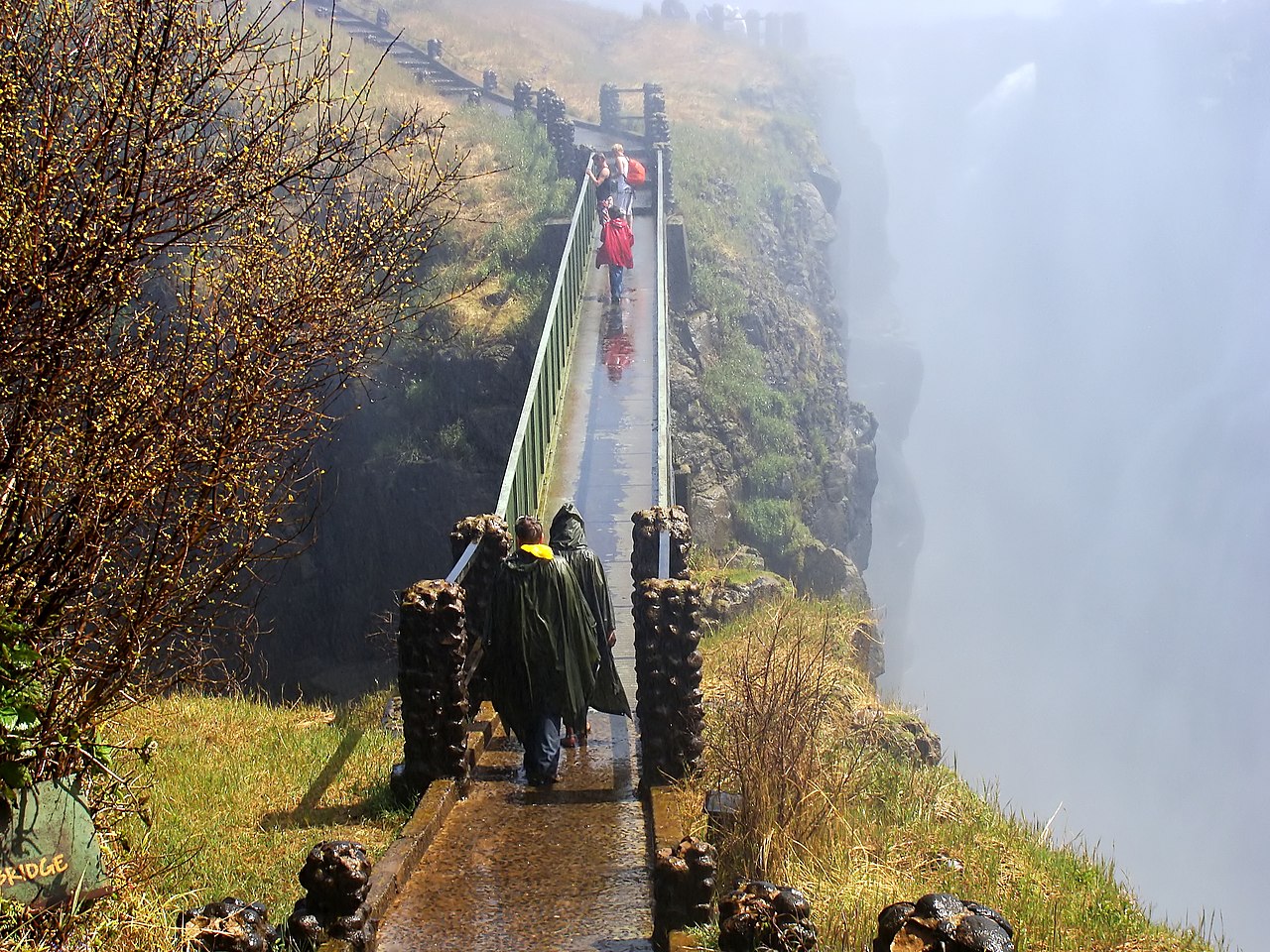
- Source- Hans Hillewaert / CC BY-SA 4.0
- Livingstone Island: In the drier months (September to January), you can visit the very edge of the falls. Standing where the water plunges into the Batoka Gorge offers a perspective of the Earth's raw power that is simply unmatched.
- Microlight Flights: To see the "Smoke" from above, a microlight flight provides a 360-degree view of the zig-zagging gorges and the vast river system feeding the falls.
2. The Safari Soul: South Luangwa and Lower Zambezi
Zambia is the birthplace of the walking safari, a tradition that prioritizes the small details of the bush—tracks, insects, and botany—over a simple checklist.
- South Luangwa National Park: Often called the "Valley of the Leopard," this park has one of the highest concentrations of these elusive cats in Africa. The guiding standards here remain the highest on the continent. A walking safari here isn't just a hike; it’s a masterclass in ecology led by experts who can read the bush like a book.
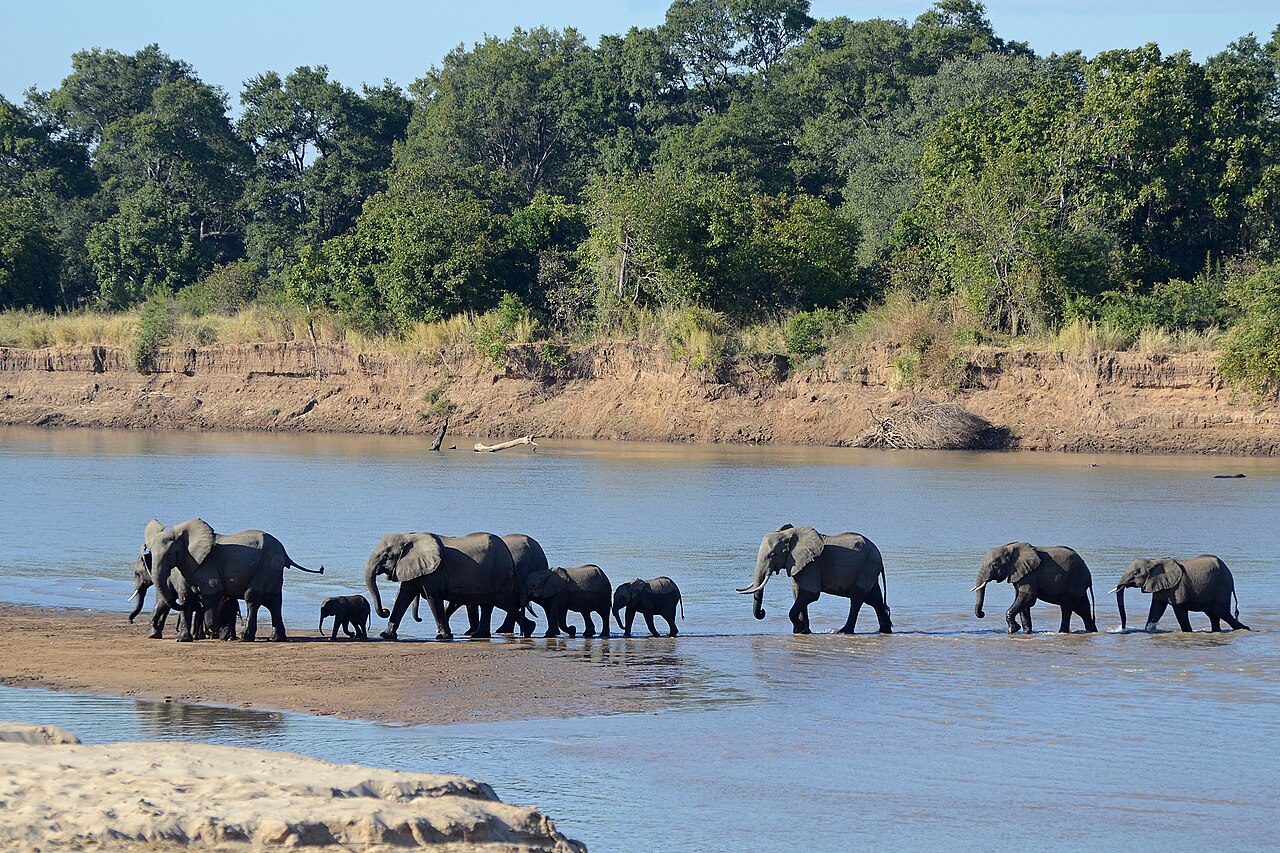
- Source- By Geoff Gallice - Flickr: Luangwa River crossing, CC BY 2.0
- Lower Zambezi National Park: Here, the safari moves to the water. Drifting down the Zambezi in a canoe allows you to glide past herds of elephants drinking at the water’s edge and pods of hippos surfacing just meters away. It is a silent, intimate way to witness the wild.
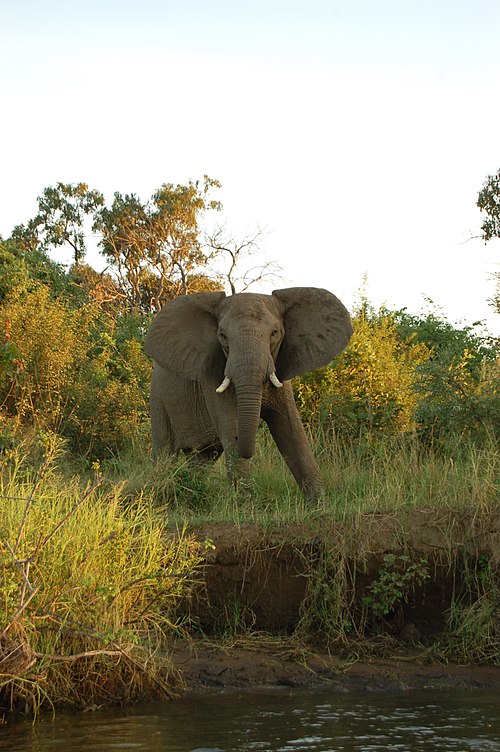
- Source- By Joachim Huber, CC BY-SA 2.0
3. The Digital Lifeline: Why You Need an eSIM
While the Zambian bush is the place to disconnect from the noise of the modern world, the logistics of modern travel require a reliable digital toolkit. Zambia is a vast country, and between coordinating bush flights and navigating the bustling streets of Lusaka or Livingstone, staying online is a primary safety and logistics essential.
The Logistics Challenge
- Real-Time Coordination: Safari camps are often remote, and flight schedules for small bush planes can shift. Having a data connection allows you to stay in touch with your lodge or transfer coordinator in real-time.
- Safety & Navigation: If you are exploring the "Hidden Gems" of the Copperbelt or driving between national parks, a stable GPS is vital. Road conditions can be unpredictable, and live maps are your best friend.
The Solution: To ensure you are connected the moment your plane touches down at Kenneth Kaunda International Airport, securing a Zambia-compatible eSIM before you fly is the smartest move. An eSIM allows you to activate a local 4G or 5G data plan without the need to hunt for a physical SIM kiosk. It ensures your digital documents—like your KAZA UNIVISA or health certificates—are always accessible on your device, providing digital independence that paper maps simply cannot match.
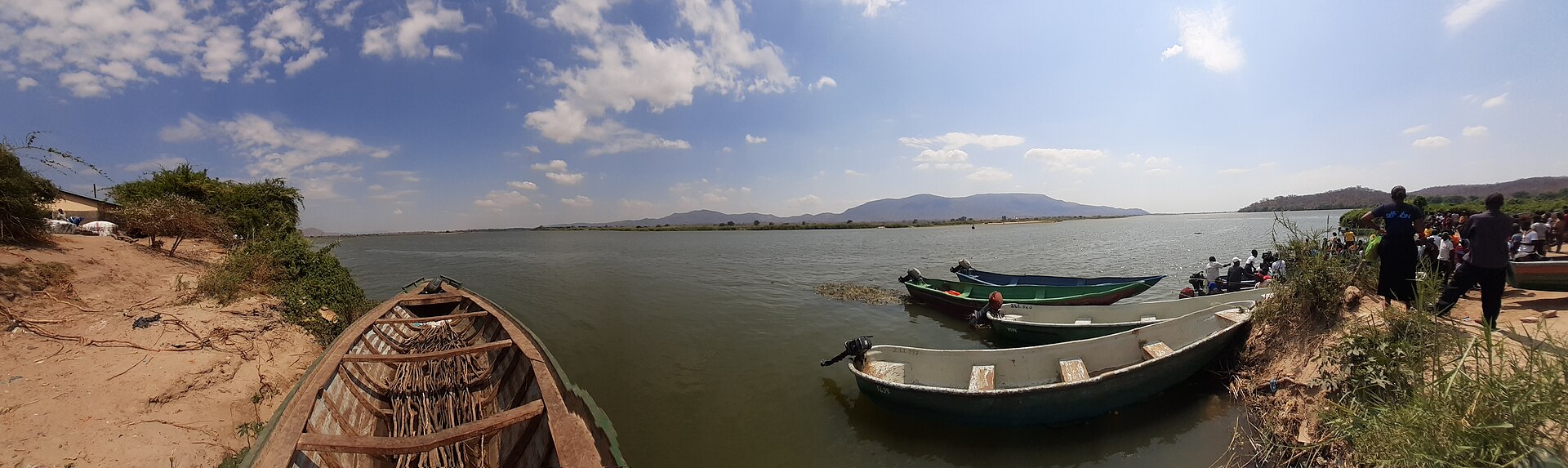
Luangwa river. Source- By Icem4k - Own work, CC BY-SA 4.0
4. A Taste of Zambia
Zambian cuisine is a celebration of the land. For travelers seeking high-quality, savory, and authentic meals, the local menu is a treasure trove of flavor.
- Nshima: The cornerstone of every Zambian meal. This is a thick, white porridge made from finely ground maize. It is traditionally eaten by hand and used to scoop up various "relishes."
- Ifisashi: A delicious and nutritious stew made from leafy greens mixed with a rich, savory peanut sauce. It is a staple that perfectly complements the mild flavor of Nshima.
- Chikanda: Often called "African Polony," this is a unique vegetarian delicacy made from wild orchid tubers, peanuts, and chili. It has a meaty texture and a savory, nutty taste.
- Kapenta: Small, sardine-like fish from Lake Tanganyika or Lake Kariba. Usually dried and then fried with tomatoes and onions, they are a protein-rich and flavorful accompaniment to Nshima.
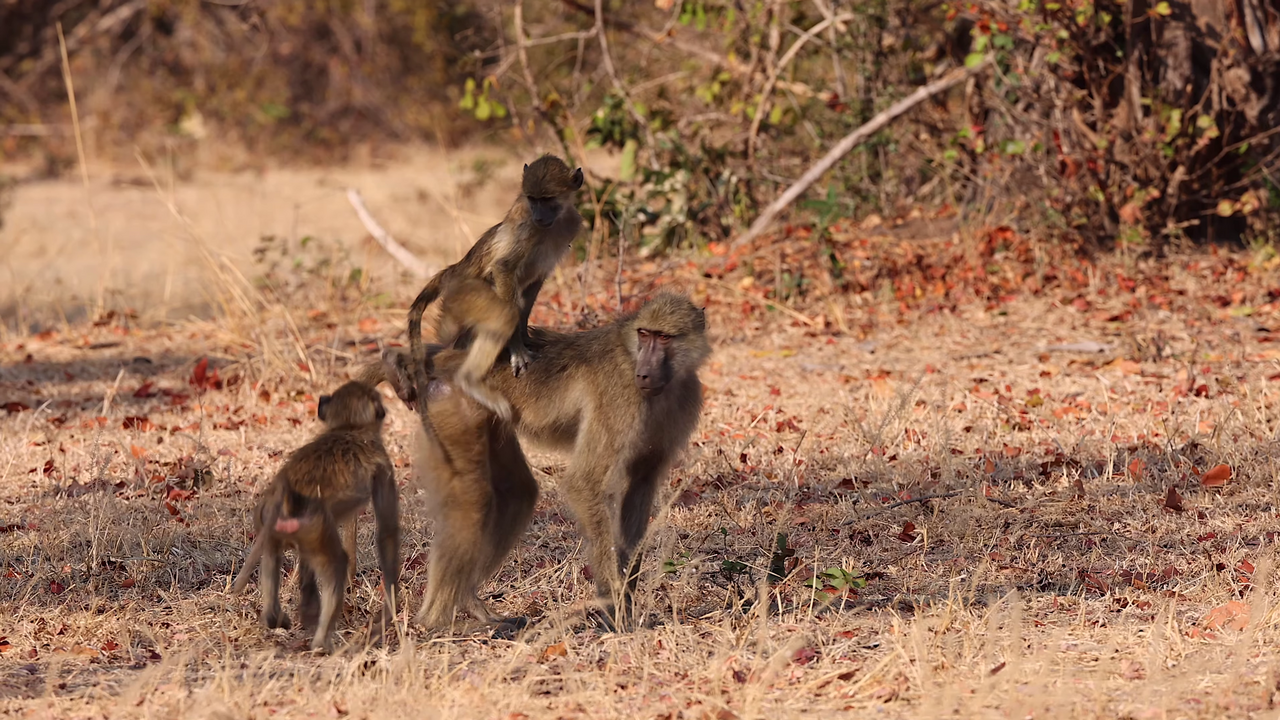
Monkeys in South Luangwa National Park. Source- By Jae zambia - Own work, CC BY-SA 4.0
5. Essential Logistics
- Visas: The KAZA UNIVISA ($50) is the best value, allowing multiple entries between Zambia and Zimbabwe. Check the official e-visa portal for any updates.
- Health: Malaria prophylaxis is highly recommended. A Yellow Fever certificate is required if you are traveling from an endemic country.
- Connectivity: eSIM is the recommended standard. Provision your data plan before arrival for instant connectivity.
- Best Time: June to October is the dry season, offering the best wildlife sightings as animals congregate around water sources.
Why Zambia?
Zambia is a destination that rewards the curious and the patient. It is a place where you don't just see the wild; you feel it beneath your boots. By preparing your logistics early—securing your digital connection with an eSIM and booking your walking camps a year in advance—you can witness the spectacular, raw beauty of the African bush for yourself.