
Yemen: A Journey Through the Crossroads of Antiquity
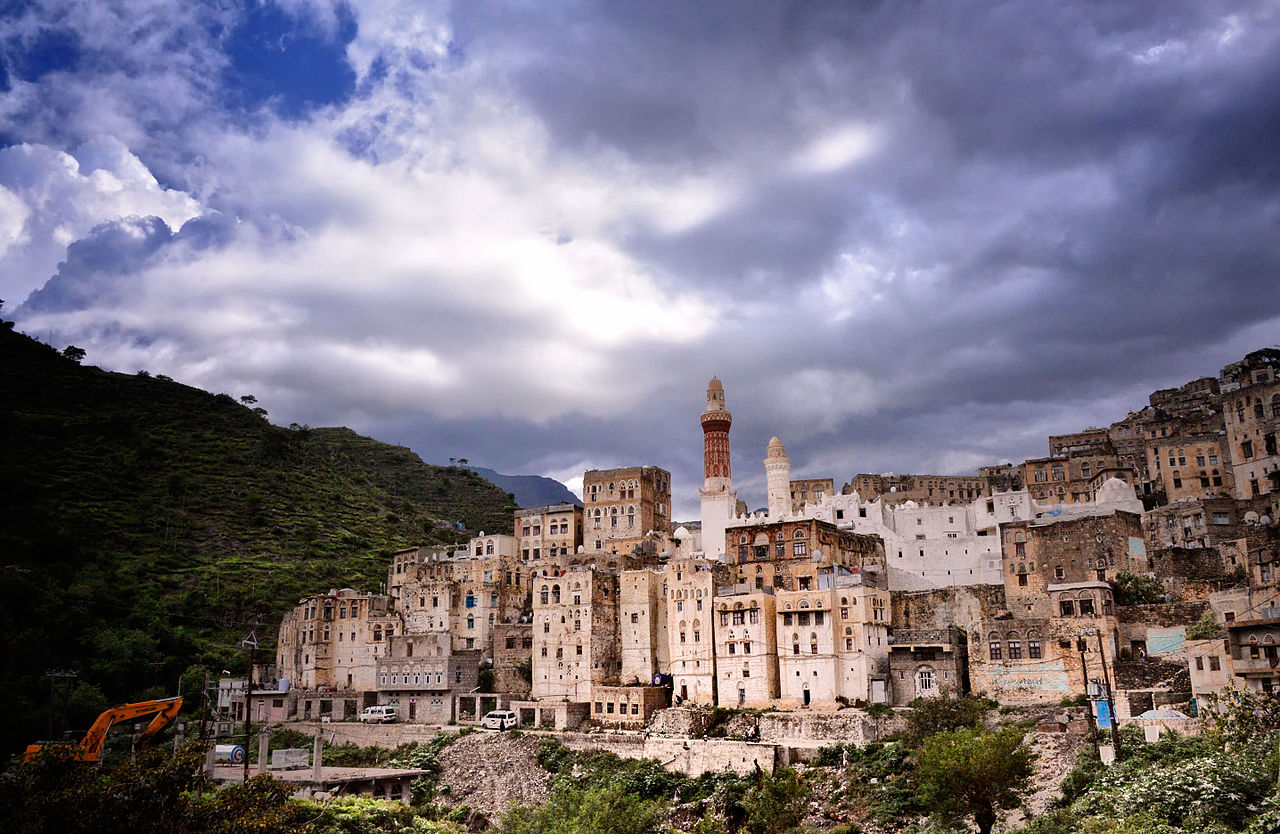
Yemen is a land that exists at the intersection of myth and reality. Often referred to as the "cradle of the Arab world," it is a country where 2,000-year-old traditions aren't just preserved in museums but are lived in the daily rhythm of its residents. Yemen remains a destination for the most resilient and mindful travelers—those who look beyond the headlines to find a landscape of staggering architectural beauty and deep-rooted hospitality.
From the vertical mud-brick cities of the desert to the fertile, terraced highlands of the west, Yemen packs a historical density that few other nations can match. Here is your factual, grounded guide to the heart of the Arabian Peninsula.
1. Sana’a: The Old City of Stone and Light
The capital city, Sana’a, is one of the oldest continuously inhabited cities in the world. Its Old City, a UNESCO World Heritage site, is a labyrinth of over 6,000 houses built before the 11th century.
- The Architecture of Gingerbread: The houses here are famous for their unique construction—dark brown basalt and brick decorated with intricate, white gypsum patterns. At night, with the light glowing through stained-glass qamariya windows, the city feels like an illustration from a prehistoric fairy tale.
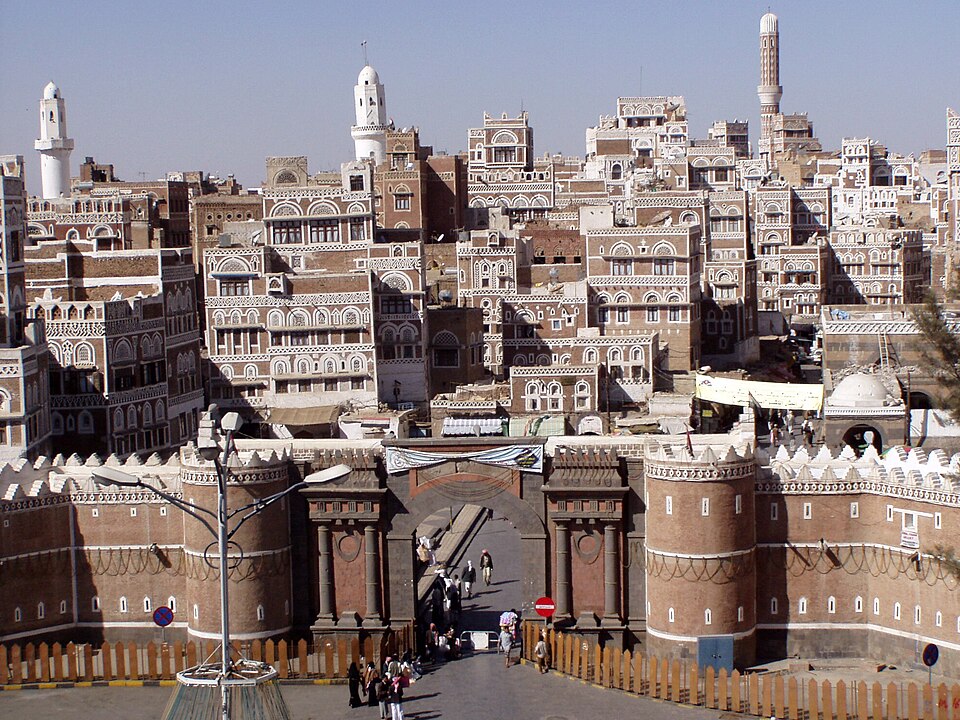
- Gingerbread Architecture and Bab al-Yaman. Source- By Dan from Brussels, Europe - Bab-ul-Yemen, Sana'a, CC BY-SA 2.0
- Bab al-Yaman: The "Gate of the Yemen" is the grand entry point to the Old City. Passing through it leads you into the Souq al-Milh, where the scent of frankincense, myrrh, and freshly roasted coffee has defined the air for millennia.
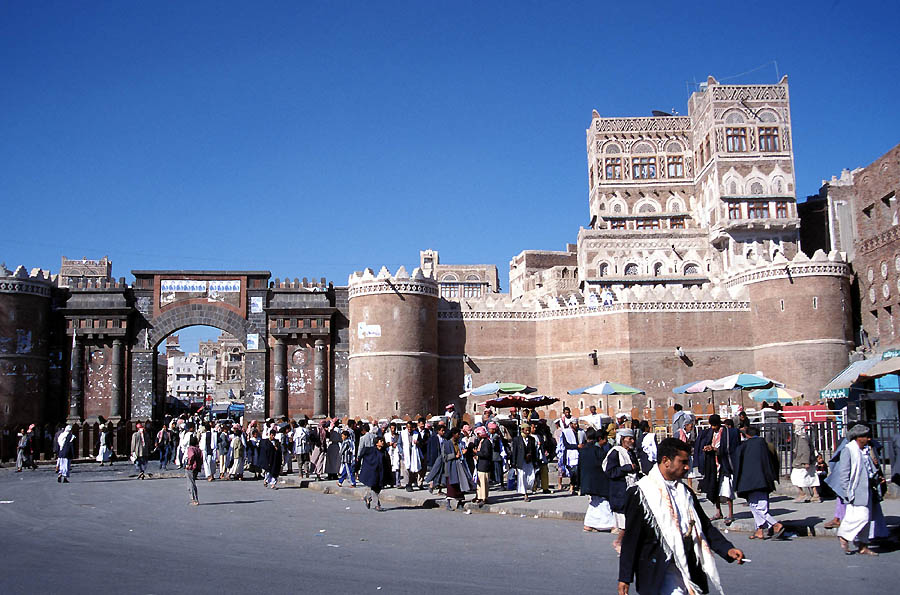
- Source- By Jialiang Gao www.peace-on-earth.org - Original Photograph, CC BY-SA 3.0
- The Great Mosque: One of the earliest mosques in Islamic history, it remains a center of learning and spiritual significance, standing as a testament to the city's role as a bridge between the ancient and the modern.
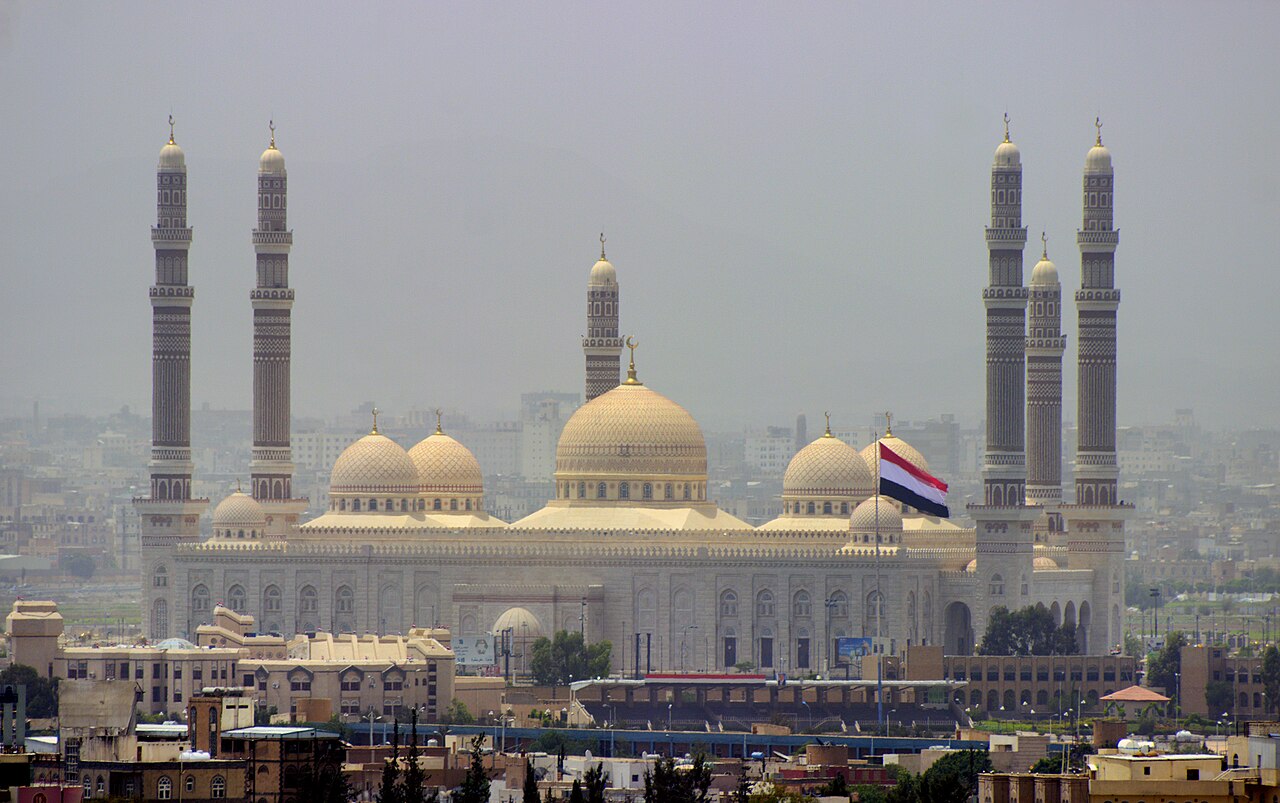
- Source- By المصور أنس الحاج - جامع - الصالح, CC BY-SA 2.0
2. Shibam: The Manhattan of the Desert
Located in the Hadhramaut Valley, Shibam is a sight that defies geological logic. Rising abruptly from the desert floor are hundreds of seven-story skyscrapers made entirely of mud.
- Vertical Wisdom: Built in the 16th century to protect the inhabitants from floods and nomadic raids, Shibam is the oldest example of vertical urban planning in the world.
- Wadi Dawan: This nearby valley is home to villages that cling to steep cliffs like swallows' nests. It is also world-renowned for its Sidr Honey, a rare and expensive nectar harvested from the Sidr tree, often called the "Manuka of the Middle East."
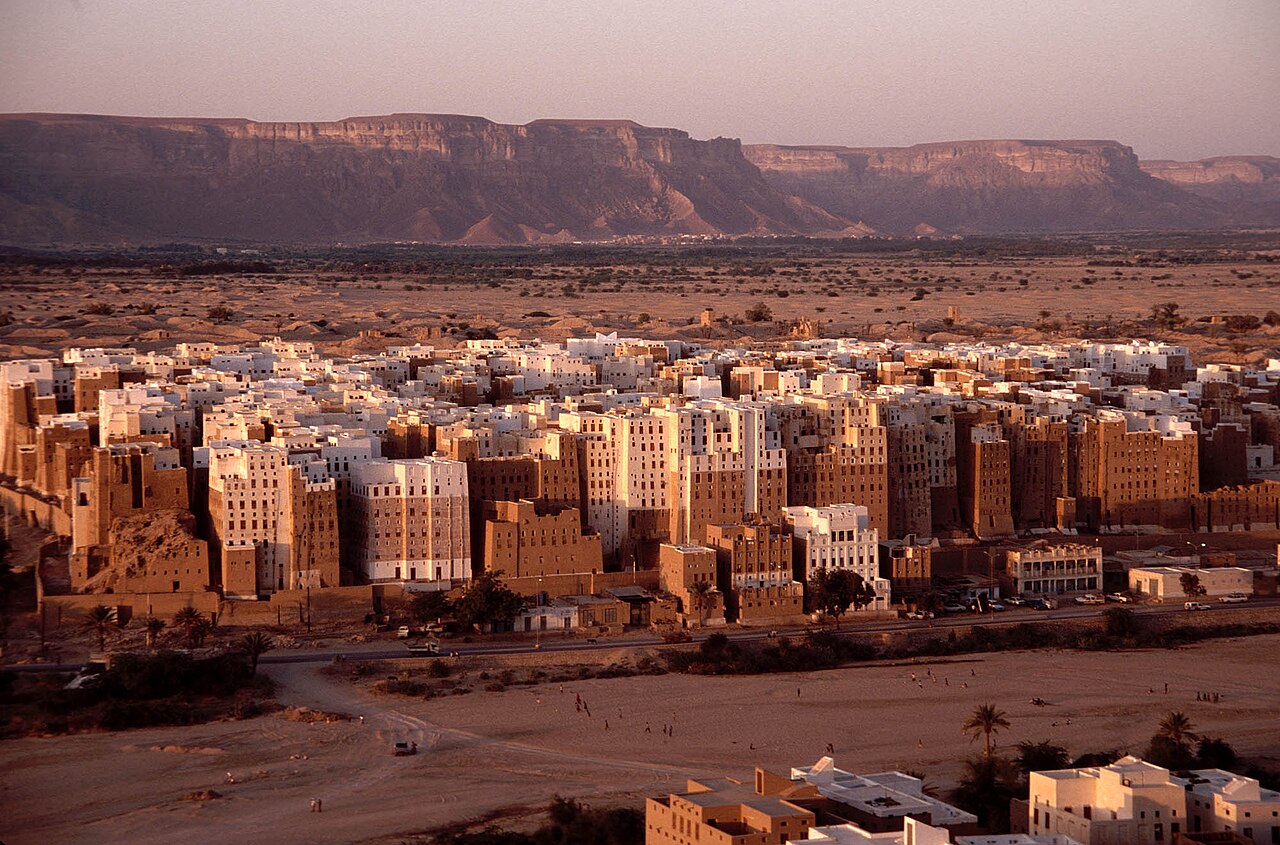
- Source- By Jialiang Gao www.peace-on-earth.org [dead link] - Original Photograph, CC BY-SA 3.0
3. The Digital Compass: Why You Need an eSIM
Navigating Yemen is a task that requires both traditional local knowledge and high-speed digital tools. While the country is a place of deep history, its logistical landscape is rapidly changing, making a reliable data connection a primary safety and coordination essential.
The Logistics Challenge
- Real-Time Coordination: Travel in the mainland often requires navigating multiple regional administrative zones. Having a live connection allows you to coordinate with local guides, check for real-time updates on transport routes, and stay informed about local travel advisories.
- Safety and Navigation: Outside of the major cities, road signage can be virtually non-existent. A stable data line ensures your GPS remains active and your digital copies of travel permits—which are strictly checked at internal checkpoints—are always accessible.
The Solution: To avoid the complexity of finding a physical SIM kiosk in a city like Aden or Sana’a, securing a Yemen-compatible eSIM before you arrive is the most efficient choice.
- Instant Activation: An eSIM allows you to connect to local 4G/LTE networks the moment you land.
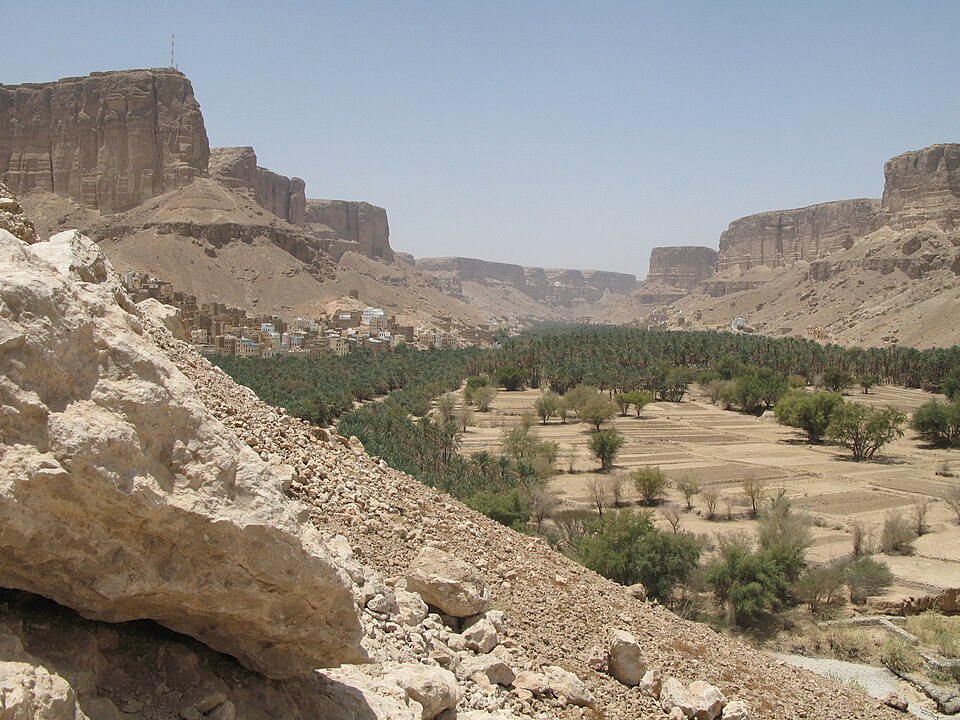
Wadi Dawan, Yemen. Source- By Ljuba brank - Own work, CC BY-SA 4.0
4. A Taste of the Peninsula
Yemeni cuisine is the soul of the Arabian table. It is a hearty, flavorful diet that relies on fresh spices and communal dining.
- Saltah: The national dish. This bubbling meat stew is topped with a frothy layer of hilba (whipped fenugreek) and served in a scorching-hot stone bowl. It is traditionally eaten with fresh, hand-torn rashoush bread.
- Mandi: A legendary dish where lamb or chicken is slow-cooked in an underground tandoor oven. The fat from the meat drips onto the basmati rice below, infusing it with a rich, smoky essence.
- Fahsa: A variation of Saltah, this thick stew features shredded beef or lamb in a spicy, aromatic broth, perfect for a cold morning in the highlands.
- Bint al-Sahn: A sweet, multi-layered "honey cake" sprinkled with nigella seeds. It is a symbol of Yemeni hospitality, usually served to guests as a gesture of respect.
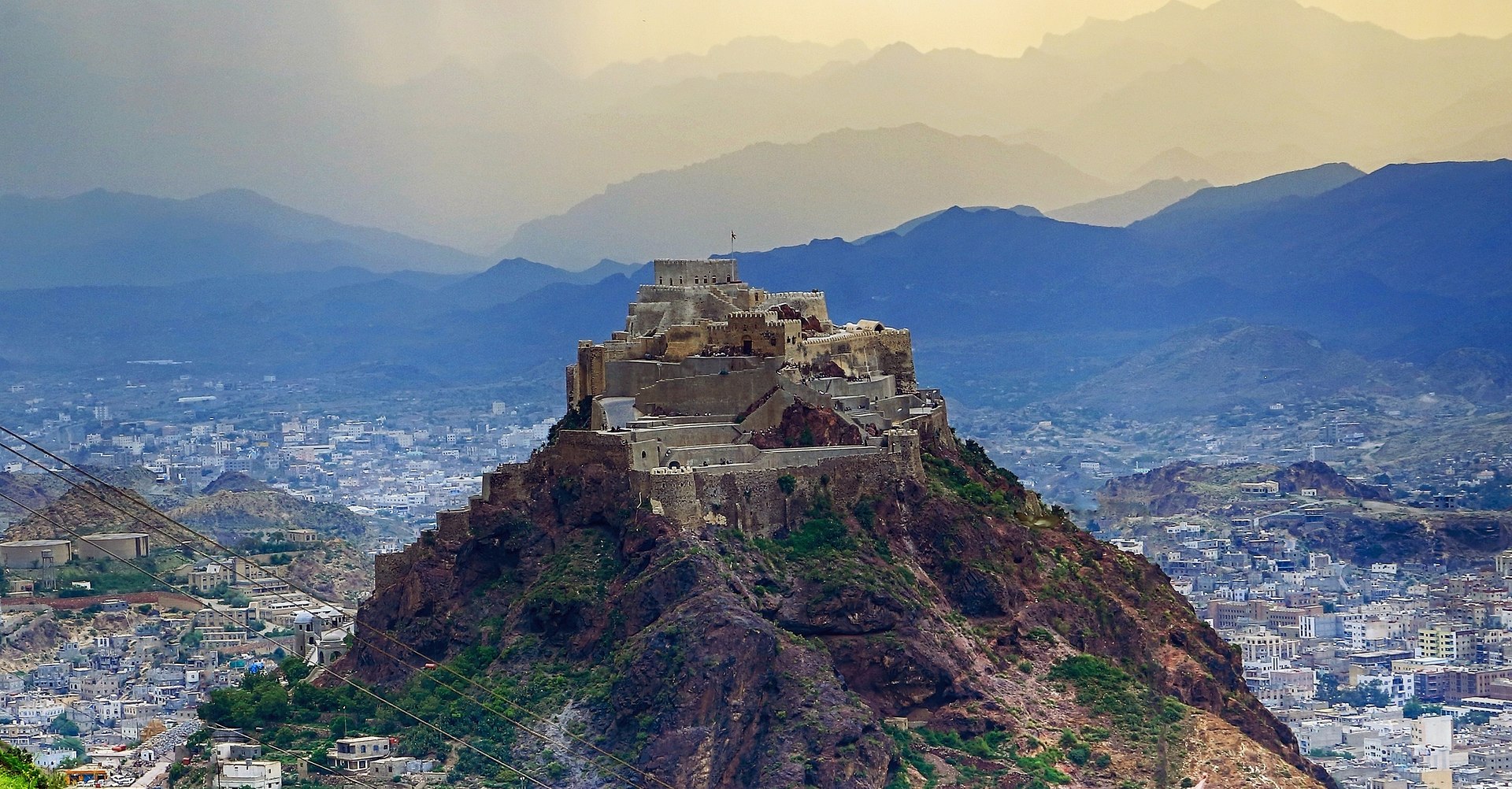
Al-Qahira Castle in Taiz. Source- By المصور أنس الحاج - قلعة القاهرة تعز, CC BY-SA 2.0
5. Essential Travel Logistics
- Entry Requirements: All travelers require a visa, and most nationalities must also obtain a specific security clearance before arrival. It is highly recommended to work with a reputable local travel agency to manage these permits.
- Currency: The Yemeni Rial (YER). This is a cash-based economy. Bring crisp, unblemished US Dollar bills (printed after 2021) to exchange, as credit cards are not accepted outside of high-end hotels.
- Safety: The security situation in Yemen is complex. Independent travel is not recommended; always travel with a trusted local guide and stay updated via your eSIM on regional security alerts.
- Modesty: Yemen is one of the most conservative societies in the world. Both men and women should dress modestly, covering shoulders and knees. In traditional areas, women may feel more comfortable wearing a long abaya.
Why Yemen?
Yemen is a destination that asks you to be more than a tourist. It asks you to be a witness to a culture of incredible resilience and a landscape of unparalleled beauty. By securing your digital connection with an eSIM for seamless coordination and traveling with a spirit of deep respect for local customs, you can witness the spectacular, enduring soul of the Arabian Peninsula.