
Western Sahara: Where the Great Desert Meets the Atlantic
Western Sahara is a land of profound silence and spectacular scale. It is one of the few places on the planet where the golden dunes of the world’s largest hot desert collide directly with the crashing turquoise waves of the North Atlantic. It remains an "off-the-beaten-path" sanctuary for those seeking raw beauty, world-class water sports, and the enduring traditions of the Sahrawi people.
Most travel here centers around the coastal city of Dakhla, a peninsula that stretches 40 kilometers into the ocean, creating a protected lagoon that has become a global magnet for eco-travelers and adventurers.
1. Dakhla: The Jewel of the Rio de Oro
Dakhla, formerly known as Villa Cisneros, is the administrative and tourist heart of the region. It sits on the "Rio de Oro" (River of Gold), a name given by Spanish explorers who were mesmerized by the way the sun reflects off the lagoon's waters.
- Kitesurfing Capital: The Dakhla Lagoon is world-renowned for its consistent winds and flat, shallow water. It has solidified its reputation as one of the best places on Earth to learn or master kitesurfing.
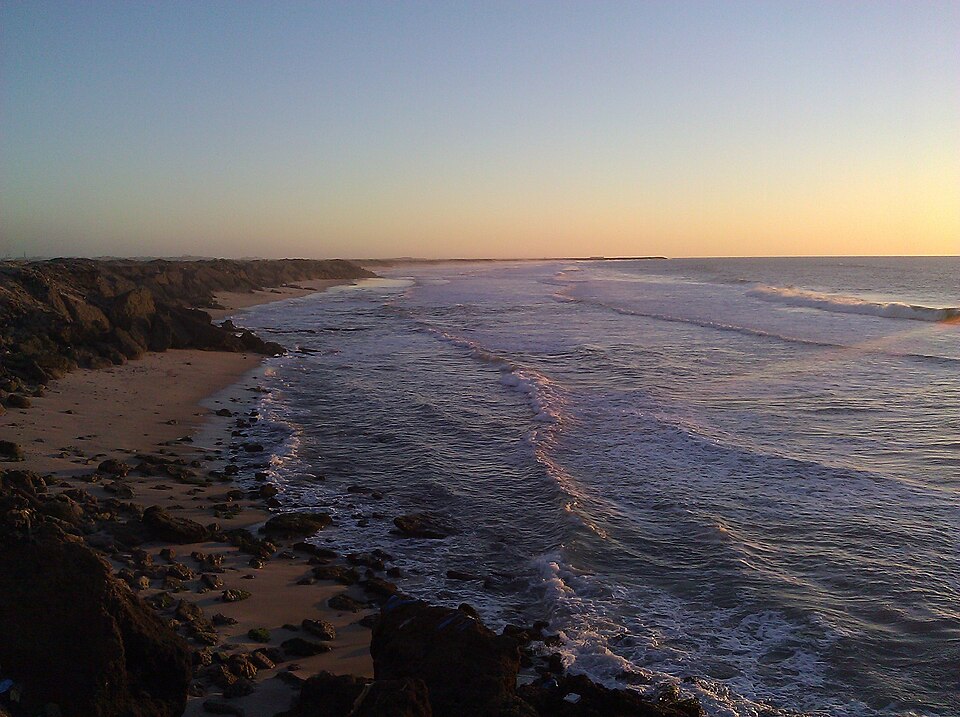
- Source- By YoTuT from United States - Dakhla, Western SaharaUploaded by ecemaml, CC BY 2.0
- Dragon Island: A short catamaran or kayak trip across the lagoon brings you to this uninhabited island, named for its resemblance to a sleeping dragon. At low tide, you can walk through the shallows to find rare seashells and watch pink flamingos wading in the distance.
- White Dune (La Dune Blanche): This massive, towering sand dune rises directly out of the lagoon. It is a striking natural phenomenon where the white sand creates a sharp contrast against the deep blue water. Climbing to the top offers a 360-degree view of the desert’s edge.
2. The Digital Compass: Navigating the Sahara with an eSIM
Western Sahara is a vast, sparsely populated territory where the landscape can change from a paved coastal road to an unmarked desert track in minutes. Staying connected is not just a convenience—it is a primary safety and logistical essential.
The Connectivity Challenge Because the territory is largely administered by Morocco, the telecommunications infrastructure is integrated with the Moroccan network. However, physical SIM card shops can be difficult to find once you leave the center of Dakhla or Laayoune. In the deep desert, where Wi-Fi is nonexistent, having a reliable data line is vital for:
- Real-Time GPS: Navigating to remote spots like the Imlili Sebkha (permanent saltwater pools in the middle of the desert) requires precise satellite maps.
- Safety Coordination: If you are heading out on a 4x4 safari, you must be able to check weather alerts for sandstorms and maintain contact with your local guides.
The Solution: To ensure you are connected the moment your flight touches down at Dakhla Airport, securing a Morocco-compatible eSIM before you fly is the smartest move.
- Instant Activation: An eSIM allows you to activate a local 5G or 4G data plan remotely.
- Reliable Coverage: An eSIM ensures you can use real-time translation tools, access your digital permits, and keep your primary number active for emergencies while enjoying high-speed local data.
Source- By YoTuT from United States - Dakhla, Western Sahara, Uploaded by ecemaml, CC BY 2.0
3. Into the Desert: The Imlili Pools and Beyond
For those who wish to see the desert’s more mysterious side, a journey inland is a must.
- The Imlili Sebkha: About 100 km south of Dakhla lies a series of deep, natural saltwater pools in the middle of the arid plains. Remarkably, these pools are home to small, vibrant fish—a biological enigma that continues to fascinate scientists.
- Source- Dakhla Vibes Adventures, CC BY 4.0, via Wikimedia Commons
- Assmae Spring: A thermal sulfur spring where the water reaches temperatures of 38°C. It is a favorite spot for locals and travelers alike to enjoy a natural "power shower" in the middle of the desert, known for its mineral-rich, skin-soothing properties.
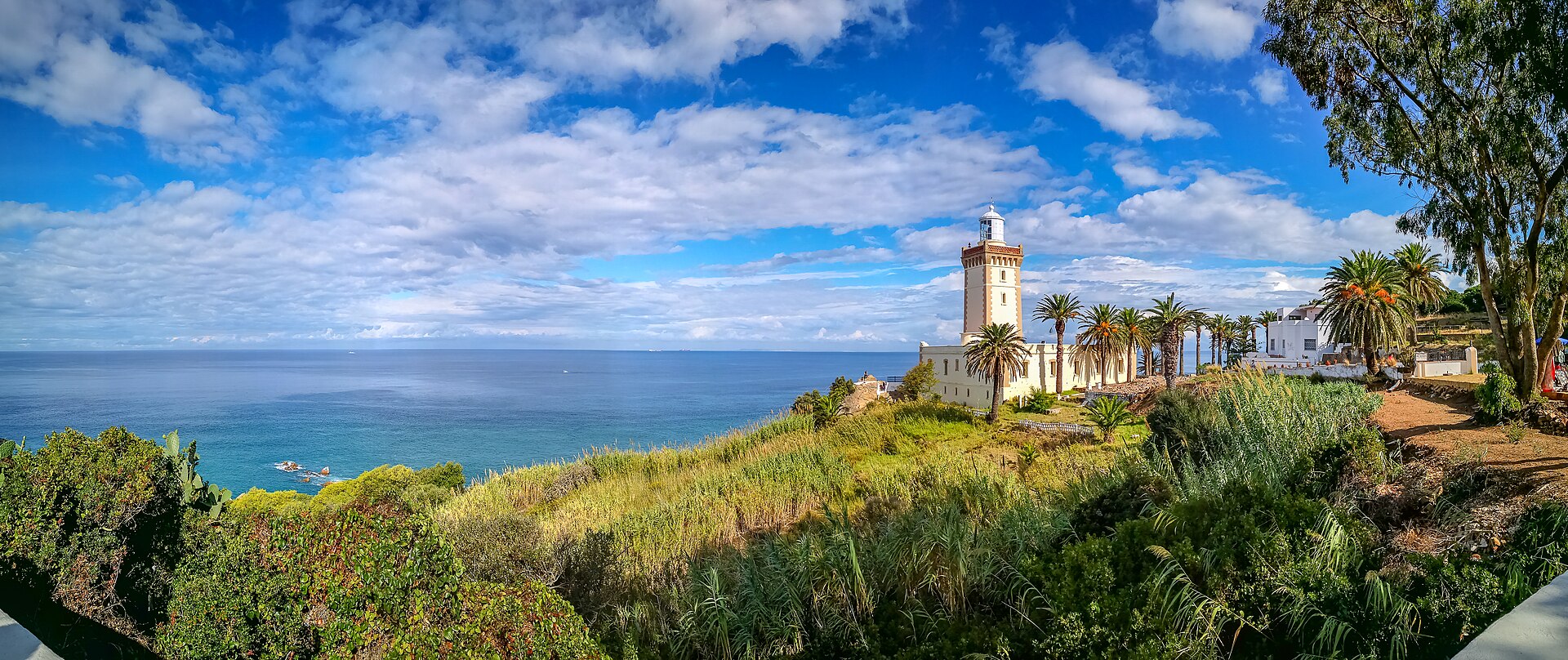
- The Spanish Lighthouse: A lonely, historic sentinel standing on the cliffs a few miles from the city, offering a quiet place to watch the Atlantic swells crash against the Saharan shelf.
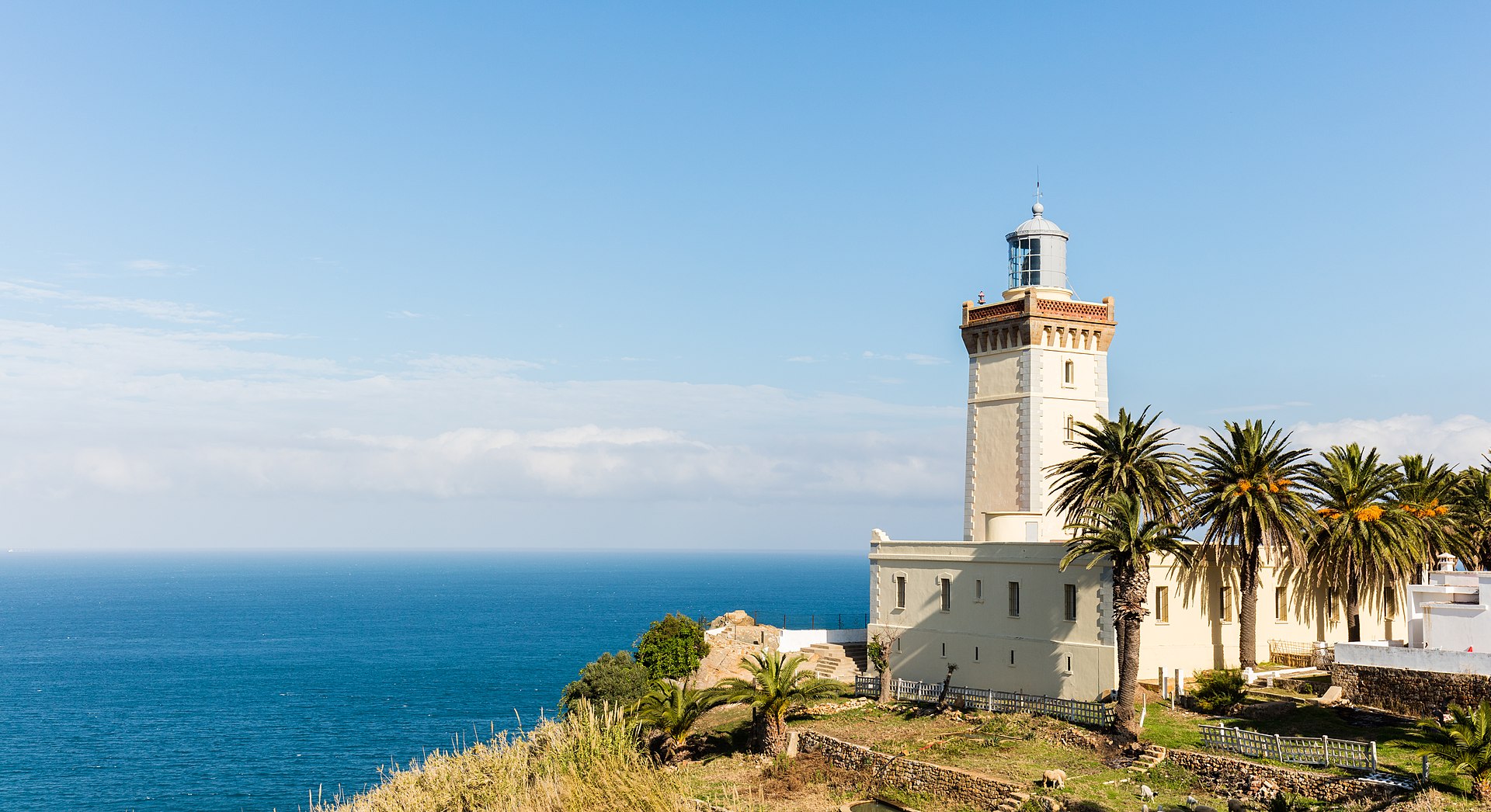
- Cape Spartel lighthouse. Source- By Diego Delso, CC BY-SA 4.0
4. A Taste of the Sahara
The cuisine here is a beautiful fusion of Moroccan flavors and Sahrawi nomadic traditions. The focus is on the bounty of the Atlantic and the livestock of the desert.
- Dakhla Oysters: The lagoon is one of the cleanest environments for oyster farming in the world. Enjoying them fresh at an oyster farm at the edge of the water is a quintessential Dakhla experience.
- Sahrawi Tea (The Ritual): In Western Sahara, tea is more than a drink; it is an act of hospitality. The ritual involves pouring the tea from a great height to create a thick foam. Traditionally, you drink three glasses: the first is "bitter like life," the second "sweet like love," and the third "gentle like death."
- Camel Tagine: A local specialty. The meat is slow-cooked in a conical clay pot with dates, prunes, and local spices until it is incredibly tender. It is a savory, protein-rich dish that represents the nomadic heritage of the region.
- Couscous Friday: Following the wider regional tradition, Friday is the day for a massive communal platter of steamed semolina topped with a mountain of seven vegetables and savory beef or lamb.
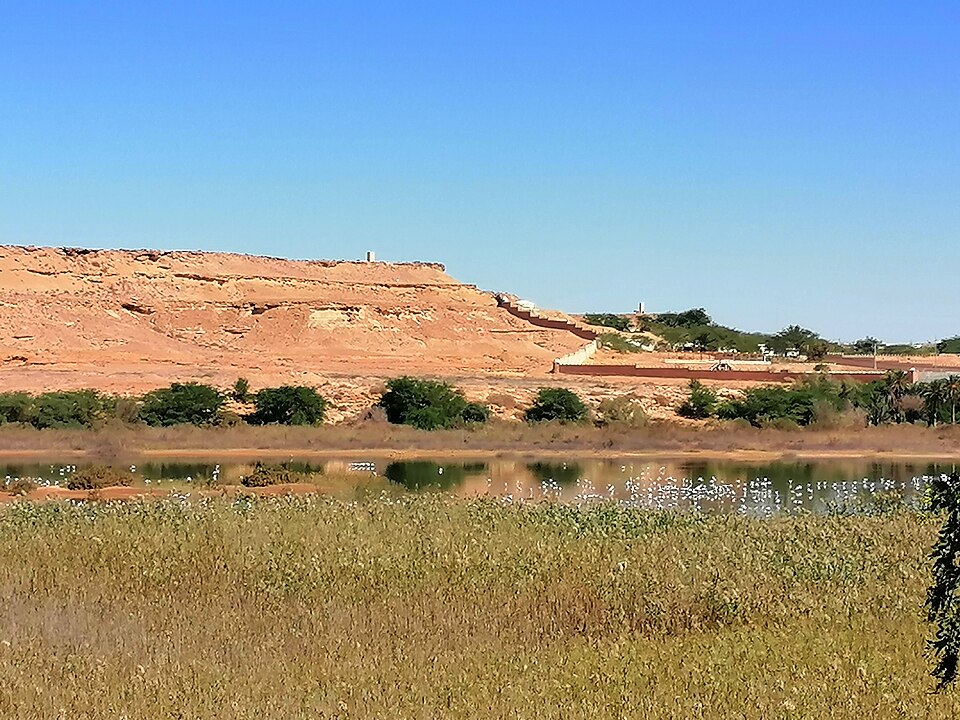
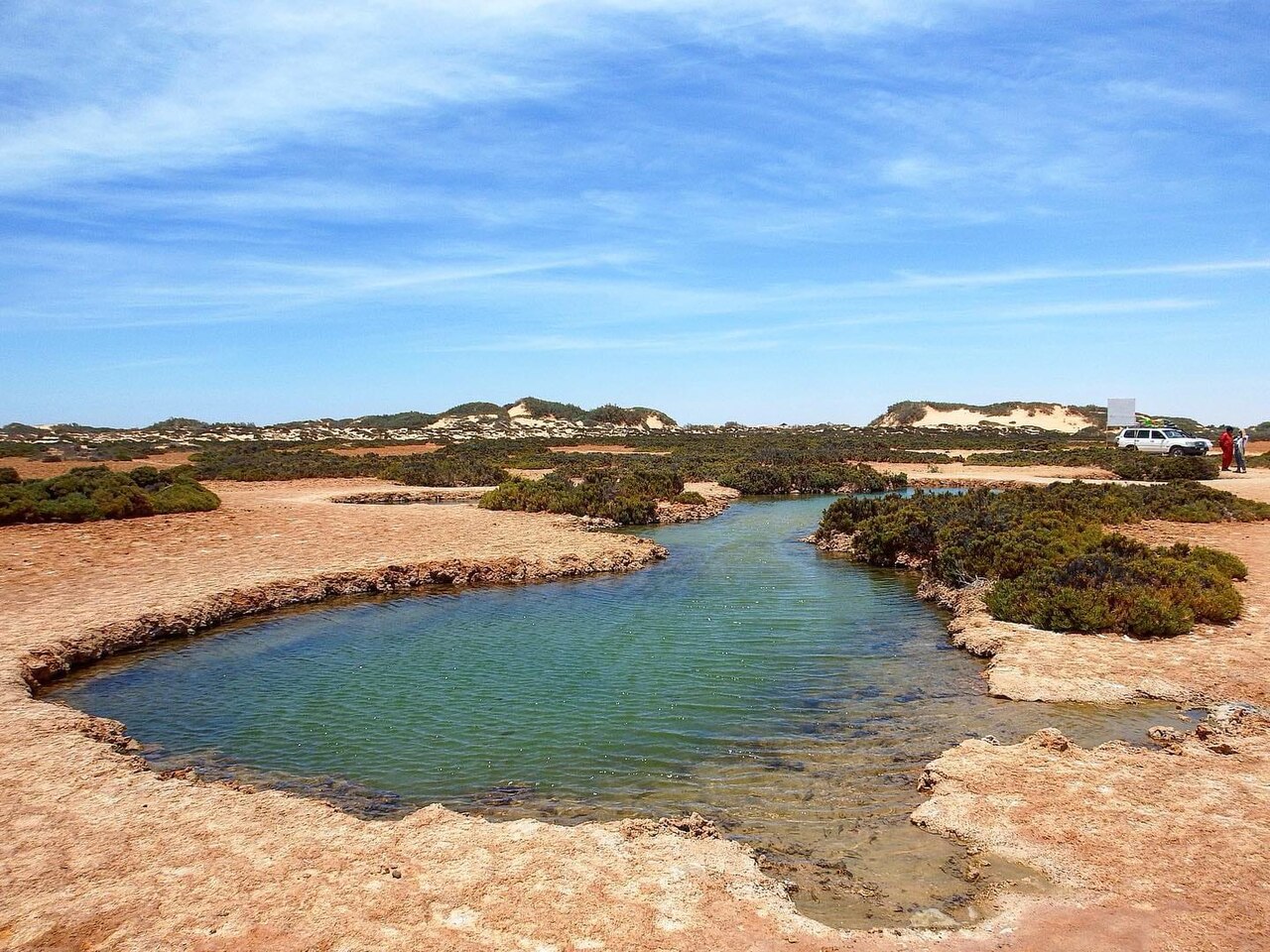
Lake Dait Um Saad. Source- By ZAINEB HACHAMI - Own work, CC BY-SA 4.0
5. Essential Logistics and Etiquette
- Modesty and Culture: Western Sahara is a conservative Muslim society. When visiting towns or nomadic camps, it is respectful to dress modestly—covering shoulders and knees. This is particularly important when visiting the Grand Mosque in Laayoune.
- Safety: While the coastal areas are peaceful, travelers should avoid the "Berm" (the militarized boundary line to the east) and stick to well-traveled roads. Always use a professional 4x4 driver for any excursions into the deep desert to avoid the risk of unexploded landmines in remote border regions.
- Currency: The Moroccan Dirham (MAD) is the official currency. Cash is absolutely essential for markets and desert excursions, as card readers are rare outside of major Dakhla hotels.
- Language: Hassaniya Arabic is the local dialect, but Moroccan Arabic and French are widely understood. Having a translation app on your eSIM will be incredibly helpful in local souks.
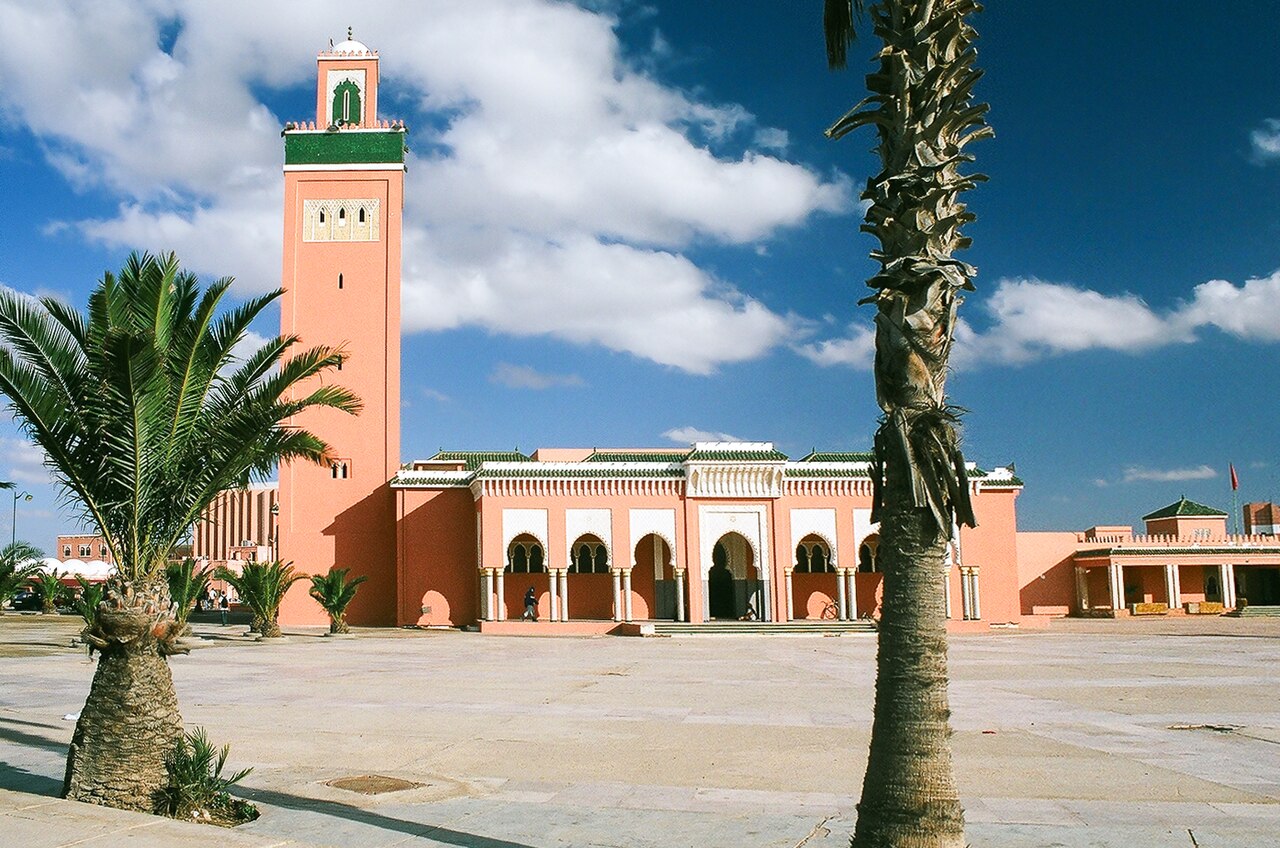
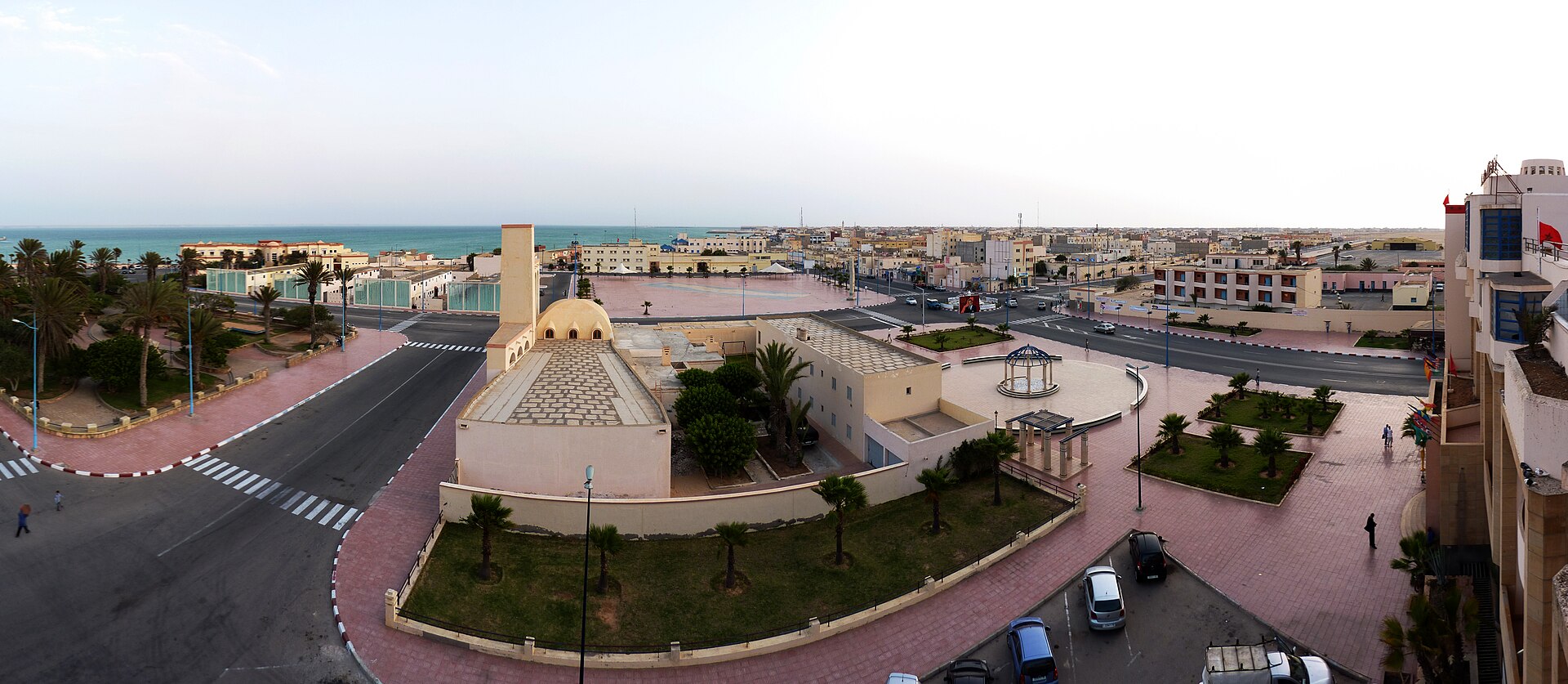
Mosque Moulay Abd el Aziz in El Aaiún, Morocco. Source- By Alexander Leisser - Own work, CC BY-SA 4.0
Why Visit Now?
Western Sahara offers a sense of "the edge of the world" that is increasingly rare in the 21st century. It is a place of immense physical beauty and quiet dignity. By securing your digital connection with an eSIM and traveling with a spirit of respect for the land and its people, you can witness the spectacular harmony of the desert and the sea for yourself.