
Wallis and Futuna: The Pacific’s Best-Kept Secret
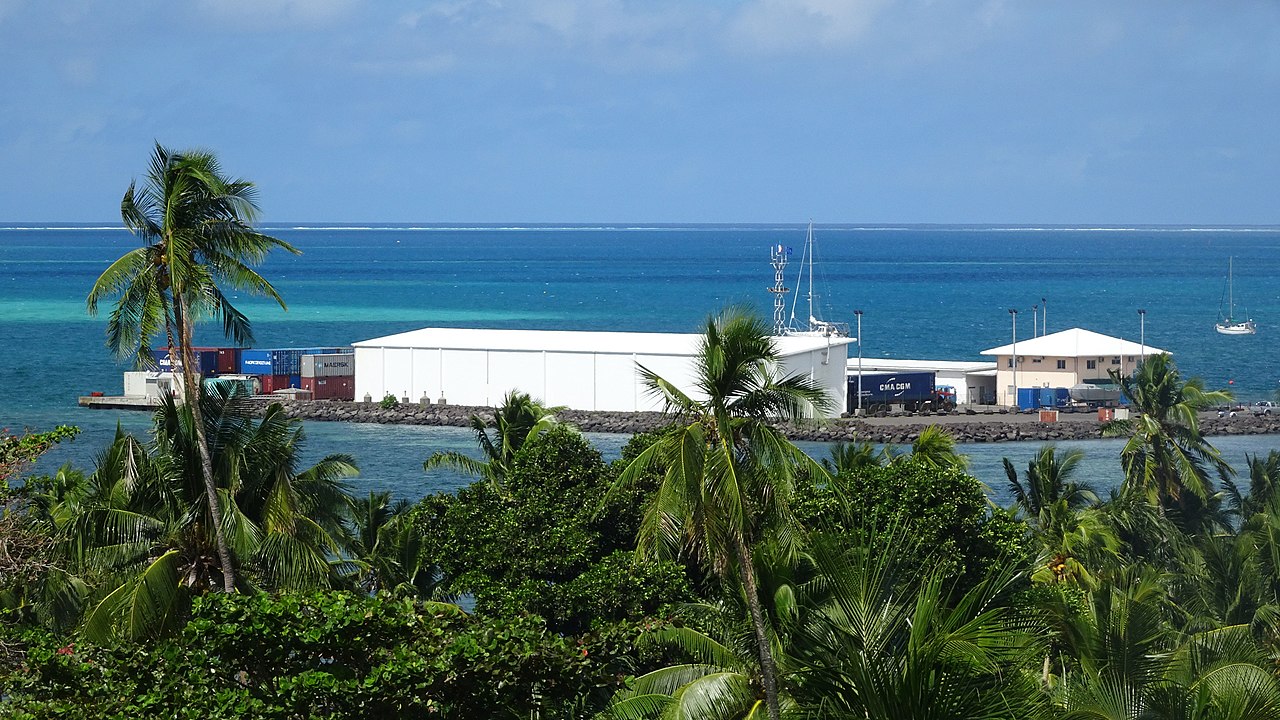
In the vast, blue expanse of the South Pacific, halfway between Fiji and Samoa, lies a destination that feels almost entirely untouched by the relentless hum of modern tourism. Wallis and Futuna, a French overseas territory comprising two distinct island groups, is a place where time doesn’t just slow down—it follows a different rhythm altogether. It remains one of the few places on Earth where you can experience authentic Polynesian culture, governed by traditional kings and deep-seated faith, without the filter of a resort-lined beach.
If you are a traveler who seeks the spectacular in the quiet and the profound in the remote, this archipelago is your sanctuary.

Source- By Troisoc - File:Alofitai.JPG, CC BY-SA 4.0
1. A Tale of Two Archipelagos
The territory is split into two volcanic groups separated by 230 kilometers of open ocean.
- Wallis (Uvea): The larger, low-lying island is surrounded by a magnificent barrier reef and punctuated by over a dozen tiny, uninhabited islets. It is the administrative heart, home to the capital, Mata-Utu, and a landscape defined by dramatic volcanic crater lakes.
- Futuna and Alofi: These islands are the rugged, mountainous siblings. Futuna is steep and lush, while the uninhabited Alofi—just a short boat ride away—is a primeval garden of white sand and ancient forests.
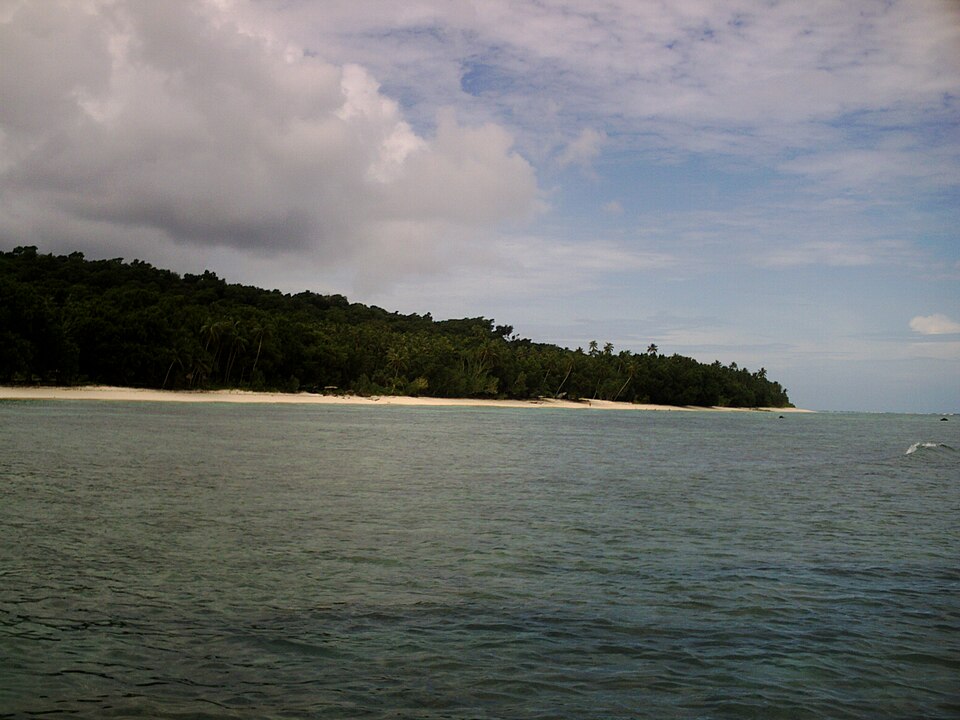
- Alofitaï beach, Alofi Island. Source- Por Troisoc - Fotografia própria, CC BY-SA 3.0
2. Sacred Sights and Ancient Stones
Wallis and Futuna is a land of spiritual and historical depth, where the Catholic faith and Tongan heritage intertwine.
- Mata-Utu Cathedral: Dominating the waterfront of the capital, this stunning stone cathedral is a masterpiece of local craftsmanship. Built from hand-cut volcanic rock, its twin towers serve as a beacon for the island. Inside, the throne of the King of Uvea sits as a reminder of the island’s unique dual-governance.
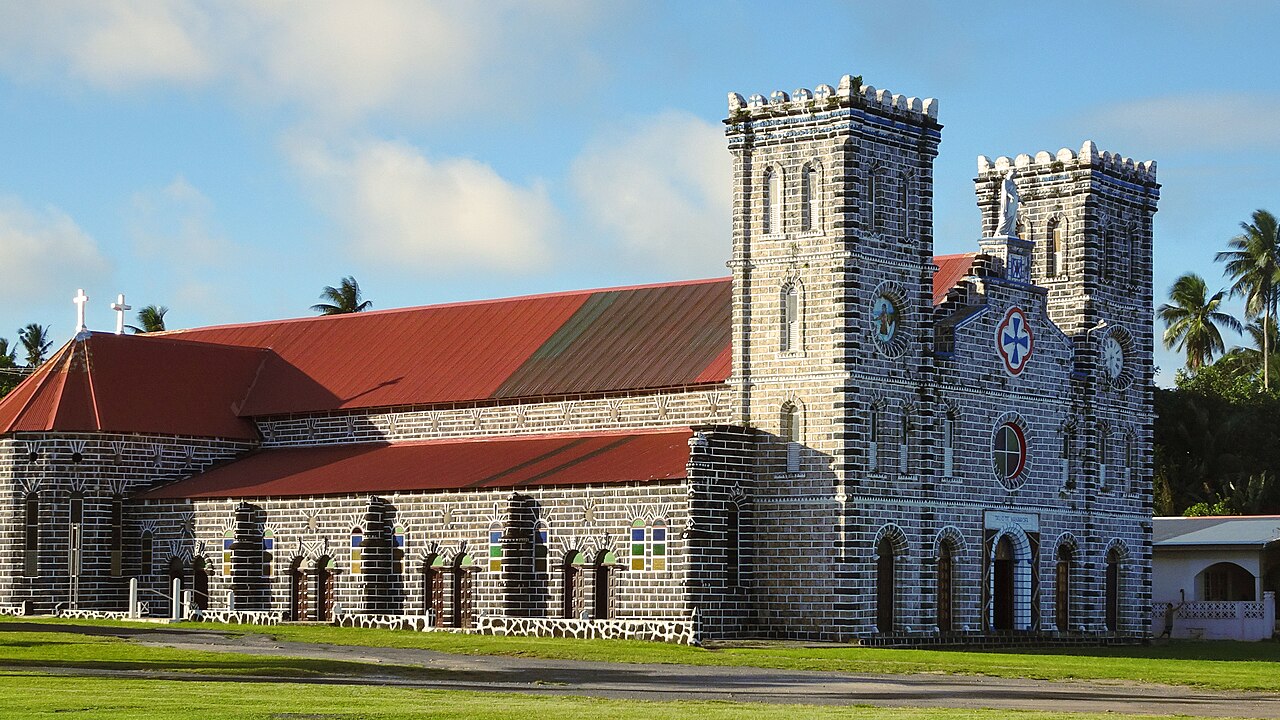
- Source- By Brigitte & Heinz - 306 Kirche - church - église; Mata-Utu, CC BY-SA 2.0
- Lake Lalolalo: This is arguably the most spectacular natural site on Wallis. A perfect circle of deep blue water, the lake is a 400-meter-wide crater surrounded by sheer 80-meter cliffs. Eels are said to live in its depths, and the surrounding forest is a haven for tropical birds.
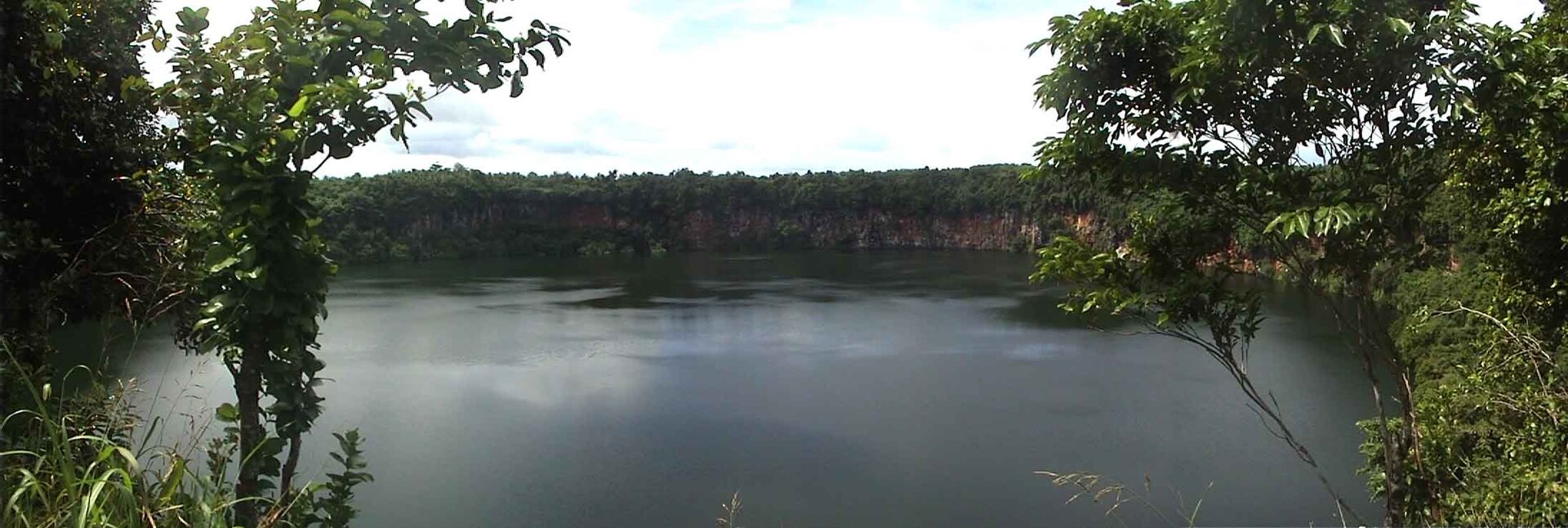
- Source- By Tauʻolunga - Own work, CC BY-SA 2.5
- Talietumu Archaeological Site: For history enthusiasts, these 15th-century ruins are a must-see. This fortified Tongan settlement features impressive basalt stone walls and platforms, offering a silent testimony to the era when the Tongan Empire stretched across these waters.
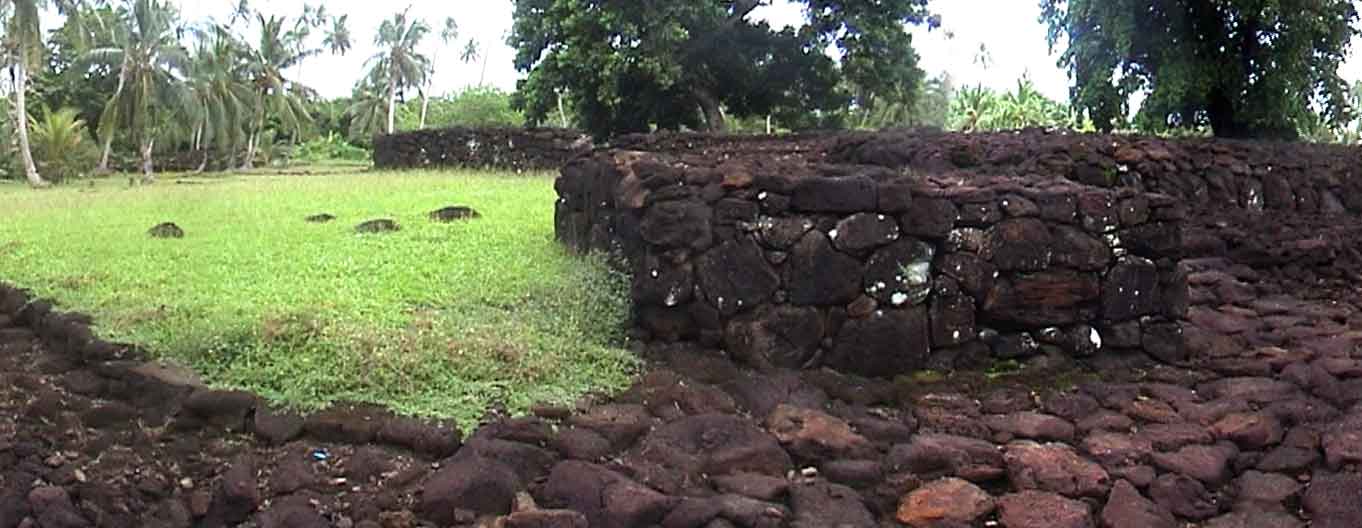
- Ruins of Talietumu. Source- By Tauʻolunga - Own work, CC BY-SA 2.5
3. The Digital Lifeline: Why an eSIM is Essential
While Wallis and Futuna is a place to "unplug," navigating a territory with limited tourism infrastructure requires a reliable digital toolkit. The local network provides LTE coverage, but finding physical SIM cards can be a challenge outside of a few specific shops in Mata-Utu.
The Logistics Challenge: Public transport is non-existent, and there are no traditional taxis. Navigating the 120km of roads on Wallis or the rugged tracks of Futuna often relies on coordinating with local car rentals or using real-time translation tools to communicate in French or Wallisian.
The Solution: To ensure you have a data connection the moment you land at Hihifo Airport, securing a Wallis and Futuna-compatible eSIM before your flight is a primary safety and logistical essential. An eSIM allows you to connect to the local network instantly. This is vital for accessing digital maps, coordinating inter-island flights (which are small and weather-dependent), and staying updated on weather alerts during the tropical season. It keeps your primary number active while providing the local data needed to navigate this "off-the-grid" paradise.
4. A Taste of the Islands
The cuisine here is a beautiful fusion of French technique and Polynesian staples. For travelers seeking high-quality options, the bounty of the ocean and the fertile volcanic soil provide a feast.
- Fresh Catch Sashimi: With the Pacific at their doorstep, Wallisians are masters of seafood. Tuna and bonito are often served as sashimi or in a Raw Fish Salad, marinated in lime juice and rich, hand-pressed coconut milk.
- The Umu Experience: Traditional meals are cooked in an Umu (earth oven). While various proteins are used, the Seafood Umu is spectacular. Lobster, stuffed clams, and parrotfish are wrapped in banana leaves and slow-steamed over hot volcanic stones, resulting in a tender, smoky flavor.
- Root Vegetable Staples: Every meal is accompanied by taro, yams, or sweet potatoes. A local favorite is Faikai Malaulau, a savory-sweet pudding made from grated cassava and coconut cream.
- Poulet Fafa: A classic French-Polynesian crossover, this dish features tender chicken slow-cooked with taro leaves (which taste like a richer version of spinach) and coconut milk.
5. Essential Travel Tips
- Connectivity: eSIM is the recommended standard. Provision your data plan before arrival for instant access upon landing.
- Currency: The CFP Franc (XPF). Cash is essential as credit card acceptance is limited; ATMs are available on Wallis but rare on Futuna.
- Language: French is the official language. Learning a few words of Wallisian or Futunan is highly respected by the locals.
- Respect: This is a traditional society. When visiting villages or churches, ensure your shoulders and knees are covered to respect local customs.

Source- Rigibson, Wikimedia Commons
Why Wallis and Futuna?
This is not a destination for the average tourist. It is a destination for the traveler who finds beauty in a deserted beach on Alofi, who respects the silence of a crater lake, and who values an authentic conversation over a curated excursion. By securing your digital connection with an eSIM and traveling with a spirit of humility and respect, you can witness the spectacular, quiet soul of the South Pacific for yourself.