
Venezuela: A Journey Through South America’s Wildest Frontiers
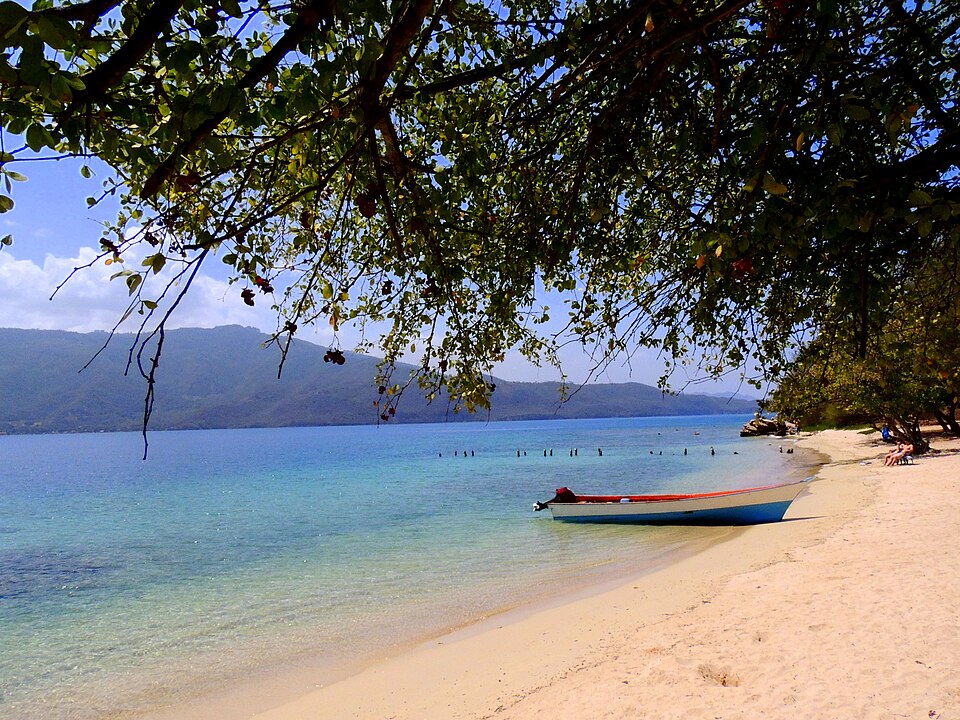
Venezuela is a land of extremes that defies simple description. It remains one of the most visually spectacular destinations on the planet—a place where the Andes Mountains crumble into the Caribbean Sea, and ancient, flat-topped mesas (tepuis) rise from the jungle like islands in the clouds. While travel here requires a spirit of adventure and a high degree of preparation, the reward is a front-row seat to some of the world's last truly "untamed" wonders.
From the thunder of the world's highest waterfall to the silent, crystalline waters of offshore coral islands, here is your factual, grounded guide to navigating Venezuela.
1. Canaima: The Land of the Lost World
Your journey to the heart of Venezuela begins in Canaima National Park, a UNESCO World Heritage site the size of Belgium. This is the land of the Pemon people and the ancient tepuis.
- Angel Falls (Salto Ángel): Plummeting a mind-boggling 979 meters from the Auyán-tepui, this is the tallest uninterrupted waterfall on Earth. The best way to experience it is the traditional way: a motorized dugout canoe (curiara) trip up the Churún River during the rainy season (June to November).
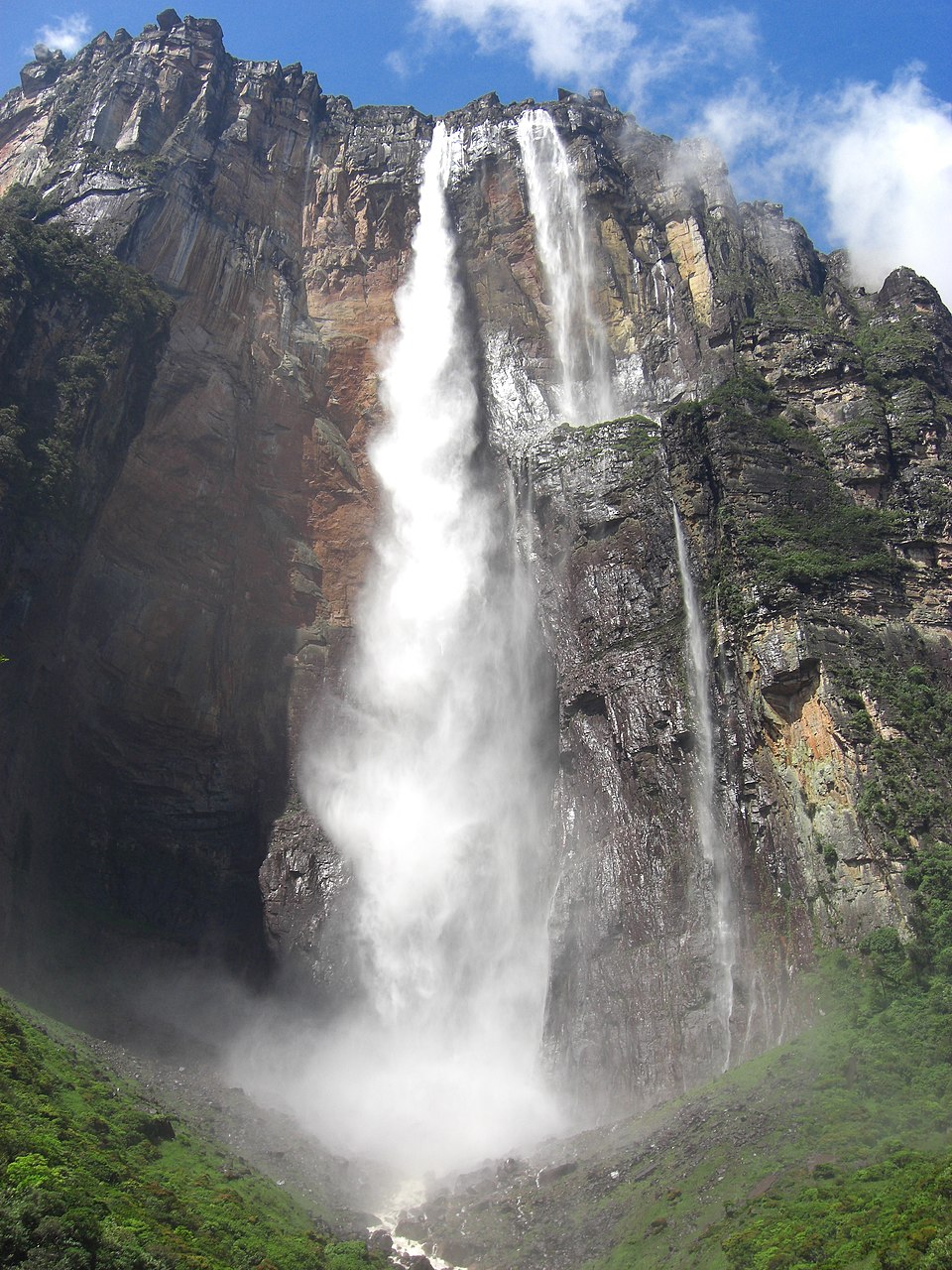
- Source- By Diego Delso - Own work, CC BY 3.0
- Mount Roraima: For the serious trekker, the six-day hike to the summit of Roraima is a journey into a prehistoric landscape. The plateau is home to unique flora and fauna found nowhere else on Earth, surrounded by sheer 400-meter cliffs.
- Sapo Falls: A shorter but exhilarating hike allows you to walk on a narrow ledge behind a massive curtain of falling water. It’s a sensory experience that defines the raw power of the Venezuelan interior.
2. Los Roques: The Caribbean’s Best-Kept Secret
If Canaima is the green heart of the country, Los Roques Archipelago is its turquoise soul. This marine national park consists of over 300 islands and cays surrounded by a massive coral reef.
- Gran Roque: The only inhabited island, where sandy streets and brightly colored houses replace cars and asphalt.
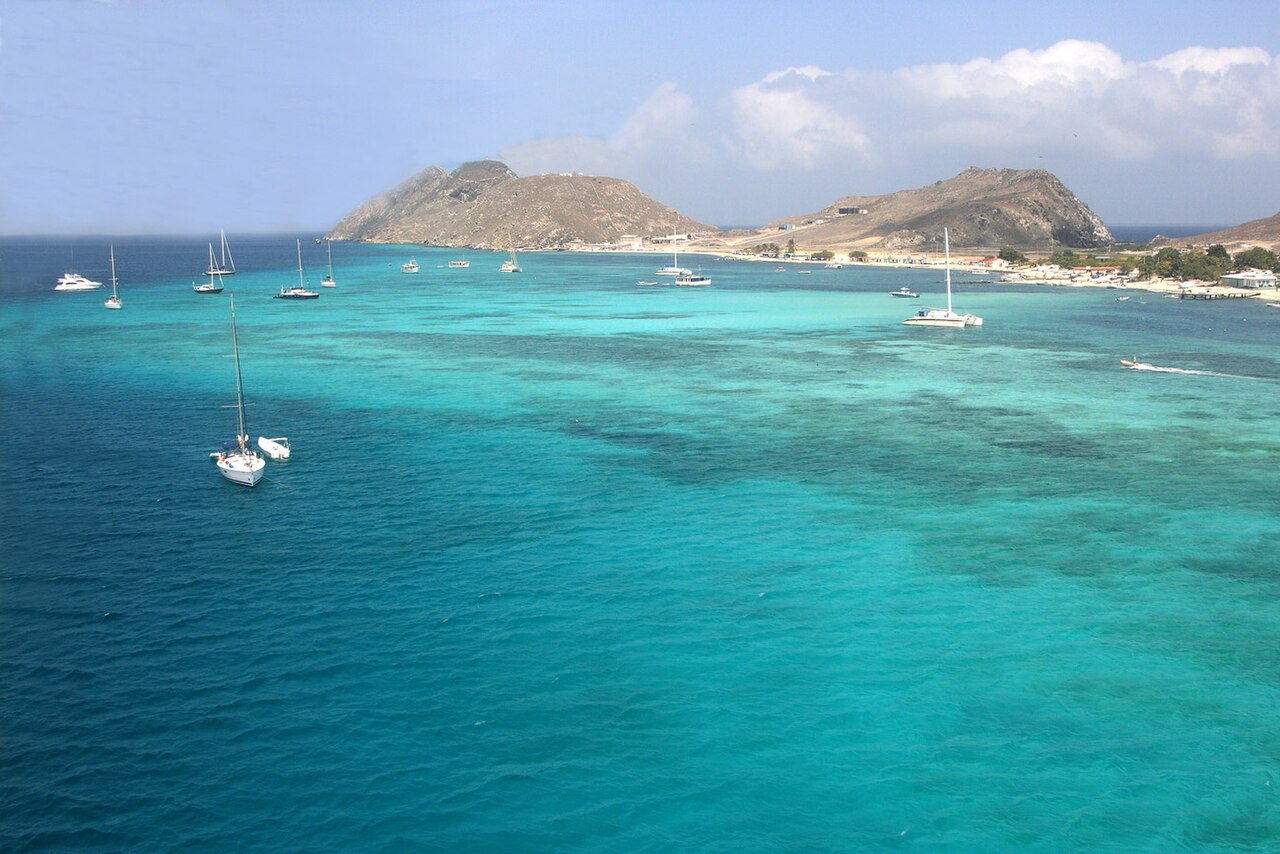
- Source- By BIT1982 - Own work, CC BY-SA 3.0
- Cayo de Agua: Often cited as one of the most beautiful beaches in the world, it features two white-sand spits that meet in the middle of the sea.
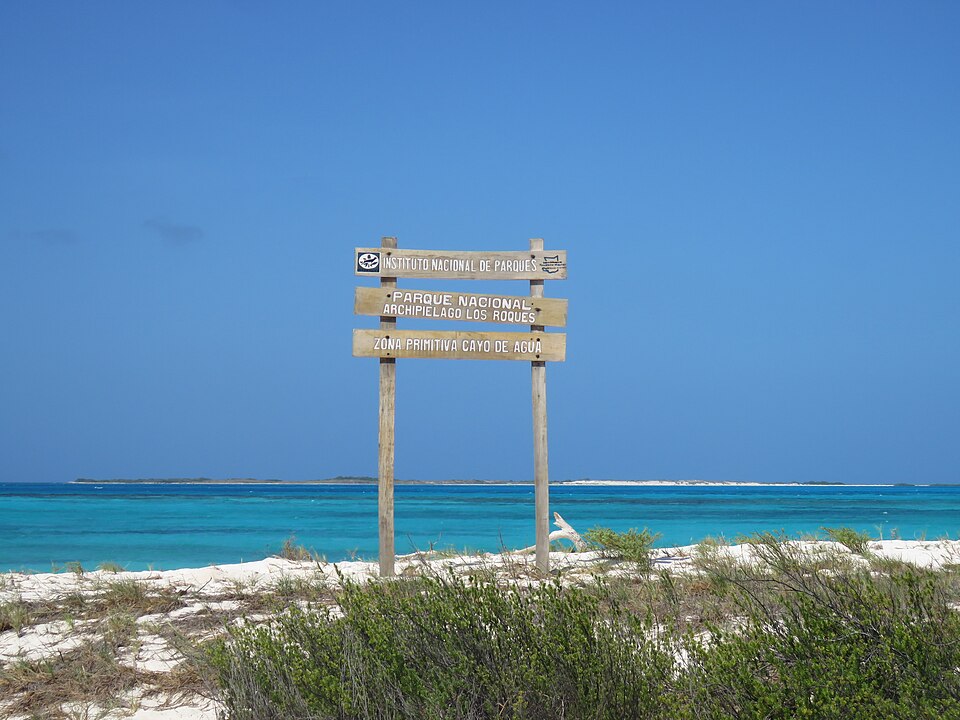
- Source- By Felviper - Own work, CC BY-SA 4.0
- Sustainable Snorkeling: The waters here are remarkably clear, filled with bonefish, turtles, and vibrant coral gardens. The park maintains strict environmental controls to preserve this fragile ecosystem.
3. The Digital Compass: Navigating with an eSIM
While Venezuela is a place to "disconnect," the logistical reality of modern travel requires you to be digitally nimble. Navigating domestic flight changes, checking real-time currency fluctuations, and staying in touch with local guides in remote areas like the Gran Sabana is a safety and logistical essential.
The Logistics Challenge
Historically, getting a local SIM card in Venezuela involved complex registration and long waits. Many travelers find that relying solely on local hotel Wi-Fi is insufficient, especially when traveling between the isolated hubs of Canaima and the coast.
The Solution: The Travel eSIM
To ensure you have a data connection the moment you clear customs at Simón Bolívar International Airport (CCS), securing a Venezuela-compatible eSIM before you fly is the smartest move.
- Instant Connectivity: An eSIM allows you to connect to local 4G/LTE networks without the need to swap physical cards.
- Reliable Navigation: Having a live connection is vital for using ride-hailing apps in Caracas or coordinating with your bush-pilot for the flight into Canaima.
- Security & Safety: A dedicated data line allows you to monitor travel advisories and keep your digital copies of permits and ID accessible at all times. It keeps your primary number active for emergencies while providing the local data needed to navigate the "wild" side of the country.
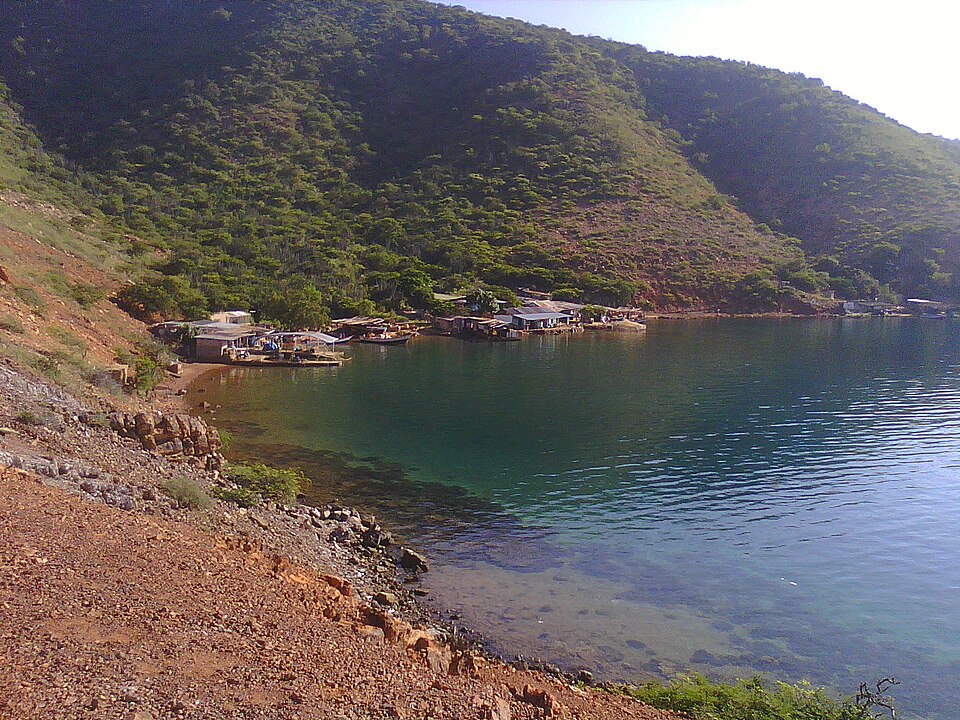
Caracas Islands, Mochima National Park, Sucre State. Source- By NeleskyVlasquez - Own work, CC BY-SA 3.0
4. A Taste of the Republic
Venezuelan cuisine is a masterclass in comfort food, relying on corn, beans, and slow-cooked meats. For travelers seeking high-quality, traditional options, the menu is surprisingly diverse.
- Pabellón Criollo: The national dish. It’s a symbolic plate featuring shredded beef (carne mechada), black beans (caraotas), white rice, and sweet fried plantains (tajadas). It is hearty, savory, and deep with flavor.
- Arepas: The versatile staple of every Venezuelan home. These grilled corn cakes can be filled with anything. Try the Reina Pepiada (a creamy blend of shredded chicken and avocado) or the Pabellón filling for a portable version of the national dish.
- Cachapas: Thick, slightly sweet corn pancakes made from fresh kernels, usually folded over a massive slice of Queso de Mano (a soft, mozzarella-like handmade cheese).
- Tequeños: The ultimate appetizer—spears of salty white cheese wrapped in a thin layer of dough and fried until golden.
- Asado Negro: A tender beef roast slow-cooked in a dark, sweet sauce made from papelón (raw cane sugar) and spices.
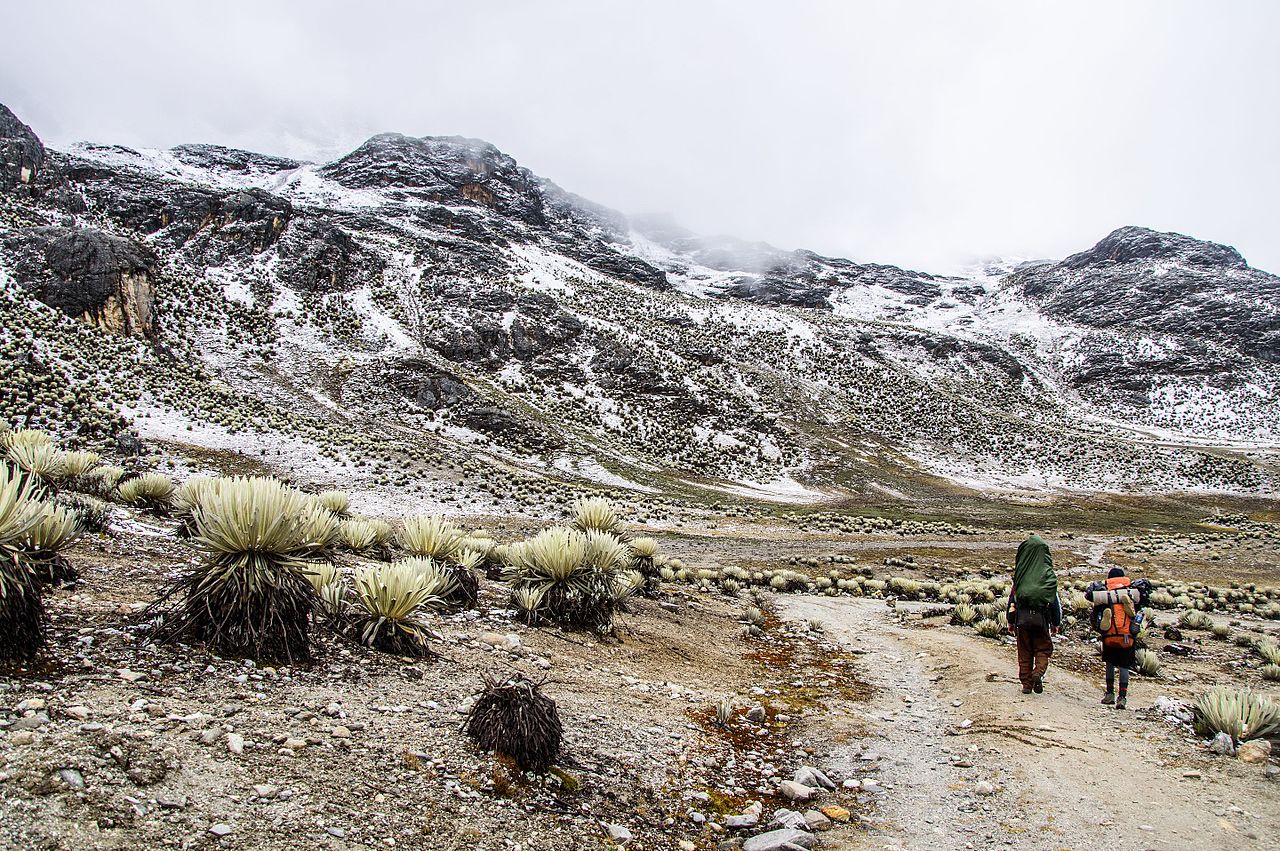
Source- By Adolfo - Own work, CC BY-SA 4.0
Essential Travel Logistics
- Safety: Check current government advisories. Use reputable tour operators for all travel outside major hubs.
- Currency: The Bolívar (VES) is official, but US Dollars are the de facto currency for most tourism transactions. Bring small, crisp bills.
- Health: A Yellow Fever certificate is often required for certain regions. Consult a travel clinic for malaria prophylaxis.
- Connectivity: eSIM is the modern standard for reliable, high-speed travel data.
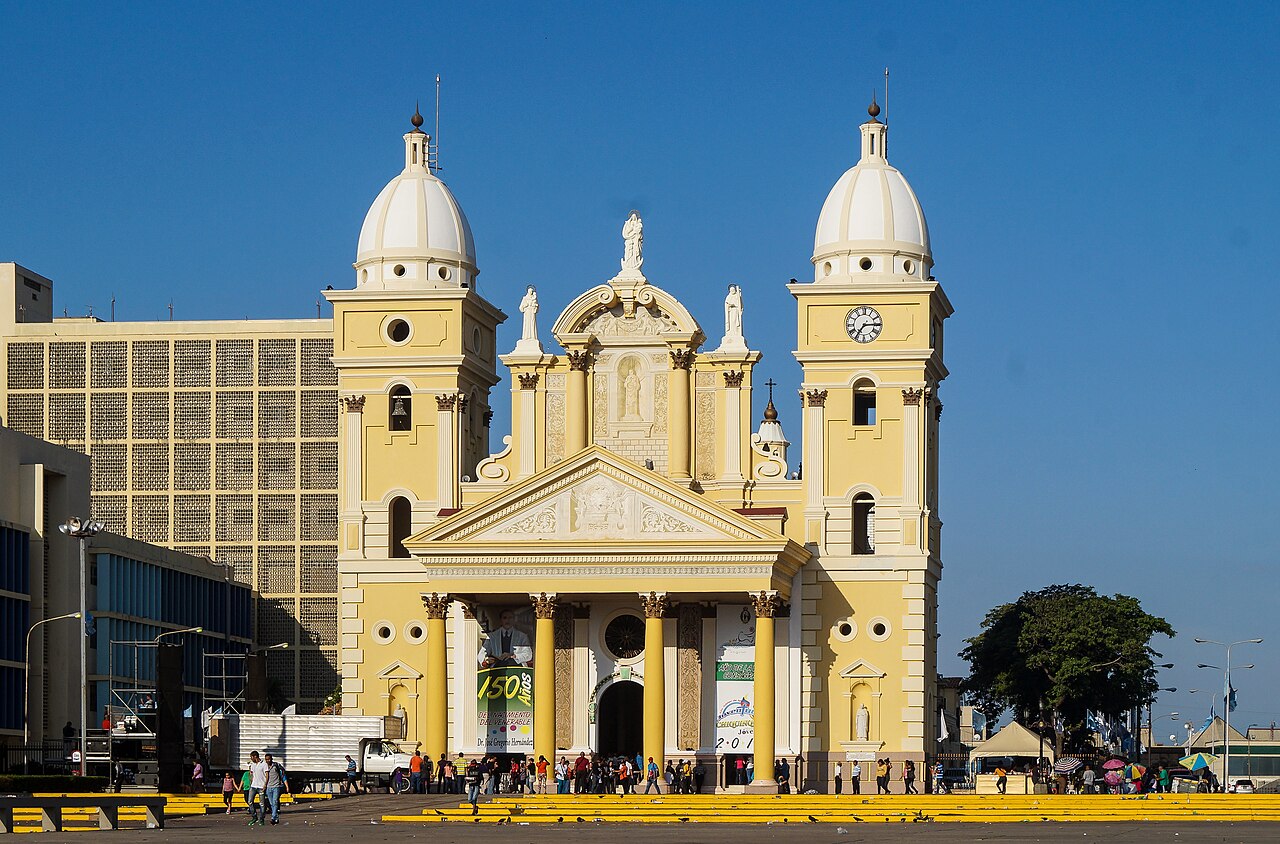
Source- By Rjcastillo - Own work, CC BY-SA 4.0
Why Visit Now?
Venezuela is for the traveler who respects the power of nature and the resilience of a culture. It is a place that asks you to be more than a spectator; it asks you to be prepared, to be mindful, and to be present. By securing your digital connection with an eSIM and traveling with a spirit of respectful curiosity, you can witness the spectacular, raw beauty of a country that remains, in many ways, the last frontier of South America.