
Vatican City: A Journey to the Heart of the Eternal City
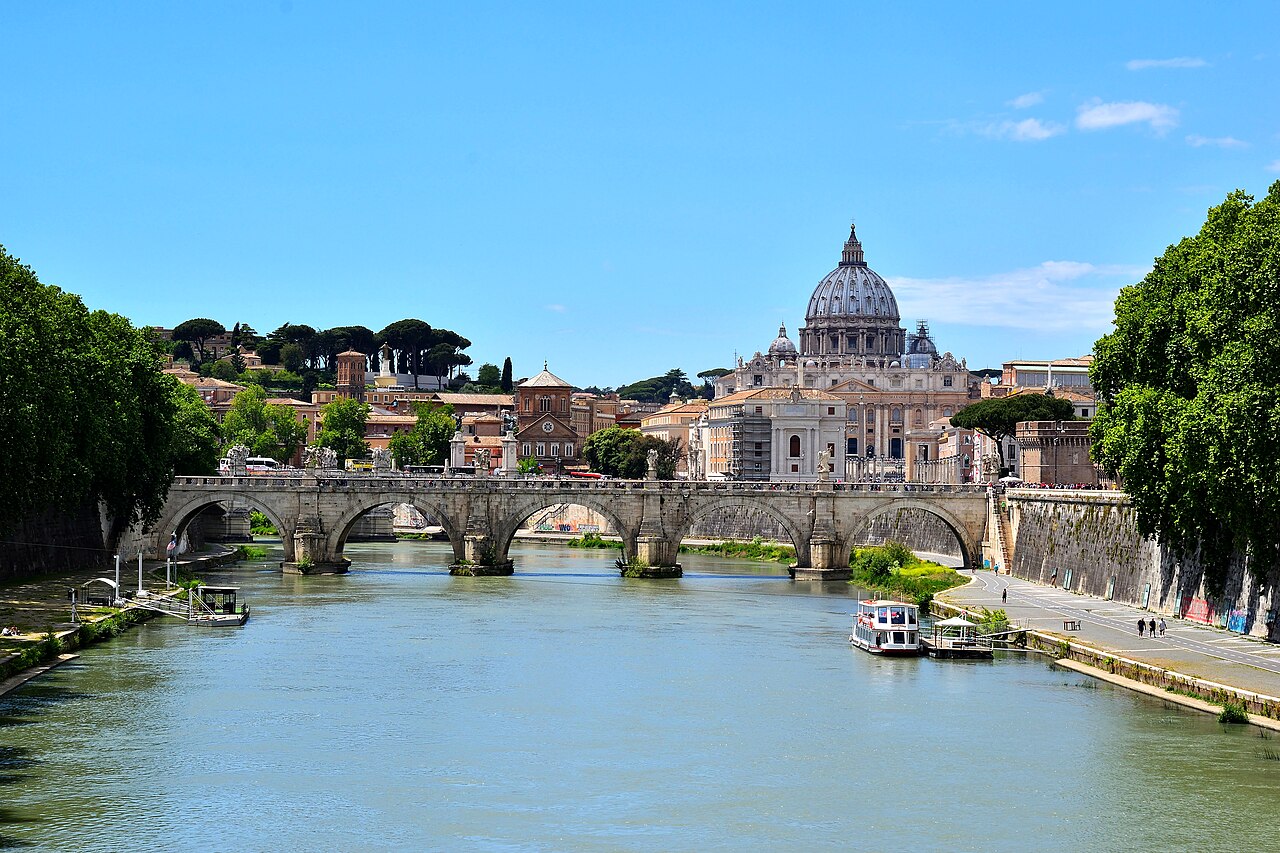
Stepping into Vatican City is one of the few experiences in travel that feels genuinely like crossing a threshold into another dimension. One moment you are on the bustling streets of Rome, and the next, you are standing in the center of the world's smallest independent city-state. In 2026, fresh off the historic momentum of the recent Jubilee year, the Vatican remains a sanctuary of art, faith, and history that demands both reverence and a bit of modern savvy.
Whether you are here for the spiritual resonance or the sheer weight of its 121 acres of masterpieces, this guide will help you navigate the Holy See with grace and digital efficiency.
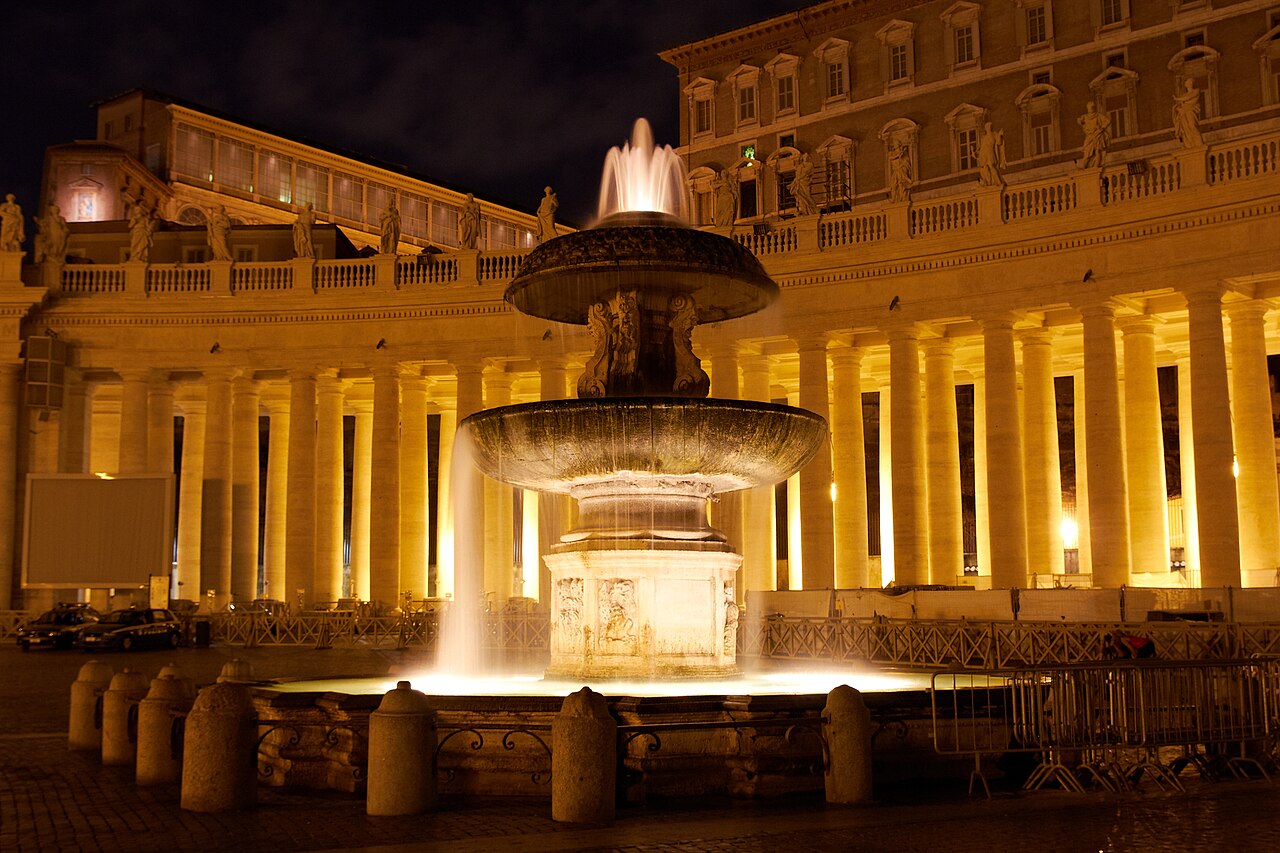
Source- By Max_Ryazanov, CC BY-SA 3.0
1. The Smallest Giant: Understanding the Vatican
Vatican City is not just a collection of buildings; it is a sovereign nation with its own postal system, currency (the Vatican Euro), and the world’s smallest standing army—the colorful Swiss Guard.
- The Sovereign Square: St. Peter's Square (Piazza San Pietro) is Bernini's architectural embrace. The 284 Doric columns that encircle the square are designed to feel like "the maternal arms of the church." In 2026, the square has benefited from improved pedestrian access, making it easier to admire the 25-meter Egyptian obelisk at its center.
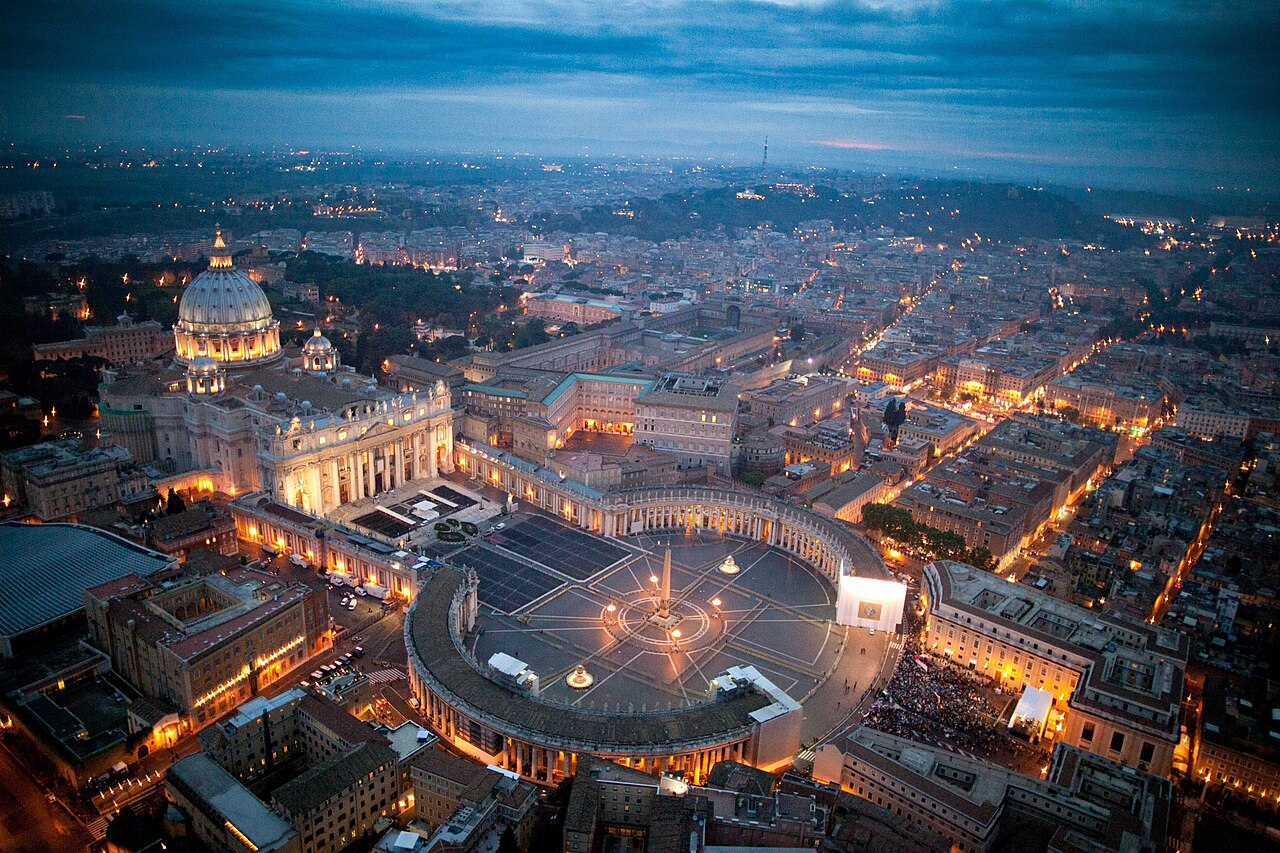
- Source- By lafiguradelpadre Congreso, CC BY 2.0
- The Basilica: St. Peter's Basilica is a triumph of Renaissance engineering. Inside, the scale is so vast that it can be difficult to process. Look for Michelangelo’s Pietà—a sculpture of such profound emotion that it remains protected behind bulletproof glass—and Bernini’s 29-meter bronze Baldacchino towering over the papal altar.
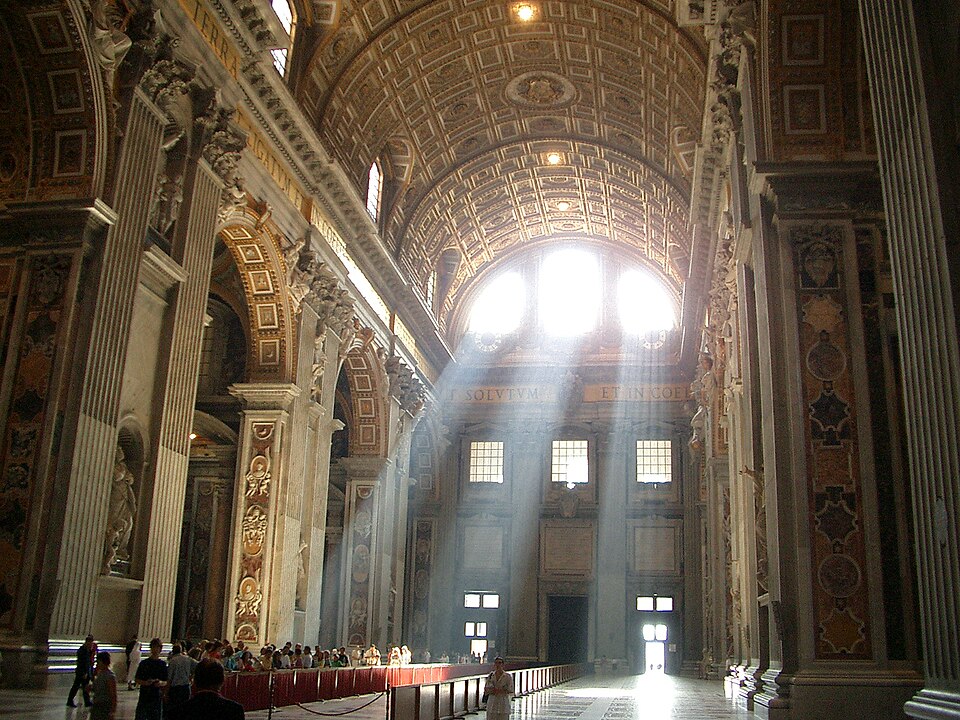
- Source- By Andrija12345678 - Own work, CC BY-SA 4.0
2. Artistic Sovereignty: The Vatican Museums
The Vatican Museums contain arguably the most important art collection in human history. To walk through them is to walk through 7.5 kilometers of galleries.
- The Raphael Rooms: Once the private apartments of Pope Julius II, these rooms are covered in frescoes that define the High Renaissance. The School of Athens is the highlight here, a masterpiece of perspective and intellectual history.
- The Gallery of Maps: Often a favorite for 2026 travelers, this 120-meter hall is lined with 40 topographical maps of Italy commissioned in 1580. The ceiling is a gilded marvel that competes for your attention with the historical accuracy of the maps below.
- The Sistine Chapel: The crown jewel. Michelangelo’s ceiling and The Last Judgment represent the pinnacle of Western art. Remember that this is a sacred space; silence is strictly enforced, and photography is absolutely prohibited.
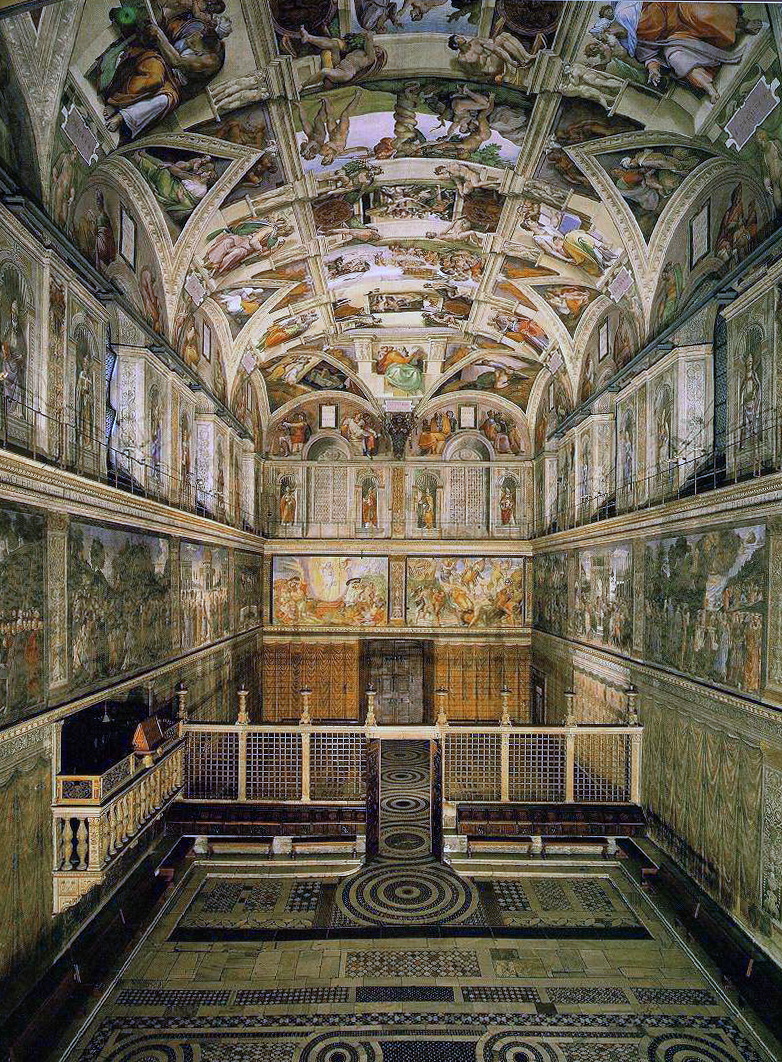
- Source- By Snowdog at Italian Wikipedia, CC BY-SA 3.0
3. The Tech Lifeline: Navigating with an eSIM
While the Vatican is ancient, visiting it in 2026 is a high-tech affair. From digital ticket entry to real-time queue updates, staying connected is no longer a luxury—it’s a necessity for a smooth visit.
The Logistics Challenge
- Digital Ticketing: Most visitors now book their timed-entry tickets online 60 days in advance. Having a live connection ensures you can pull up your QR codes instantly without fumbling for printed papers or relying on the often-congested public Wi-Fi near the entrance.
- Audio Guides and Apps: Many of the best museum experiences now utilize "Bring Your Own Device" audio guides. You’ll need a stable data connection to download these guides or use navigation apps that help you find specific galleries like the Pinecone Courtyard.
The Seamless Solution: Rather than hunting for a physical SIM card in Rome or dealing with high roaming fees, securing a Vatican/Italy-compatible eSIM before you arrive is the smart play. An eSIM connects you to local 5G networks the moment you land. It ensures you have high-speed data for GPS navigation between your hotel and the Vatican Museums, allows you to check real-time updates on St. Peter's Basilica queue lengths, and keeps your digital documents safe in the cloud. It’s the digital equivalent of skip-the-line access for your phone.
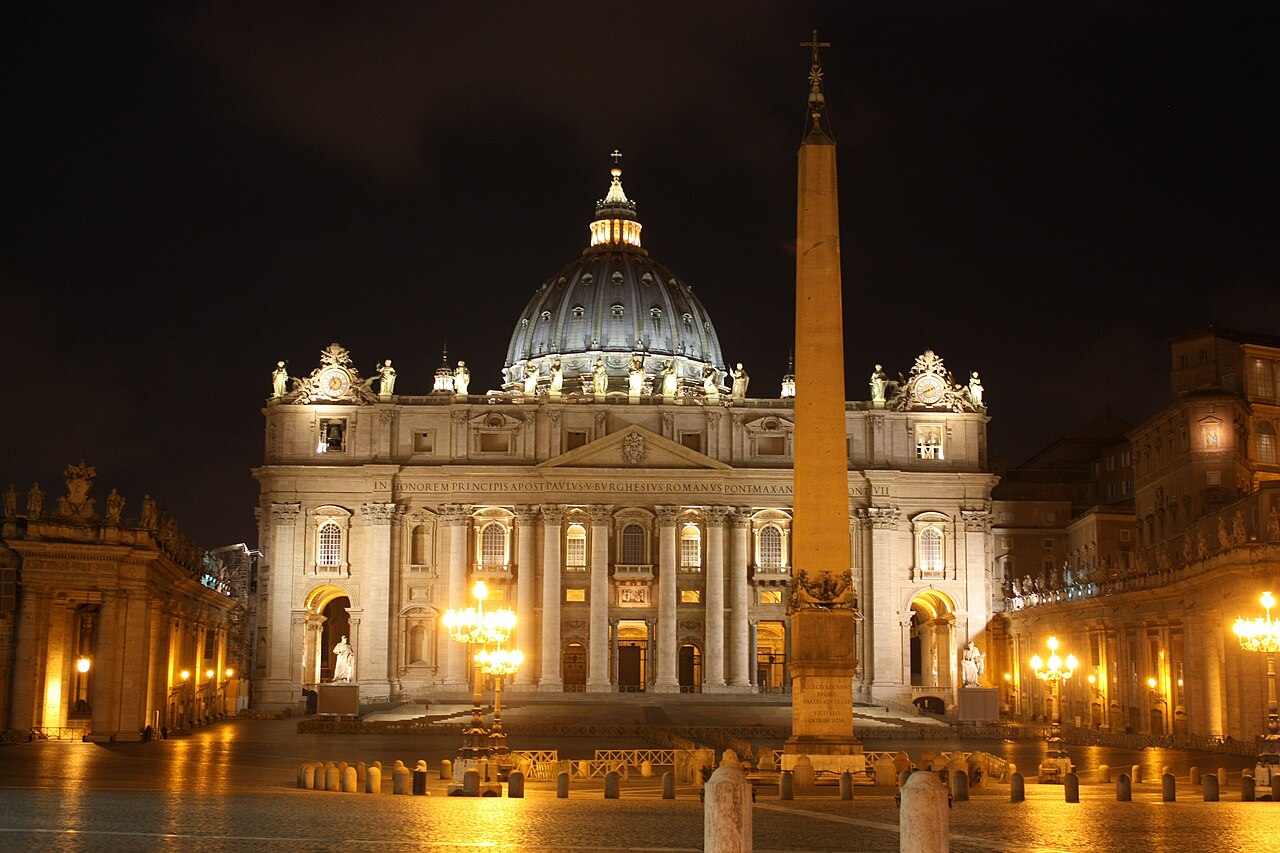
St. Peter's Basilica. Source- By Eugene Pivovarov - Own work, CC BY 3.0
4. The Decorum Directive: The Dress Code
Vatican City is an active religious site, and the dress code is strictly enforced by the Swiss Guard and security personnel. Failure to comply will result in being turned away, regardless of your ticket status.
- Shoulders: Must be completely covered. No tank tops or sleeveless shirts.
- Knees: Must be covered. No shorts, miniskirts, or above-the-knee dresses.
- Hats: Must be removed before entering any building.
- Footwear: Comfortable walking shoes are a must, but avoid overly casual flip-flops.
Pro Tip: In the summer heat of 2026, many savvy travelers carry a lightweight linen scarf in their bag. You can wrap it around your shoulders or waist to meet the requirements the moment you enter a sacred space.
5. A Taste of the Holy See
While you won't find many restaurants inside the Vatican itself (other than the museum cafeterias), the surrounding Prati neighborhood is a haven for traditional Roman cuisine.
- Pasta alla Norma: A delicious Sicilian-inspired dish featuring sautéed eggplant, tomato sauce, and salty ricotta salata cheese. It’s a savory, satisfying meat-free masterpiece.
- Cacio e Pepe: The "cheese and pepper" pasta of Rome. It relies on high-quality Pecorino Romano cheese and freshly cracked black pepper for a sharp, creamy flavor.
- Suppli: A classic Roman street food snack. These are fried rice balls filled with tomato sauce and a melted mozzarella heart. They are perfect for a quick, savory bite between museum galleries.
- Artisanal Gelato: Just outside the Vatican walls, look for "Gelaterias" that use natural ingredients. Flavors like pistachio, dark chocolate, and lemon are the perfect way to refresh after a three-hour museum trek.
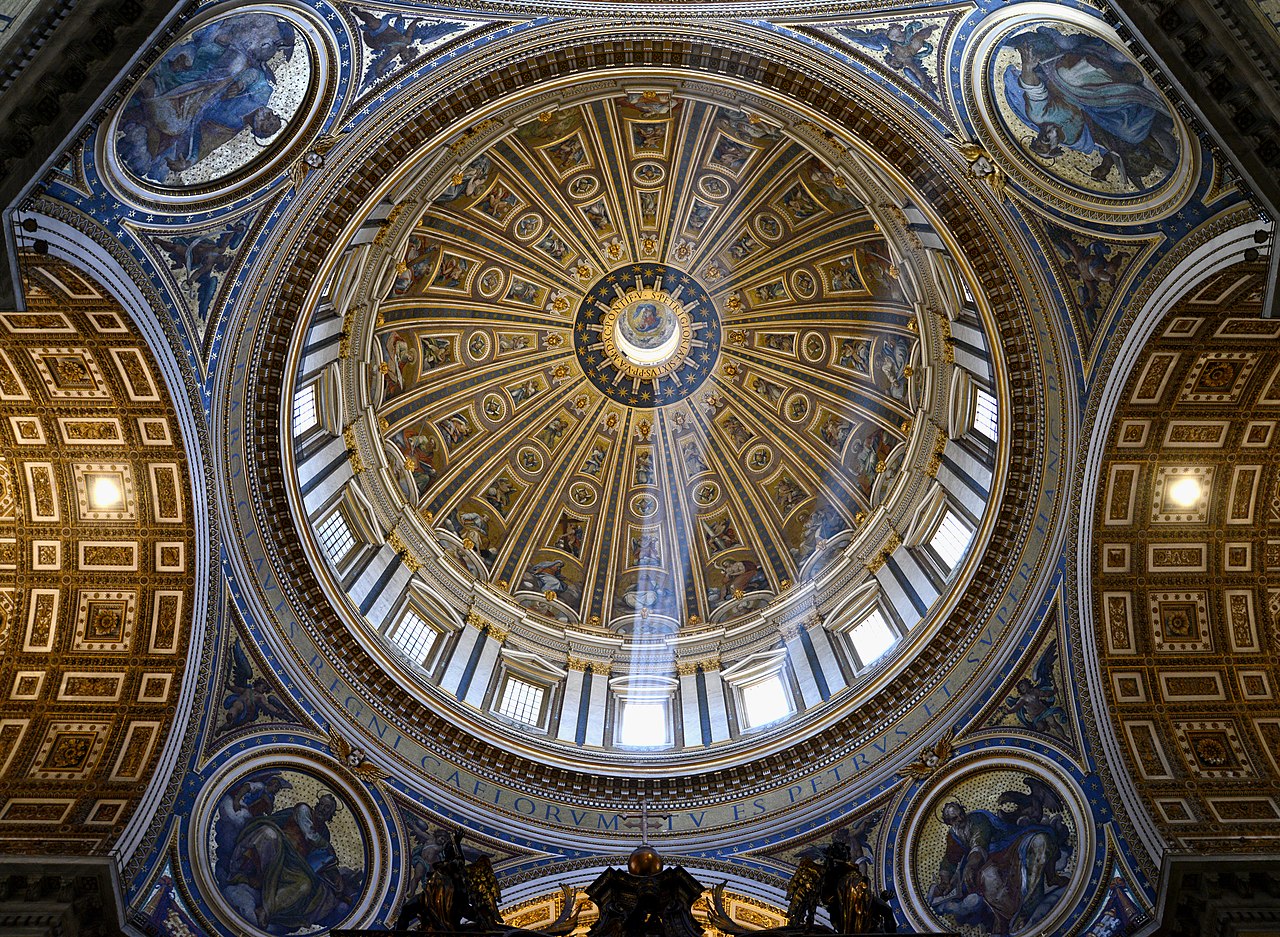
Source- By Alvesgaspar - Own work, CC BY-SA 4.0
6. Practical Logistics
- Booking: Secure your tickets via the official Vatican Museums website exactly 60 days before your visit. Morning slots (8:00 AM) are best for avoiding the peak crowds.
- The Vatican Post: Don't leave without visiting the post office. Sending a postcard from the Vatican is a unique tradition, as the stamps are valid only within the city-state's postal system.
- Climb the Dome: For the best view of Rome, pay the small fee to climb the 551 steps (or take the elevator part-way) to the top of St. Peter’s Dome. The panoramic view of the square and the city beyond is unparalleled.
Why the Vatican Matters
The Vatican is a place that challenges the modern world to slow down. It asks you to look up at a ceiling painted 500 years ago and down at a floor laid two millennia ago. By securing your digital connection with an eSIM for seamless coordination and arriving with a spirit of respectful curiosity, you can witness the spectacular, enduring soul of the Holy See for yourself.