
Vanuatu: An Untamed Paradise in the South Pacific
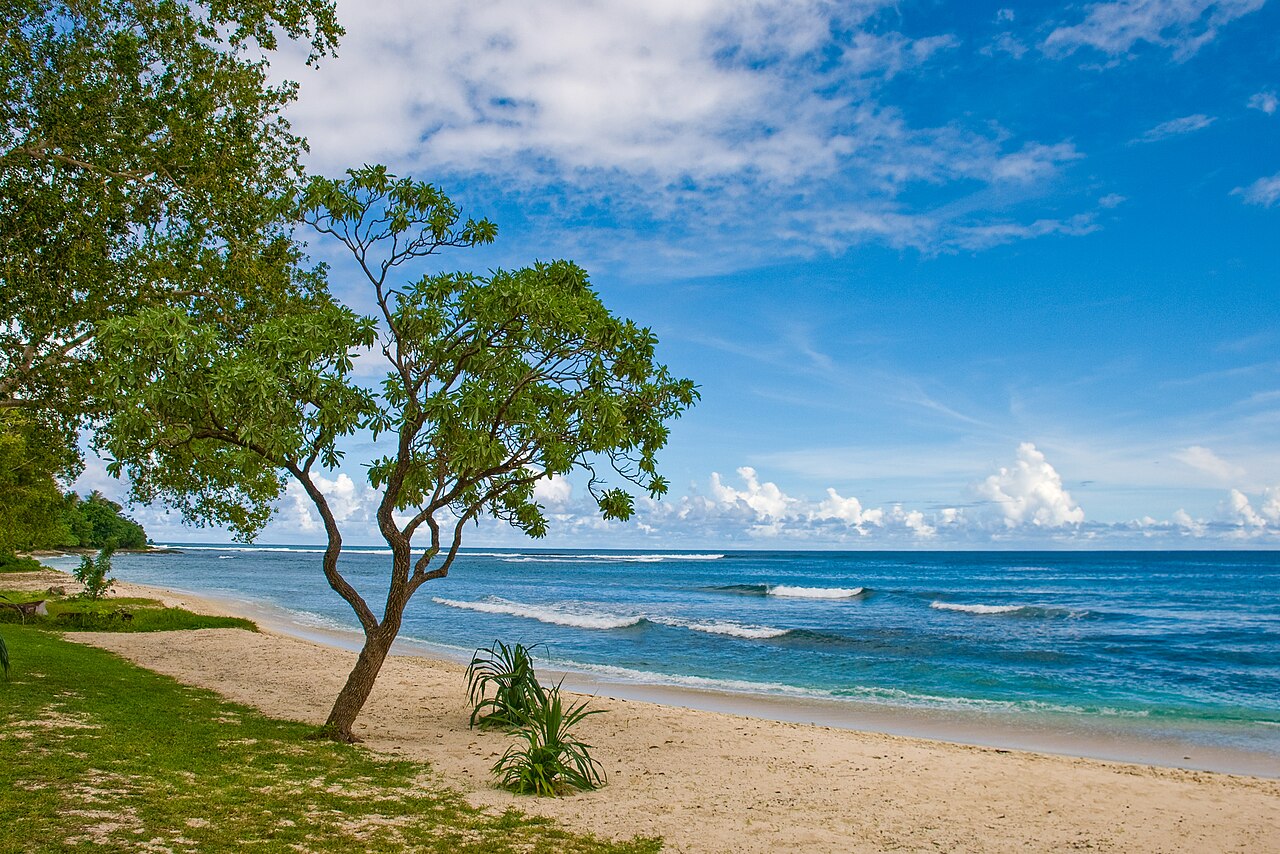
Source: By Phillip Capper - originally posted to Flickr as Eratap, Efate, Vanuatu, 13 April 2008, CC BY 2.0
The world’s most discerning travelers are looking beyond the manicured resorts of the more famous Pacific neighbors and turning their eyes toward Vanuatu. This archipelago of 83 islands is a place where "kastom"—the traditional law and culture—remains the heartbeat of daily life. It is one of the few places left on Earth where you can stand on the rim of an erupting volcano in the morning and dive to a sunken WWII wreck by the afternoon.
Vanuatu is raw, vibrant, and deeply welcoming. Whether you are seeking the "Ni-Vanuatu" smile or the deep blue of a limestone spring, here is your factual, grounded guide to the islands.
1. Efate: The Heart of the Islands
Your journey will almost certainly begin in Port Vila, the capital on the island of Efate. While it serves as the nation’s hub, Efate is much more than a transit point.
- Mele Cascades: Just a short drive from the capital, these terraced waterfalls are a natural masterpiece. A 15-minute hike through a lush tropical garden leads you to a series of clear pools where the water is always perfectly cool.
- The Blue Lagoon: Located on the eastern side of Efate, this is a naturally occurring swimming hole with intense, crystalline turquoise water. It’s a popular spot for both locals and travelers to spend a quiet afternoon swinging from rope swings into the deep.
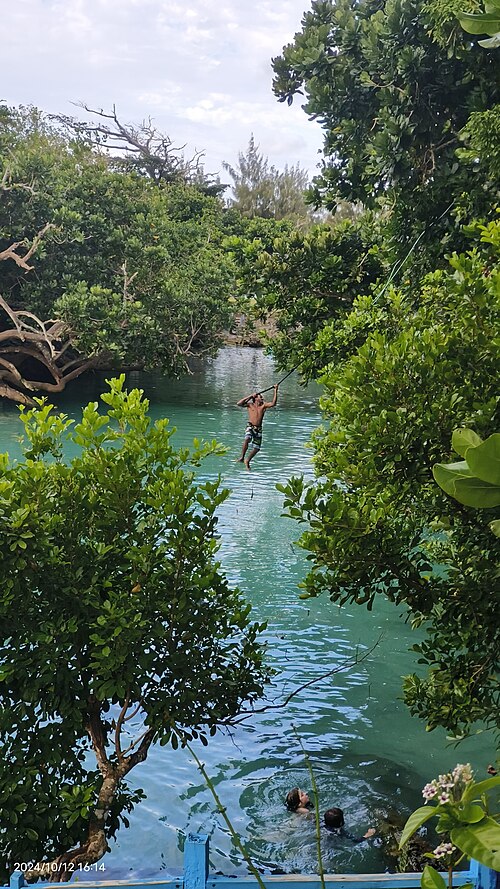
- Source- By Sheminghui.WU - Own work, CC BY-SA 4.0
- The Underwater Post Office: Off the coast of Hideaway Island, you’ll find the world’s only underwater post office. You can buy waterproof postcards on land, snorkel down, and mail them to your family—a unique tradition that has become a hallmark of Vanuatu travel.
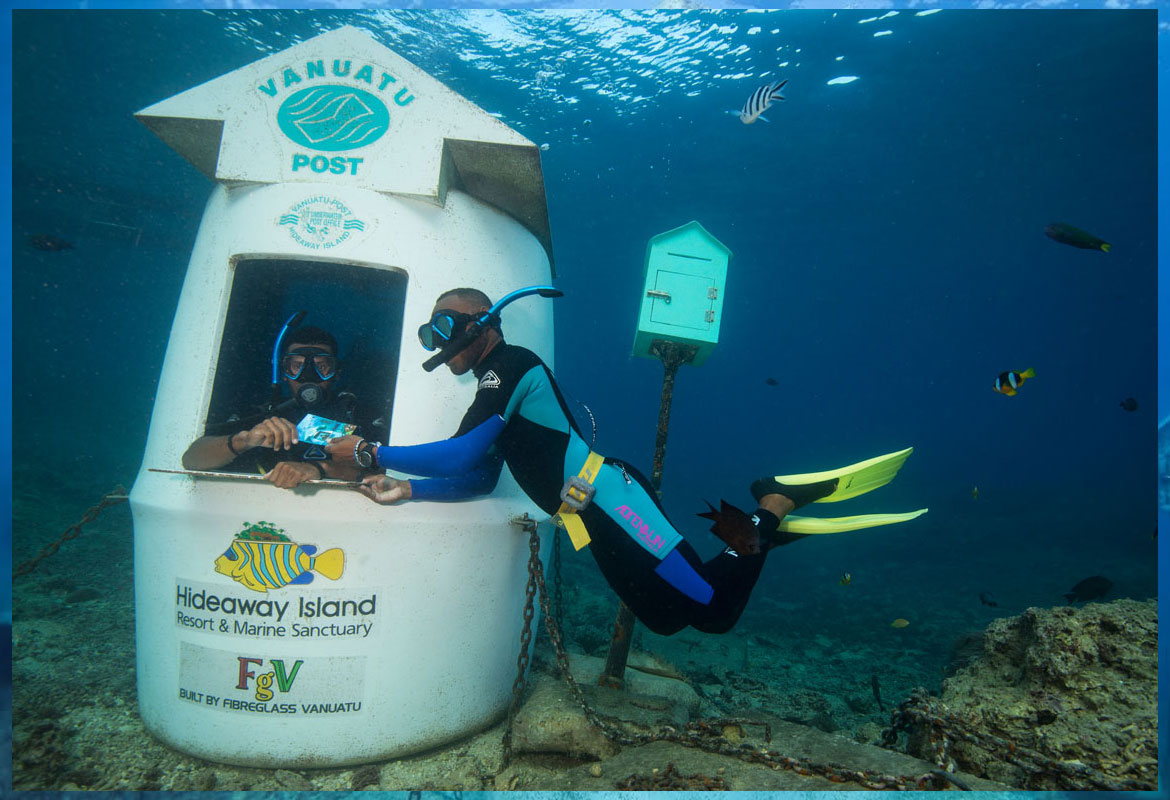
- Source- Vanuatu Post
2. Tanna: The Heart of Fire
A 40-minute flight south brings you to Tanna, an island that feels like it belongs to another era.
- Mount Yasur: Often called the "world’s most accessible active volcano," Mount Yasur has been erupting almost continuously since Captain Cook first spotted it in 1774. In 2026, guided tours allow you to stand on the crater's rim at sunset. Watching the molten lava illuminate the ash plains against the night sky is a powerful, life-changing encounter with the raw energy of the Earth.
- Custom Villages: Tanna is the best place to experience "kastom." Visiting a local village allows you to witness traditional dances and learn about the local way of life, which remains deeply connected to the land and the ancestral spirits.
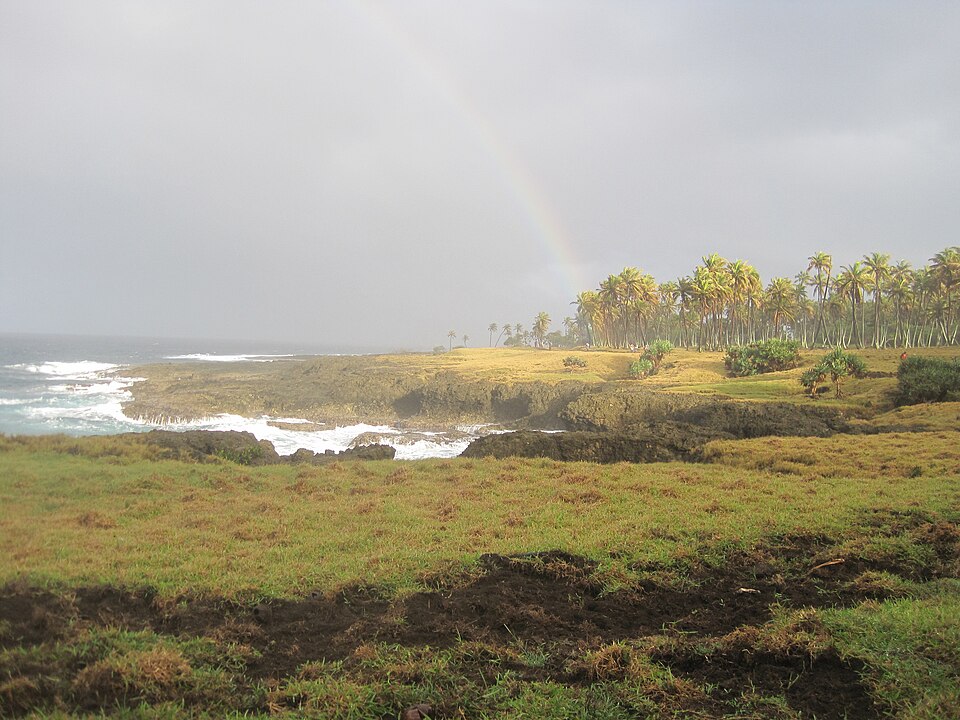
- Source- By Rafael Ávila Coya - IMG_4822, CC BY-SA 2.0
3. The Digital Compass: Navigating the Islands with an eSIM
While the goal of a Pacific escape is often to "unplug," navigating Vanuatu’s diverse geography requires a stable digital connection. Between coordinating inter-island flights, checking weather alerts for volcanic activity, and navigating the winding roads of Santo, staying connected is a primary safety and logistics essential.
The Connectivity Challenge Traditional roaming in the South Pacific can be prohibitively expensive, and hunting for a physical SIM card at the airport can take up valuable exploration time. Furthermore, Vanuatu’s island geography means that while Wi-Fi in major hotels is reliable, it is nearly nonexistent once you head into the mountains or out to the coves.
The Seamless Solution The most efficient way to maintain your independence is to secure a Vanuatu-compatible eSIM before you depart.
Instant Activation: An eSIM allows you to activate a local 4G or 5G data plan the moment you land at Bauerfield International Airport. This ensures your GPS is live, your digital tickets are accessible, and you can stay in touch with local guides via messaging apps—the standard for communication in the islands.
- Reliable Navigation: Whether you are using Google Maps to find the entrance to a hidden blue hole or looking up the "kastom" fees for a specific beach, having data at your fingertips provides a level of confidence that paper maps simply cannot match.
4. Espiritu Santo: Blue Holes and History
Known simply as "Santo," this is the largest island in the archipelago and a sanctuary for both history buffs and nature lovers.
- Champagne Beach: Frequently cited as one of the most beautiful beaches in the world, its name comes from the volcanic gases that occasionally bubble up through the sand at low tide, making the water feel like a glass of fizzing champagne.
- The Blue Holes: Santo is famous for its "Blue Holes"—natural freshwater springs that rise through limestone, creating pools of intense, deep sapphire blue. Nanda Blue Hole and Matevulu Blue Hole are the most iconic, where you can kayak through a jungle river to reach the swimming areas.
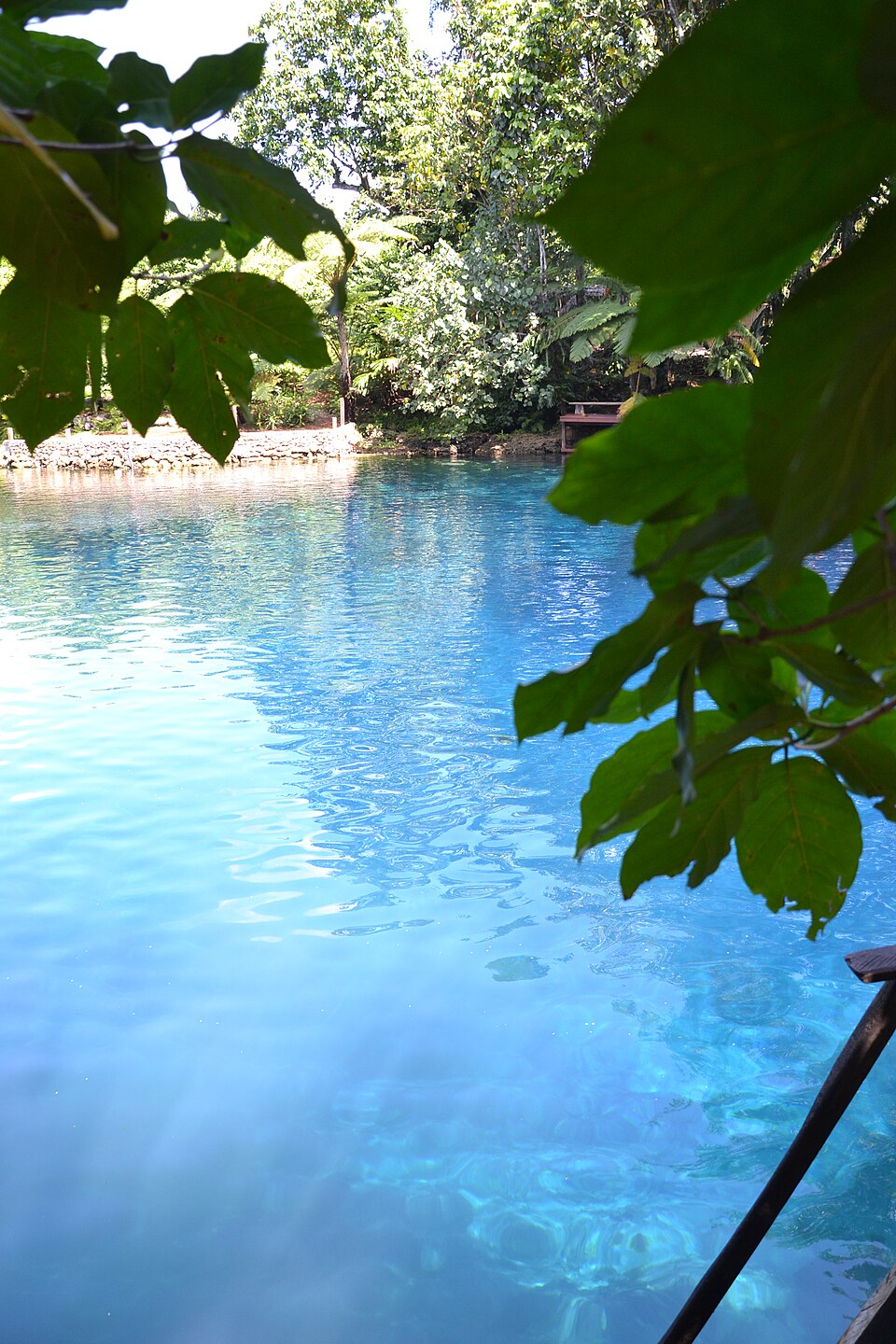
- Source- Simon_sees from Australia, CC BY 2.0, via Wikimedia Commons
- SS President Coolidge: For divers, this is the ultimate destination. The Coolidge was a luxury ocean liner converted into a troopship during WWII. It hit a mine in 1942 and remains one of the largest and most accessible shipwrecks in the world.
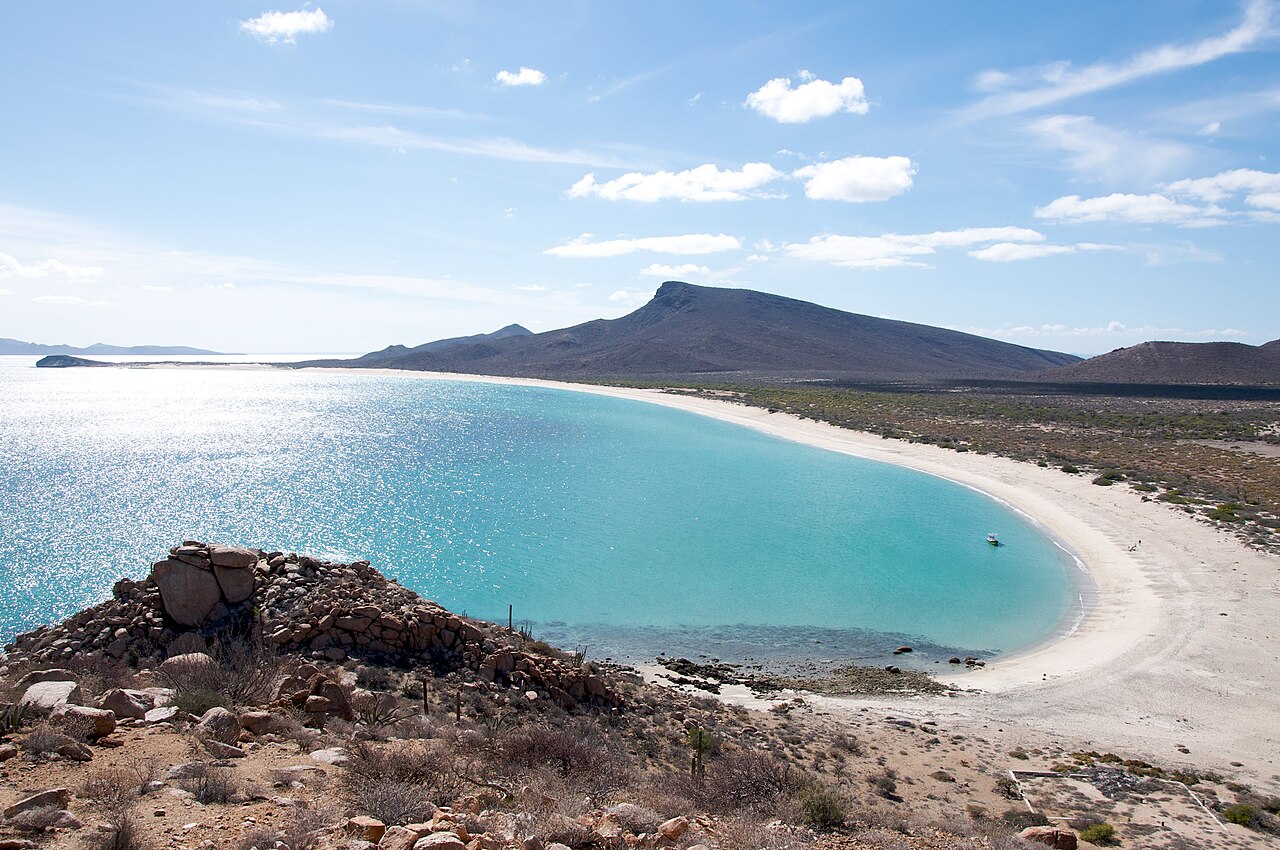
- The beach on Espíritu Santo. Source- By Sam Beebe/Ecotrust, CC BY-SA 3.0
5. A Taste of the Islands
Vanuatuan cuisine, known locally as aelan kakae, is a celebration of the garden and the sea. Because the islands are a fertile volcanic archipelago, the produce is vibrant and the flavors are clean.
- Lap Lap: The national dish of Vanuatu. It is a savory pudding made from grated root vegetables (like taro, yam, or cassava) mixed with coconut cream and slow-cooked in banana leaves under hot stones. While versions vary by island, you will often find it topped with beef, chicken, or fresh seafood.
- Simboro: Similar to Lap Lap, these are rolls of grated root vegetables wrapped in island cabbage leaves and simmered in a rich coconut cream sauce. It is a hearty, nutritious staple of local dining.
- Coconut Crab: A true delicacy of the islands. This massive crustacean feeds on coconuts, giving its meat a rich, sweet, and nutty flavor that is unlike any other seafood.
- Fresh Tropical Bounty: You will never tire of the local markets, where you can find "popo" (papaya), "pomplemouse" (a sweet variety of grapefruit), and the freshest pineapples you have ever tasted.
6. Essential Travel Etiquette: "Kastom" and Respect
The Ni-Vanuatu people are legendary for their hospitality, but as a guest, it is important to follow local protocols.
- Modesty: While beachwear is standard at resorts, it is respectful to dress modestly when visiting local villages or walking through Port Vila. Ensuring your shoulders and knees are covered is the standard practice and shows respect for the local culture.
- No Tipping: Tipping is not a part of the culture in Vanuatu and is often considered a sign of a "favor" that may cause embarrassment. A warm smile and a sincere "Tangkiu tumas" (Thank you very much) are the best ways to show your appreciation.
- Photography: Always ask for permission before taking a photo of a person or a village site. Many sites are on private land, and a simple ask is a vital sign of respect.
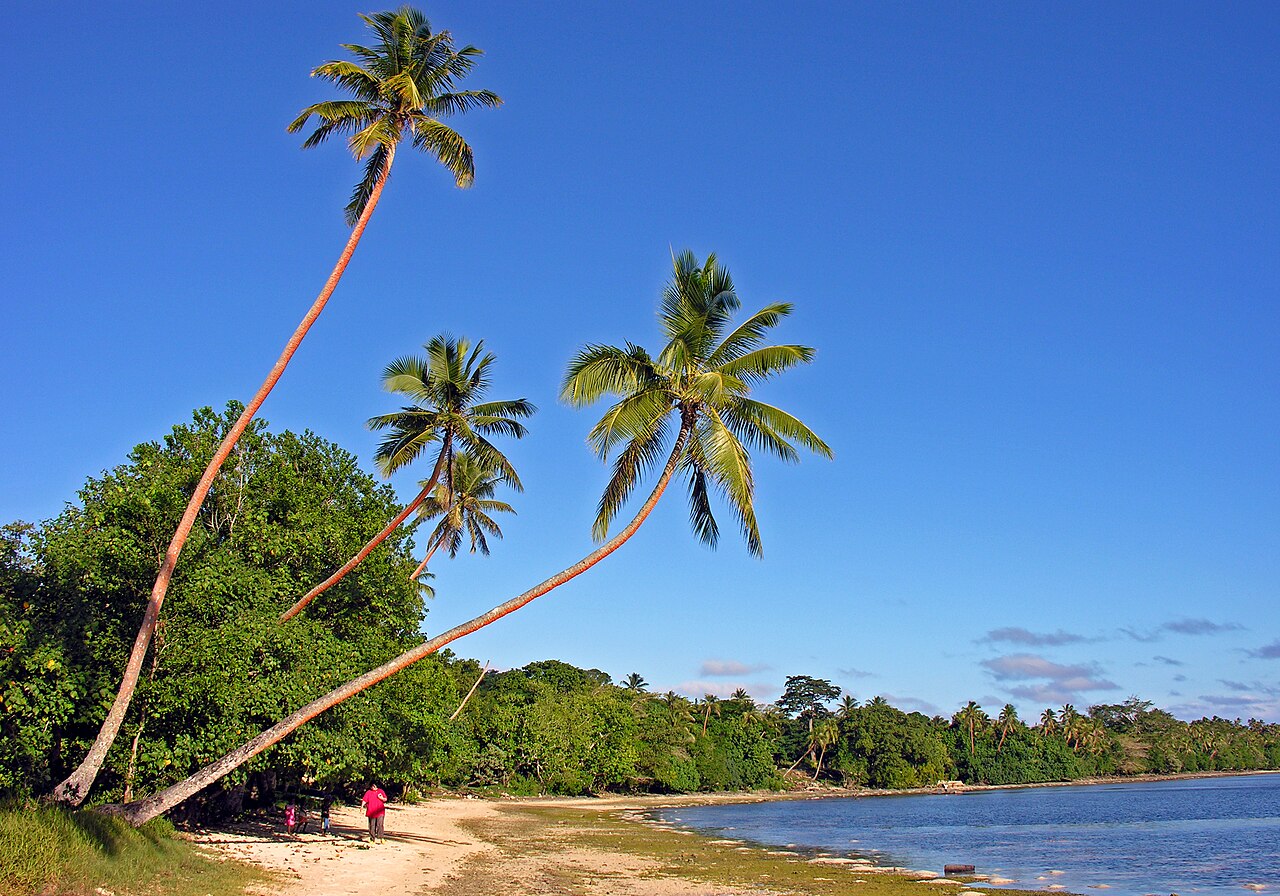
Erakor beach. Source- By Phillip Capper from Wellington, New Zealand - Erakor Beach, Efate, Vanuatu, 2 June 2006, CC BY 2.0
Why Visit Now?
Vanuatu is a destination that asks you to be a traveler rather than just a tourist. It is a place that hasn't been "over-polished," offering instead a raw, authentic connection to the Earth and its traditions. By preparing your logistics early and securing your digital connection with an eSIM, you can witness the spectacular, unvarnished beauty of the South Pacific for yourself.