
Uruguay: The South American Sanctuary of Slow Travel
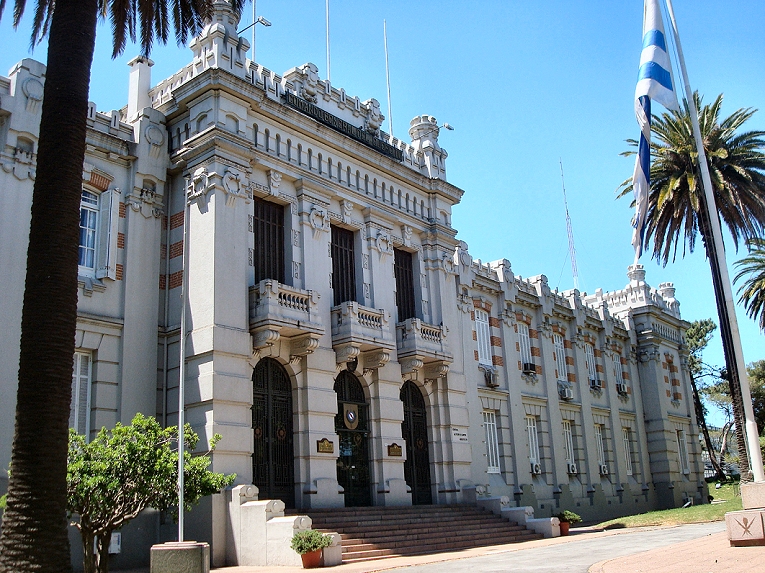
In the landscape of South American travel, Uruguay often plays the role of the quiet, sophisticated neighbor. While its larger border-mates command the headlines with sheer scale, Uruguay captures the heart with its stability, safety, and a philosophy of "tranquilidad." In 2026, it remains one of the continent's best-kept secrets—a place where the cattle outnumber the people and the sunset over the Río de la Plata is treated with the reverence of a religious event.
Whether you are navigating the historic plazas of the capital or the shifting dunes of the Atlantic coast, Uruguay offers a journey into the soul of the Southern Cone.
1. Montevideo: The Capital of Culture and the Coast
Uruguay’s capital, Montevideo, is a city that invites you to walk. Unlike the frantic energy of other major hubs, Montevideo feels like a collection of seaside neighborhoods connected by the world's longest continuous sidewalk.
- The Rambla: This 22-kilometer waterfront promenade is the city's pulse. Int remains the ultimate destination for "people watching." You’ll see locals from all walks of life sharing Mate (the traditional herbal tea) as they walk, cycle, or simply sit on the stone sea wall.
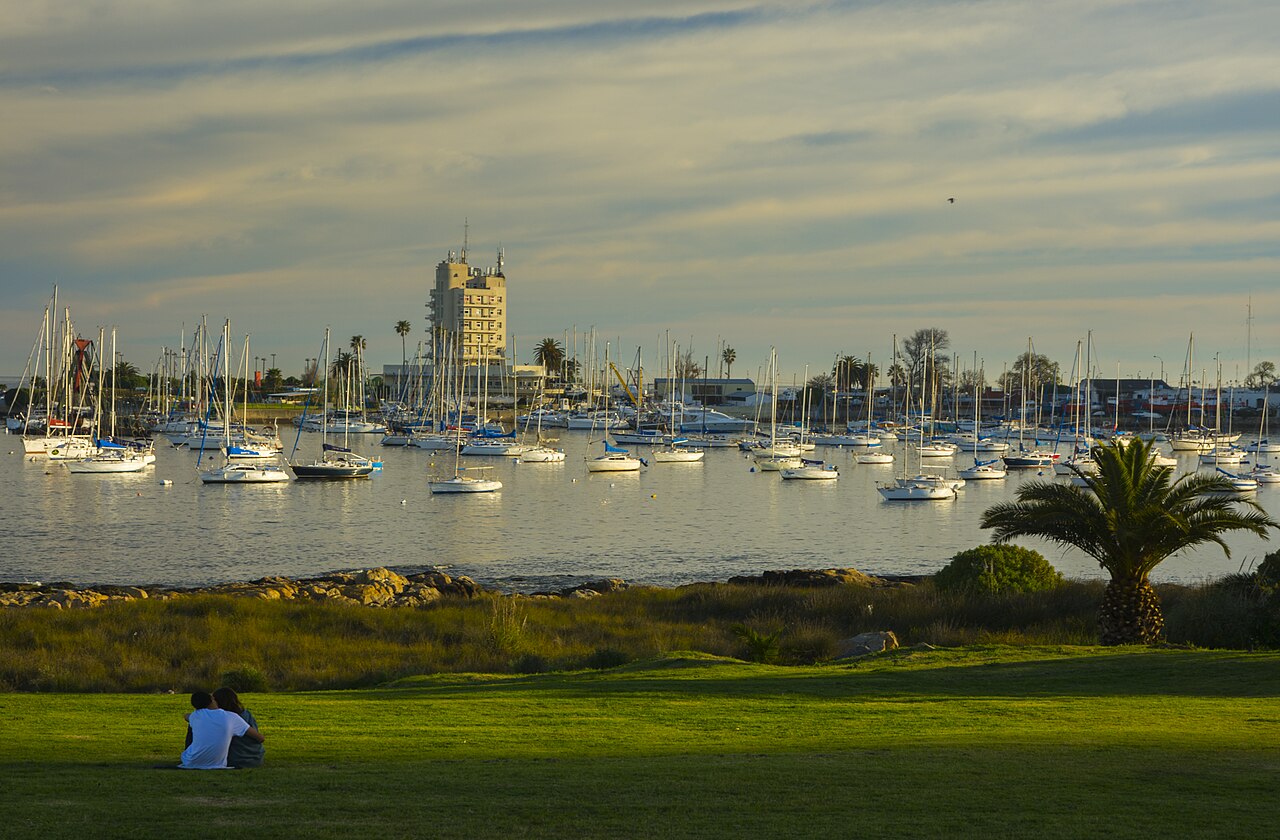
- Yacht Club, Montevideo. Source- By Alejandro Kerekes - Own work, CC BY-SA 3.0
- Ciudad Vieja (Old Town): Enter through the Puerta de la Ciudadela and step into a maze of colonial architecture and artisan markets. Don't miss Sarandí Street, a pedestrian artery filled with bookstores and galleries.
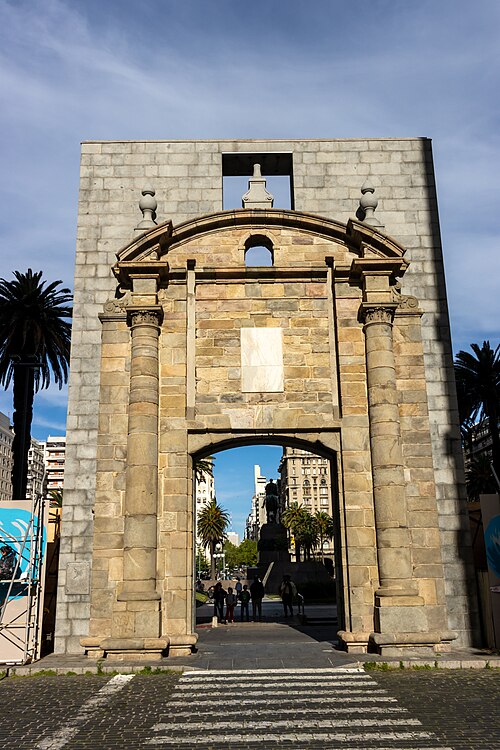
- Source- By Photograph by Mike Peel (www.mikepeel.net). - Own work, CC BY-SA 4.0
- The Carnival Museum: Uruguay hosts the world’s longest Carnival (lasting 40 days). Even if you aren't there in February, this museum offers an incredible look at the vibrant masks, costumes, and the rhythmic Candombe drumming that defines Uruguayan identity.
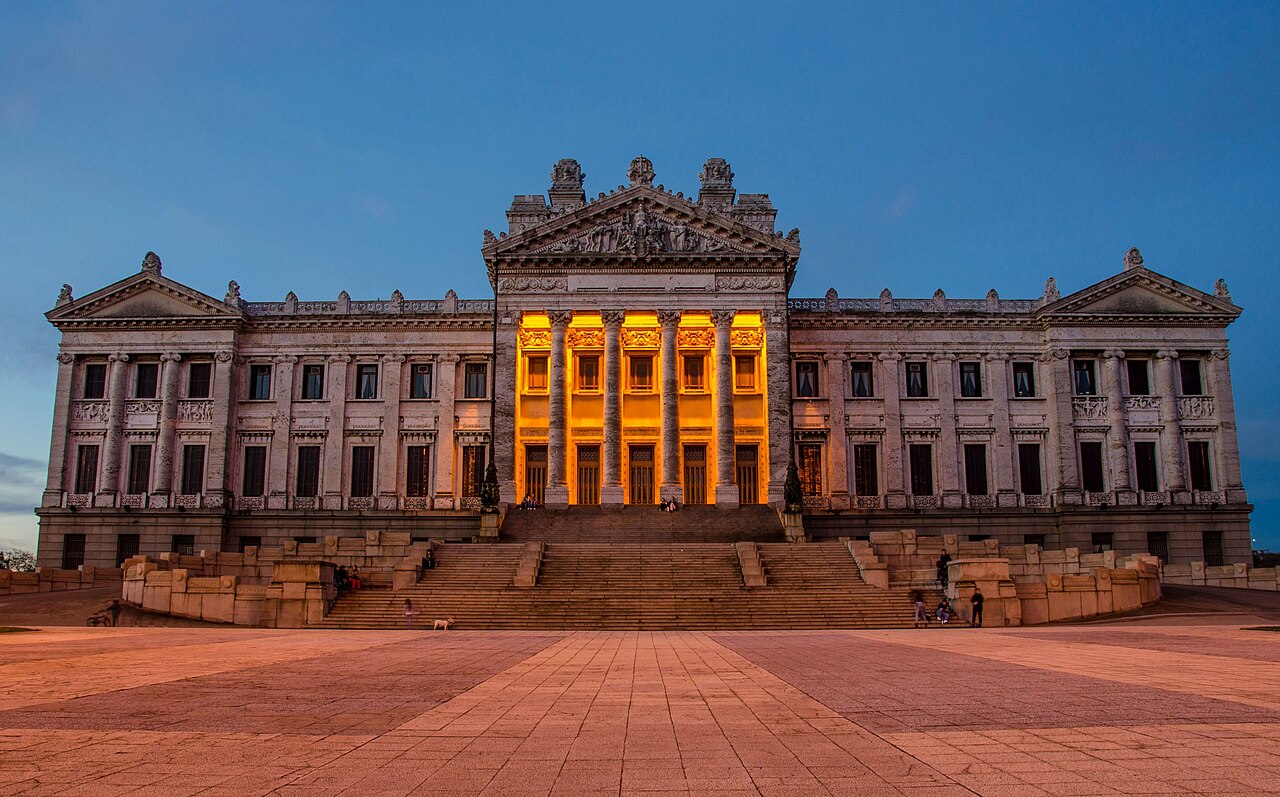
- The Legislative Palace of Uruguay. Source- By Gabboe - Own work, CC BY-SA 3.0
2. Casapueblo: The Living Sculpture
No journey to Uruguay is complete without a visit to Casapueblo in Punta Ballena. Created by the legendary Uruguayan artist Carlos Páez Vilaró, this sprawling, whitewashed citadel is often described as a "living sculpture."
Built by the artist’s own hands over several decades, its Mediterranean-style curves and lack of straight lines make it look like a permanent cloud resting against the cliffs. In 2026, it serves as a museum, art gallery, and hotel. The highlight is the daily "Sun Ceremony," where a recording of Páez Vilaró reciting a poem to the setting sun plays as the orb disappears into the Atlantic. It is a moment of profound artistic and natural harmony.
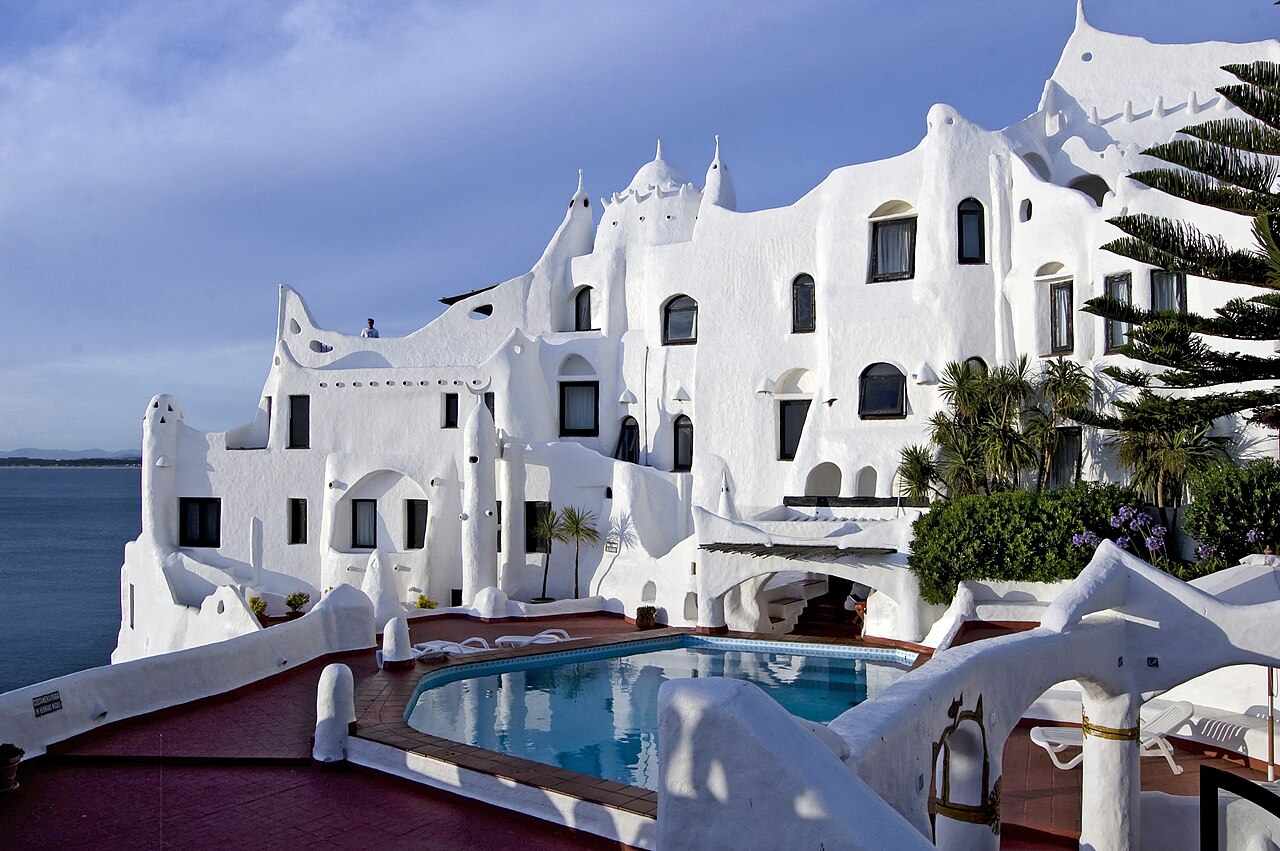
Source- By Wagner T. Cassimiro "Aranha" - originally posted to Flickr as Casapueblo, CC BY 2.0
3. Colonia del Sacramento: A UNESCO Time Capsule
A few hours west of the capital lies Colonia del Sacramento, a town so well-preserved it feels like a film set. Founded by the Portuguese in 1680, its historic quarter is a UNESCO World Heritage site.
- Calle de los Suspiros (Street of Sighs): Walk the uneven cobblestones of this 18th-century street, lined with colorful stucco houses and flowering bougainvillea.
- The Lighthouse: For the best perspective of the town and the vast river, climb the spiral stairs of the 19th-century lighthouse built among the ruins of a convent.
- The Harbor: Watching the small fishing boats bob in the water as the sky turns a deep violet is the quintessential "Colonia" experience.
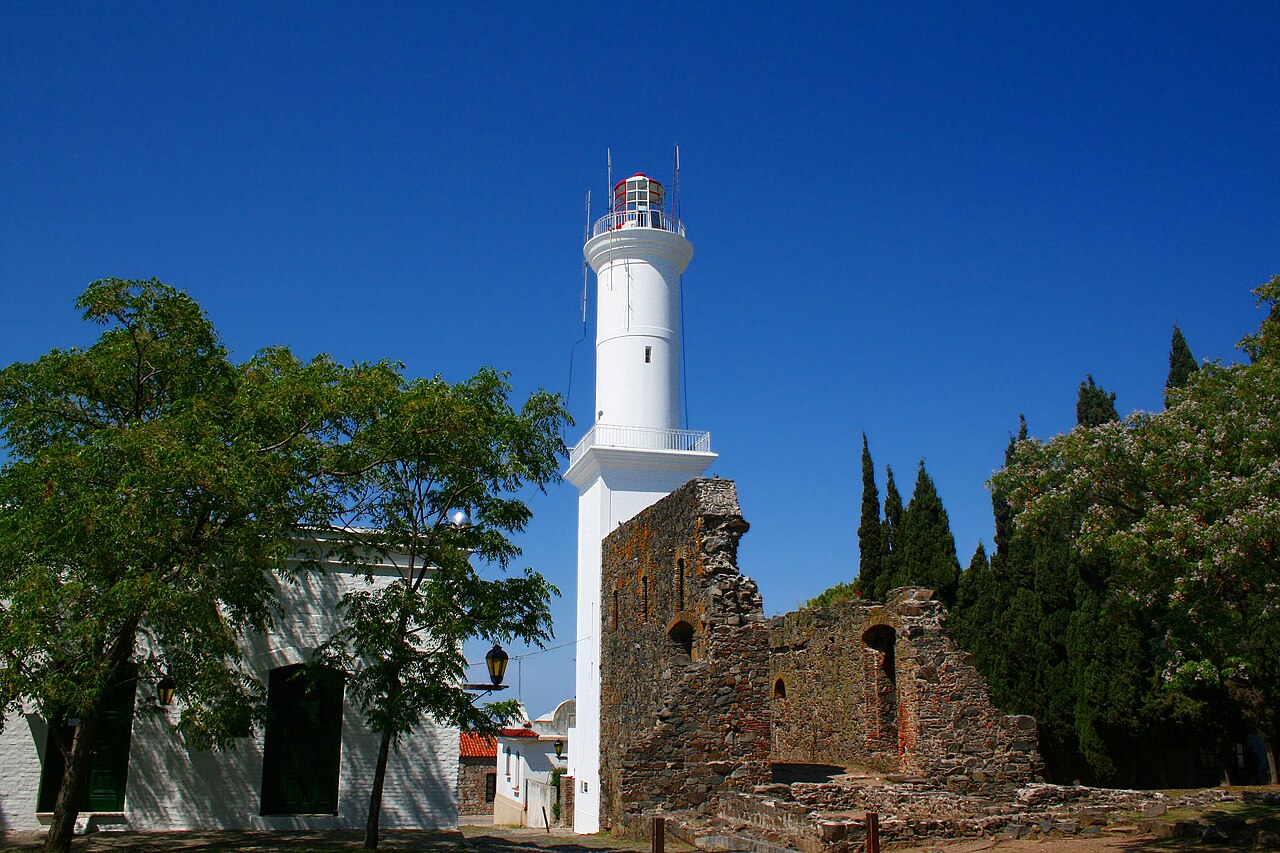
- Source- Diego Delso, CC BY-SA 3.0, via Wikimedia Commons
4. The Digital Compass: Staying Connected with an eSIM
While Uruguay is a land that encourages you to slow down, navigating its diverse landscapes requires modern tools. The nation is a regional leader in technology, and much of the travel experience has moved to digital platforms.
The Logistics Challenge
- Real-Time Navigation: If you are driving from the capital to the remote eastern coast, reliable GPS is a safety necessity. Road signs can be sparse in rural areas, and having live maps ensures you don't miss the turn for a hidden beach.
- Payment and Logistics: Uruguay has seen a massive surge in mobile payments. Many boutique guesthouses (estancias) and local markets prefer digital transfers. Furthermore, the 9% VAT reduction for foreign tourists using international cards is often tracked and applied through digital receipts.
The Solution: The Travel eSIM To ensure you have a data connection the moment you clear customs at Carrasco International Airport, provisioning a local eSIM before you arrive is the smartest move. An eSIM allows you to activate a local data plan instantly. This bypasses the need to hunt for physical SIM kiosks and allows you to use real-time translation tools, access your digital entry permits, and stay in touch with your family while exploring the high-altitude interior. It ensures you have high-speed 5G access for your entire journey, from the urban streets of the capital to the quietest corners of the countryside.
5. The Wild East: Cabo Polonio and Punta del Diablo
For those who want to see Uruguay at its most raw, head east toward the Brazilian border.
- Cabo Polonio: This is a place of absolute escapism. Accessible only by 4x4 vehicles across massive sand dunes, this tiny hamlet has no electricity or running water for most residents. It is home to one of the largest sea lion colonies in the world and offers some of the most spectacular stargazing on the continent.
- Punta del Diablo: Once a quiet fishing village, it has become a bohemian sanctuary for nature lovers. The colorful wooden cabins and rugged Atlantic surf offer a stark, beautiful contrast to the manicured resorts further south.
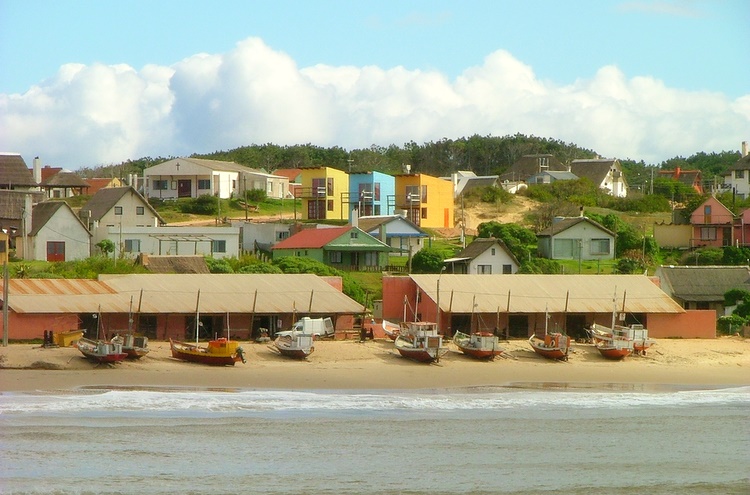
- Source- By Libertinus - لدينا اليوم جيد, CC BY-SA 2.0
6. A Taste of Uruguay
Uruguayan cuisine is a celebration of the "Asado" (barbecue) culture. The food is simple, high-quality, and deeply rooted in the nation’s heritage as a land of ranchers. All traditional protein options in Uruguay—including beef, lamb, and chicken—are prepared with immense pride. For those seeking high-quality traditional meals, Uruguay is a paradise of grass-fed beef.
- Asado de Tira: The cornerstone of any Uruguayan meal. These are beef short ribs slow-cooked over wood embers (never charcoal) until the meat pulls effortlessly from the bone.
- Chivito (Beef-Based): You can enjoy the national sandwich as a "Chivito de Lomo"—a tender, thin-sliced beef steak on a bun topped with mozzarella, lettuce, tomato, green olives, and a fried egg. It is arguably the best steak sandwich in the world.
- Milanesa: A thinly sliced beef or chicken breast, breaded and fried until golden. Try it "a la Napolitana," topped with tomato sauce and melted mozzarella cheese.
- Empanadas: These savory pastries are perfect for a quick lunch. Look for "Empanadas de Carne" (hand-cut beef, onions, and spices) or "Queso y Cebolla" (melted cheese and caramelized onions).
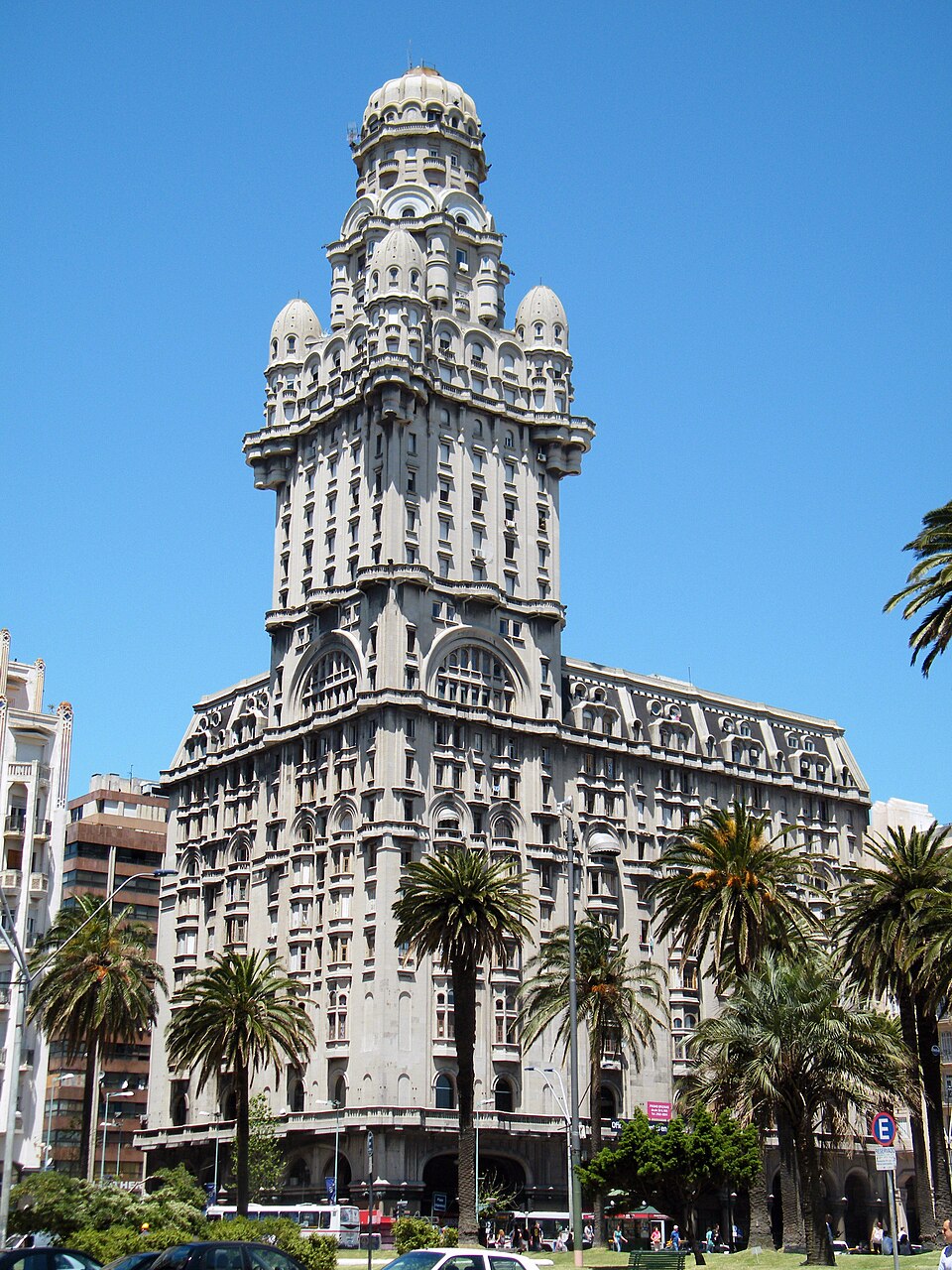
Palacio Salvo, built in Montevideo from 1925 to 1928, was once the tallest building in Latin America. Source- By Coolcaesar - Own work, CC BY-SA 3.0
Essential Travel Logistics
- Safety: Ranked as the safest country in South America. Exercise standard urban caution in Montevideo at night.
- Driving: On the right side of the road. Headlights must be on at all times, even during the day.
- Best Time: November to March (Summer) is ideal for beaches. March is perfect for the Gaucho festivals.
- Currency: Uruguayan Peso (UYU), though international credit cards are widely accepted and often result in a VAT tax refund at restaurants.
Why Visit Now?
Uruguay is a destination that feels incredibly human. It is a place that values conversation over speed and quality over quantity. By securing your digital connection with an eSIM for seamless navigation and traveling with a spirit of quiet curiosity, you can witness the spectacular, soulful heart of the Southern Cone for yourself.