
United Arab Emirates: A Journey into the Future of the Desert
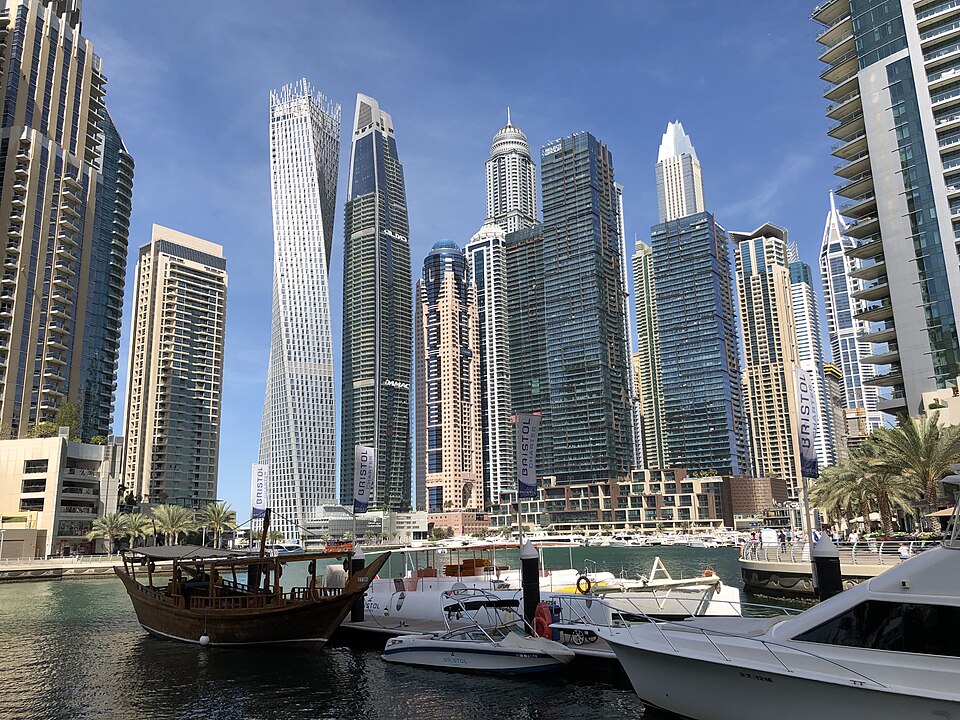
The United Arab Emirates (UAE) stands as a global beacon of what is possible when ancient heritage meets limitless ambition. It is a nation that has moved beyond being a mere transit hub to become a destination of profound depth. From the world’s most advanced "smart" cities to the silent, rolling dunes of the Empty Quarter, the UAE offers a sensory experience that feels simultaneously like a journey through history and a leap into the next century.
Whether you are navigating the high-tech corridors of Dubai or the serene, artistic heart of Abu Dhabi, the UAE is a masterclass in balance. Here is your factual, grounded guide to the Emirates.
1. Dubai: The City of Superlatives
Your journey likely begins in Dubai, a city that continues to break its own records. The skyline has evolved even further, with a focus on "Green Urbanism."
- The Museum of the Future: This torus-shaped architectural marvel, adorned with Arabic calligraphy, is more than just a museum; it is a gateway to the year 2071. It explores how technology can solve global challenges, offering a hopeful and immersive look at the world to come.
- Burj Khalifa and the Dubai Fountain: Standing at the base of the world’s tallest building remains a humbling experience. In 2026, the surrounding Downtown Dubai area is a pedestrian-friendly hub of art installations and high-end retail.
- Hatta Heritage Village: For a change of pace, head to the Hatta mountains. This exclave offers a glimpse into 16th-century Emirati life, surrounded by rugged peaks and the stunning turquoise waters of the Hatta Dam, perfect for kayaking.
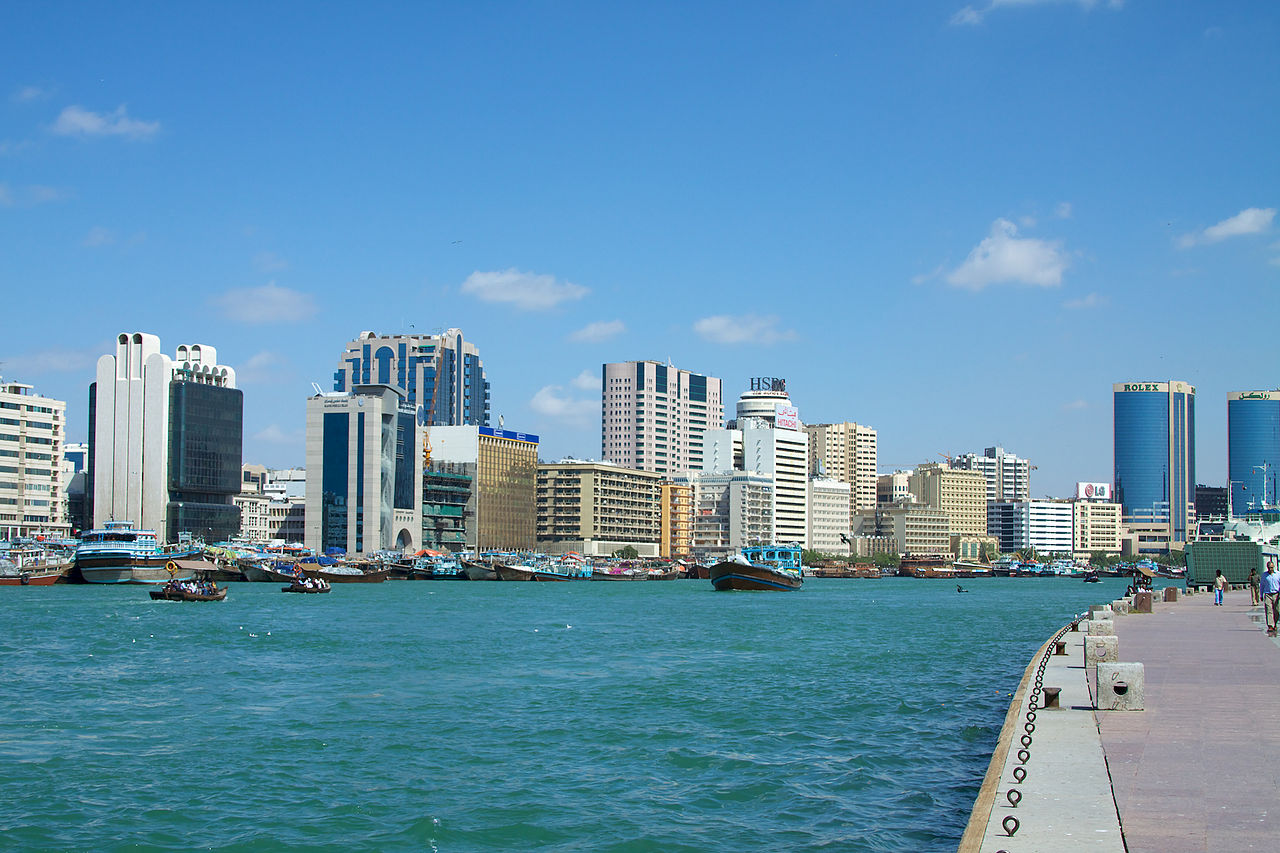
- Source- By McKay Savage from London, UK - Dubai Creek from Bur Dubai, CC BY 2.0
2. Abu Dhabi: The Cultural Capital
A short trip on the newly expanded Etihad Rail network—the UAE’s state-of-the-art passenger train service—brings you to the capital, Abu Dhabi.
- Sheikh Zayed Grand Mosque: This is one of the world's largest mosques and a masterpiece of Islamic architecture. Its 82 domes, 1,000 columns, and 24-carat gold-plated chandeliers are breathtaking. It is a place of profound peace and serves as a symbol of the UAE’s values of tolerance and diversity.
- Saadiyat Cultural District: In 2026, this district is a world-class arts hub. From the "Rain of Light" under the dome of the Louvre Abu Dhabi to the nearly completed Guggenheim Abu Dhabi, it is a sanctuary for those who seek inspiration through global art and history.
- Qasr Al Watan: The "Palace of the Nation" is an incredible working palace that invites the public to learn about the UAE’s governing traditions and its rich intellectual heritage.
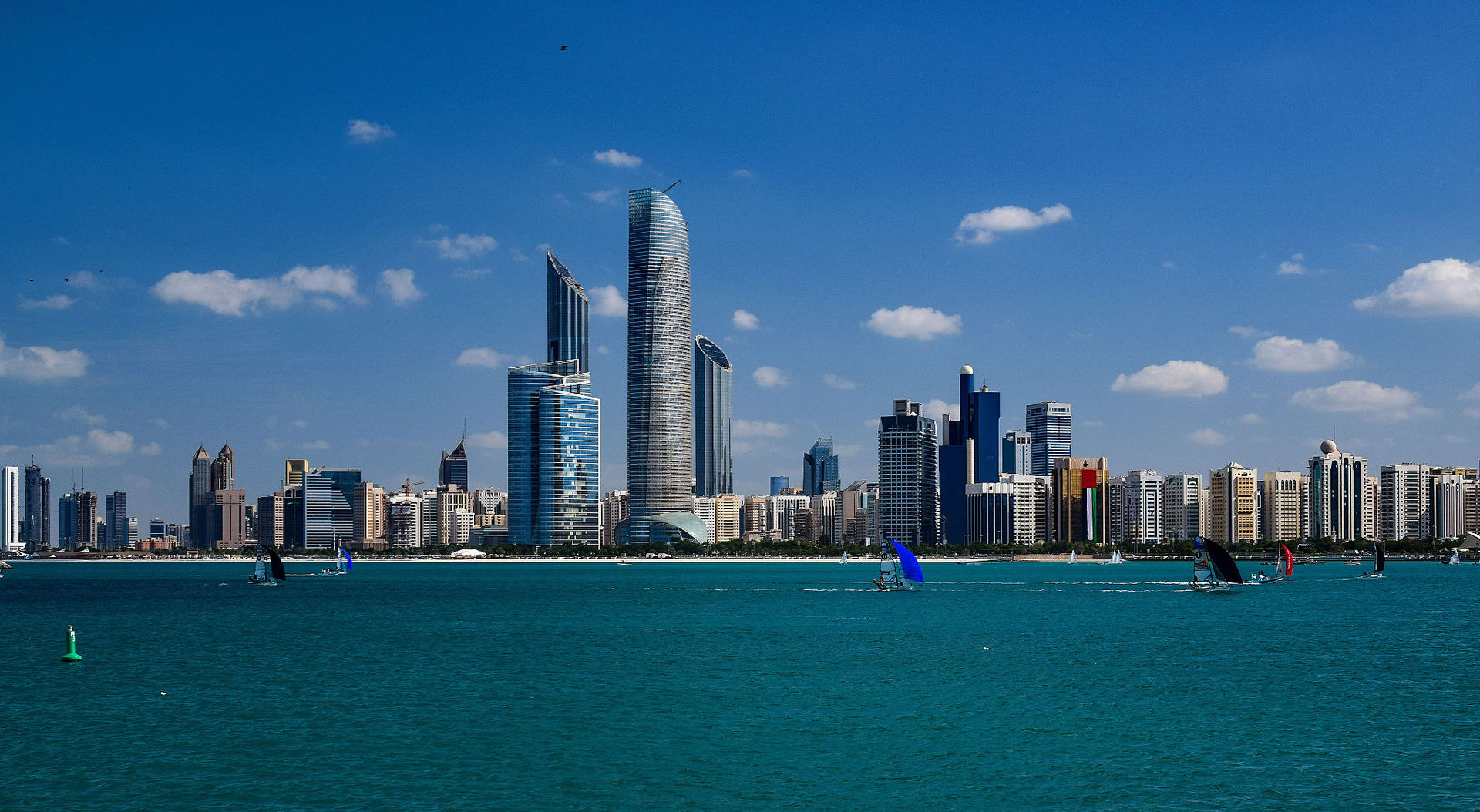
- Abu Dhabi skyline. Source- By Wadiia - Own work, CC BY-SA 4.0
3. The Digital Compass: Navigating the Smart Emirates
The UAE is one of the most technologically advanced nations on Earth. In 2026, many essential services—from booking a "flying taxi" (the newly launched aerial ride-sharing) to navigating the extensive Careem and S'hail transport apps—require a robust and constant data connection.
The Logistics Challenge Traditional travel often involved searching for a physical SIM card kiosk at the airport, which can be time-consuming and requires physical passport registration. In a nation where "Paperless" is the goal, physical cards are becoming a thing of the past.
The Seamless Solution: To ensure you are "online" the second you clear the Smart Gates at Dubai (DXB) or Abu Dhabi (AUH) airports, securing a UAE-compatible eSIM before you fly is the smartest move.
- Instant Connectivity: An eSIM allows you to activate a local data plan remotely.
- Essential Apps: You will need data to access your Al Hosn app (the national digital health and travel platform), use real-time GPS for the multi-lane highways, and access your digital tickets for the Museum of the Future. An eSIM keeps your primary number active for emergencies while providing high-speed local data for your adventures.
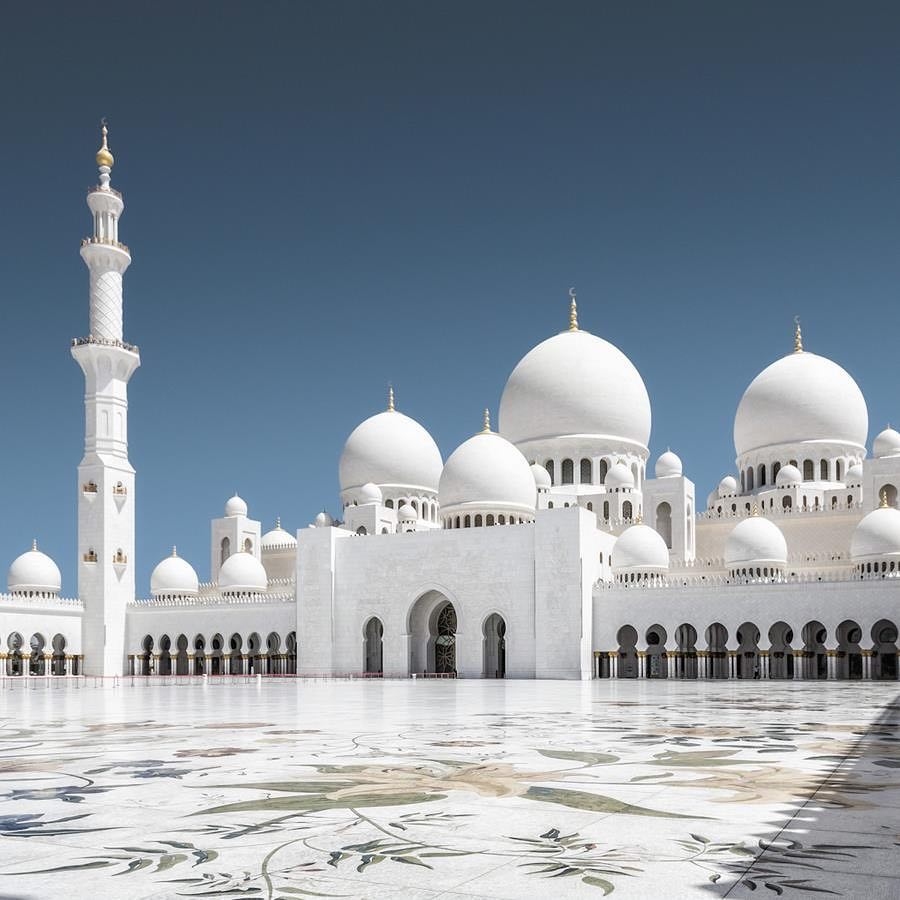
Sheikh Zayed Grand Mosque in Abu Dhabi. Source- By Wikiemirati - Own work, CC BY-SA 4.0
4. A Taste of the Emirates
Emirati cuisine is a flavorful celebration of the desert and the sea. Because the UAE is a predominantly Muslim nation, the culinary scene is a paradise for those seeking high-quality Halal dining.
- Machboos: Often considered the national dish, this is a fragrant one-pot meal made with long-grain rice, a blend of spices (Bezar), and tender lamb, chicken, or fresh local fish. It is rich, savory, and deeply satisfying.
- Harees: A traditional dish typically served during Ramadan and special occasions. It consists of cracked wheat slow-cooked with beef or chicken until it reaches a smooth, porridge-like consistency. It is simple, wholesome, and a true taste of Emirati heritage.
- Shawarma: While found across the region, the UAE’s shawarma—slow-roasted beef or chicken wrapped in soft khubz bread with garlic tahini—is a must-try street food.
- Luqaimat: For dessert, these are small, deep-fried dough balls drizzled with date syrup and sprinkled with sesame seeds. They are crunchy on the outside, soft on the inside, and pair perfectly with Arabic coffee.
- Gahwa (Arabic Coffee): Served in small cups (Finjan), this lightly roasted coffee flavored with cardamom and saffron is a symbol of Emirati hospitality.
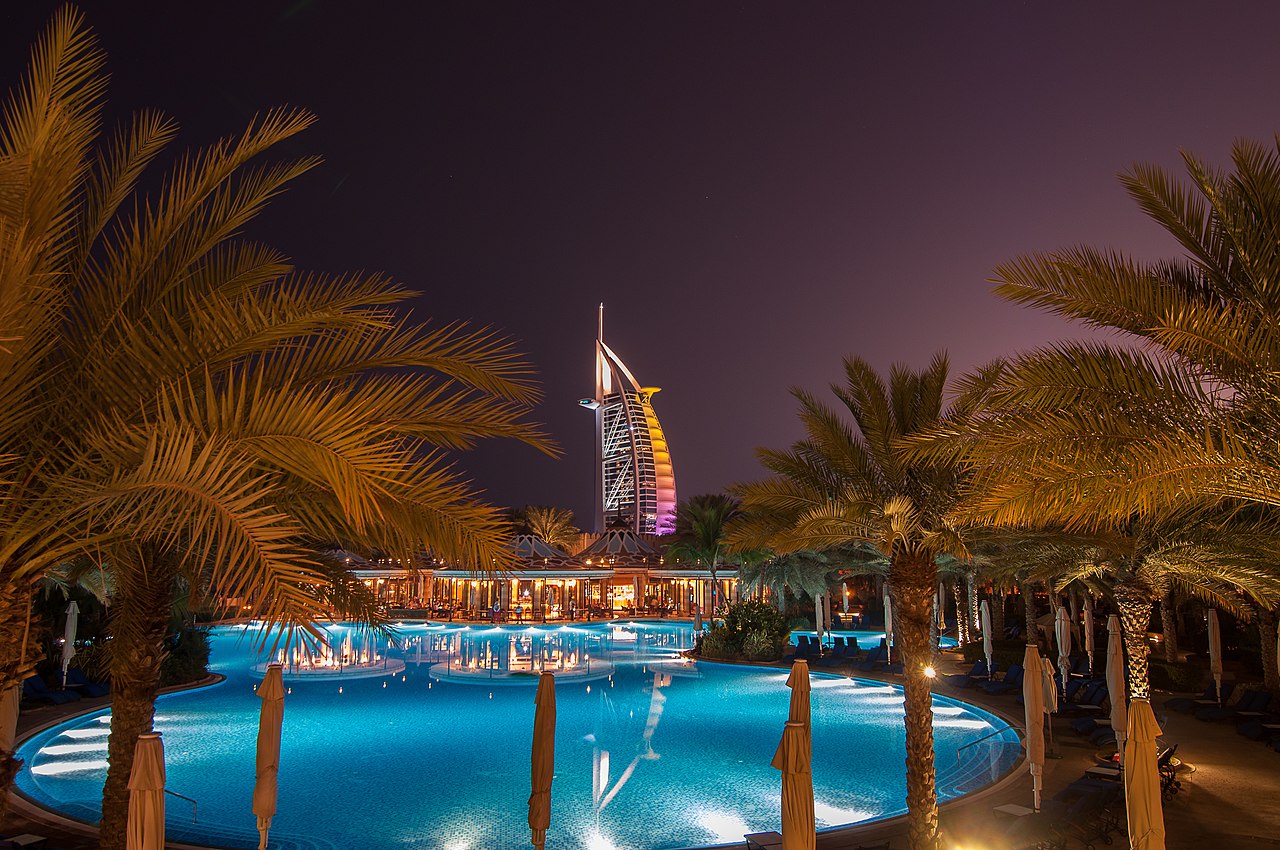
View of the Palm Jumeirah and Burj Al Arab. Source- By Marco Becerra from Lewisville, TX, USA - Burj Al-Arab, CC BY 2.0
5. Nature and Adventure: Beyond the Glass
While the cities are spectacular, the UAE’s natural landscape is equally compelling.
- Jebel Jais (Ras Al Khaimah): The highest peak in the UAE offers the "Jais Sledder" and a world-class zip-line. In 2026, the mountain air provides a cool refuge and spectacular views of the Hajar Mountains.
- The Empty Quarter (Rub' al Khali): A journey into the world’s largest contiguous sand desert is a soul-stirring experience. Stay in an eco-resort among the dunes to see the stars with a clarity that is impossible in the city.
- Al Zorah Mangroves (Ajman): Explore a thriving ecosystem of mangroves and lagoons by kayak. It is home to over 60 species of birds, including flamingos, offering a peaceful contrast to the urban energy.
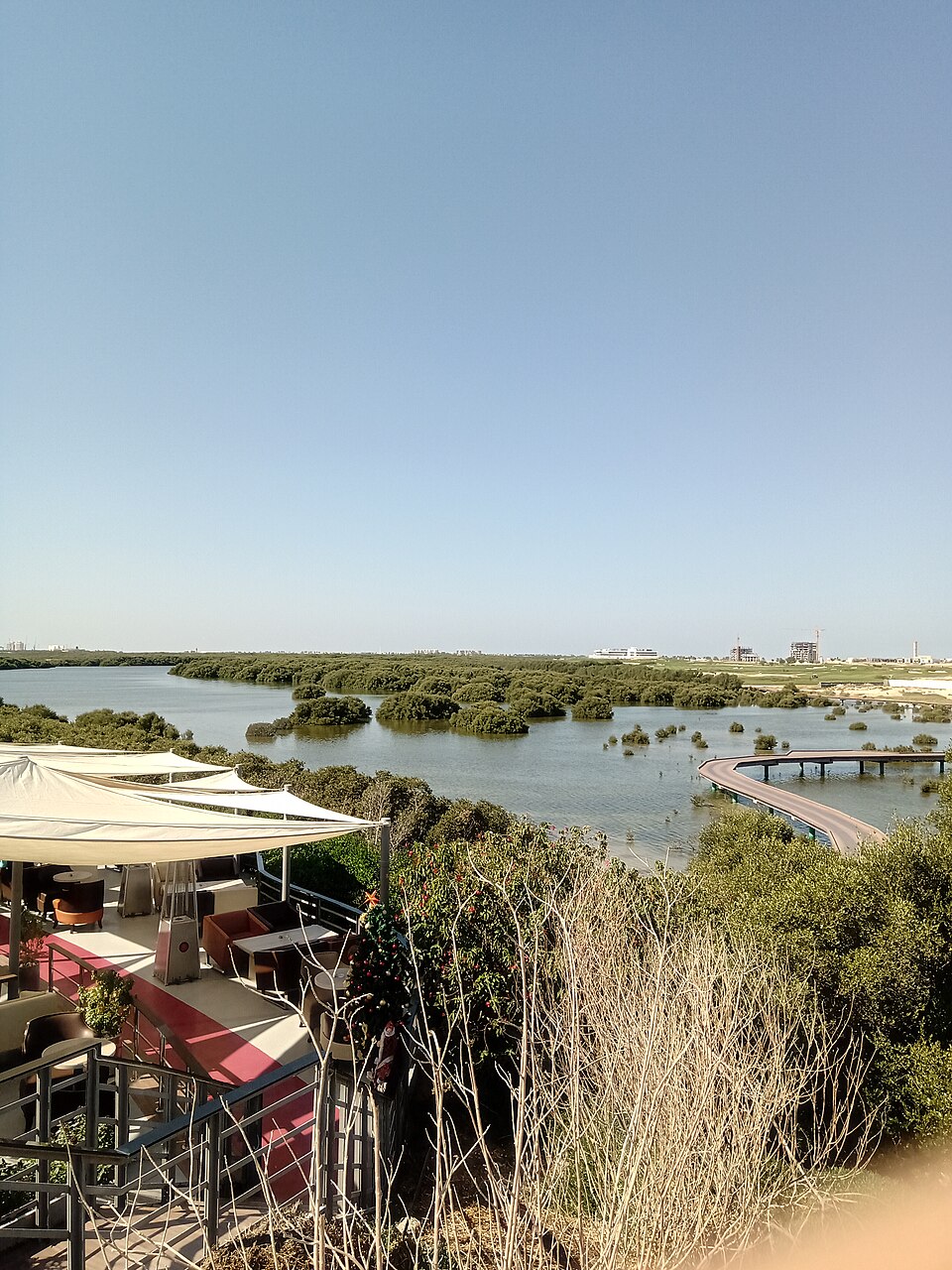
- Mangroves of Al Zorah, Ajman. Source- By Shabbir.hussainy - Own work, CC BY-SA 4.0
Essential Travel Tips
- Currency: The UAE Dirham (AED). While the UAE is almost entirely cashless and cards are accepted everywhere, carry a small amount of cash for traditional souks.
- Dress Code: While the UAE is cosmopolitan, it is a respectful society. When visiting malls or public spaces, ensure your clothing is modest (covering shoulders and knees). For mosques, full coverage is required.
- Safety: The UAE is consistently ranked as one of the safest countries in the world. Solo travel, including for women, is exceptionally safe.
- Weather: The best time to visit is between October and April. If you visit in the summer, focus on the incredible indoor attractions like SeaWorld Abu Dhabi or Ski Dubai.
Why Visit Now?
The UAE is a destination that proves you can have the convenience of the future without losing the texture of the past. It is a place where you can witness a falconry display in the morning and a robotic surgical demonstration in the afternoon. By securing your digital connection with an eSIM and traveling with a spirit of respect and curiosity, you can witness the spectacular soul of the Emirates for yourself.