
Uganda: A Journey through the Pearl of East Africa
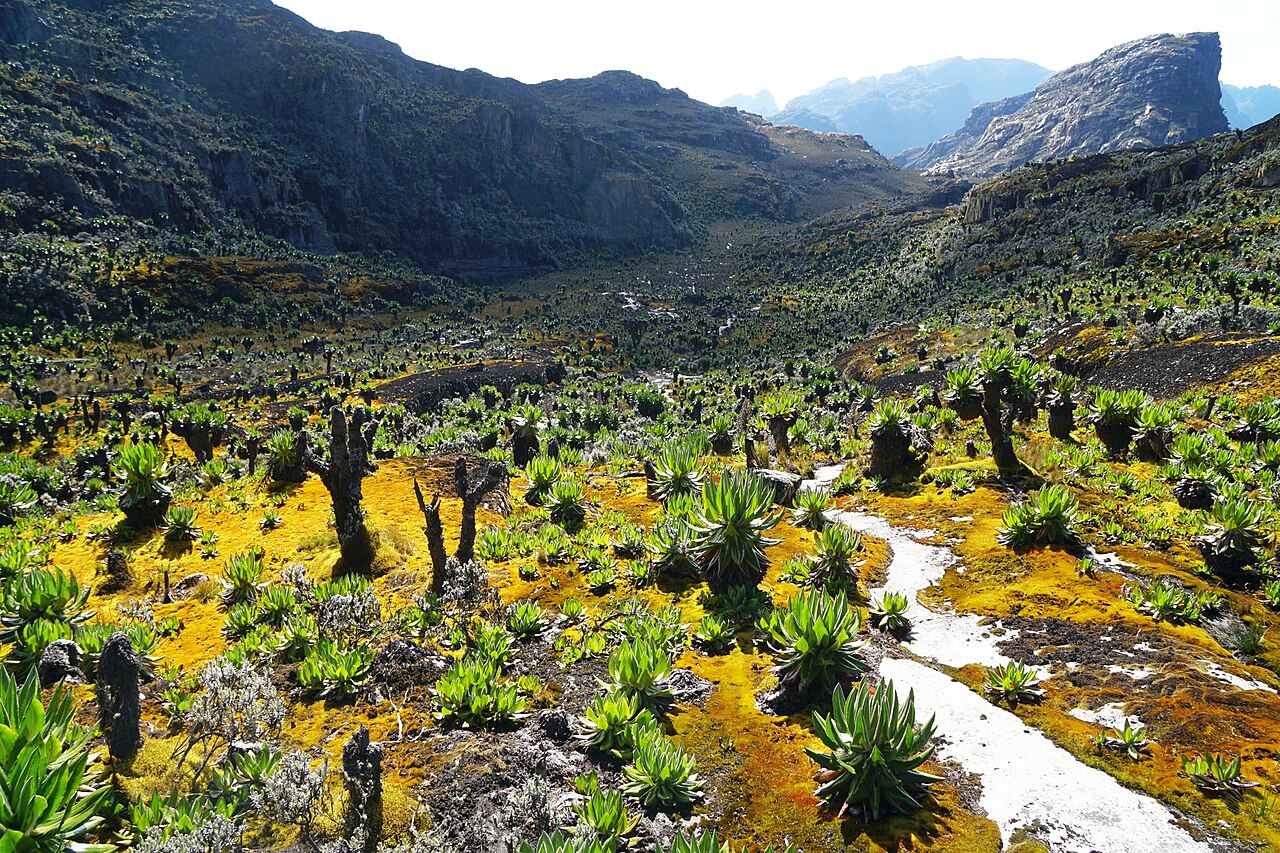
Uganda has long held the title of the "Pearl of Africa," a name popularized by Winston Churchill that remains remarkably accurate. This is a country where the East African savannah meets the West African jungle, creating a unique mosaic of ecosystems found nowhere else on the continent. From the snow-capped peaks of the Rwenzori Mountains to the source of the mighty Nile, Uganda offers an immersive, raw, and deeply rewarding travel experience.
The focus for many travelers has shifted toward sustainable, high-impact tourism. Uganda is leading the way, ensuring that every gorilla trek and savannah safari directly contributes to the conservation of its incredible biodiversity.
1. The Primate Capital: Bwindi and Kibale
For most, a journey to Uganda is defined by its primates. The country is home to over half of the world's remaining mountain gorillas and the highest density of primates in Africa.
- Bwindi Impenetrable National Park: This ancient, UNESCO-protected forest is a mist-covered sanctuary. Trekking here is a physical challenge that rewards you with a "once-in-a-lifetime" encounter with a silverback and his family. Permit systems are more streamlined, but booking at least six months in advance remains essential.
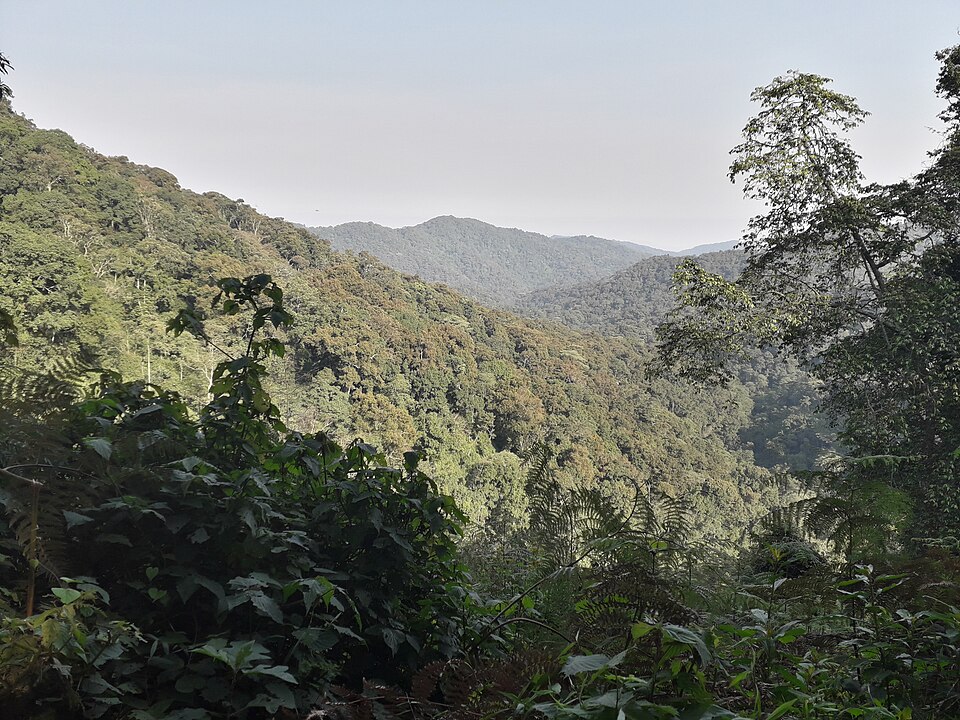
- Source- By Josefito123 - Own work, CC BY-SA 4.0
- Kibale Forest National Park: While Bwindi is for gorillas, Kibale is for chimpanzees. Following a troop through the canopy as they hoot and swing through the trees is an exhilarating experience. The park is also home to 12 other primate species, including the rare Red Colobus and L'Hoest's monkeys.
2. The Power of the Nile: Murchison Falls
Heading north, the landscape opens up into the vast savannahs of Murchison Falls National Park. The centerpiece here is the Nile River, which is forced through a narrow 7-meter gap in the rocks before plunging 43 meters into the "Devil's Cauldron."
A boat safari to the base of the falls offers a front-row seat to one of the world's most powerful displays of water. Along the banks, you’ll spot massive Nile crocodiles, pods of hippos, and elephants cooling off in the shallows. For the best perspective, hike to the "Top of the Falls" to feel the ground tremble beneath your feet as the river thunders past.
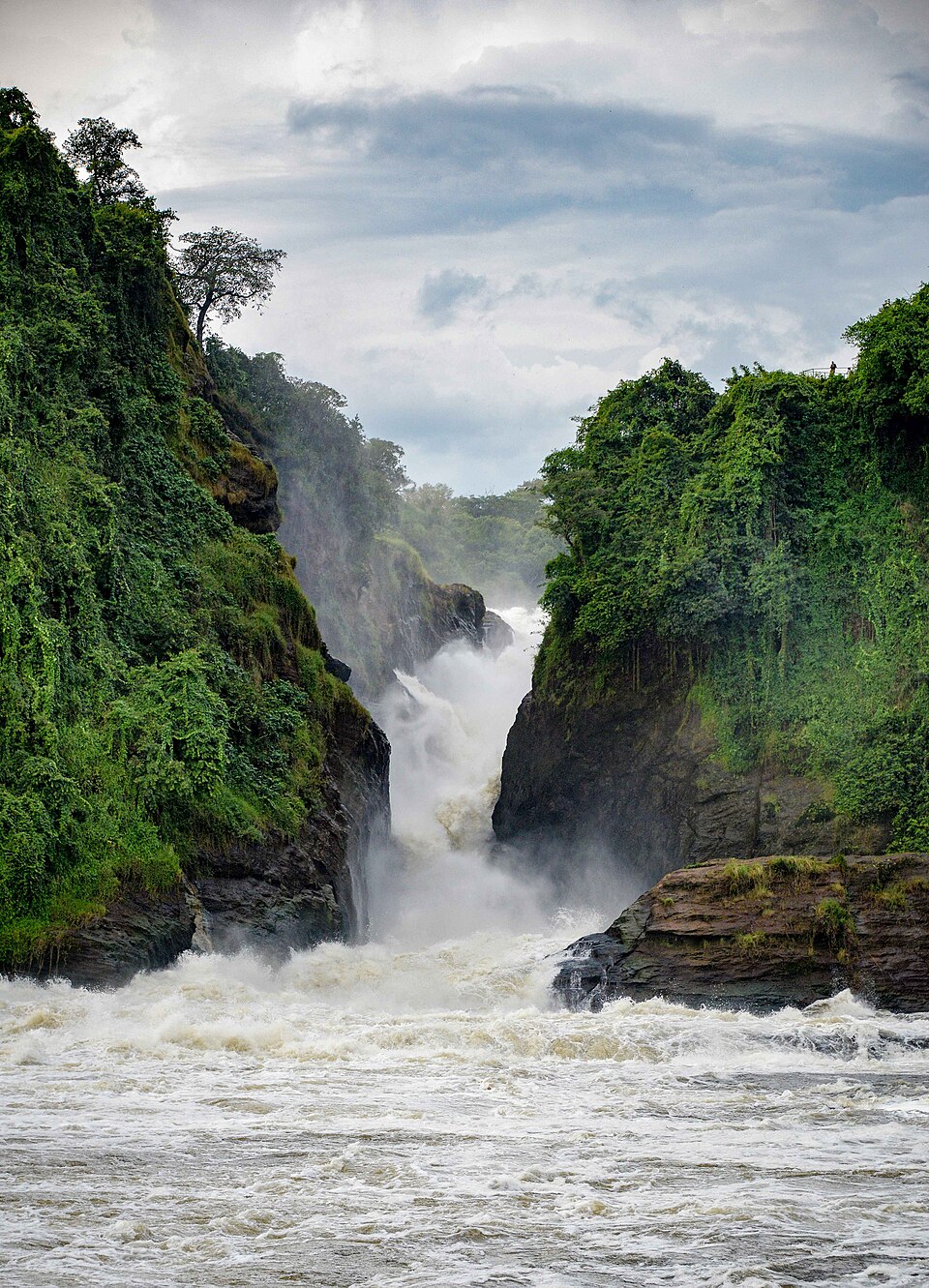
Source- By Rod Waddington - https://www.flickr.com/photos/rod_waddington/23475021234/, CC BY-SA 2.0
3. Staying Connected: The Digital Lifeline
While the goal of a safari is to immerse yourself in nature, navigating Uganda requires a high degree of digital preparation. Whether you’re coordinating with your guide in the deep forest or booking a last-minute bush flight, staying connected is a primary safety and logistics essential.
The Logistics Challenge Historically, acquiring a physical SIM card in Uganda was a time-consuming process involving passport registration and biometric data at specialized kiosks in Entebbe or Kampala. In the humidity of the rainforest or the dust of the savannah, physical cards can be prone to damage, and finding a replacement store in a remote area is nearly impossible.
The Solution: To ensure a seamless transition from the airport to the wild, securing a Uganda-compatible eSIM before you fly is the smartest move.
- Instant Connectivity: An eSIM allows you to activate a local data plan the moment your plane touches down at Entebbe International Airport.
- Reliable Navigation: Having a live connection is vital for using GPS in the rural provinces and staying updated on weather alerts—essential for mountain trekking where conditions shift rapidly.
- Safe Exploration: It ensures your digital entry permits and Yellow Fever certificates are always accessible on your device. Furthermore, it keeps you connected to your tour operator for real-time itinerary updates, all while keeping your primary number active for emergencies.
4. Savannah Secrets: Queen Elizabeth National Park
Located at the base of the Rwenzori Mountains, Queen Elizabeth National Park offers a classic African safari experience with a twist.
- The Tree-Climbing Lions: In the Ishasha sector of the park, lions have developed the unique habit of spending their afternoons draped over the branches of fig trees.
- Kazinga Channel: A boat cruise along this natural channel connecting Lake Edward and Lake George provides one of the highest concentrations of wildlife in the world. It’s a photographer’s paradise, where buffalo, waterbuck, and elephants congregate just meters from your boat.
- Kyambura Gorge: Known as the "Valley of Apes," this deep, sunken forest is a hidden world within the savannah, home to a small, isolated community of chimpanzees.
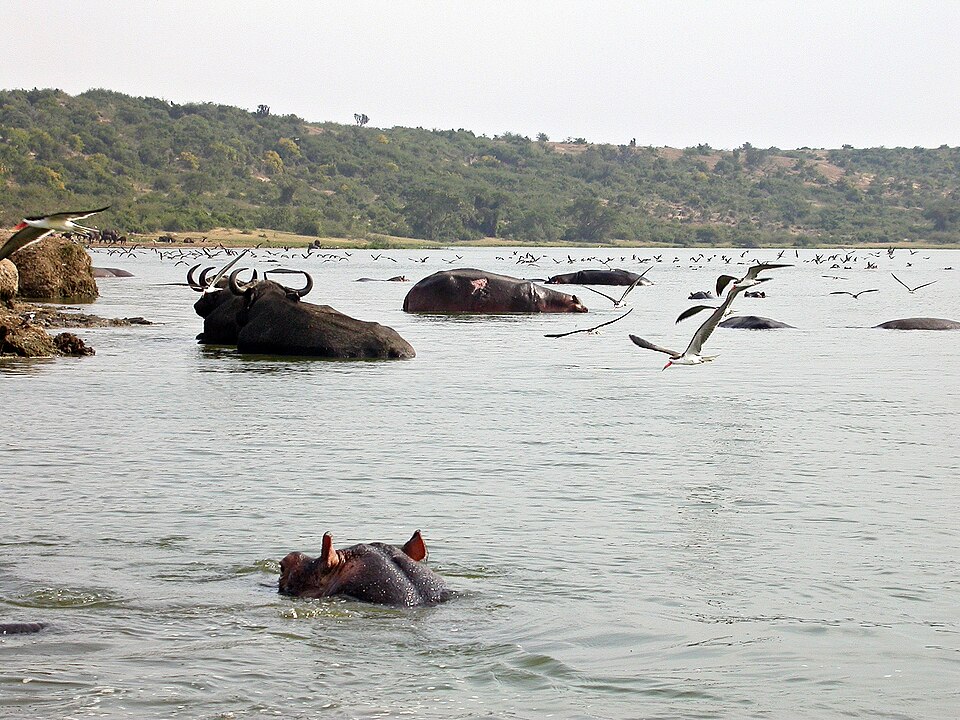
- Kazinga Channel. Source- By Duncan Wright - Own work, CC BY-SA 3.0
5. A Taste of Uganda
Ugandan cuisine is hearty and earth-driven, relying on the incredible fertility of the soil. For travelers seeking traditional options, the local menu is filled with savory highlights.
- Luwombo: This is the quintessential Ugandan dish, traditionally reserved for royalty and special guests. It consists of tender chunks of beef, chicken, or goat mixed with a rich groundnut (peanut) sauce and vegetables, all wrapped in a banana leaf and steamed for hours. The result is a smoky, melt-in-the-mouth delicacy.
- Matooke: Steamed and mashed green plantains. This is the national staple and is often served as a side to Luwombo or savory stews.
- Muchomo: For a quick snack, look for "muchomo" (roasted meat) stands. Skewers of seasoned beef or goat are grilled over open flames and served with roasted bananas or cassava.
- Tropical Abundance: Uganda’s pineapples and avocados are world-famous for their size and sweetness. A fresh fruit platter in the morning is the perfect fuel for a long day of trekking.
6. Essential Travel Tips
- The Currency: The Ugandan Shilling (UGX). While cards are increasingly accepted in lodges, cash is absolutely essential for tips, markets, and small-town stops. US Dollars (printed after 2021) are widely accepted for park fees and larger transactions.
- Health: A Yellow Fever vaccination certificate is mandatory for entry. Malaria is present, so consult with a professional regarding prophylaxis before you travel.
- Modesty: Uganda is a conservative society. When in towns or visiting local communities, it is respectful to dress modestly, covering your shoulders and knees.
- The "Green Season": While the dry seasons (June-August and December-February) are best for trekking, visiting during the rainy seasons (March-May and October-November) offers lush landscapes and "low season" rates at many luxury lodges.
Why Visit Now?
Uganda is a destination that feels balanced. It offers the high-speed connectivity needed for modern travel through an eSIM, while preserving the raw, untouched beauty of its forests and plains. It is a country that doesn't just show you animals; it invites you to look into the eyes of a mountain gorilla and recognize a piece of yourself.