
Tunisia: A Journey from Mediterranean Blues to Saharan Gold
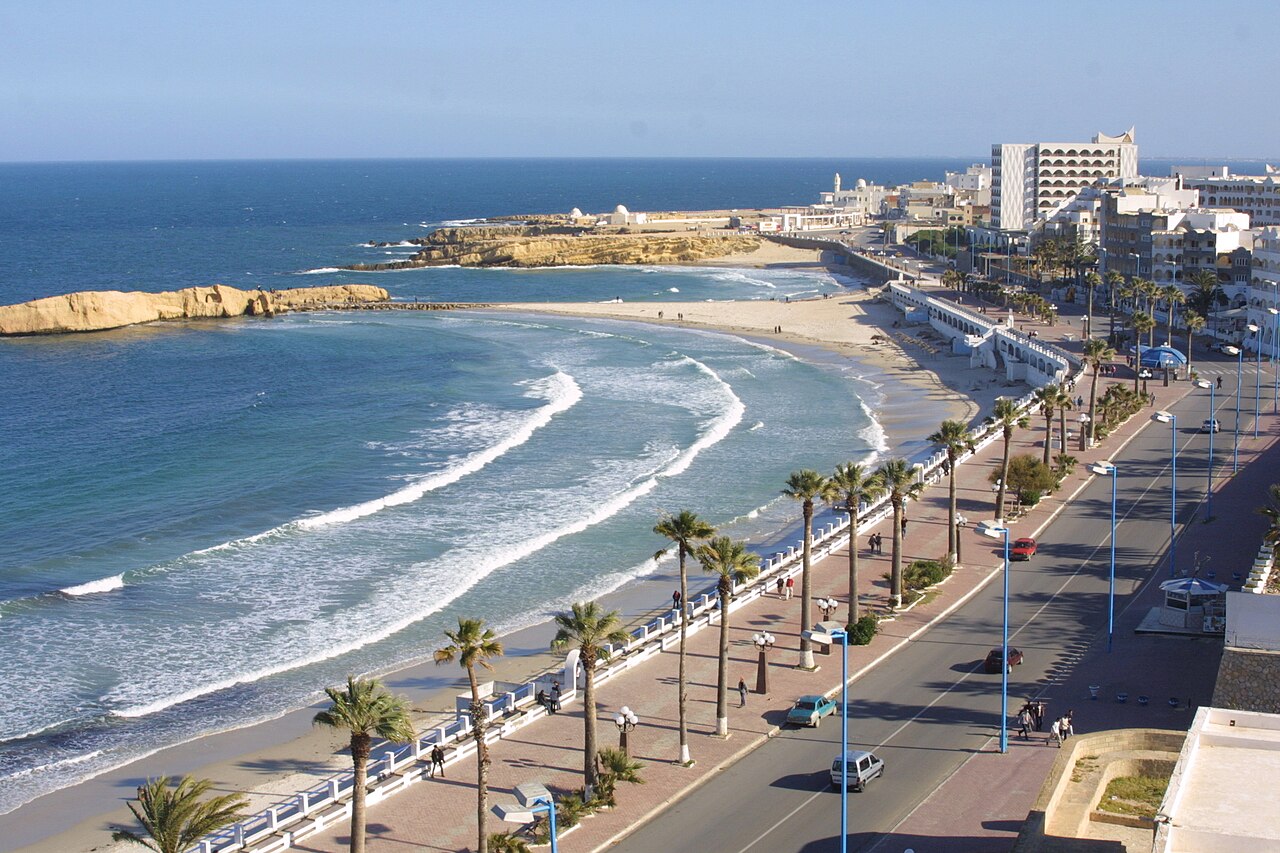
Source: By Monastir - album, CC0
Tunisia is a land where the whispers of history are carried on a Mediterranean breeze. In 2026, it stands as one of the most compelling destinations in North Africa, offering a blend of Roman grandeur, Islamic spirituality, and the silent, shifting sands of the Sahara. For the traveler who seeks depth beyond the typical resort experience, Tunisia provides an authentic, high-value journey into the heart of the Maghreb.
From the whitewashed alleys of Sidi Bou Said to the underground homes of Matmata, this is a country that rewards curiosity with spectacular landscapes and legendary hospitality.
1. The Coastal Icons: Tunis, Carthage, and Sidi Bou Said
Your journey begins in Tunis, a capital city that effortlessly bridges its colonial past with a vibrant, modern Arab identity.
- The Medina of Tunis: A UNESCO World Heritage site, the Medina is a labyrinth of over 700 monuments, including palaces, mosques, and fountains. Entering through the Bab el Bhar (Sea Gate), you’ll find yourself in a world of scented souks, vibrant textiles, and the historic Zitouna Mosque.
- The Ruins of Carthage: Once the seat of a mighty Phoenician empire that challenged Rome, Carthage is now a sprawling archaeological park. Wander through the Baths of Antoninus and the Punic Ports to feel the weight of centuries.
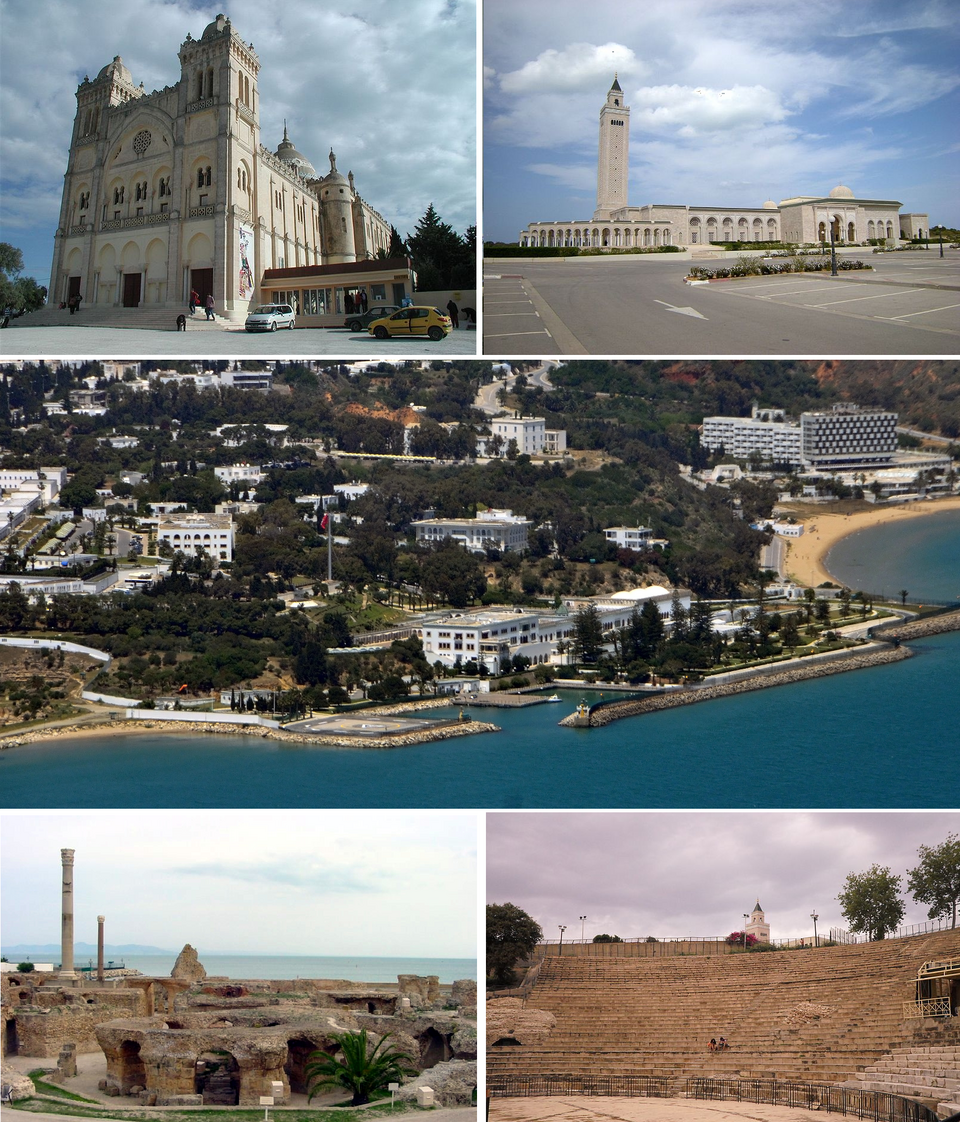
- Source- By ELEL09, montage - Author: Citizen59, Author: Issam Barhoumi, Author: Leandro Neumann Ciuffo, Author: Patrick Verdier, Author: nonanet, CC BY-SA 3.0
- Sidi Bou Said: Perched on a cliff overlooking the Gulf of Tunis, this village is a postcard of cobalt blue doors and blindingly white walls. It is a bohemian sanctuary where you can sip mint tea at the Café des Nattes and watch the sunset over the Mediterranean.
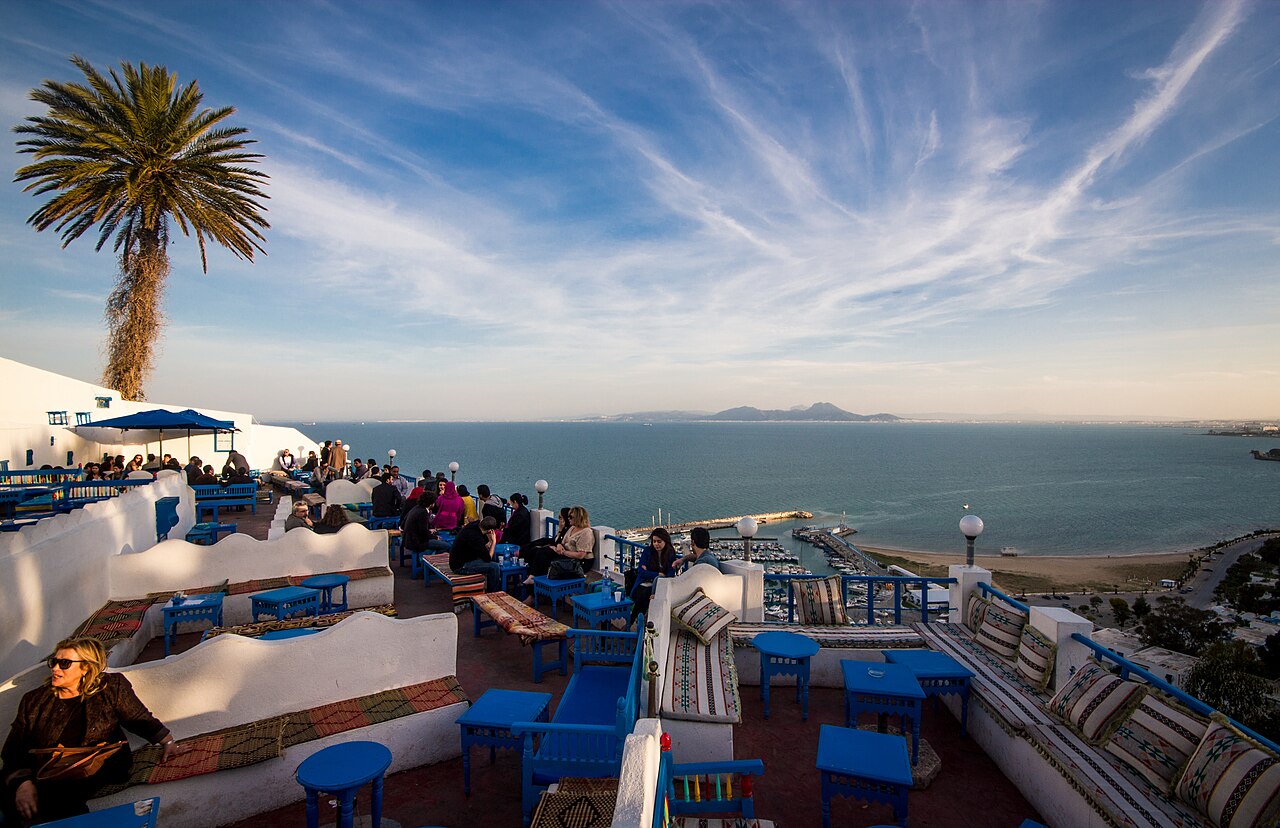
- Source- By Mohamed Moslem Mosbah - Own work, CC BY-SA 3.0
2. Stepping into the Roman Empire: El Djem and Dougga
Tunisia holds some of the best-preserved Roman ruins outside of Italy, often set against stunning natural backdrops.
- Amphitheatre of El Djem: Rising unexpectedly from the flat plains of the Sahel, this 3rd-century colosseum is almost as large as its counterpart in Rome. It is remarkably well-preserved, allowing you to walk the same underground tunnels used by gladiators.
- Dougga (Thugga): Perched on a hilltop surrounded by olive groves, Dougga is arguably North Africa’s most impressive Roman site. Its Capitol, theater, and temples remain standing in their original setting, offering a silent, cinematic look at ancient civic life.
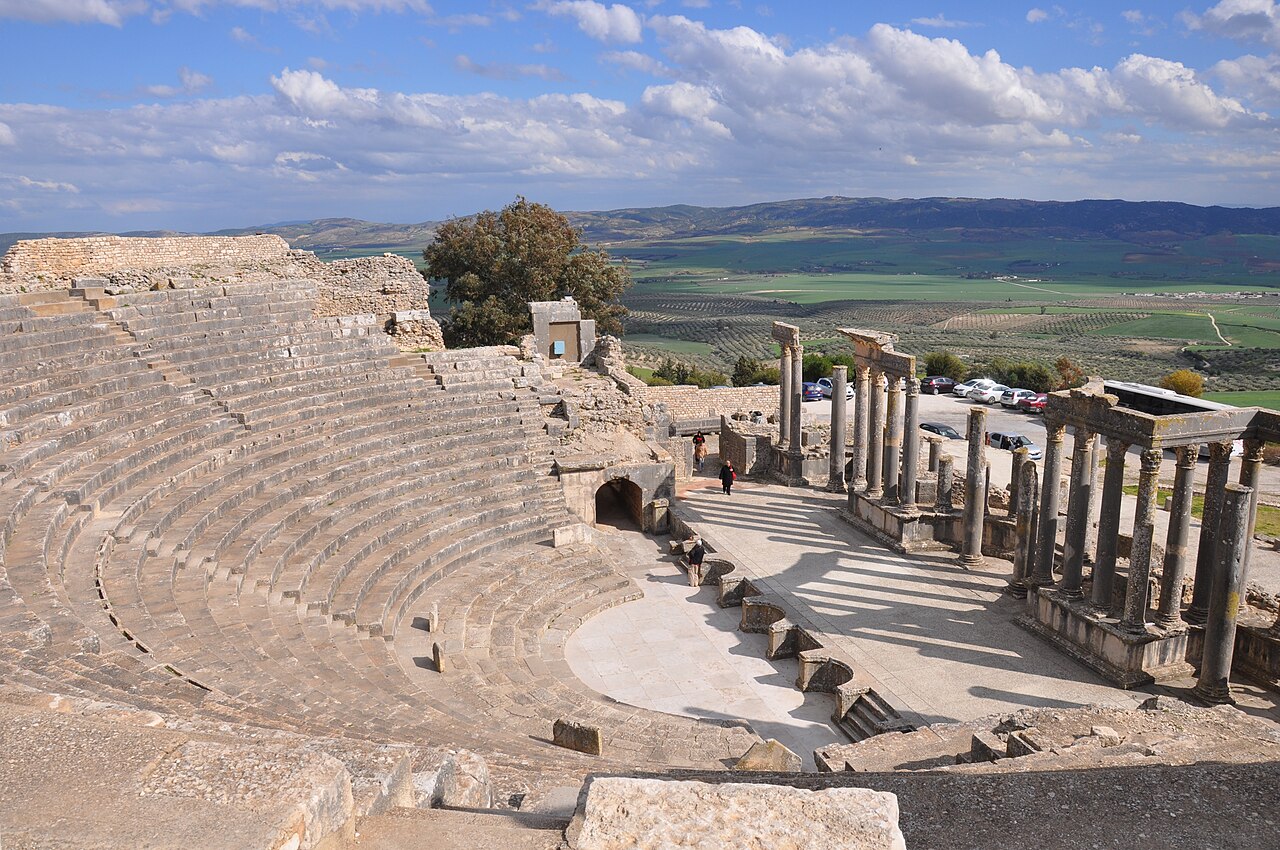
- Source- By Noomen9 - Own work, CC BY-SA 4.0
3. The Digital Compass: Navigating Tunisia with an eSIM
While Tunisia is a place to lose yourself in history, modern logistics require precision. Whether you are navigating the winding "blind" alleys of a medina or trekking through the desert, staying connected is a practical necessity.
The Connectivity Challenge Traditional travel in the Maghreb often involved hunting for local SIM card kiosks or dealing with expensive roaming fees. In 2026, Tunisia’s infrastructure has shifted towards digital-first solutions.
The Solution: The Travel eSIM To ensure a smooth transition from the airport to your first destination, securing a Tunisia-compatible eSIM before you land is the savvy traveler's move.
- Instant Activation: An eSIM allows you to activate a local data plan the moment you land.
- Reliable Navigation: Having a live connection is essential for using ride-hailing apps like Bolt in Tunis or navigating the rural roads of the south. It ensures your digital entry permits are always accessible and your translation tools are ready to bridge the gap between French, Arabic, and English.
- Remote Safety: For those heading into the Sahara or the Atlas Mountains, an eSIM provides a digital lifeline for weather alerts and emergency coordination, keeping you connected where public Wi-Fi simply doesn't reach.
4. Into the Sands: The Sahara and Star Wars Landscapes
The southern half of Tunisia is dominated by the vast, golden expanse of the Sahara. It is a landscape of extremes that has inspired artists and filmmakers for decades.
- Chott el Jerid: This massive endorheic salt lake looks like a shimmering, white mirage. The crust changes color with the light, moving from silver to deep purple.
- Tozeur and Douz: These oases are the "gateways to the desert." From here, you can take a 4x4 into the dunes of Ong Jemel or a camel trek into the stillness of the Grand Erg Oriental.
- Matmata: Famous for its troglodyte dwellings, these underground homes were carved directly into the earth to stay cool in the desert heat. Fans of Star Wars will recognize the Hotel Sidi Idriss as the childhood home of Luke Skywalker.
5. A Taste of the Maghreb: Savory and Soulful
Tunisian cuisine is a celebration of the sun and the soil. It is defined by its use of Harissa (a spicy chili paste), fresh olive oil, and fragrant spices like cumin and coriander.
- Couscous: The national dish. Unlike its neighbors, Tunisian couscous is often tinted red with tomato and harissa. It is traditionally served with tender chicken, lamb, or fresh Mediterranean fish and a mountain of steamed vegetables.
- Lablabi: A hearty, chickpea-based soup often served for breakfast. It’s flavored with garlic, cumin, and lemon, and thickened with pieces of day-old bread.
- Tajine: Not to be confused with the Moroccan stew, a Tunisian tajine is more like a savory, crustless quiche made with eggs, cheese, potatoes, and meat, baked to a golden finish.
- Brik: A delicate, deep-fried pastry pocket made of malsouka dough, typically filled with a whole egg, parsley, and tuna.
- Mint Tea with Pine Nuts: The quintessential Tunisian beverage. The sweetness of the tea is balanced by the earthy crunch of floating pine nuts.
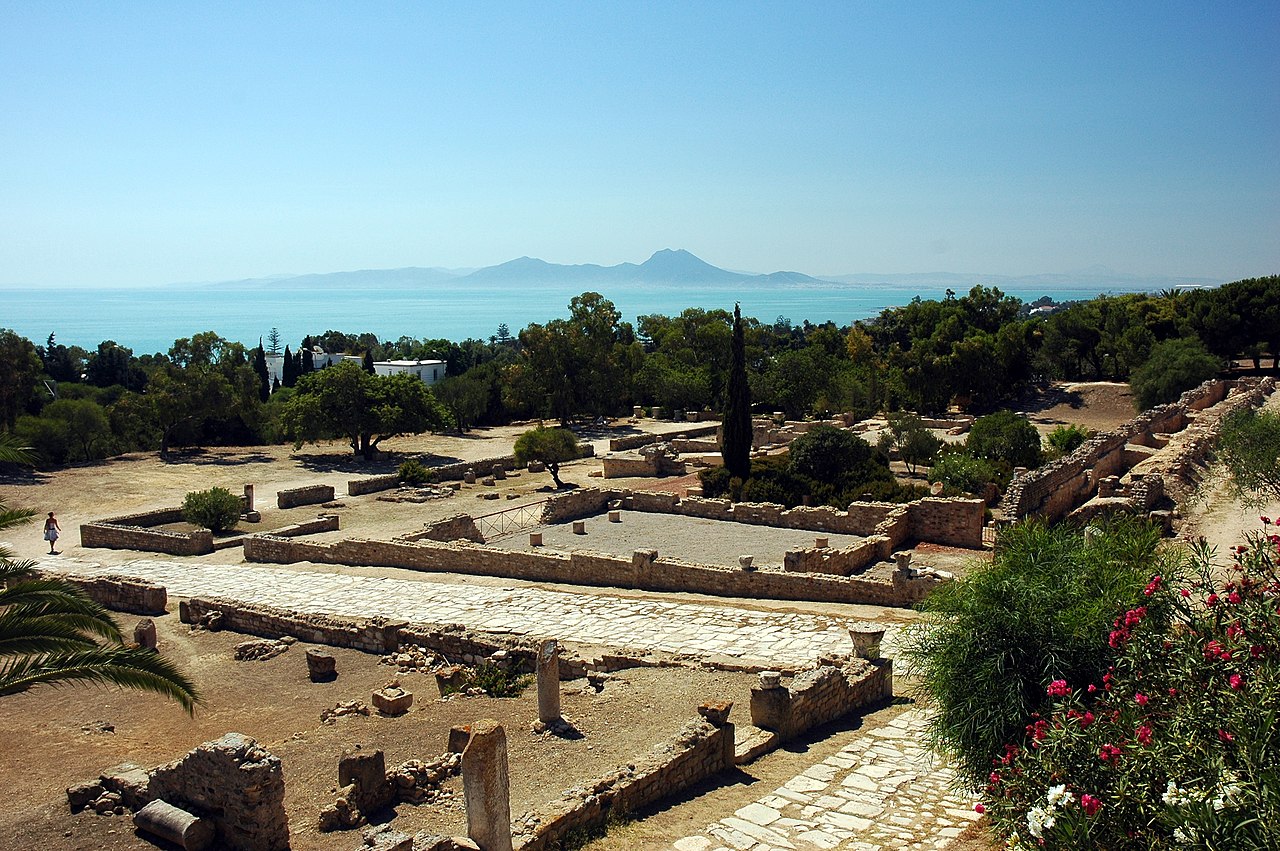
Ruins of Carthage. Source- By Calips - Own work, CC BY 2.5
Essential Travel Tips for 2026
- Currency: The Tunisian Dinar (TND). It is a closed currency, meaning you can only exchange it within the country. Keep your exchange receipts to convert any remaining Dinars back before you depart.
- Language: Arabic is the official language, but French is spoken by almost everyone. English is widely understood in tourism hubs.
- Modesty: Tunisia is a predominantly Muslim society. While coastal resorts are relaxed, dressing modestly (covering shoulders and knees) is expected when visiting religious sites or traditional neighborhoods.
- Safety: Stick to main roads and use your eSIM to stay updated on local travel advisories, especially when traveling near the borders.
Why Visit Now?
Tunisia offers a rare sense of discovery. It is a country that doesn't just show you ruins; it invites you to walk through them. It doesn't just show you the desert; it asks you to spend a night under its stars. By preparing your logistics early and securing your digital connection, you are ready to witness the spectacular, timeless soul of North Africa.