
Trinidad and Tobago: The Caribbean’s Most Vibrant Dual-Island Soul
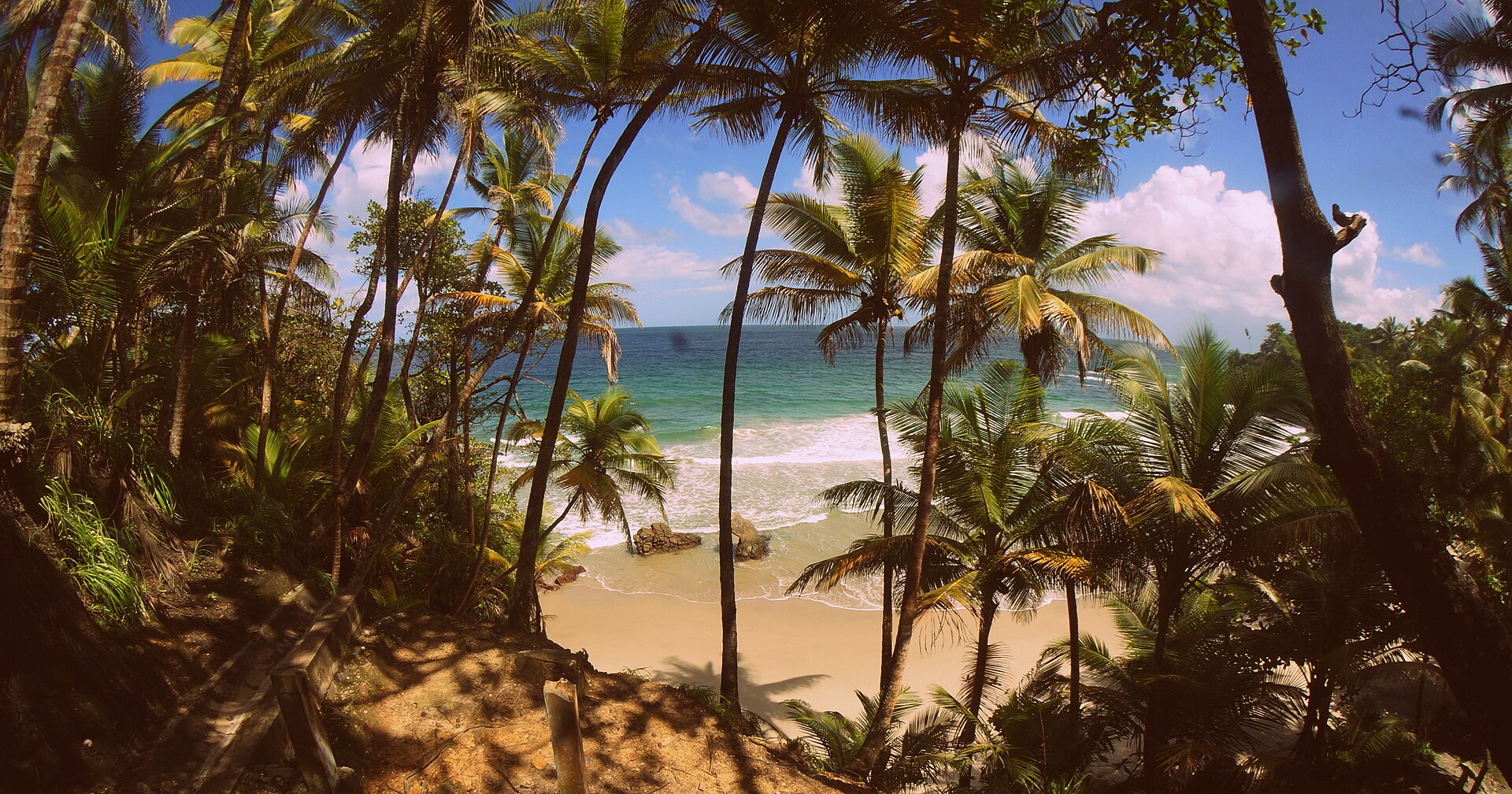
Trinidad and Tobago isn’t your typical Caribbean "fly-and-flop" destination. While it certainly has the postcard-perfect sands you’d expect, it offers something much more profound: a collision of raw, untamed nature and a cultural energy that is almost palpable. In 2026, the islands are leaning more into high-value ecotourism and digital connectivity, making it easier than ever to explore the deep interior while staying grounded in the local pulse.
1. Trinidad: The Wild and Untamed Heart
Trinidad is geographically unique, having once been connected to the South American mainland. This has blessed it with a biodiversity that far exceeds its neighbors.

Source- Grueslayer, CC BY-SA 4.0, via Wikimedia Commons
- The Caroni Bird Sanctuary: As the sun begins to dip in 2026, embark on a quiet flat-bottomed boat through the winding mangrove channels of the Caroni Swamp. The climax of the tour is the sight of thousands of Scarlet Ibis—the national bird—returning to roost. The contrast of their brilliant red plumage against the deep green mangroves and the purple evening sky is a visual memory you won't soon forget.
- Asa Wright Nature Centre: Located deep in the Northern Range, this world-renowned lodge remains a flagship for conservation. Sit on the famous balcony with a cup of local cocoa and watch over a dozen species of hummingbirds, including the iridescent Tufted Coquette, hover just inches away.
- Maracas Bay: A drive through the lush Northern Range brings you to this iconic horseshoe-shaped beach. While the surf is invigorating, the real draw is the local atmosphere—a place where the mountains literally meet the sea.
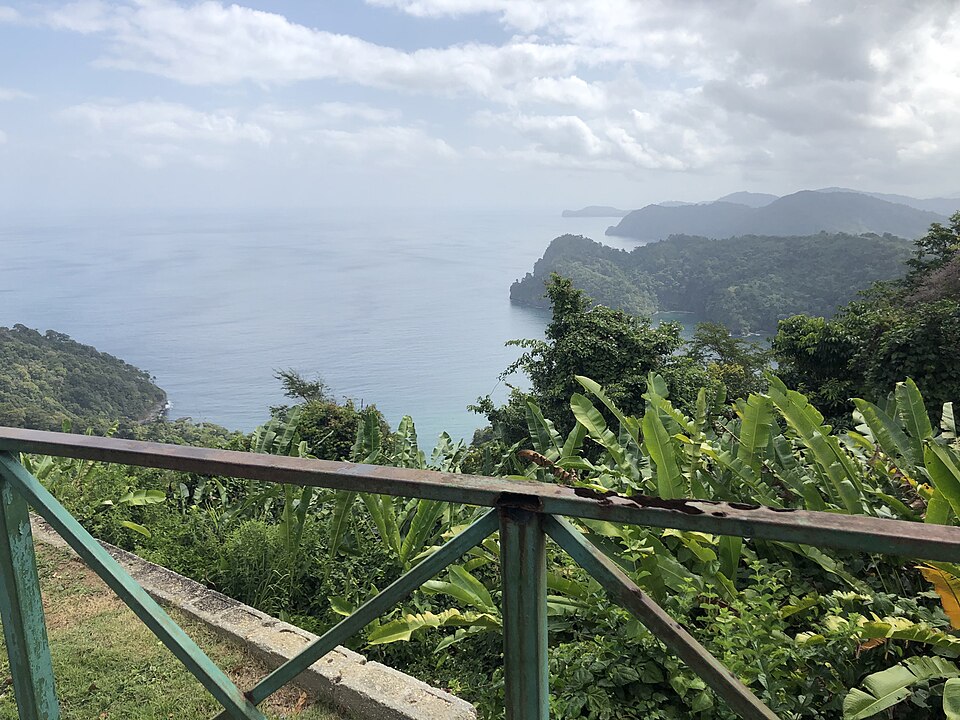
- Source- By SelfieCity - Own work, CC BY-SA 4.0
2. The Digital Compass: Why You Need an eSIM
Despite the "off-the-beaten-path" feel of the Northern Range or the remote coves of Tobago, the islands are highly digitized in 2026. Many of the best local guides and eco-lodges now coordinate exclusively through messaging apps and digital booking platforms.
The Logistics of Connectivity
When you’re tracking Leatherback turtles on the moonlit beaches of Grande Riviere or navigating the winding roads of the Main Ridge, a reliable data connection is more than a convenience—it’s a safety essential.
- The Travel eSIM: To ensure you are connected the moment you clear customs at Piarco International Airport, provisioning a Trinidad and Tobago eSIM before you land is the savvy traveler’s move.
- The Benefit: Local networks offer robust coverage even in many rural areas. An eSIM allows you to bypass the queues for physical cards, ensuring your GPS is live for the drive across the island and your translation or bird-identification apps are ready for the field. It provides the digital independence needed to find those "secret" waterfall trailheads that aren't always on the standard paper maps.
3. Tobago: The Turquoise Escape
A short hop on the inter-island ferry or a 20-minute flight takes you to Tobago, where the pace slows down and the water turns several shades clearer.
- Pigeon Point & Nylon Pool: Pigeon Point is arguably the most beautiful beach in the country, characterized by its famous thatched-roof jetty. From here, take a glass-bottom boat to the Nylon Pool, an offshore sandbank with waist-deep, crystal-clear water. Legend has it that a dip here can make you look ten years younger—a claim we’re happy to test every time.
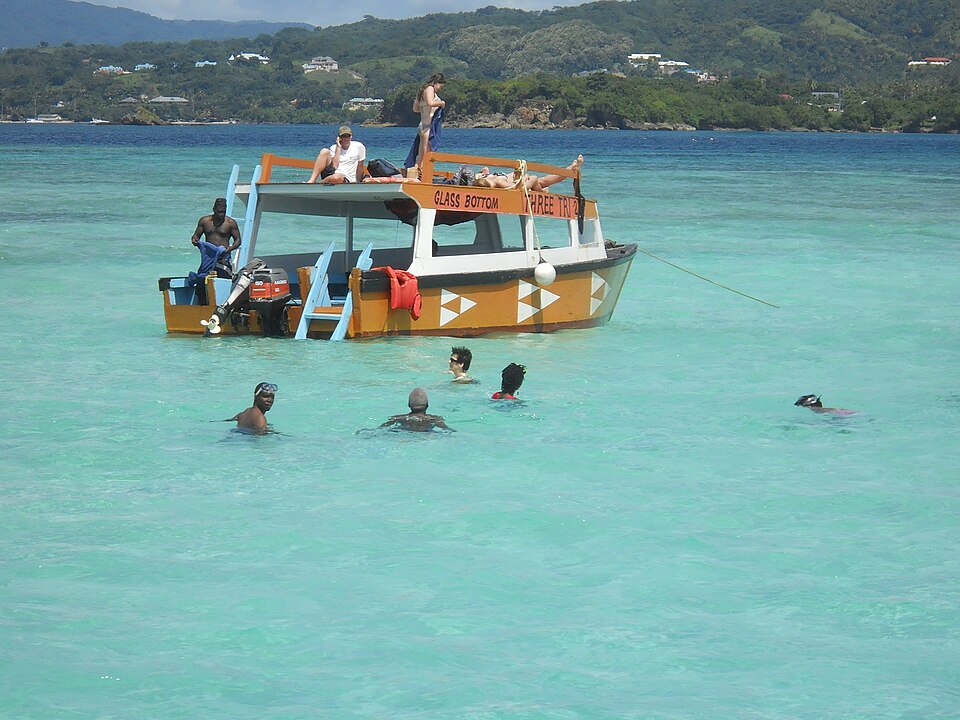
- Source- By Darkonc - Own work, CC BY-SA 3.0
- Buccoo Reef: Explore the Coral Gardens, a protected marine park where you can snorkel among parrotfish, angelfish, and vast brain corals.
- Main Ridge Forest Reserve: Established in 1776, this is the oldest protected rainforest in the Western Hemisphere. Hiking the Gilpin Trace trail offers a chance to see the rare White-tailed Sabrewing hummingbird and the "Dancing" Blue-backed Manakin.
4. A Flavorful Fusion: The Taste of the Islands
The food in Trinidad and Tobago is a masterful blend of African, Indian, and Indigenous influences. The flavors are bold, spiced, and deeply satisfying.
- Doubles: The ultimate street food. Two soft, fried flatbreads (bara) filled with curried chickpeas (channa). It’s a hearty, savory breakfast that defines the local morning ritual.
- Bake and Shark: A Maracas Bay specialty. Seasoned, fried fish (traditionally shark or firm white fish) is tucked into a fried "bake" (bread) and topped with a dizzying array of condiments like pineapple, coleslaw, and a vibrant chadon beni (culantro) pesto.
- Curried Crab and Dumplings: Tobago’s signature dish. The crab is simmered in a rich, aromatic coconut curry sauce and served with flat, flour dumplings—perfect for soaking up every drop of the savory sauce.
- Pelau: A hearty one-pot meal where beef, chicken, or pigeon peas are caramelized in sugar, then simmered with rice and coconut milk. It is the quintessential beach-picnic food.
5. Essential Travel Tips for 2026
- Best Time to Visit: January to May is the dry season, offering the most stable weather for birding and beaches.
- Turtle Season: March to September is the time to witness Leatherback turtles nesting on the northern and eastern shores.
- Currency: The Trinidad and Tobago Dollar (TTD). While cards are widely used in cities, always carry cash for street food and rural guides.
- Safety: Exercise common sense in Port of Spain; stick to well-traveled areas and use your eSIM to coordinate with reputable transport services. Avoid isolated beaches after dark.
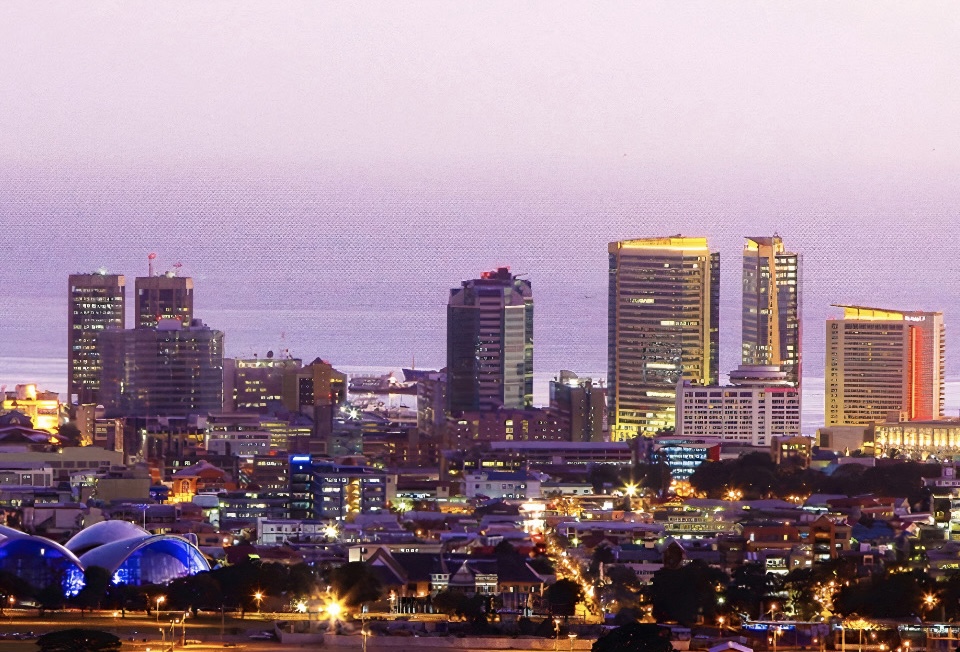
- Port of Spain. Source- By DizzyNN, CC BY-SA 4.0
Why Trinidad and Tobago?
This dual-island nation offers a depth that few other Caribbean destinations can match. It is a place where you can be an amateur ornithologist in the morning, a food critic at lunch, and a beach-comber by evening. By securing your digital connection with an eSIM and traveling with a spirit of respect for the local environment, you can witness the spectacular, multifaceted soul of the Caribbean for yourself.