
Togo: West Africa's Slender Secret
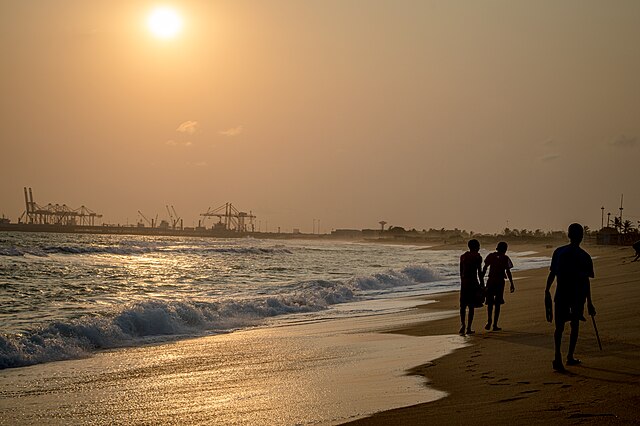
Togo is often described as a "sliver of a country," but don't let its narrow borders fool you. Stretching from the palm-fringed Atlantic coast to the rolling savannahs of the north, this West African gem packs more diversity into its 56,000 square kilometers than many nations ten times its size. In 2026, it remains a sanctuary for travelers seeking the authentic, the adventurous, and the deeply historic.
Whether you're exploring the high-tech bustle of Lomé or the ancient, UNESCO-protected mud houses of the Batammariba people, Togo offers a rhythm that is both energetic and soulful. Here is your factual, grounded guide to navigating this West African treasure.
1. Lomé: The Beating Coastal Heart
The capital city, Lomé, is unique among West African capitals. It sits directly on the Gulf of Guinea, meaning the sound of crashing waves is the city’s constant soundtrack.
- Grand Marché: This massive three-story market is the kingdom of the "Nana Benz"—powerful female traders who have dominated the textile industry for decades. It is a sensory explosion of vibrant wax-print fabrics, intricate beadwork, and local crafts.
- The Sacred Heart Cathedral: A stunning example of German Gothic architecture built in 1902. Its striking red-and-white facade serves as a reminder of the country’s colonial layers and provides a quiet, cool refuge from the tropical sun.
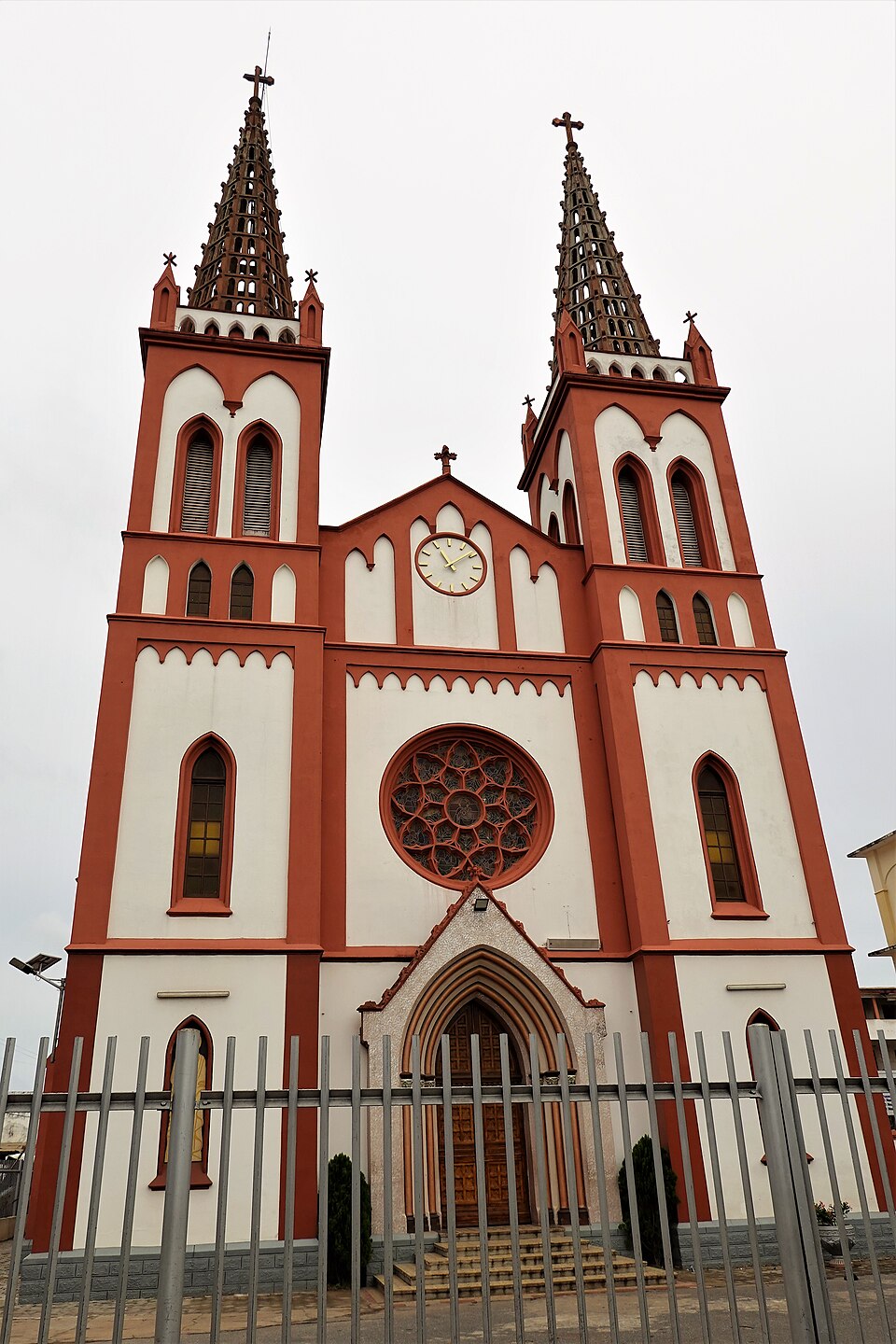
- Source- Kulttuurinavigaattori, CC BY-SA 4.0, via Wikimedia Commons
- Akodessewa Market: Often cited as the largest of its kind in the world, this is a significant site for understanding the traditional spiritual beliefs that underpin Togolese culture. It is less of a "market" and more of an outdoor apothecary for traditional remedies and charms.
2. Kpalimé: The Highland Escape
Leaving the humid coast and heading inland, the air cools as you enter the Plateaux Region. Kpalimé is the center of Togo’s coffee and cocoa industry and is surrounded by lush mountains.
- Mount Agou: At 986 meters, this is Togo’s highest peak. A hike to the summit takes you through small terraced villages and plantations. On a clear day, the views stretch across the border into neighboring Ghana.
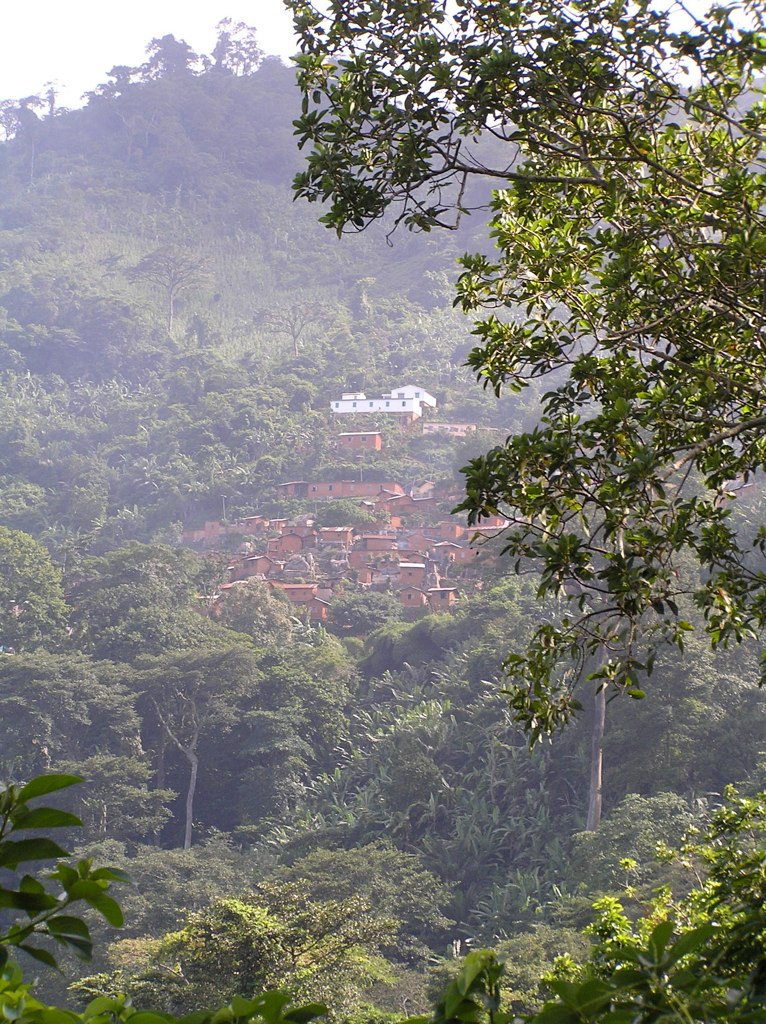
- Village on Mount Agou. Source- Jeff Attaway, CC BY 2.0, via Wikimedia Commons
- Butterfly Hotspot: The forests around Mount Kloto are famous for their biodiversity, particularly the over 500 species of vibrant butterflies. Local naturalist guides can take you on botanical walks where the sheer density of flora and fauna is staggering.
- Wome Waterfall: Tucked away in the jungle, this waterfall cascades into a natural pool. It’s the perfect spot for a refreshing dip after a morning of trekking through the forest.
3. Koutammakou: The Land of the Batammariba
In the far northeast, you will find Togo’s most iconic architectural wonder: Koutammakou. This UNESCO World Heritage site is famous for its Takienta (or Tata Somba)—fortified mud tower houses.
These two-story structures are more than just homes; they are symbolic temples. They feature flat or conical thatched roofs and were designed as fortresses to protect both the people and their livestock. Walking through these villages in 2026 feels like a journey through a living cultural landscape where the agricultural society lives in perfect harmony with the surrounding savannah.
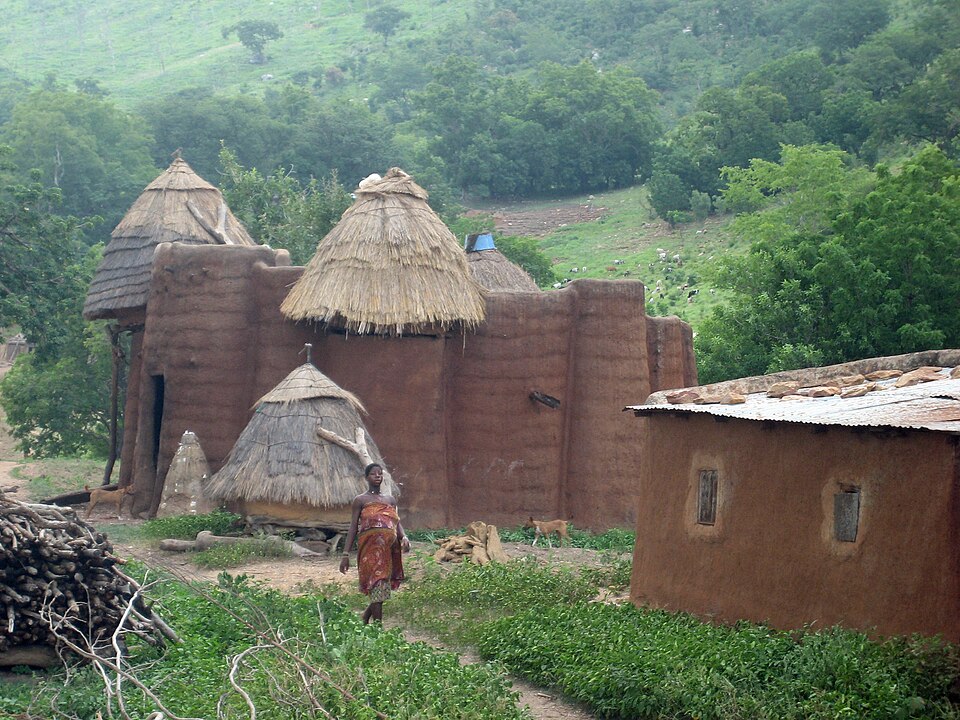
Source- By Erik Kristensen - Flickr, CC BY 2.0
4. Digital Logistics: The Essential eSIM
Navigating Togo’s diverse terrain—from the urban grid of Lomé to the remote trails of the Atakora Mountains—requires a reliable digital lifeline. In 2026, having a stable data connection is no longer a luxury; it is a safety and logistical necessity.
The Logistics Challenge
- Real-Time Navigation: While the main roads are generally well-paved, finding specific trailheads in Kpalimé or remote villages in the north can be tricky without live GPS.
- Safety & Communication: Outside of major towns, Wi-Fi can be sparse. Having a data connection allows you to coordinate with local guides, check meteorological alerts, and keep your travel documents (like your e-visa) accessible at all times.
The Solution: The Travel eSIM To avoid the hassle of finding physical SIM kiosks and navigating passport registration upon arrival, securing a Togo-compatible eSIM before you fly is the smartest move.
- The Benefit: An eSIM allows you to connect to local 4G networks the moment you land at Gnassingbé Eyadéma International Airport. It ensures you can order a ride, check the exchange rate, and use real-time translation tools for Ewe or French signage. It bypasses the need for physical card swapping, keeping your primary number active while providing high-speed local data.
5. A Taste of Togo
Togolese cuisine is a sophisticated blend of African traditions with subtle French and German influences. Because the diet is centered on the bounty of the land and the Atlantic, it is incredibly flavorful and diverse.
Traveler’s Note: Traditional Togolese cuisine offers an abundance of beef, chicken, goat, and seafood. In compliance with local customs and many international dietary standards, you will find that these proteins form the backbone of the most famous national dishes.
- Fufu: The ultimate staple. This is made by pounding boiled yams into a thick, elastic dough. It is typically served with a savory Palm Nut Soup or a rich Peanut Sauce and is eaten by hand.
- Grilled Fish (Poisson Braisé): Fresh from the Gulf, whole red snapper or tilapia is marinated in ginger, garlic, and chili, then grilled over charcoal. It is usually served with Ablo (steamed, slightly sweet cornmeal cakes) and a spicy tomato sauce.
- Grilled Togo Chicken: Known locally for its robust flavor, the chicken is often marinated in red palm oil and local spices before being charred to perfection.
- Akpan: A fermented maize dessert that is slightly tangy and refreshing—the perfect way to cool down after a spicy meal.
- Bissap: A chilled, deep-red drink made from hibiscus flowers. It is sweet, tart, and far more refreshing than any soft drink.
Essential 2026 Travel Tips
- Currency: Togo uses the West African CFA franc (XOF). While cards are increasingly accepted in major hotels in Lomé, cash is absolutely essential for markets and rural areas.
- Health: A Yellow Fever vaccination certificate is mandatory for entry. It is also highly recommended to consult a professional regarding malaria prophylaxis before your trip.
- Language: French is the official language, but Ewe and Kabye are widely spoken. Having a translation app ready on your eSIM will be incredibly helpful in local markets.
- Safety: Togo is generally considered one of the safer countries in the region, but common-sense precautions apply—avoid walking on isolated beaches at night and use registered taxis.
Why Togo?
Togo is a destination that rewards the curious. It’s a place where you can spend the morning haggling for textiles, the afternoon chasing butterflies in a rainforest, and the evening watching a sunset over an ancient mud fortress. By securing your digital connection early and arriving with a spirit of adventure, you can witness the spectacular soul of West Africa for yourself.