
The Åland Islands: A Nordic Paradise of Peace and Pancakes
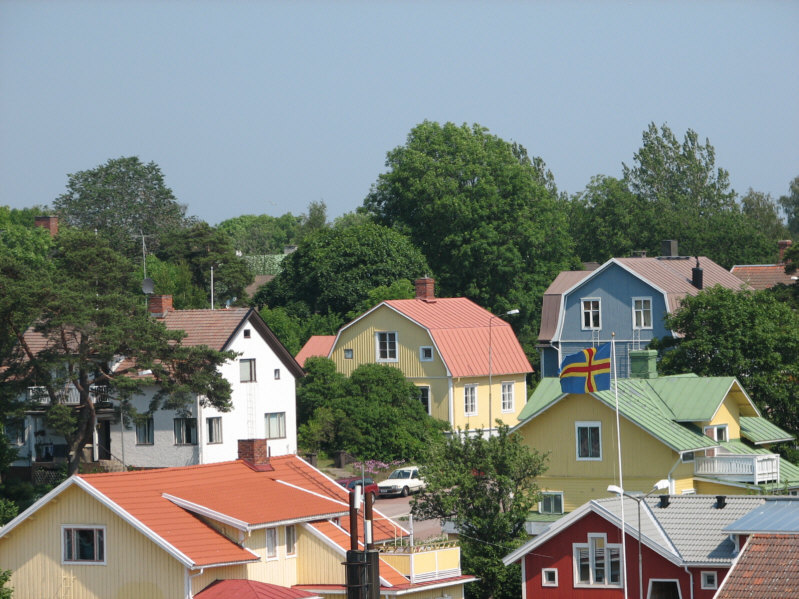
Source: Mariehamn - Wikipedia
Imagine a place where the roads are made of red granite, the speed limit rarely exceeds 90 km/h, and the summer sun lingers until nearly midnight. Welcome to the Åland Islands, an autonomous, Swedish-speaking archipelago belonging to Finland. Comprising roughly 6,700 named islands and skerries (though only about 60 are inhabited), this demilitarized zone in the heart of the Baltic Sea is a haven for cyclists, history buffs, and anyone seeking a slower pace of life.
Whether you are island-hopping by bike or soaking up the maritime history in the capital, Åland offers a unique blend of Scandinavian efficiency and rugged island charm. Here is your guide to exploring the "Islands of Peace."
Getting There: The Voyage is Half the Fun
The adventure begins before you even step on land. Åland is a major hub for Baltic maritime traffic, situated halfway between Stockholm, Sweden, and Turku, Finland. The most popular way to arrive is via large cruise ferries (operated by lines like Viking Line, Tallink Silja, or Eckerö Linjen).
The journey through the archipelago is breathtaking. As the massive ships weave through narrow straits past thousands of rocky islets and red wooden summer cottages, you’ll understand why this region is beloved by sailors. For a quicker entry, you can fly into Mariehamn Airport from Helsinki or Stockholm, but the slow approach by sea is the quintessential Åland experience.
Mariehamn: The "World's Smallest Metropolis"
Your base of operations will likely be Mariehamn, the regional capital. Home to almost half of Åland’s 30,000 residents, it feels more like a bustling town than a city, yet it boasts a surprising density of culture and commerce.
- The Pommern & Maritime Museum: The crown jewel of Mariehamn’s harbor is the Pommern, a four-masted steel barque built in 1903. It is the only ship of its kind in the world preserved in its original state. Moored next to the excellent Åland Maritime Museum, a visit here offers a visceral look into the harsh lives of the sailors who once rounded Cape Horn.
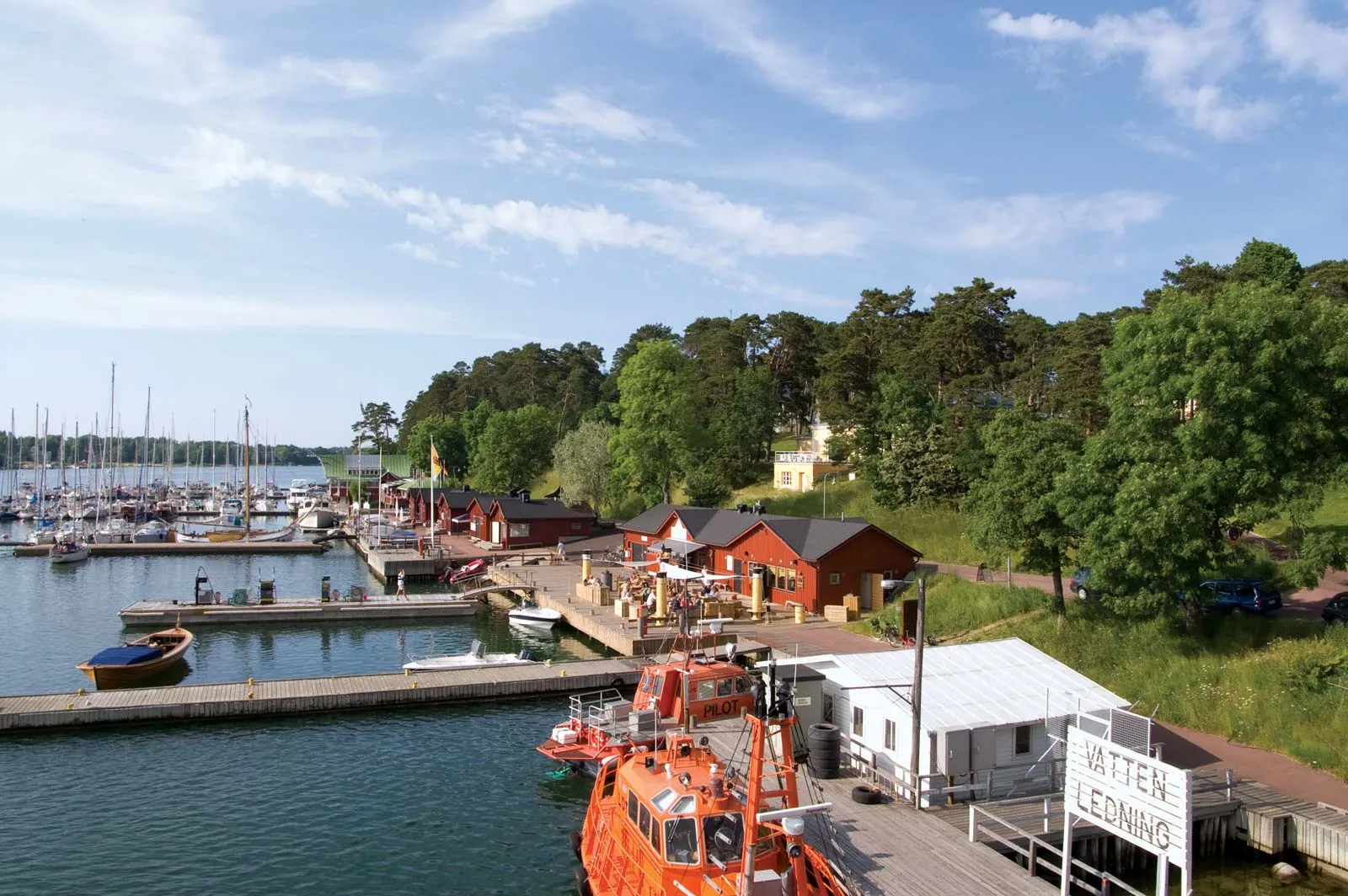
- The Maritime Quarter (Sjökvarteret): stroll to the eastern harbor to find this living museum of boatbuilding. Here, craftsmen still build traditional wooden vessels. The smell of tar and sawdust fills the air, and you can buy local handicrafts or visit the small seafarers’ chapel at the end of the pier.
The Kingdom of Cyclists
If Åland has a national pastime, it is cycling. The highest point in Åland is only about 129 meters (423 feet) above sea level, making the landscape distinctively flat and perfect for biking. The islands are connected by a seamless network of bridges, causeways, and cable ferries (which are free for cyclists).
- The Red Roads: You will notice the asphalt here often has a reddish tint, owing to the local "rapakivi" granite used in the aggregate.
- The Route: A popular route involves cycling from Mariehamn north to Geta or east toward the Bomarsund ruins. You can rent high-quality bikes in Mariehamn and spend days hopping from island to island.
Echoes of Empires: Kastelholm and Bomarsund
Despite its current peaceful status, Åland has been a strategic prize for centuries.
- Kastelholm Castle: Located in Sund, about 25 minutes from Mariehamn, this medieval fortress dates back to the 1300s. It has housed Swedish kings and was once the administrative center of the islands. Just next door is the Jan Karlsgården Open-Air Museum, where traditional wooden buildings from across Åland have been reassembled to show 19th-century farm life.
- Bomarsund Fortress: Further east lie the ruins of Bomarsund, a massive Russian fortress destroyed by British and French forces during the Crimean War in 1854. The site is a sprawling open-air museum where you can walk among the shattered granite walls and canons, visualizing the scale of the battle that ultimately led to Åland’s demilitarization.
A Taste of Åland
You cannot leave without trying the local culinary flagship: Ålandspannkaka (Åland pancake). This is not your typical flat crepe; it is a thick, oven-baked custard pancake made with semolina or rice porridge and flavored with cardamom. It is traditionally served with a dollop of whipped cream and stewed prunes (though strawberry jam is a common modern substitute).
Wash it down with a juice. The local apple juice is legendary; Åland’s climate is surprisingly perfect for apple orchards.
Practical Tips for the Traveler
- Currency: Åland uses the Euro (€).
- Language: The official language is Swedish. While it is part of Finland, you will rarely hear Finnish spoken here. English is widely spoken and understood.
- Be prepared: Ensure you purcase your eSIM for your trip here.
- Everyman’s Right: Like the rest of the Nordics, Åland observes Allemansrätten, the right to roam. You are free to hike and camp in nature, provided you respect privacy and the environment.
- Ticks: If you are hiking in tall grass during summer, be mindful of ticks, which are common in the archipelago. Wear long pants or check yourself after a day outdoors.
Whether you are watching the sunset over the red rocks of Geta or enjoying a cardamom pancake in a seaside cafe, Åland offers a tranquility that is becoming increasingly rare. It is a place where the sea is always present, and time seems to move just a little bit slower.