
The Tale of Two Congos: A Journey Into the Heart of Africa
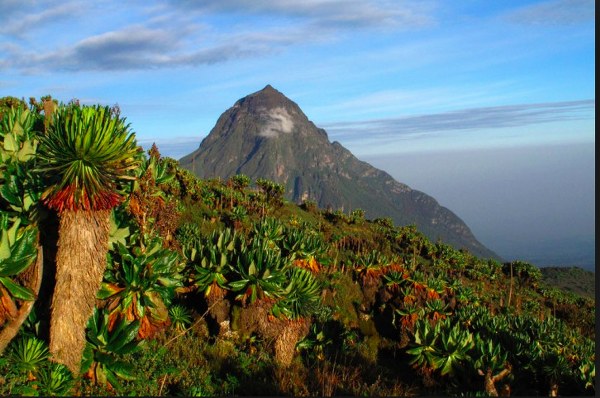
Source: Kahuzi Biega National Park Congo
When you say you are going to "Congo," the first question you will get is: "Which one?"
It is a valid question. Sitting on opposite sides of the mighty Congo River are two distinct nations with confusingly similar names: the Republic of the Congo (Congo-Brazzaville) and the Democratic Republic of the Congo (DRC/Congo-Kinshasa).
One is a small, relatively stable former French colony that offers the best accessible jungle safaris in Central Africa. The other is a continent-sized giant, a former Belgian colony that is chaotic, beautiful, and volatile.
If you are an intrepid traveler looking to complete the Central African puzzle, here is how to navigate the two Congos without getting lost in the jungle (or the bureaucracy).
1. The Republic of the Congo (Congo-Brazzaville): The "Soft" Landing
If you want to see the Congo Basin rainforest without a security detail, start here. This country is often called the "Switzerland of Africa" (not for the mountains, but for the relative stability compared to its neighbors).
Brazzaville: The Paris of the Tropics The capital, Brazzaville, is shockingly calm. It feels like a sleepy French provincial town dropped into the tropics.
- The Corniche: Walk along the riverfront promenade. Looking across the rushing water, you can clearly see the skyscrapers of Kinshasa (the DRC capital) just 4 kilometers away. It is the only place in the world where two national capitals face each other across a river.
- The Sapeurs: On weekends, head to the Poto-Poto district. You might see the Sapeurs—local men dedicated to the "Society of Ambient-Makers and Elegant People." They dress in immaculate, brightly colored three-piece suits, contrasting sharply with the dusty streets. It is a fashion movement that defies poverty with style.
Odzala-Kokoua National Park: The Jungle Book This is the main event. Managed by African Parks, Odzala is one of the oldest national parks in Africa.
- The Lowland Gorillas: unlike the mountain gorillas of East Africa, the Western Lowland Gorillas here are smaller and live in trees. Tracking them is a humid, sweaty, flat-ground adventure. The encounters feel wilder and less "staged" than in Rwanda.
- The Bais: The park is famous for its bais (swampy clearings). At Mboko Camp, you can sit on a deck and watch forest elephants, buffalo, and hyenas emerge from the dense trees to drink. It is one of the best wildlife viewing spots in Central Africa.
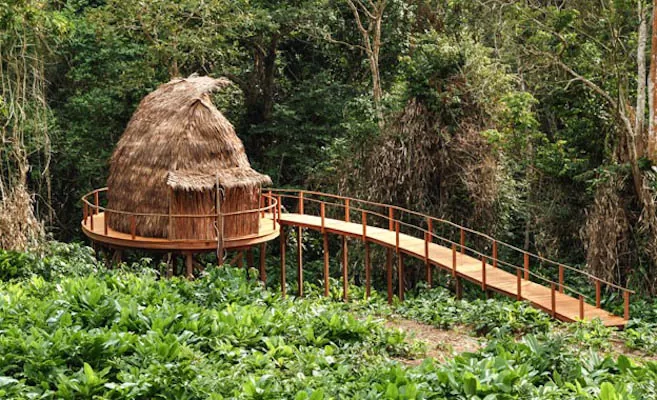
- Source- congotravelandtours.com
2. The Democratic Republic of the Congo (DRC): The Wild Giant
The DRC is raw, loud, and intense. It is not for beginners.
Kinshasa: The Megalopolis If Brazzaville is a library, Kinshasa is a heavy metal concert. With 17 million people, it is the largest French-speaking city in the world (bigger than Paris).
- The Vibe: It is famous for its music (Rumba), its art (visit the Académie des Beaux-Arts), and its traffic. It is a city that never sleeps, fueled by grilled goat.
- Lola ya Bonobo: Just outside the city, this sanctuary is the only place in the world where you can see Bonobos (our closest genetic relatives) in a semi-wild environment. Unlike chimps, bonobos are matriarchal and resolve conflict with affection rather than violence. It is a must-visit.
The Eastern Question (Virunga)
- The Reality Check: Eastern DRC (Goma, Virunga National Park) is famous for Mountain Gorillas and the Nyiragongo Volcano. However, as of late 2025/2026, this region remains highly unstable due to rebel activity (M23). Tourism to Virunga is frequently suspended.
- The Advice: Do not attempt to travel to Goma or Virunga without verifying the current status with the park authorities directly. If it is closed, do not go. Stick to the West (Kinshasa/Kongo Central) or visit the gorillas in the Republic of the Congo instead.
3. The Connectivity Lifeline (Why You Need an eSIM)
Central Africa is not the place to be offline. In Kinshasa, you need to be able to order a safe ride. In Brazzaville, you need maps to find the specific embassy for your next visa.
The "River" Roaming Trap A common mistake travelers make is assuming a SIM card from one Congo works in the other. It does not. If you cross the river, your Brazzaville SIM will stop working, or you will be hit with international roaming charges.
The Fix: A Regional eSIM To stay safe and connected, purchase a regional African eSIM data plan before you fly.
- Safety in Kinshasa: In DRC, street taxis can be unsafe. You should rely on apps like Yango or Uber (if available) to track your ride. This requires data the moment you step out of the airport or off the ferry.
- The Ferry Crossing: The boat ride between Brazzaville and Kinshasa is chaotic ("The Beach"). Having an eSIM means you can communicate with your "fixer" or driver on the other side before you even dock, ensuring you aren't left stranded at immigration.
4. Practical Logistics: How to Survive
The "Impossible" Visa
- ROC: You generally need a hotel reservation and a letter of invitation (LOI) to get a visa. It is bureaucratic but manageable.
- DRC: This is one of the hardest visas in the world. You must apply in your home country. If you are crossing from Brazzaville to Kinshasa by boat, you need a special "Deserter" visa or a pre-arranged visa.
- The "Flying" Hack: If the ferry crossing sounds too stressful (it is notorious for corruption), you can take a 10-minute flight between the two capitals. It is the shortest international commercial flight in the world, operated by ASKY or Air Cote d'Ivoire.
Budget Reality "Budget" travel in Congo is relative.
- Accommodation: You can find guesthouses in Brazzaville for $40–$50. In Kinshasa, safe hotels are expensive ($100+).
- Food: Eat at the Nganda (local restaurants). You can get Poulet à la Moambé (chicken in palm nut sauce) or Liboke (fish steamed in banana leaves) for $5–$10. It is delicious and safe if cooked fresh.
The Ferry ("Le Canot Rapide") If you do cross the river:
- Take the "Canot Rapide" (speedboat), not the big ferry. It costs more ($25–$30) but is faster and slightly less chaotic.
- The Protocol: Do not take photos at the border or of government buildings. This is a strict law in both Congos and can lead to arrest or fines.
Why Go Now?
The Congos are the final frontier. In the Republic of the Congo, you can walk through forests that look exactly as they did 10,000 years ago. In the DRC, you can feel the pulse of a nation that refuses to be defined by its tragedies. It is a trip that will frustrate you, exhaust you, and ultimately change you.