
The "Special" Triplets: A Guide to Bonaire, Saba, and St. Eustatius
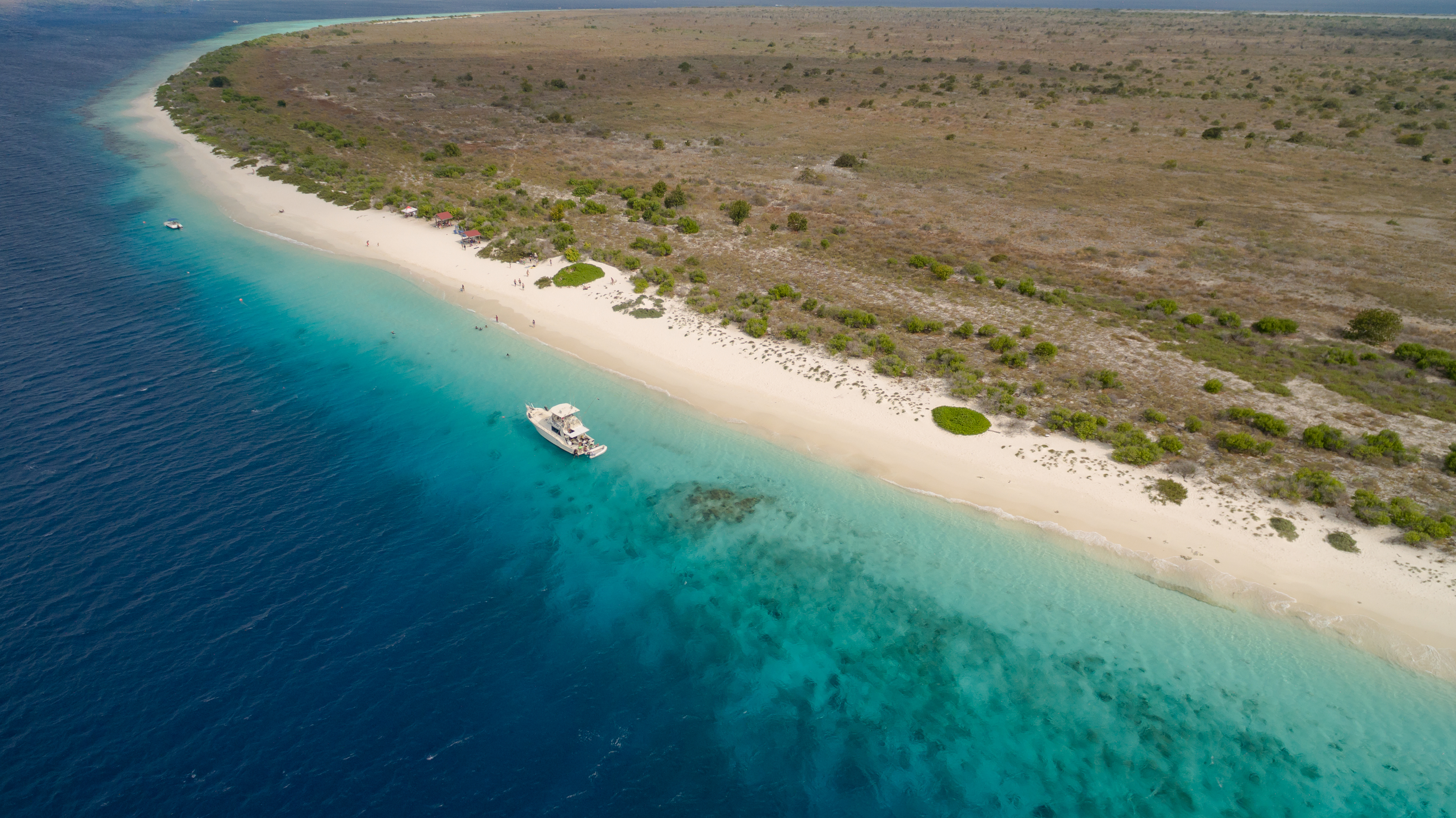
When people say "Dutch Caribbean," they usually mean Aruba or Curaçao—places with high-rise hotels, casinos, and cruise ship terminals. But if you look closer at the map, you will find three other islands that are completely different.
Bonaire, Saba, and Sint Eustatius (Statia) are known as the BES Islands. Politically, they are "special municipalities" of the Netherlands, meaning they are technically part of the country itself, not just territories. Yet, they use the US Dollar, they don't have mass tourism, and they offer a level of quiet authenticity that has vanished from much of the region.
If you are a diver, a hiker, or a history buff, here is why you need to visit the Caribbean's most fascinating triplets.
1. Bonaire: The Diver’s Drive-Thru
Bonaire is the largest of the three, but it is still sleepy by Caribbean standards. It is a desert island (full of cacti and wild donkeys) surrounded by some of the healthiest coral reefs on the planet.
- Shore Diving Capital: In most places, you need a boat to go diving. In Bonaire, you rent a pickup truck, throw your tanks in the back, and drive to a yellow rock painted on the roadside. You park, walk into the water, and you are on the reef. It is absolute freedom.
- The Salt Mountains: The south of the island is dominated by massive, blindingly white pyramids of salt, harvested from pink solar ponds. It is a surreal landscape that looks like snow in the tropics.
- Sorobon Beach: While Bonaire isn't known for sand, Sorobon on the east side offers a shallow, turquoise lagoon that is world-famous for windsurfing.
2. Saba: The Unspoiled Queen
Saba is a rock. Literally. It is a dormant volcano rising steeply out of the ocean with no coastal plain and no beaches. Because of this, mass tourism never arrived.
- The Arrival: Getting there is half the thrill. You fly into Juancho E. Yrausquin Airport, which has the shortest commercial runway in the world (less than 400 meters). You land on a cliff edge—it is terrifying and exhilarating.
- The Hiking: You come here to climb Mount Scenery. At 887 meters, it is technically the highest point in the entire Kingdom of the Netherlands. The hike takes you from tropical dry forest up into a mystic "cloud forest" filled with ferns and mahogany trees.
- The Vibe: The island looks like a model village. The cottages are all uniform: white wood, red roofs, and green shutters. It is spotless, safe, and feels like a European hamlet dropped into the jungle.
3. Sint Eustatius (Statia): The Golden Rock
If Saba is for hikers and Bonaire is for divers, Statia is for historians (and divers who like shipwrecks). In the 18th century, this tiny island was the busiest port in the world, known as the "Golden Rock."
- The "First Salute": Statia was the first foreign entity to officially recognize the United States as a country in 1776, firing a gun salute to an American warship. Britain was so annoyed they eventually sacked the island, and it never fully recovered its dominance—leaving it a quiet, living museum today.
- The Quill: This perfectly formed dormant volcano dominates the skyline. You can hike up the crater rim and then descend into the volcano itself, where a lush rainforest hides in the crater floor.
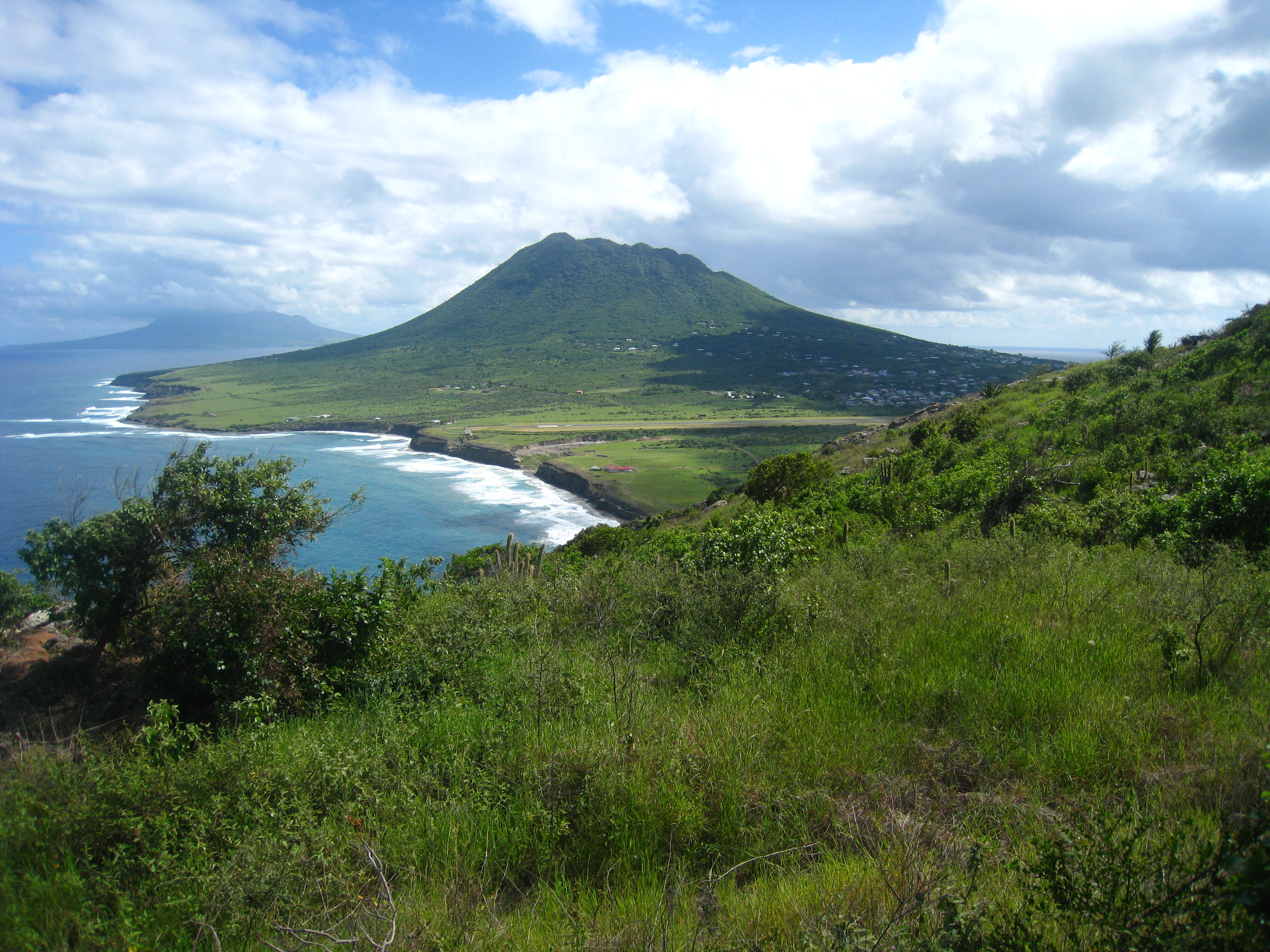
- The Quill, St. Eustatius' dormant volcano. Source- Walter Hellebrand at nl.wikipedia, CC BY-SA 3.0, via Wikimedia Commons
- The Diving: Unlike Bonaire’s reefs, Statia is famous for wreck diving and "muck diving" (finding rare critters in the sand/seagrass).
Practical Tips: The "Dutch" Confusion
Entry & Flights
- Bonaire has its own international airport (BON) with direct flights from the US and Amsterdam.
- Saba & Statia are harder to reach. You almost always have to fly into St. Maarten (SXM) first and take a small Winair "puddle jumper" plane to them.
The "EU Roaming" Myth Here is the trap most European travelers fall into. Because these islands are "municipalities of the Netherlands," people assume their EU "Roam Like at Home" plans will work. They usually do not.
- The Reality: Most telecom carriers classify the BES islands as "Caribbean" or "International" zones, not EU zones. Roaming rates can be astronomical (often $10/MB).
- The Fix: Since you might be island-hopping (e.g., flying from St. Maarten to Saba), you will be switching jurisdictions. The smartest move is to purchase a regional eSIM data plan before you fly. This ensures you have connectivity on the Saba ferry, the Statia volcano, and the Bonaire salt pans without swapping physical SIM cards or facing a massive bill when you get home.
Money Matters Despite being Dutch, the official currency on all three islands is the US Dollar (USD).
- Note: Do not bring Euros expecting to use them at the supermarket. Credit cards are widely accepted on Bonaire, but on Saba and Statia, cash is still very useful for small taxis and cafes.
Why Go Now?
The BES islands are a throwback. On Saba, people leave their keys in the car. On Statia, you might be the only person hiking the volcano. On Bonaire, the nightlife is watching the sunset, not a club. They offer a rare commodity in modern travel: silence.