
The Philippines: An Island-Hopper’s Guide to Paradise
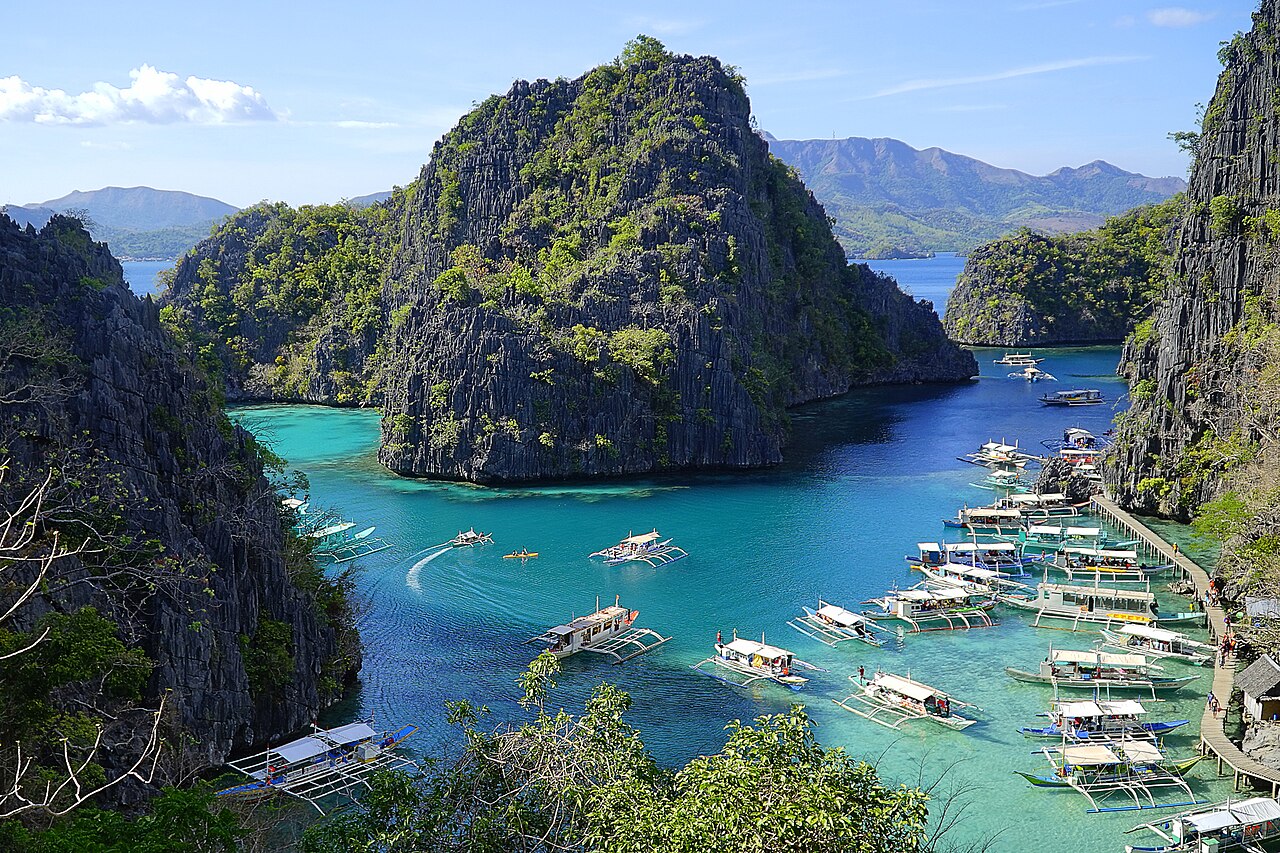
With over 7,000 islands, the Philippines is a destination that feels less like a single country and more like a vast, aquatic playground. It is a land of dramatic limestone cliffs, deep-blue lagoons, and some of the most hospitable people on the planet.
In 2026, the archipelago remains a top choice for travelers who crave raw natural beauty and a "slow travel" pace. Whether you are kayaking through the secret lagoons of Palawan or trekking through the 2,000-year-old rice terraces of the north, the Philippines offers a profound connection to the earth and sea. Here is your factual, grounded guide to navigating the "Pearl of the Orient."
1. The Nature Icons: Palawan and Bohol
Your journey through the Philippines should prioritize the islands that showcase the country's unique geology and biodiversity.
- Palawan (El Nido & Coron): Often voted the best island in the world, Palawan is a masterpiece of karst limestone and turquoise water. In El Nido, the "Big Lagoon" and "Small Lagoon" are unmissable; you can rent a kayak to weave through narrow rock openings into hidden, emerald-green sanctuaries. For those who prefer history beneath the surface, Coron offers world-class wreck snorkeling, with several well-preserved WWII Japanese vessels resting in shallow, clear water.
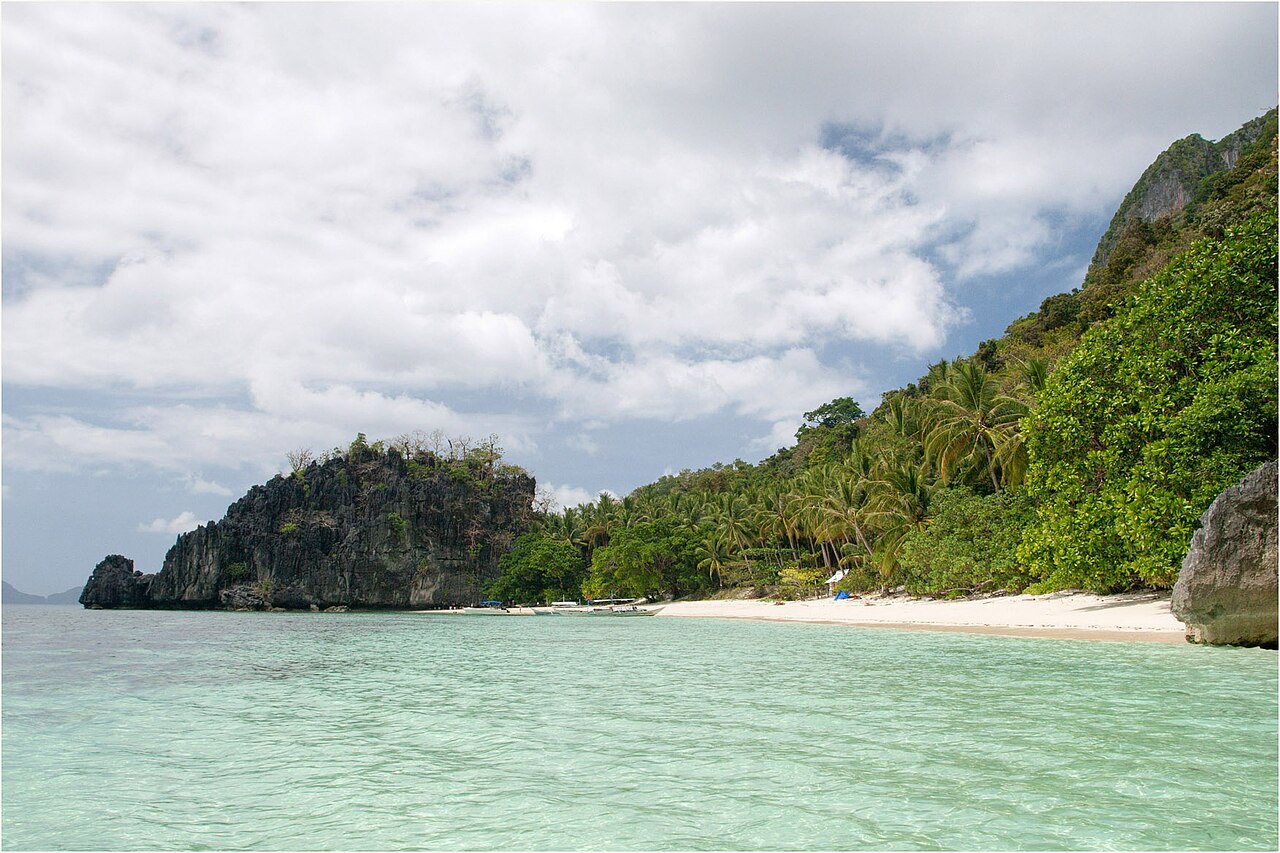
- Source- By Tuderna, CC BY 3.0
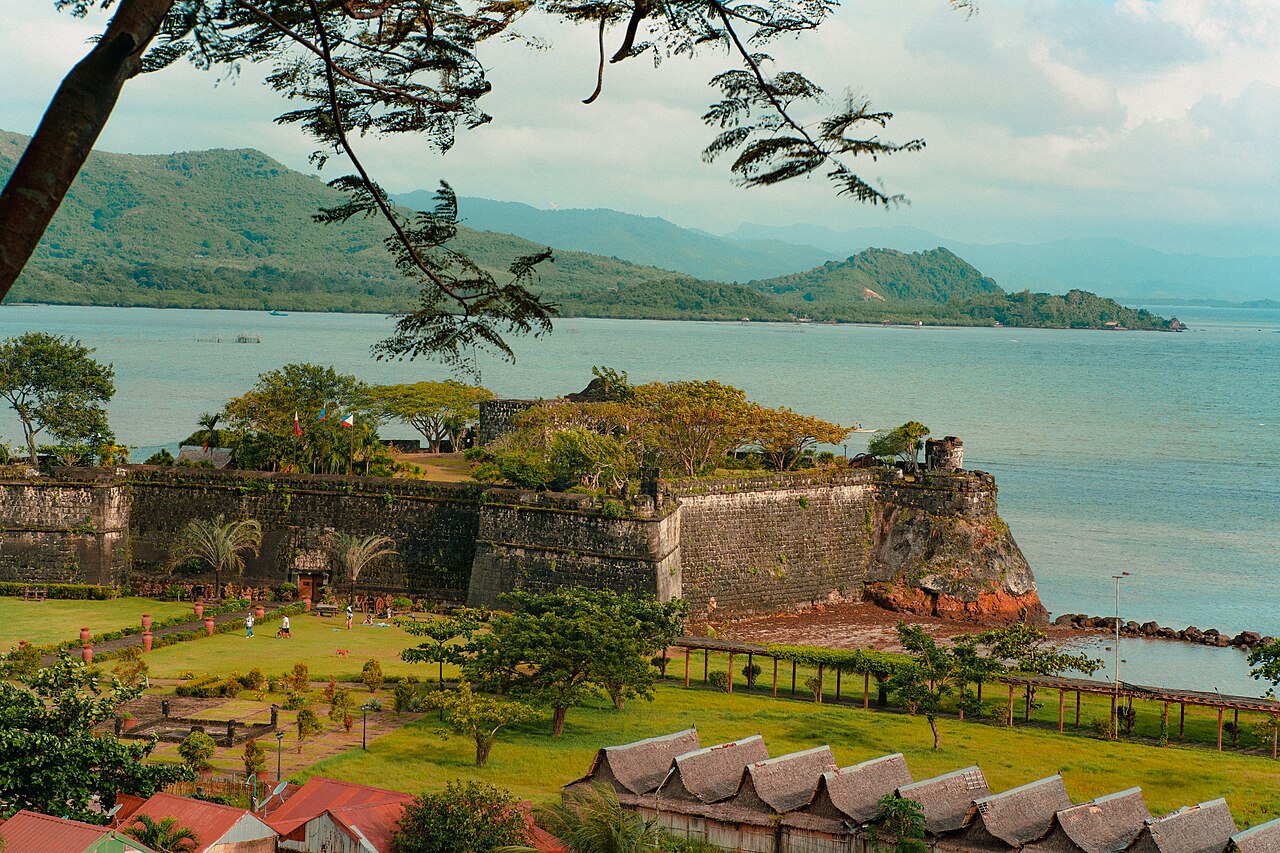
- Ft St Isabel, Palawan. Source- By Manguao - Own work, CC BY-SA 4.0
- Bohol: South of Cebu lies Bohol, home to the Chocolate Hills. These are over 1,200 perfectly symmetrical brown mounds that turn a cocoa color during the dry season. While in Bohol, visit the Philippine Tarsier Sanctuary in Corella to see one of the world's smallest and rarest primates. Pro tip: The tarsiers are incredibly sensitive to noise and light, so silence is mandatory during your visit.
- The Banaue Rice Terraces: For a change of pace, head to the Cordillera mountains of Northern Luzon. Often called the "Eighth Wonder of the World," these terraces were carved into the mountains by the Ifugao people using minimal tools. Trekking here offers a glimpse into a living heritage that has sustained local communities for two millennia.
2. The Digital Compass: Why You Need an eSIM
While the Philippines is a place to disconnect from stress, it is a country where staying connected to the grid is a logistical necessity. In 2026, the nation’s infrastructure is highly digitized, particularly for travelers.
The Logistics Challenge
- Island Coordination: Moving between islands often involves local ferries (like OceanJet) and small planes. Schedules can shift based on weather or local tides. Having a reliable data connection is the only way to receive real-time updates and avoid being stranded at a pier.
- Safety & Navigation: In cities like Manila and Cebu, it is safer and more efficient to use ride-hailing apps like Grab rather than hailing street taxis. These apps require a constant, stable data connection to function.
- The eTravel Requirement: One of the most critical facts for 2026 is the eTravel card. Every traveler must register online before arrival. You will be required to show your QR code to airline staff and immigration officers, often multiple times.
The Solution: The eSIM To avoid the hassle of hunting for a physical SIM card at the airport or dealing with biometric registration queues, purchase a Philippines-compatible eSIM before you fly.
- The Benefit: An eSIM connects you to the local 5G or 4G networks the moment your plane lands at Ninoy Aquino International Airport (NAIA). It ensures your eTravel QR code is ready on your screen, your maps are loaded, and your ride to the hotel is secured immediately.
3. A Taste of the Islands
Filipino cuisine is a vibrant, soul-warming fusion of Malay, Chinese, and Spanish influences. It relies heavily on fresh seafood, citrus (calamansi), and slow-simmered stews.
- Sinigang: A beloved sour soup traditionally flavored with tamarind. For the best experience, try the Sinigang na Hipon (shrimp) or Beef Sinigang, filled with fresh radish, okra, and water spinach. It is the ultimate comfort food for a tropical rainy afternoon.
- Chicken Inasal: Originating from Bacolod, this is chicken marinated in calamansi, pepper, coconut vinegar, and annatto, then grilled over hot coals. It is smoky, zesty, and best enjoyed with a side of "garlic rice."
- Fresh Catch: Along the coast, look for Lapu-Lapu (grouper), which is often served steamed with ginger and soy sauce or grilled with local herbs.
- Halo-Halo: The iconic Filipino dessert. It is a colorful mixture of shaved ice, evaporated milk, and various ingredients like sweet beans, coconut strips, and purple yam (ube). It is a refreshing, textures-heavy treat that is perfect for the midday heat.
4. Essential Travel Logistics for 2026
- Entry Requirements: You must register via the eTravel portal (etravel.gov.ph) within 72 hours of your arrival. This is a free service; be wary of third-party websites that ask for payment.
- Currency: The Philippine Peso (PHP) is the official currency. While cards are accepted in major malls and hotels, the Philippines is still a cash-heavy society. You will need physical pesos for "tricycles" (local transport), small island tours, and market stalls.
- Safety Advice: As of February 2026, travel advisories recommend exercising a high degree of caution in the Philippines. Avoid all travel to the Sulu Archipelago and Western/Central Mindanao due to ongoing security concerns. Stick to the established tourist corridors in the Visayas and Palawan.
- Climate: The "dry season" runs from December to May, which is the ideal time for island hopping. However, be prepared for occasional tropical rain even during the dry months.
Why Go Now?
The Philippines offers a rare luxury: the feeling of truly being "away." It is a place that rewards the patient and the curious. By securing your digital connection with an eSIM and respecting local customs, you can navigate this 7,000-island maze with confidence and ease.