
The Northern Mariana Islands: A 6-Minute Guide to Sunken History, Sapphire Caverns, and Seamless Island Connectivity
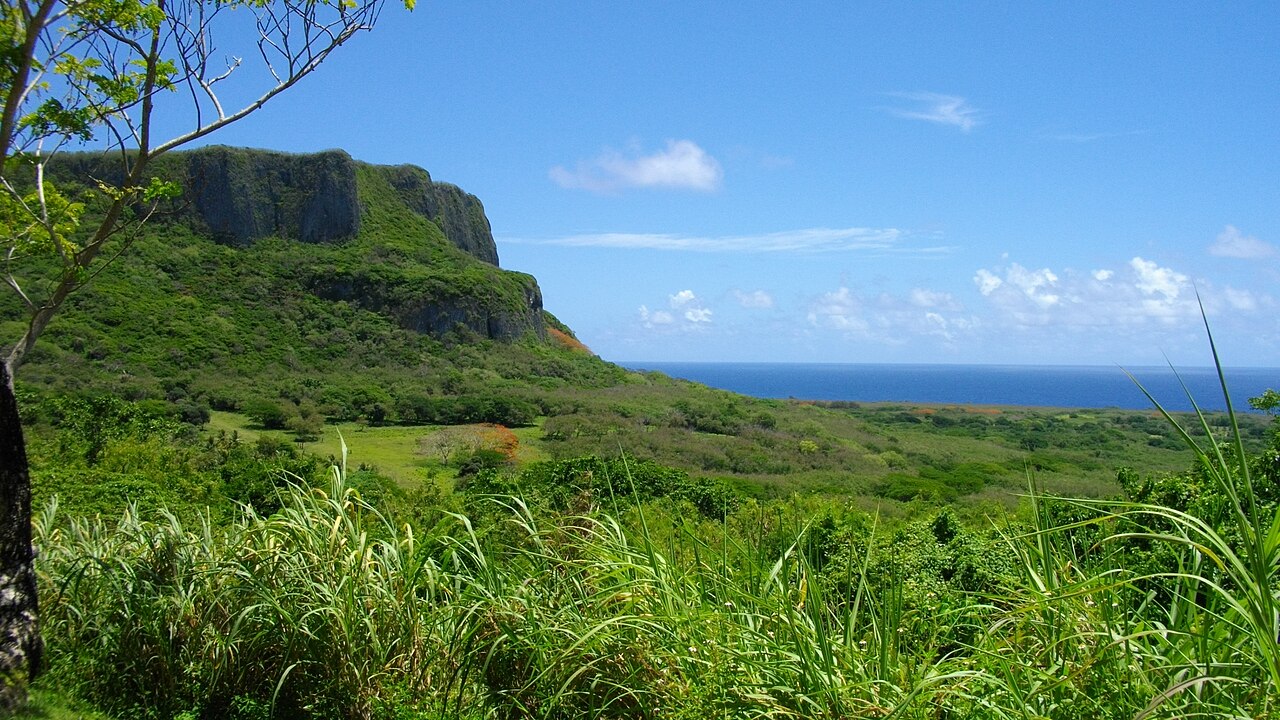
The Commonwealth of the Northern Mariana Islands (CNMI) is a place where the map of the world begins to feel vast and wondrous. Located in the western Pacific, this chain of fourteen volcanic and limestone islands offers a landscape that is both raw and refined. From the dramatic cliffs of Saipan to the ancient megaliths of Rota, the Marianas are a testament to the endurance of the Chamorro and Carolinian spirits.
In 2026, the Marianas have become a premier destination for those seeking "slow travel"—an escape from the frantic energy of metropolitan life into a world of crystal-clear lagoons and deep historical resonance. Here is your factual guide to the three main stars of the archipelago: Saipan, Tinian, and Rota.
1. Saipan: Nature’s Blue Masterpiece
Your journey begins on Saipan, the largest and most populous island. While it serves as the commercial hub, its heart is undeniably wild.

Bird Island, Saipan, Northern Mariana Islands. Source- Wikimedia Commons.
- The Grotto: Often cited as one of the best cavern diving spots in the world, the Grotto is a collapsed limestone cave filled with sapphire-blue seawater. Three underwater tunnels lead out to the open ocean. Even if you aren't a diver, the view from the top of the steep stairs—where the light hits the deep blue water—is a visual experience that defies description.
- Bird Island (Unai Bird): Located on the northeastern coast, this small limestone island sits within a marine sanctuary. It is a nesting ground for thousands of resident and migratory seabirds. At sunrise, the sky above the island is filled with the graceful silhouettes of terns and frigatebirds, while the surrounding coral reef creates a dazzling spectrum of turquoise and navy.
- Mount Tapochau: To see the entire island in one glance, drive or hike to the summit of Mount Tapochau. At 480 meters (1,560 feet), it is the highest point on the island. Because the Mariana Trench—the deepest part of the world's oceans—is just to the east, it is technically the "highest mountain in the world" if measured from the ocean floor.
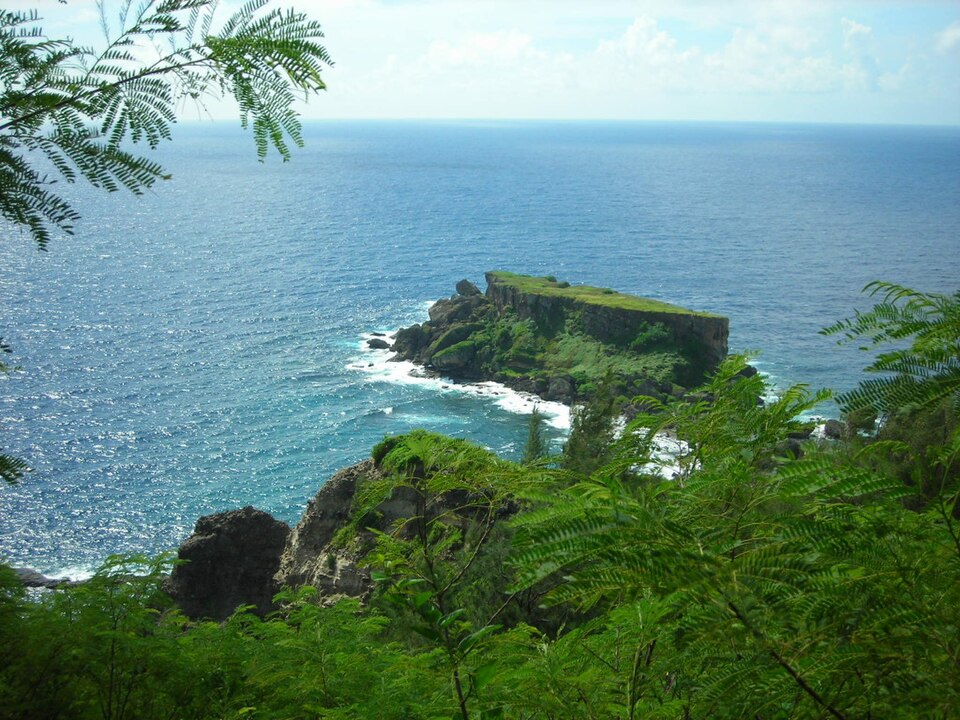
- Forbidden Island, Saipan, Northern Mariana Islands. Source- By Paul Richter - Own work, CC BY-SA 4.0
2. The Historical Echoes of Tinian
A short, scenic ten-minute flight from Saipan brings you to Tinian, an island defined by its quietude and its monumental place in global history.
- North Field & The Atomic Bomb Pits: For history buffs, Tinian is a sobering open-air museum. In 1945, North Field was the largest and busiest airfield in the world. Today, you can visit the glass-covered pits where the "Little Boy" and "Fat Man" atomic bombs were loaded onto the B-29 bombers. The area is eerily peaceful now, reclaimed by the tangan-tangan trees and the silence of the Pacific.
- House of Taga: Long before World War II, Tinian was the seat of the ancient Chamorro royalty. The House of Taga features massive "latte stones"—megalithic limestone pillars topped with hemispherical capstones. These structures served as the foundations for the homes of the nobility, and standing beside a five-meter-tall pillar offers a profound sense of the engineering brilliance of the ancient Marianas.
- Taga Beach: Bordered by towering cliffs, this small cove features white sand and incredibly calm water. It is a favorite spot for locals to jump from the cliffs into the warm, transparent sea below.
3. Rota: The Serene Sanctuary
Nicknamed "The World's Friendliest Island," Rota (Luta) is the southernmost island of the CNMI and remains largely untouched by modern development.
- The Swimming Hole: Located on the northern coast, this is a natural pool protected from the crashing Pacific waves by a wall of volcanic rock. It is a tranquil sanctuary where you can swim in crystal-clear water while watching the spray of the ocean just meters away.
- Rota Bird Sanctuary: Perched on the edge of the I Chenchon Bird Sanctuary, you can look down over the sheer limestone cliffs to see thousands of brown boobies and red-footed boobies nesting in the canopy below.
- Stone Latte Quarry: In the As Nieves region, you can see massive latte stones that were partially carved out of the bedrock and left in place centuries ago. The scale of these stones is much larger than those found elsewhere, leading many to believe Rota was the center of a grand architectural era.
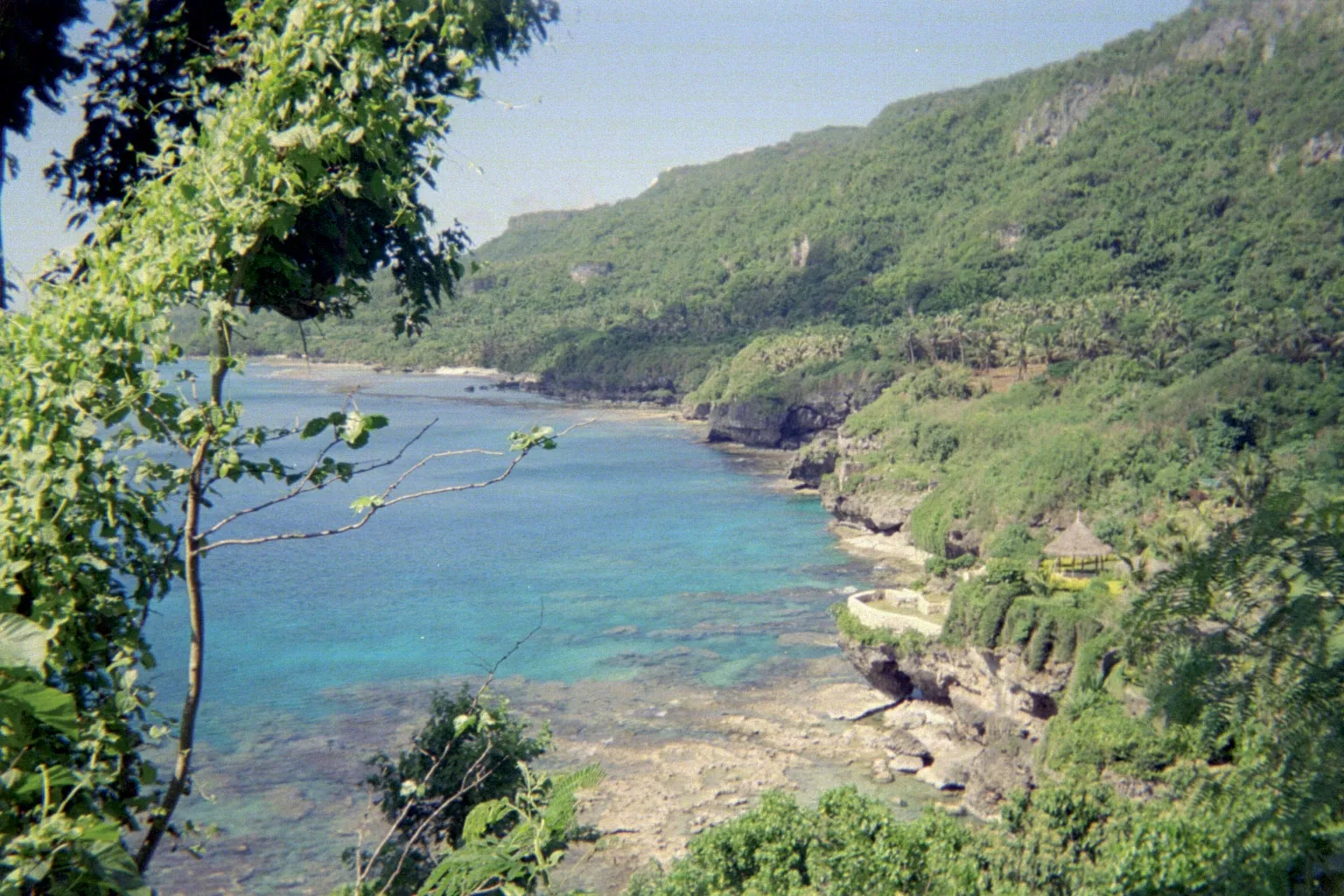
- Rota, Northern Mariana Islands. Source- Britannica.
4. The Digital Lifeline: Why You Need an eSIM in 2026
In 2026, navigating the Marianas has been transformed by digital accessibility. While the islands are small, the geography is rugged, and the best hidden gems—like the Kalabera Cave or secret WWII bunkers—are often off the paved roads.
The Navigation Challenge
- Finding the Trailheads: Many of the most significant historical sites on Tinian and Rota are located at the end of unmarked jungle tracks. You will rely heavily on real-time GPS and community-sourced maps to find your way.
- Inter-Island Coordination: Traveling between the islands requires flying with small local carriers. Schedules can shift based on weather, and having a reliable data connection is the only way to stay updated in real-time.
The Solution: The eSIM To avoid the high costs of international roaming or the hassle of finding a local shop in Garapan, purchase a Northern Mariana Islands-compatible eSIM data plan before you fly.
- The Benefit: An eSIM allows you to connect instantly to local networks (like IT&E or DOCOMO Pacific) the moment you land at Saipan International Airport. It ensures you have secure, immediate internet to load your maps, check the "Marianas Calendar" for local cultural events, and coordinate with your tour guides without ever needing to swap a physical card or hunt for Wi-Fi in the remote north.
5. A Taste of the Marianas: Traditional Chamorro Cuisine
Maltese and Carolinian cuisine is a vibrant fusion of indigenous, Spanish, and Asian influences. It relies heavily on local root vegetables, fresh seafood, and aromatic spices.
- Red Rice: This is the cornerstone of every Marianas meal. The rice is colored and flavored using achiote (annatto) seeds, giving it a bright orange hue and a subtle, earthy nuttiness.
- Chicken Kelaguen: A signature Chamorro dish. Fresh chicken is grilled and then finely chopped and "cooked" in a marinade of lemon juice, freshly grated coconut, spring onions, and spicy donni’ såli (local boonie peppers). It is traditionally served cold with warm, handmade flour titiyas (tortillas).
- Eskabeche: A local take on the Spanish classic. Freshly caught reef fish is fried and then smothered in a tangy vinegar sauce with turmeric, ginger, and a medley of vegetables like eggplant, cabbage, and carrots.
- Gollai Appan Lenmai: For a hearty side, look for breadfruit (lenmai) slow-cooked in rich, savory coconut milk until it reaches a soft, potato-like consistency.
- Latiya: To finish your meal, try this beloved dessert. It consists of a sponge cake base topped with a thick, creamy vanilla custard and a generous dusting of cinnamon.
Essential Travel Logistics
- Entry Requirements: As a U.S. Commonwealth, the Northern Mariana Islands fall under U.S. immigration laws. Visitors must check the latest visa requirements, though citizens of many countries can enter under the Guam-CNMI Visa Waiver Program.
- Climate: The weather is tropical year-round, but the best time to visit is during the "dry season" from December to June.
- Respect the Land: Many sites are considered sacred or of immense historical gravity. Always stay on marked paths, never remove artifacts from WWII sites, and respect the "No Touching" rules in the fragile marine sanctuaries.
Why Visit Now?
The Northern Mariana Islands offer a rare luxury: the chance to stand in places where history was made while surrounded by the absolute silence of nature. It is a destination that demands presence and rewards the curious. By preparing your travel documents early and securing your digital connection with an eSIM, you are ready to explore the sapphire heart of the Pacific.