
The Gambia: The Smiling Coast of West Africa
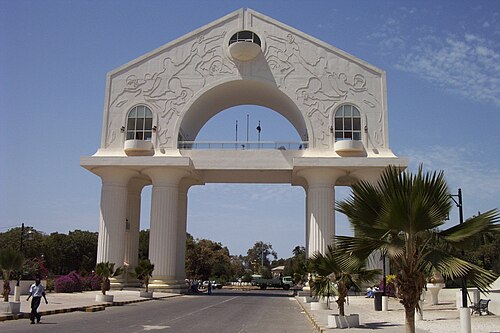
If you look at a map of West Africa, The Gambia appears as a curious, slender finger of land surrounded almost entirely by Senegal. But don't let its size fool you. As the smallest country on mainland Africa, it punches well above its weight in culture, wildlife, and accessibility.
Known as the "Smiling Coast," The Gambia offers a gentle introduction to West Africa. It is a place where golden beaches meet mangrove swamps, where you can boat past chimpanzees in the morning and wander through vibrant markets by afternoon.
If you are ready to trade the ordinary for the extraordinary, here is your factual guide to The Gambia.
1. The River Gambia: The Country’s Lifeblood
The country is named after the river that splits it down the middle, and no trip is complete without venturing onto the water.
- River Gambia National Park: Located about 300km inland, this park is home to the Baboon Islands. Cruising these waters offers a chance to see hippos surfacing near your boat and, more famously, chimpanzees. The Chimpanzee Rehabilitation Project has successfully reintroduced chimps to these islands. You cannot step onto the islands (they are for the animals), but the boat safaris offer incredible sightings from a safe distance.
- Birdwatching: With over 500 species of birds, The Gambia is a world-class destination for ornithologists. Keep your eyes peeled for Kingfishers, Rollers, and the iconic African Fish Eagle.
2. Kachikally Crocodile Pool: A Sacred Encounter
In the town of Bakau lies one of the most unique sites in the country: the Kachikally Crocodile Pool.
- The Legend: This is not a zoo; it is a sacred site. Locals believe the waters have healing powers, particularly for fertility.
- The Crocodiles: The pool is home to dozens of Nile crocodiles. Because they are well-fed and accustomed to human presence, they are docile. Visitors can often get close enough to touch them under the supervision of the guides—a surreal and heart-pounding experience that you won’t find many other places on Earth.
- The Museum: Don’t skip the small ethnographic museum on-site, which provides fascinating context on local traditions, masquerades, and musical instruments.
3. The Connectivity Reality: Why You Need an eSIM
Here is a logistical reality check. While the coastal tourist areas have modernized, connectivity can still be a challenge.
The Roaming Trap
- High Costs: For many international travelers, The Gambia falls into "Zone 3" or "Rest of World" roaming categories. Using your home SIM card to check maps or upload photos can result in exorbitant daily fees.
- Local Registration: Buying a local SIM card is possible, but it requires mandatory registration with a passport. This process can sometimes be slow or involve visiting a main provider office, taking valuable time away from your trip.
The Solution: The eSIM To ensure you can navigate the bustling streets of Serekunda or translate a menu instantly, purchase a Gambia-compatible eSIM data plan before you fly.
- The Benefit: An eSIM allows you to connect to local networks (like Africell or QCell) the moment you land at Banjul International Airport.
- The Safety Net: It gives you the ability to use Google Maps for navigation and WhatsApp to communicate with drivers and guides, which is the primary mode of communication here.
4. A Taste of The Gambia: Domoda and Benachin
Gambian cuisine is rich, flavorful, and hearty. It relies heavily on fresh ingredients like peanuts, rice, and fish.
- Domoda: This is the national dish, and for good reason. It is a savory peanut stew (groundnut stew) usually made with beef or chicken. The sauce is rich and creamy, served over white rice. It is absolute comfort food.
- Benachin: Literally translating to "one pot" (similar to Jollof rice), this dish consists of rice cooked with tomato paste, vegetables, and meat or fish, allowing all the flavors to absorb into the grain.
- Wonjo Juice: For a refreshing drink, try Wonjo. Made from dried hibiscus flowers and mint, it is a sweet, deep-red juice that tastes like cranberry but better.
5. Bijilo Forest Park: The Monkey Park
Just a short walk from the main tourist strip is Bijilo Forest Park, a small reserve that is easy to explore on foot.
- The Residents: The park is famous for its Green Vervet monkeys and Western Red Colobus monkeys. They are wild but accustomed to visitors. The Red Colobus are endangered and rarer to see elsewhere, making this a special spot for wildlife lovers.
- The Walk: The trails wind through gallery forest and scrub, leading eventually to the dunes. It is a peaceful escape from the busy beaches and a great place to see monitor lizards and colorful birds.
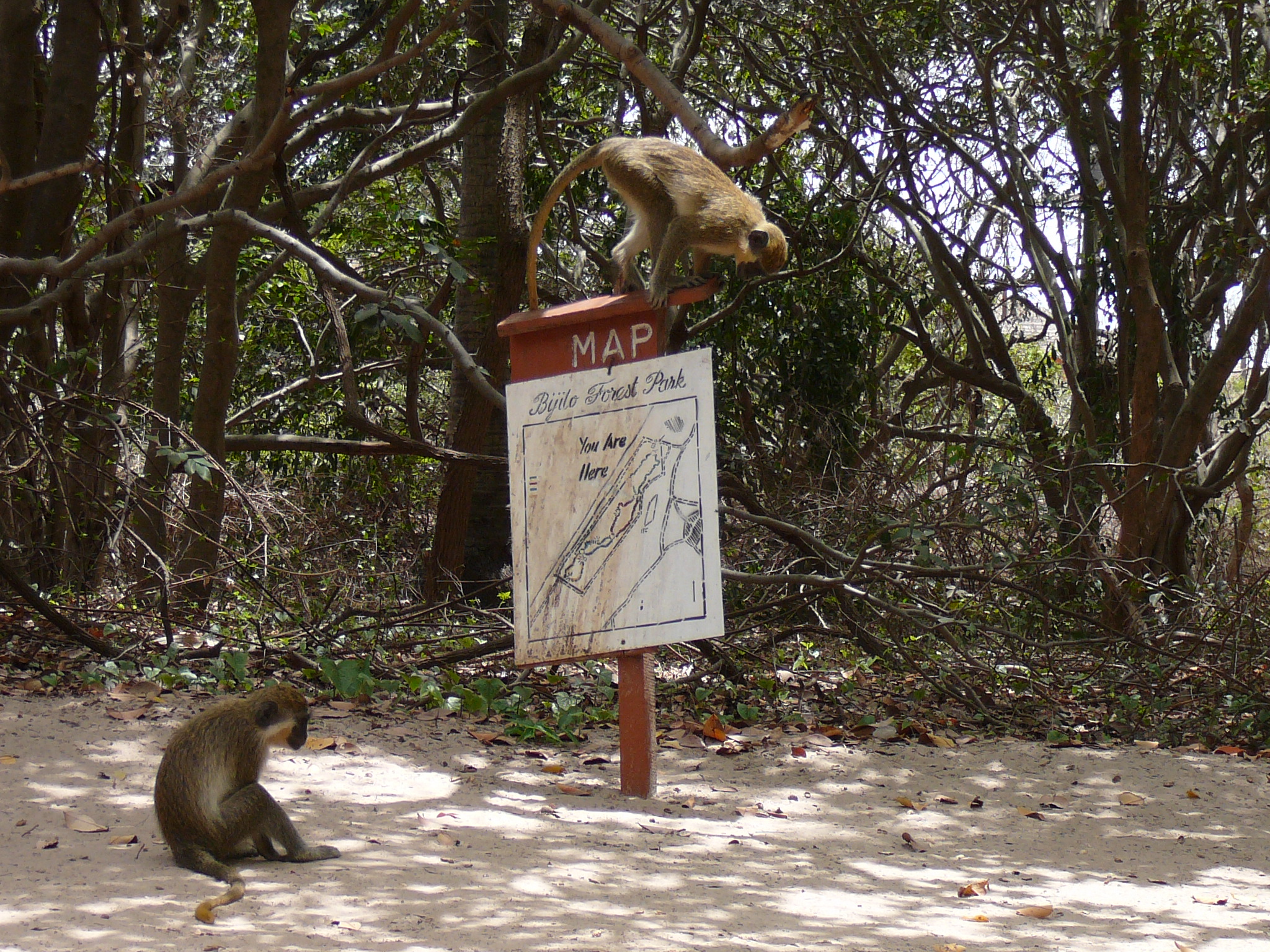
- Source- Atamari, CC BY-SA 3.0, via Wikimedia Commons
6. Practical Survival Tips
- Currency: The Gambian Dalasi (GMD).
- Cash is King: While some hotels accept cards, you will need cash for markets, taxis, and local restaurants. Carry pristine notes (Euros, USD, or GBP) to exchange at official bureaus.
- Greetings: The Gambia is a polite society. Always say "Salaam Aleikum" (Peace be upon you) or a simple "Good morning" before asking a question. It goes a long way.
Why Go Now?
The Gambia offers a unique blend of easy beach living and authentic African culture. It is safe, English is the official language, and the people are genuinely welcoming. Whether you are watching a golden sunset over the Atlantic or listening to the call of a fish eagle on the river, The Gambia is a small country that leaves a big impression.