
The Falkland Islands: The Galapagos of the South Atlantic
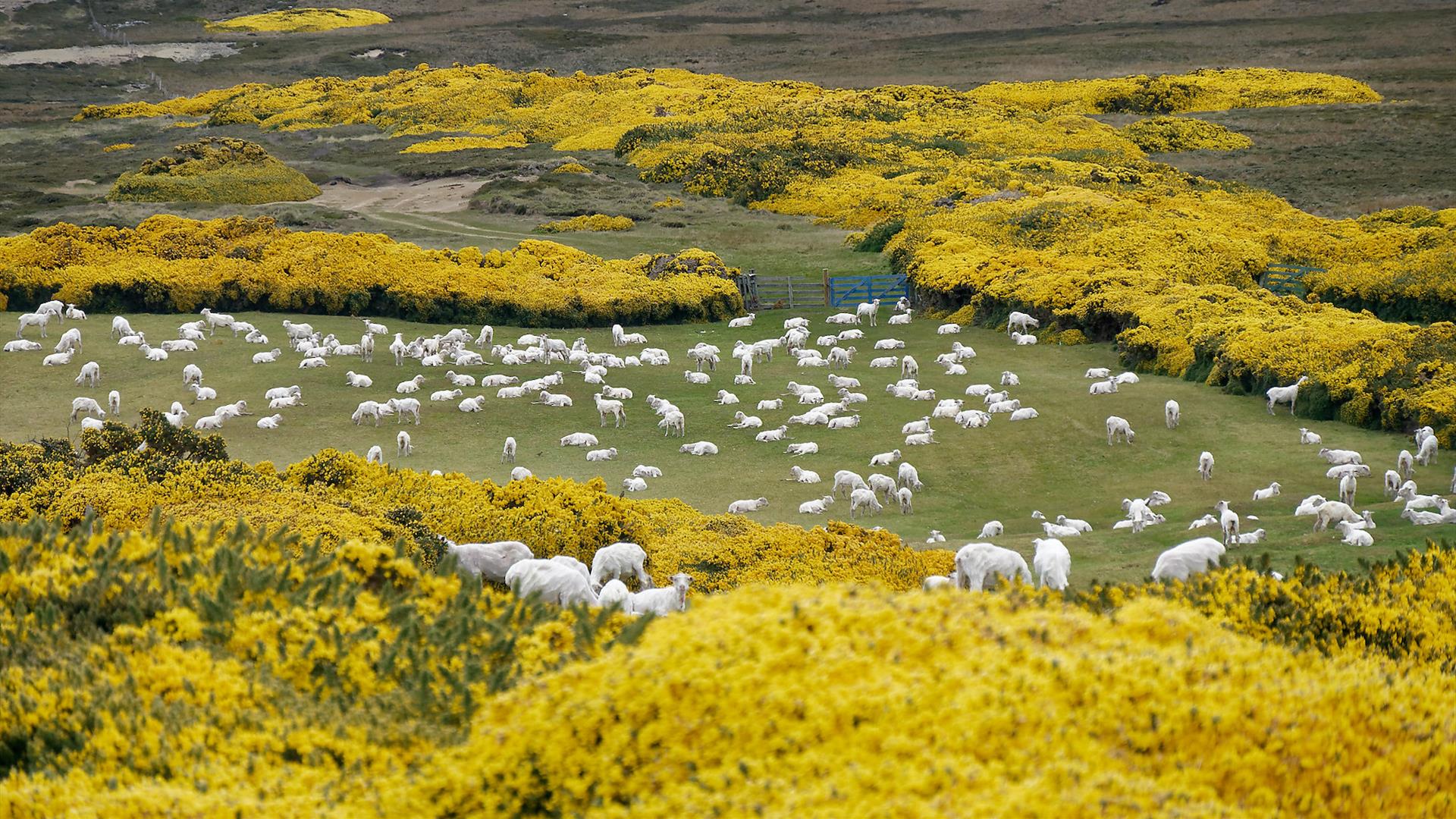
Source: Falkland Islands Tourist Board
If you mention the Falkland Islands, most people think of one thing: the 1982 conflict. But to visit this archipelago today is to discover that its history is just a footnote to its geography.
Located 300 miles off the coast of South America, the Falklands are a raw, windswept wonderland that feels like the Scottish Highlands were dropped into the middle of the Antarctic Ocean. It is a place where sheep outnumber people 160 to 1, and where penguins outnumber everyone.
This is not a destination for the casual tourist. It requires effort, budget, and a tolerance for wind. But for wildlife enthusiasts, it is arguably the best place on Earth. Here is your factual guide to the "Penguin Kingdom."
1. The Wildlife: Why You Are Here
You don't come to the Falklands for the weather; you come for the birds. The access here is unparalleled. There are no fences and no crowds—just you and thousands of penguins.
- Volunteer Point (King Penguins): This is the crown jewel. Located on East Falkland, it is home to the largest colony of King Penguins in the islands (over 1,500 breeding adults). These are the elegant, 3-foot tall penguins with vibrant orange necks.
- The Experience: You stand on a white sand beach while curious Kings waddle up to inspect your boots. Unlike in Antarctica, where you are often kept at a distance, here the wildlife comes to you.
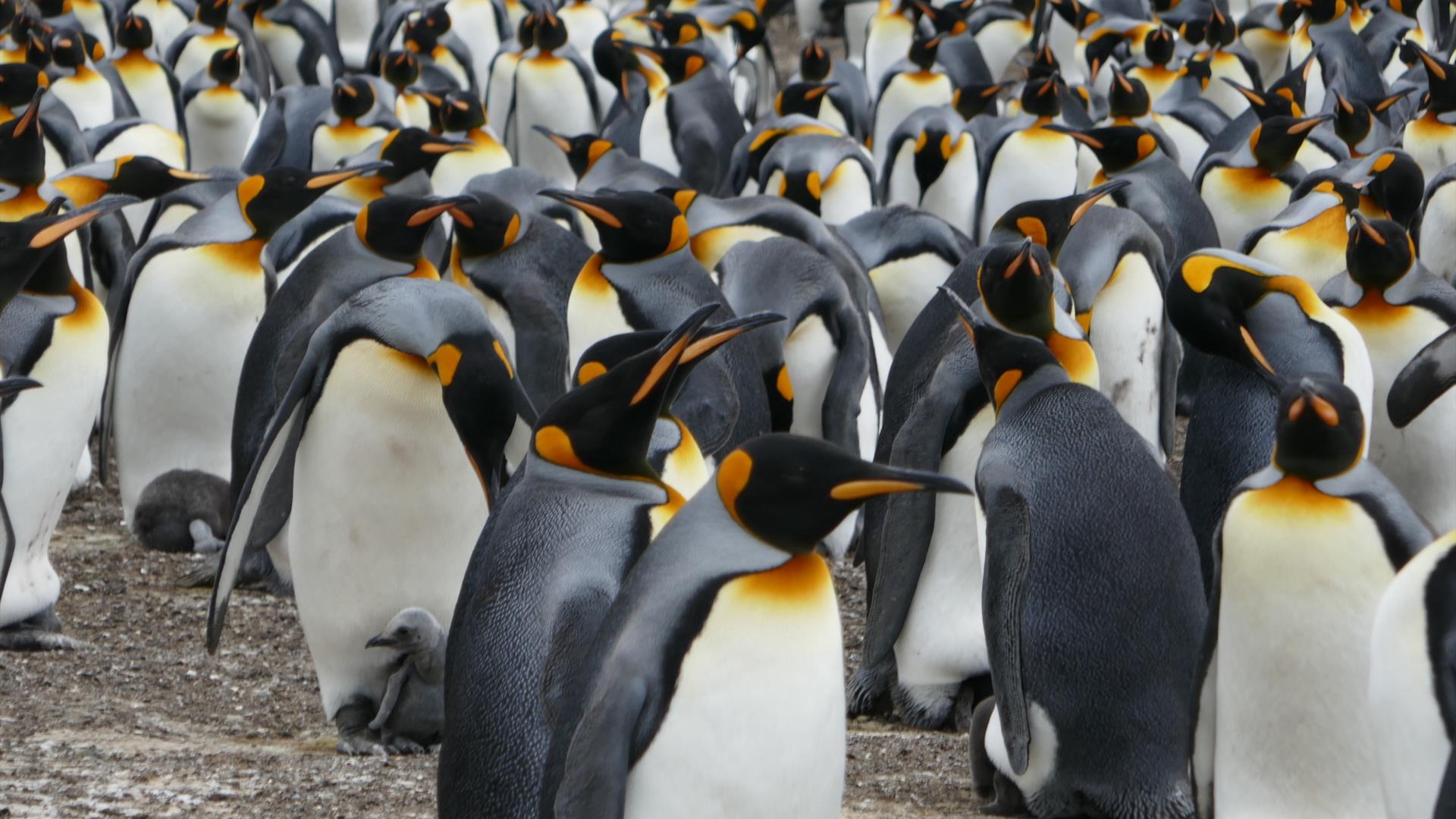
- Penguins on Falkland Islands. Source- Falkland Islands Tourist Board
- Saunders Island ("The Neck"): If you want the "National Geographic" shot, go here. "The Neck" is a narrow isthmus of sand with waves crashing on both sides. It is one of the few places in the world where you can see Rockhopper, Gentoo, Magellanic, and King penguins all in a single glance.
- Sea Lion Island: As the name suggests, this is the place for Southern Elephant Seals. Seeing two massive, 4-ton males fighting on the beach is a visceral, ground-shaking experience.
2. The FIGAS Experience: The Air Taxi
Travel in the Falklands is an attraction in itself. There are very few paved roads outside the capital, Stanley. To get between islands, you use FIGAS (Falkland Islands Government Air Service).
- The Plane: You fly in red, 8-seater Britten-Norman Islanders. They are small, rugged, and land on grass strips or beaches.
- The Schedule: There is no fixed timetable. You tell them where you want to go, and the night before, they announce the schedule on the local radio station and via email.
- The Weigh-In: Be prepared—every passenger and every piece of luggage is weighed before every flight. Pilot discretion determines where you sit to balance the aircraft.
3. The Connectivity Reality: Why You Need an eSIM
This is the most critical logistical tip for your trip. The Falkland Islands are extremely remote, and the digital infrastructure reflects that. Internet is almost exclusively satellite-based, meaning it can be slow and expensive.
The Roaming Black Hole Most international carriers (from the US, UK, and Europe) have zero roaming agreements with the Falklands. If you turn on your phone, you will likely see "No Service." If you do connect, data roaming rates can hit $10 per megabyte.
The Solution: The eSIM To ensure you can check your FIGAS flight schedule or contact your lodge owner, purchase a specialized Falkland Islands eSIM data plan before you fly.
- The Provider: The local network is Sure. While you can buy a physical SIM in Stanley, the shop hours are limited (and closed on weekends/holidays).
- The Benefit: Third-party providers now offer data packages that run on the Sure network.
- The Cost: Be warned—data is expensive here (often $50+ for 1GB). However, having that 1GB eSIM is a safety lifeline. It allows you to download offline maps, use WhatsApp, and confirm your transfers without hunting for Wi-Fi vouchers in remote settlements.
4. Stanley: The Toy-Town Capital
Your trip will start and end in Stanley. It looks like a colorful British village from the 1950s that was transported to the South Atlantic.
- The Sights: Visit the Christ Church Cathedral with its iconic arch made of blue whale jawbones. Walk to the Historic Dockyard Museum to understand the 1982 war and the island's maritime heritage.
- The Pubs: The British vibe is strong. Head to the Globe Tavern or Victory Bar for a pint of bitter and fish and chips. You will pay with Falkland Islands pounds (which are pegged 1:1 to the British pound), but you will hear accents that range from Chilean to St. Helenian to broad Yorkshire.
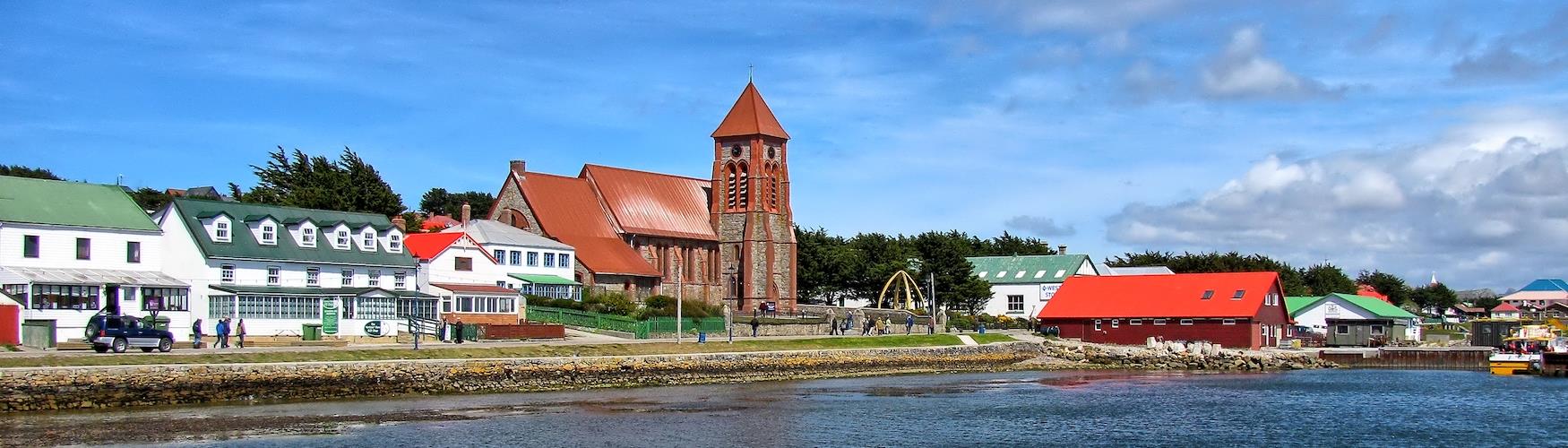
- Source- Falkland Islands Tourist Board
5. Bleaker Island: The Off-Grid Escape
If you want to feel truly isolated, book a few nights on Bleaker Island.
- The Landscape: It is a working organic sheep farm that doubles as a wildlife sanctuary.
- The Big Pond: A short walk from the lodge takes you to a pond teeming with Silvery Grebes and Black-necked Swans.
- The Rockhoppers: A mile away, you can sit on a cliff edge and watch Rockhopper penguins shower in a freshwater stream as they hop up from the ocean. The noise, the smell, and the energy of the colony are unforgettable.
6. Practical Survival Tips
Money Matters
- Currency: The Falkland Islands Pound (FKP).
- The Rule: British Pounds (GBP) are accepted everywhere. However, FKP cannot be exchanged outside the islands. Make sure you spend all your local notes or exchange them back to GBP or USD at the bank in Stanley before you leave.
The "Four Seasons" Rule
- The weather changes every ten minutes. The wind is constant and can be fierce.
- Pack: Waterproof trousers, a windproof shell, and layers. Do not bring an umbrella—it will be destroyed in seconds. Sunscreen is also mandatory; the hole in the ozone layer is right above you, and the sun burns quickly even on cloudy days.
Getting There
- The RAF Bridge: You can fly from the UK (Brize Norton) on the "Airbridge" flight (operated by Air Tanker), which stops in Ascension Island.
- The LATAM Route: Most tourists fly via Santiago, Chile, to Mount Pleasant Airport (MPN) on the Saturday weekly flight.
Why Go Now?
The Falkland Islands are one of the last places on earth where nature is truly in charge. There are no guardrails at the cliffs, no ticket barriers at the beaches, and no queues for the penguins. It is wild, windy, and refreshingly real. Just remember to download your eSIM before you go, or you might be sending your postcards by snail mail.