
The Dutch Caribbean AKA Netherlands-Antilles: A Guide to Island Hopping
Source: Britannica
For decades, travelers knew this sun-drenched region as the "Netherlands Antilles." While that political entity was dissolved in 2010, the geographic magic remains. Today, these islands are split into two distinct groups: the constituent countries of Aruba, Curaçao, and Sint Maarten, and the special municipalities of Bonaire, Saba, and Sint Eustatius (often called the Caribbean Netherlands).
Navigating this unique mix of European efficiency and Caribbean relaxation offers a travel experience unlike any other. Whether you are looking for world-class diving, hiking dormant volcanoes, or strolling through pastel-colored colonial towns, here is your factual guide to the Dutch Caribbean.
1. Curaçao: The Colorful Capital
The largest of the islands, Curaçao is a masterclass in colonial architecture and vibrant culture.
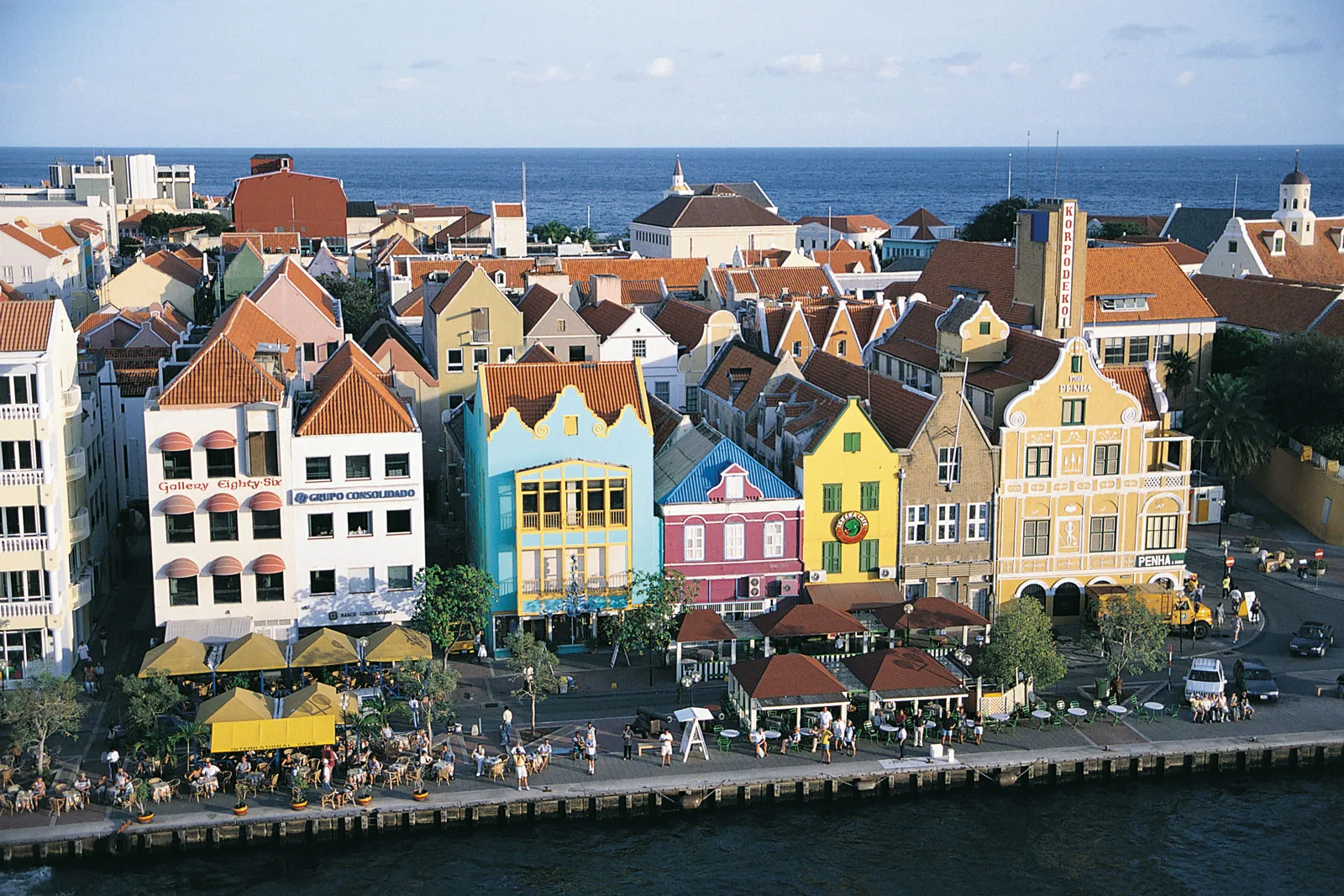
- Willemstad: The capital is a UNESCO World Heritage site, famous for the Handelskade waterfront. These towering 17th-century Dutch merchant houses, painted in bright shades of mango, strawberry, and lime, are the most photographed spots in the Caribbean. Walk across the Queen Emma Bridge, a floating pontoon bridge that swings open to let ships pass.
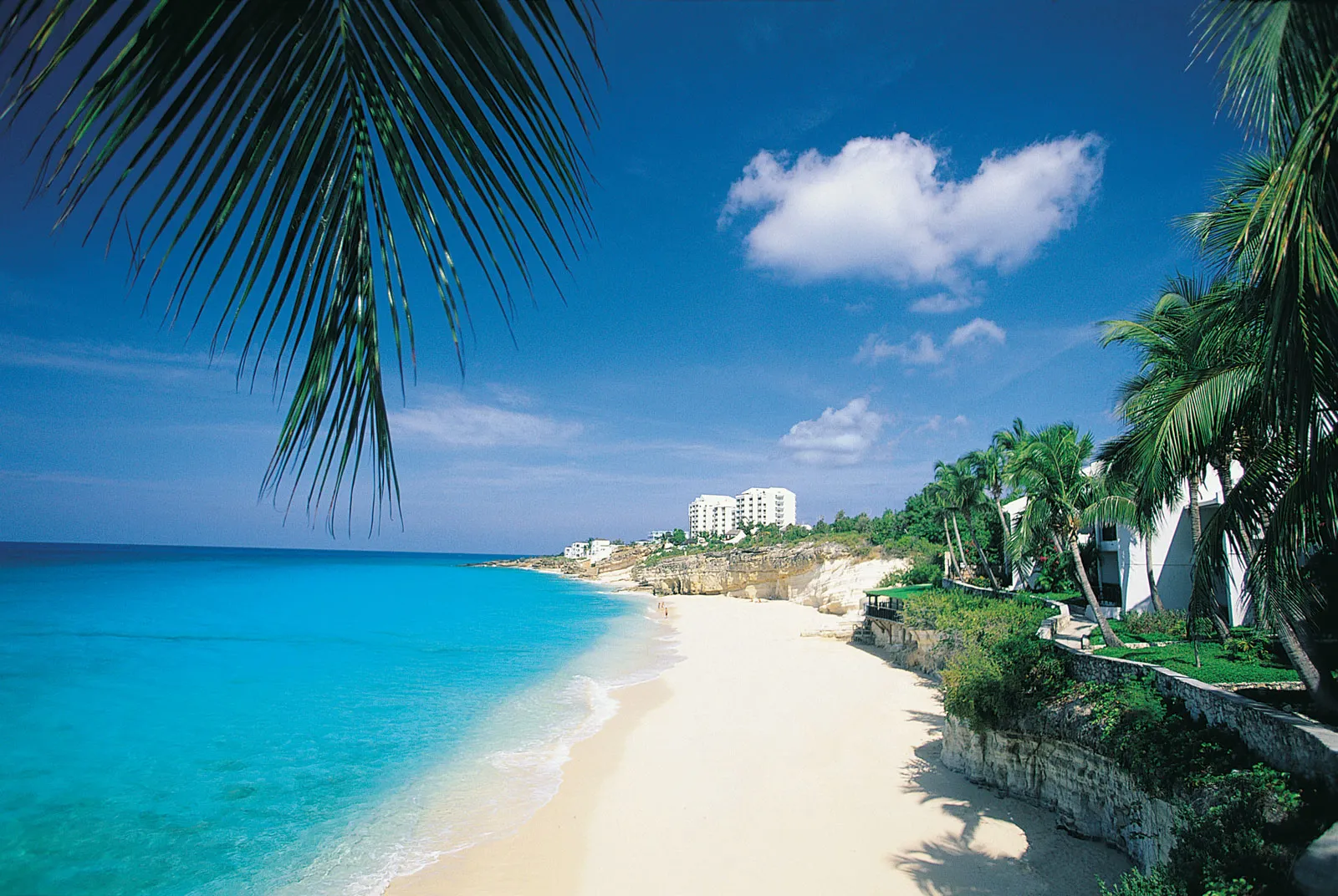
- Grote Knip: For a quintessential beach day, head to the western side of the island (Westpunt). Grote Knip (Kenepa Grandi) offers blindingly white sand and turquoise water nestled between high cliffs. It is a favorite among locals and offers excellent snorkeling right off the shore.
- Source- Britannica
2. Aruba: The Happy Island
Just west of Curaçao lies Aruba, famous for its perfect weather and desert landscapes.
- Arikok National Park: Covering nearly 20% of the island, this park is a stark contrast to the beaches. It is a rugged landscape of cacti, limestone cliffs, and ancient caves (like Fontein Cave) adorned with Arawak Indian drawings. You can explore the park by 4x4 or hiking trails to see the dramatic natural pool (Conchi) protected from the rough ocean waves by a wall of rock.
- Eagle Beach: Often ranked among the best beaches in the world, this expansive stretch of soft white sand is famous for its Fofoti trees—gnarled, twisted trees that grow directly on the beach, shaped by the constant trade winds.
3. The Connectivity Reality: Why You Need an eSIM
Here is a critical logistical fact for island hopping in this region. Because the islands have different political statuses (some are autonomous countries, others are municipalities of the Netherlands), their telecommunication networks are fragmented.
The Roaming Challenge
- Complex Borders: A local SIM card bought in Curaçao (an autonomous country) may treat usage in Bonaire (a Dutch municipality) as international roaming, leading to unexpected fees.
- Navigation: You will need reliable data to check inter-island flight schedules (via Divi Divi Air or Winair) and navigate the remote roads of Arikok or Washington Slagbaai National Park.
The Solution: The eSIM To ensure seamless connectivity across all six islands, purchase a regional Caribbean-compatible eSIM data plan before you fly.
- The Benefit: An eSIM allows you to download a single digital profile that covers the entire region. You can switch between networks (like Digicel or Chippie) instantly as you land on a new island, ensuring you have immediate access to maps and translation apps without ever swapping physical cards.
4. Bonaire: The Diver’s Paradise
If you love the ocean, Bonaire is arguably the best destination in the Caribbean.
- Shore Diving Capital: Unlike other islands where you need a boat to reach the reef, Bonaire’s reefs are accessible from the shore. You simply park your truck, gear up, and walk into the water. The entire coastline is a protected National Marine Park, ensuring pristine coral health.
- The Salt Pans and Flamingos: The southern end of the island is dominated by massive, brilliant pink salt pans and white salt pyramids. This area is also a sanctuary for thousands of Caribbean flamingos. The contrast of the pink water against the blue sky is a photographer's dream.
5. Sint Maarten: The Dual Nation
Located in the northern Leeward Islands, Sint Maarten shares a land border with the French collectivity of Saint-Martin. It is the smallest landmass in the world shared by two nations.
- Maho Beach: This is one of the most famous aviation spots on Earth. The beach sits directly at the end of the runway at Princess Juliana International Airport. Beachgoers can watch massive passenger jets land just meters above their heads—a thrilling, visceral experience found nowhere else.
- Great Salt Pond: For a quieter experience, visit the birdwatching platforms around the Great Salt Pond to spot herons, egrets, and pelicans.
6. Saba and Sint Eustatius: The Unspoiled Queens
For travelers who want to escape the crowds entirely, these two tiny volcanic islands offer pure nature.
- Saba (The Unspoiled Queen): Saba has no natural beaches. Instead, it rises steeply from the sea, culminating in Mount Scenery, a potentially active volcano. Hiking the 1,064 stone steps to the summit takes you through a mystical cloud forest filled with ferns and mahogany trees. The island is immaculately clean and looks like a fairy-tale village dropped into a jungle.
- Sint Eustatius (Statia): This quiet island was once the busiest port in the world, known as the "Golden Rock." Today, you can hike into the crater of The Quill, a dormant volcano. The crater floor is a lush rainforest, home to giant hermit crabs and native orchids.
7. A Taste of the Islands
The cuisine of the Dutch Caribbean is a melting pot of European, African, and Latin American flavors.
- Keshi Yena: The national dish of Curaçao and Aruba. It is a large round of Edam or Gouda cheese, hollowed out and stuffed with spiced meat (traditionally chicken or beef), raisins, olives, and capers, then baked until gooey and golden.
- Fresh Seafood: On all islands, the catch of the day is king. Look for Red Snapper (Red Snappah) or Wahoo, typically pan-fried and served with plantains, rice, and beans.
- Pastechi: The ultimate breakfast snack. These are crescent-shaped fried pastries filled with cheese, tuna, or chicken—perfect for eating on the go while exploring.
Why Go Now?
The islands of the former Netherlands Antilles offer a diversity that is rare in the Caribbean. You can dive a pristine reef in Bonaire one day, hike a cloud forest in Saba the next, and finish your week watching the sunset over the Dutch colonial architecture of Curaçao. By securing a regional eSIM and packing your hiking boots alongside your snorkel, you are ready to explore this multifaceted corner of the Kingdom.