
The Democratic Republic of the Congo: Africa’s Beating Heart
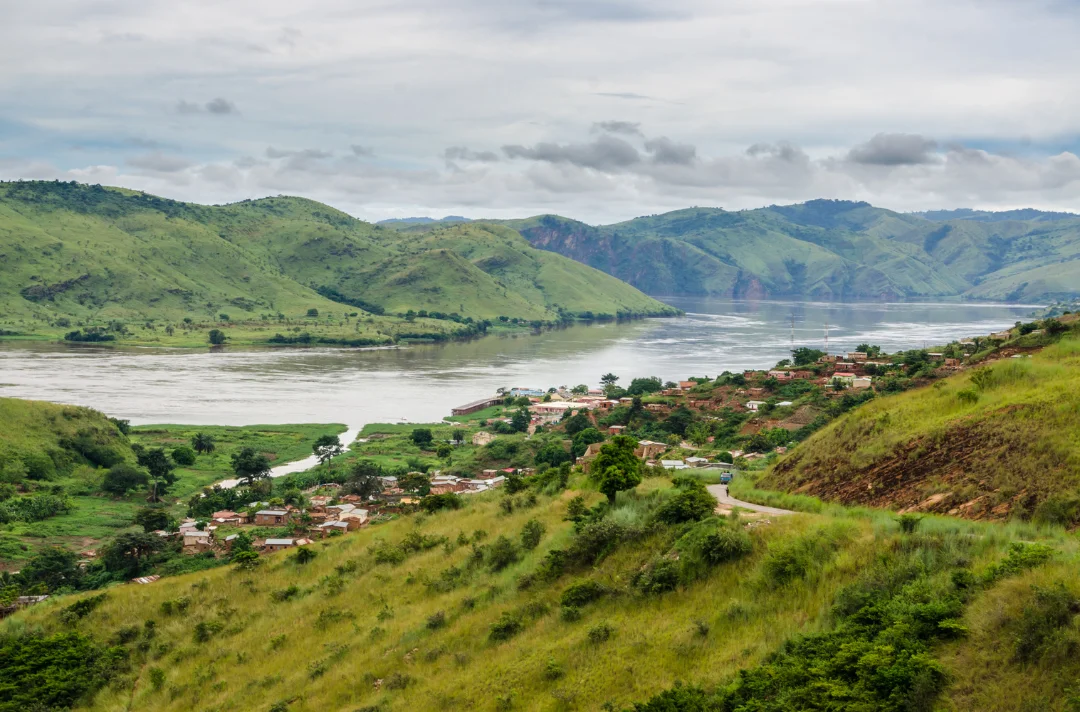
Let’s be absolutely clear before we pack our bags: The Democratic Republic of the Congo (DRC) is not a "holiday." It is an expedition. It is massive—the size of Western Europe—and it holds a complexity that defies simple headlines.
For decades, the DRC has been defined by its conflict, particularly in the east. But to reduce this giant nation solely to its tragedies is to miss one of the most vibrant, resource-rich, and ecologically stunning places on Earth. This is the land of the Congo River, the rumba, the Sapeurs, and the Eastern Lowland Gorilla.
If you are a seasoned traveler willing to navigate the bureaucracy and the grit, the DRC offers a look at Africa that feels entirely unscripted. Here is your factual guide to the safest, most accessible corners of the Giant of Africa.
1. Kinshasa: The Megalopolis
Kinshasa isn't just a city; it’s a force of nature. With over 17 million people, it is the largest Francophone city in the world (surpassing Paris). It is loud, chaotic, and aggressively alive.
- The Vibe: Kinshasa runs on music and hustle. This is the birthplace of Congolese Rumba, a genre so influential it is UNESCO-protected.
- The Sapeurs: Keep your eyes peeled for the Société des Ambianceurs et des Personnes Élégantes (La Sape). These are local fashionistas who dress in immaculate, brightly colored designer suits—often amidst dusty streets—as a form of defiance and artistic expression.
- Lola ya Bonobo: Located just outside the city, this sanctuary is the only place in the world where you can see Bonobos in a semi-wild setting. Bonobos are our closest genetic relatives (along with chimps), but unlike chimps, they are matriarchal and solve conflicts through affection rather than violence. It is a profound, peaceful experience just an hour from the city chaos.
2. The East: The "Safe" Gorilla Trek (Kahuzi-Biega)
Most travelers know about Virunga National Park. However, due to ongoing instability in the North Kivu region (as of 2024–2026), Virunga is often closed to tourism.
The smart alternative? Kahuzi-Biega National Park in South Kivu.
- The Difference: While Virunga has Mountain Gorillas, Kahuzi-Biega is the last stronghold of the Eastern Lowland Gorilla (Grauer’s Gorilla). These are the largest primates on the planet.
- The Trek: You access the park via the town of Bukavu (which you can reach by crossing the border from Rwanda). The trek here is generally easier than the steep slopes of the Virungas, but the humid, dense jungle feels incredibly wild. Sitting a few meters away from a 400-pound silverback as he strips bark from a tree is a primal experience that rivals any safari in the world.
- Safety Note: Always check the latest security reports before crossing into Bukavu. While generally more stable than Goma, the situation can change.
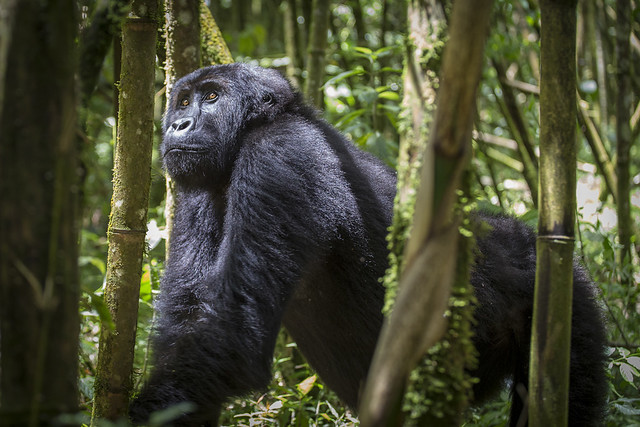
- Source- Kahuzi Biega National Park Congo
3. The Congo River: The Highway of History
You cannot understand this country without understanding the river. It is the deepest river in the world and the second largest by discharge.
- The View: In Kinshasa, head to the Fleuve Congo Hotel or a riverside restaurant in Gombe. Look across the rushing brown water, and you will see the skyline of Brazzaville (Republic of the Congo). It is the only place in the world where two capital cities face each other across a river.
- The Rapids: Just downstream from Kinshasa, the river transforms into the terrifying Inga Rapids. While you can't raft them commercially, seeing the sheer power of the water from the banks is humbling.
4. The Connectivity Necessity: Why You Need an eSIM
This is the most critical logistical section of this guide. In the DRC, being offline is a safety risk.
- The Infrastructure Gap: Wi-Fi in hotels is often slow or non-existent.
- The Bureaucracy: Buying a local SIM card (Vodacom, Airtel, or Orange) is not a quick process. It requires passport registration, fingerprinting, and often a long wait at an official shop. Street vendors can no longer legally activate SIMs for you.
- The Fix: For your safety, purchase an eSIM data plan before you fly.
- Why? An eSIM (digital SIM) allows you to connect to local towers the moment you land at N'djili Airport.
- The Use Case: You need data to track your ride-share (using safe apps like Uber or the local Yango is safer than hailing street taxis). You need it to communicate with your "fixer" or guide via WhatsApp. In a city as sprawling as Kinshasa, losing your connection means losing your bearings.
5. Practical Survival Tips
The "Visa" Maze
- Apply Early: The DRC visa is notoriously difficult. You usually need a notarized Letter of Invitation (LOI) from a host or tour operator in the DRC. Do not show up without a visa; you will be put on the next plane back.
- The Yellow Card: You must have a Yellow Fever vaccination certificate to enter. They check it before they even check your passport.
Money Matters
- Currency: The Congolese Franc (CDF) is the currency, but the US Dollar is the de facto king.
- The Condition: Your dollar bills must be pristine. No tears, no ink marks, and they must be the "big head" (post-2013) design. A bill with a tiny tear will be rejected by everyone, from taxi drivers to 5-star hotels.
- Cash is King: Credit cards are accepted only in the top hotels in Gombe (Kinshasa). Everywhere else, you need cash.
Photography Rules
- Be Careful: The DRC has strict (and often unwritten) rules about photography. taking photos of government buildings, airports, police, or bridges is strictly forbidden and can get you arrested.
- Ask First: Always ask permission before taking photos of people. In the markets, it is often better to keep the camera away to avoid confrontation.
Why Go Now?
The DRC is demanding. It will test your patience with traffic jams, humidity, and bureaucracy. But it will also reward you with a warmth and resilience that is impossible to describe. Whether you are watching the sun set over the Congo River or tracking giants in the mists of Kahuzi-Biega, you are seeing a world that refuses to be tamed.