
The Comoros: Finding Paradise in the "Islands of the Moon"
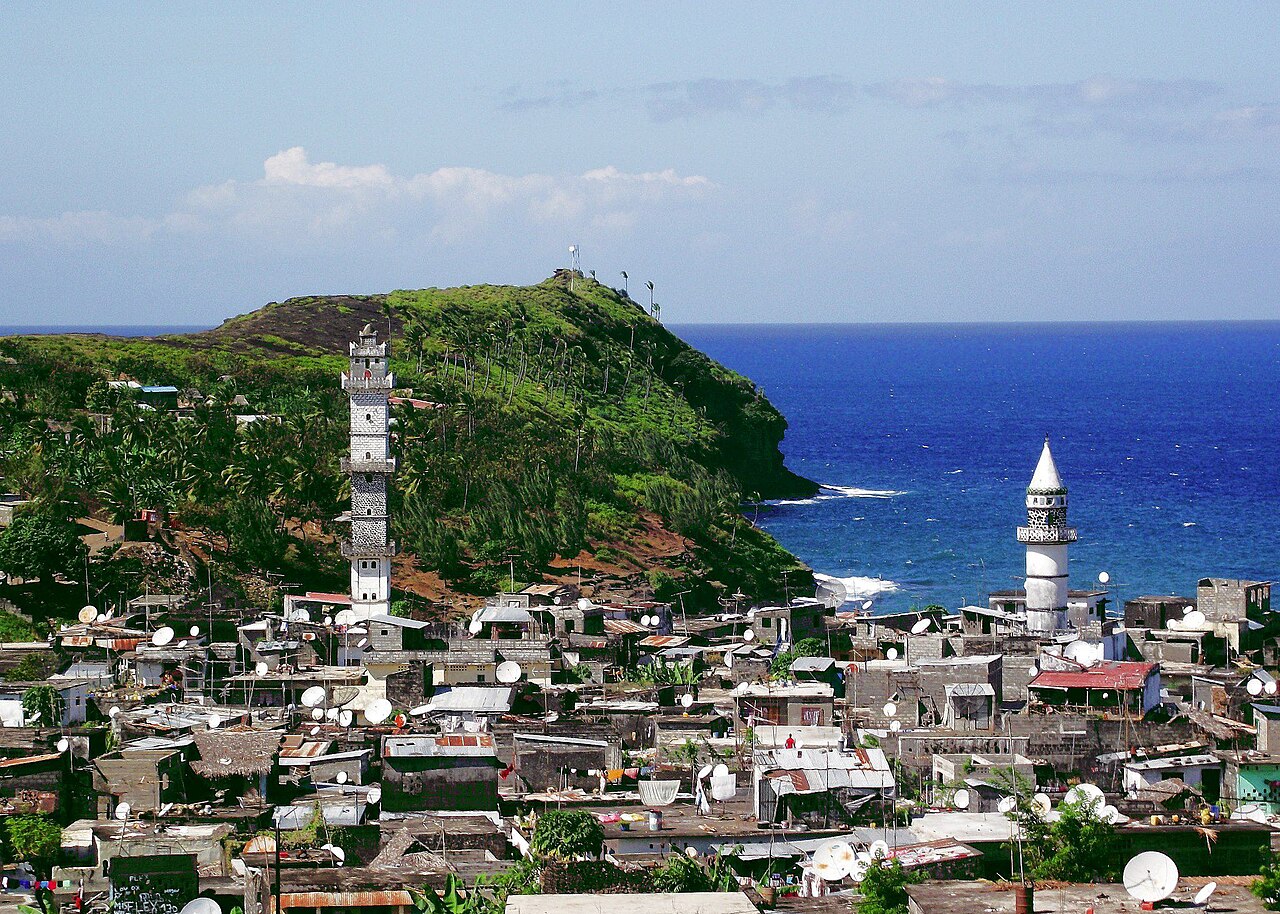
If you look at a map of the Indian Ocean, scanning the vast blue between Mozambique and Madagascar, you might miss them entirely. They are mere specks of volcanic rock, shrouded in mist and smelling of cloves and vanilla.
These are the Comoros. Known poetically as the "Islands of the Moon" (Juzur al-Qamar), they are one of the least visited nations on Earth. This is not the Maldives; you won’t find overwater bungalows or butler service here. Instead, you will find active volcanoes, sea turtles nesting on empty beaches, and a Swahili-Arab culture that feels frozen in time.
For the traveler willing to trade luxury for authenticity, the Comoros offers a frontier experience that is vanishing from our world. Here is your guide to navigating the Perfume Islands.
1. Grande Comore (Ngazidja): The Volcanic Giant
Your journey begins on the largest island, Grande Comore. It is a place of stark contrasts: black lava fields meet turquoise water, and ancient traditions meet the chaotic energy of the capital, Moroni.
- Moroni: The capital feels like a step back into the era of the Sultans. The Old Friday Mosque (Ancienne Mosquée du Vendredi), built in 1427, sits at the harbor’s edge, its white stone glowing against the dark volcanic rock. Wander the narrow alleyways of the Medina (Arab Quarter). It is a maze of crumbling stone houses and carved wooden doors, reminiscent of Zanzibar but without the tourists.
- Mount Karthala: Looming over the island is one of the most active volcanoes in the world. Hiking to the summit of Mount Karthala (2,361m) is the island’s premier adventure. It is a grueling trek—often taking two days—through thick rainforest that eventually gives way to a lunar landscape of ash and cinder. The reward? Standing on the rim of one of the largest active calderas on the planet.
- The North: Drive north to Lac Salé (Salt Lake), a bottomless emerald crater lake legendary for its local myths (locals say it swallows those who disrespect it). Nearby, the Dos du Dragon (Dragon’s Back) offers a series of jagged rock formations that look like the spine of a sleeping beast stretching into the sea.
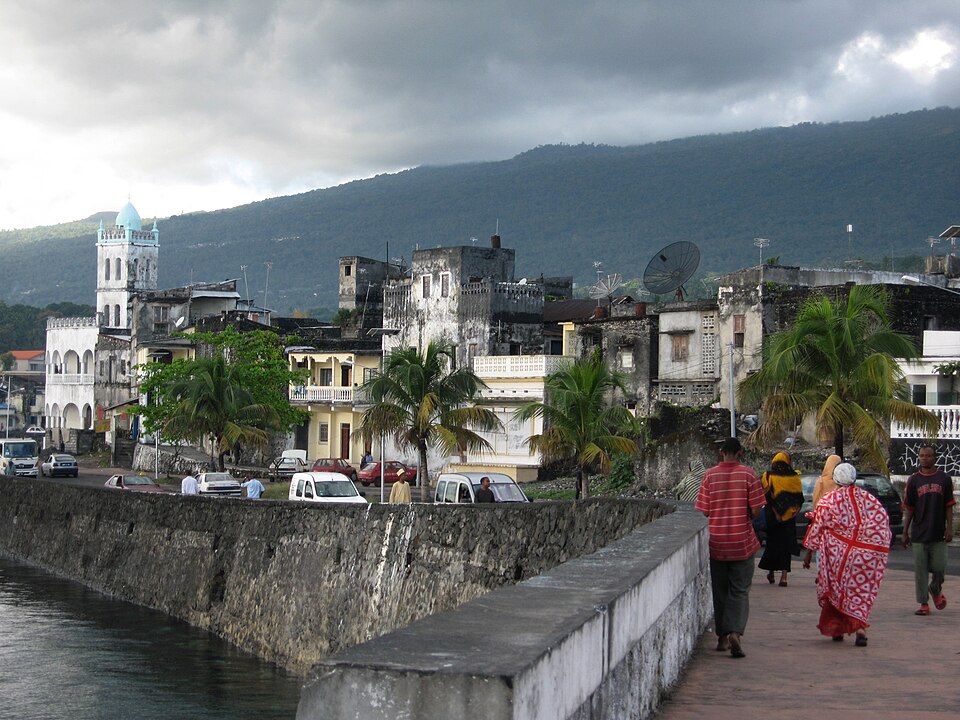
- Moroni harbour. Source- Woodlouse, CC BY-SA 2.0, via Wikimedia Commons
2. Mohéli (Mwali): The Nature Island
If Grande Comore is the political heart, Mohéli is the wild soul. It is the smallest, quietest, and most pristine of the islands.
- The Marine Park: The Parc Marin de Mohéli was the first protected area in the country, and it is a triumph of community-based conservation. The biodiversity here is staggering. You can snorkel with manta rays, reef sharks, and dugongs (if you are incredibly lucky).
- Itsamia: This small village is arguably one of the best places in the world to see Green Turtles. They nest here year-round. On a guided night walk, it is not uncommon to see a dozen massive females hauling themselves onto the sand to lay eggs.
- Livingstone’s Fruit Bats: Mohéli is one of the last strongholds for these giants. With a wingspan of up to 1.4 meters (4.5 feet), they look like small dragons. You can spot them hanging from the tall trees in the rainforest, their orange eyes watching you pass below.
3. Anjouan (Nzwani): The Pearl
Anjouan is the dramatic beauty of the trio. It is steeper, greener, and more rugged than its neighbors. This is the heart of the perfume industry.
- The Scent: As you drive through the mountains, roll down the windows. The air is thick with the smell of ylang-ylang flowers and cloves. Comoros is the world's top producer of ylang-ylang oil (a key ingredient in Chanel No. 5), and Anjouan is where most of it is grown. You can visit distilleries to see the yellow flowers being boiled down into "liquid gold."
- Tatringa Falls: Located near the capital, Mutsamudu, this waterfall cascades down a lush green cliff face. It is a perfect picnic spot, but be prepared for a steep hike back up.
- The Citadel: Mutsamudu is dominated by an 18th-century citadel built to protect the island from Malagasy pirates. The view from the cannon ramparts, looking down over the Medina and the harbor, is the best photo op on the island.
4. The Connectivity Challenge: Why You Need an eSIM
Here is the reality of traveling to a remote archipelago: Infrastructure is fragile.
While Moroni has 4G, coverage drops significantly as you move toward the volcanoes or the remote beaches of Mohéli. Furthermore, the local internet can be unpredictable.
The Roaming Trap If you are coming from Europe or North America, your home carrier likely treats Comoros as "Zone 3" or "Rest of World." This means roaming charges can be astronomical (often $10+ per megabyte).
The Bureaucracy of Local SIMs Buying a local SIM card (from carriers like Telma or Huri) is possible, but it is not a quick process. It requires finding an open shop (which close frequently for prayer times), presenting your passport, and dealing with registration paperwork that can take hours to activate.
The Fix: The eSIM The smartest logistical move you can make is to purchase an eSIM data plan before you fly.
- Navigation: You will need Google Maps to navigate the unmarked roads of Grande Comore or to find your guesthouse in the dark.
- Translation: French and Shikomoro are the main languages. English is rarely spoken outside of specific tourist lodges. Having immediate data to use Google Translate is essential for ordering food or negotiating a taxi fare.
- Safety: In a country where tourism infrastructure is thin, being able to WhatsApp your hotel or guide the moment you land provides a critical safety net.
5. Practical Survival Tips
Money Matters
- Currency: The Comorian Franc (KMF).
- Cash is King: Credit cards are virtually useless outside of one or two luxury hotels in Moroni. You must carry cash.
- The Euro Peg: The KMF is pegged to the Euro (492 KMF = 1 Euro). You can often pay with Euros directly, but you will get change in Francs. Bring plenty of small Euro notes.
Culture & Dress
- Religion: Comoros is a strictly Sunni Muslim nation.
- Dress Code: Modesty is key. Women should cover their shoulders and knees. Men should avoid walking around shirtless, even near the beach, unless you are actually swimming.
- The "Grand Mariage": You might notice men wearing sash-like sashes and caps. These are likely men who have completed the "Grand Mariage" (Great Wedding), a complex and expensive social ritual that grants them status as community elders. It is a fascinating system of social hierarchy unique to these islands.
Getting There
- Flights usually route through Addis Ababa (Ethiopian Airlines), Nairobi (Kenya Airways), or Dar es Salaam. Be prepared for schedule changes; "Island Time" applies to aviation here, too.
Why Go Now?
The Comoros is not an easy destination. It requires patience, cash, and a sense of humor. But as you watch a dhow boat sail past a volcano at sunset, knowing you are the only tourist for miles, you will realize why you came. It is raw, beautiful, and completely unmanufactured.