
Serbia: The Undiscovered Soul of the Balkans
Source: Britannica
Serbia is a land that refuses to be defined by its past alone. In 2026, it has emerged as a vibrant cultural intersection where the rugged spirit of the Balkans meets a sophisticated, high-tech European future. It is a country of deep forests, soaring Orthodox domes, and a brand of hospitality that is as intense as it is genuine.
Whether you are standing at the confluence of the Sava and Danube rivers or navigating the mist-covered peaks of the Dinaric Alps, Serbia offers an authenticity that is becoming rare in modern travel. Here is your factual, grounded guide to the heart of the Balkan Peninsula.
1. Belgrade: The White City of Confluence
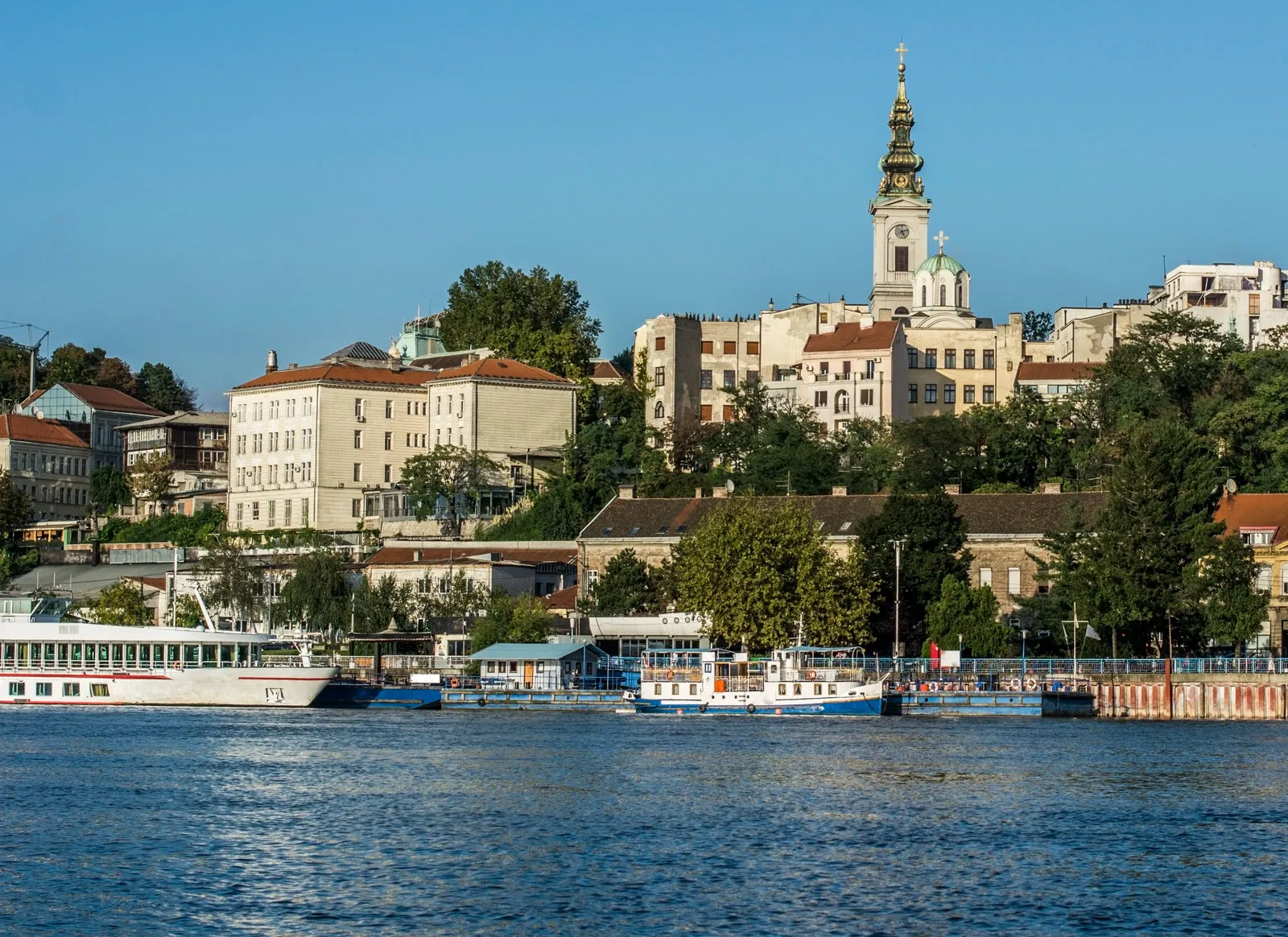
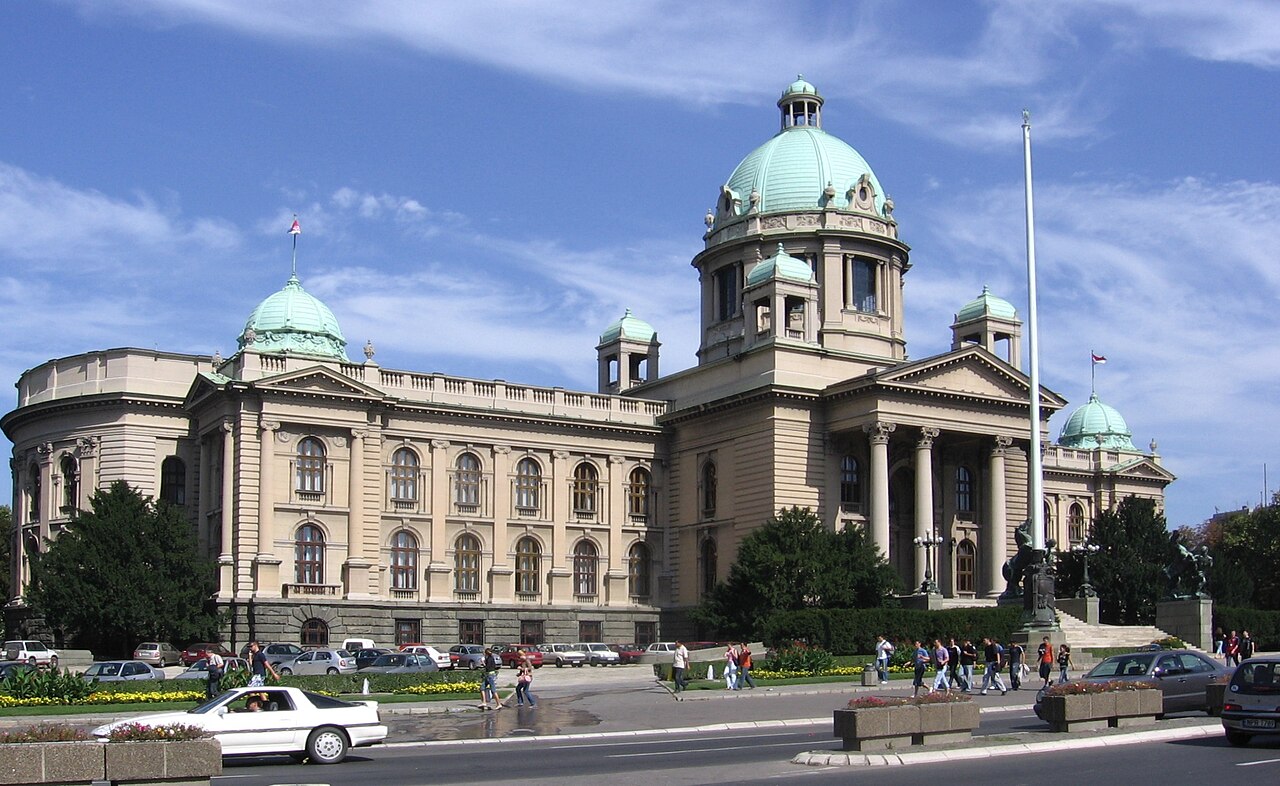
Your journey begins in Belgrade (Beograd), one of the oldest continuously inhabited cities in Europe. Built on the ridge where the Danube and Sava rivers meet, the capital is a city of layers—Roman ruins, Ottoman architecture, and sleek 21st-century glass.
Belgrade Parliament. Source- CC BY-SA 2.5
- Kalemegdan Fortress: This massive fortress is the historic heart of the city. In 2026, it remains a sprawling open-air museum. Walk the ramparts at sunset for a panoramic view of the rivers, and explore the Military Museum to see artifacts spanning two millennia of conflict and resilience.
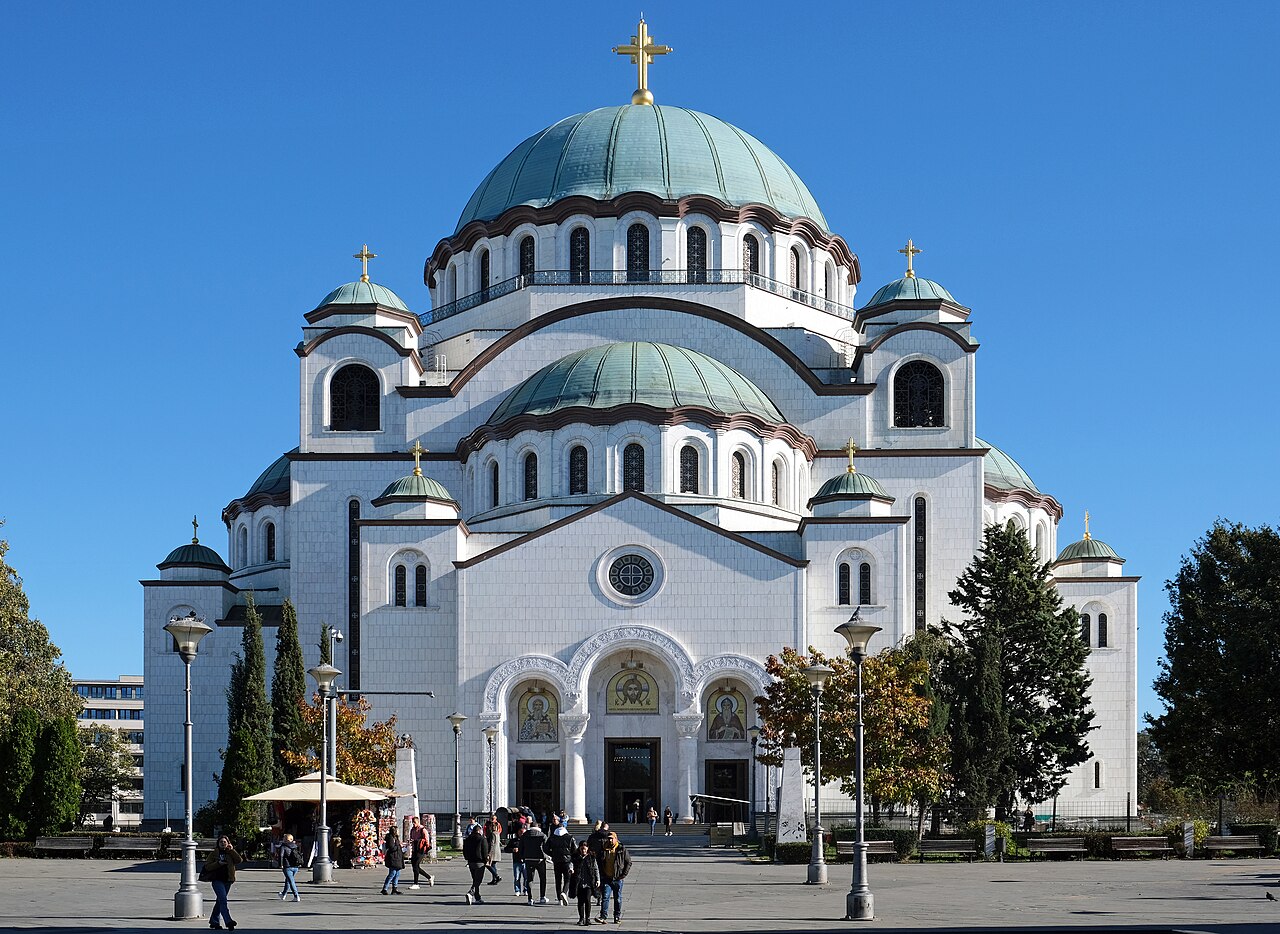
- The Church of Saint Sava: As one of the largest Orthodox churches in the world, its white marble facade and massive gold-leaf domes dominate the skyline. The interior, featuring millions of tiny mosaic tiles, is an architectural marvel that rivals the finest cathedrals in Europe.
- Source- By kallerna - Own work, CC BY-SA 4.0
- Zemun: For a change of pace, cross the river to Zemun. This charming neighborhood was once a separate town within the Austro-Hungarian Empire. Its narrow, cobbled streets and baroque architecture offer a distinct contrast to the more "Balkan" feel of central Belgrade. Climb the Gardoš Tower for the best view of the red-roofed town and the river.
2. Nature’s Masterpieces: Tara and Uvac
Beyond the urban energy, Serbia’s landscape is a masterclass in raw, natural beauty.
- Tara National Park: Located in western Serbia, Tara is a paradise for hikers and nature photographers. It is home to Europe’s largest virgin beech forest and is one of the few places where brown bears and lynx still roam freely. The viewpoint at Banjska Stena offers a breathtaking look down into the turquoise waters of the Drina River canyon.
- Uvac Canyon: In the southern part of the country, the Uvac River carves a series of spectacular, snake-like meanders through the limestone cliffs. This is the primary habitat of the rare Griffon Vulture. Watching these massive birds of prey, with their three-meter wingspans, glide above the emerald-green water is a highlight of any Serbian adventure.
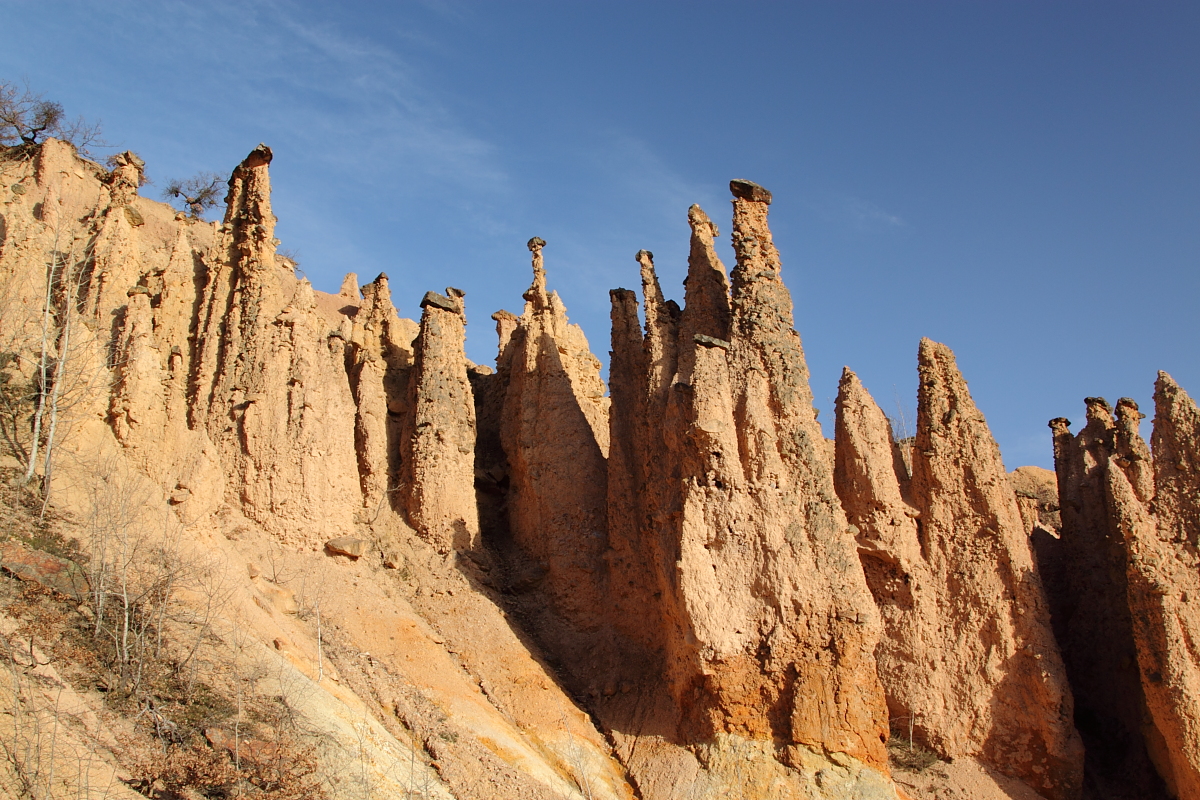
- Davolja Varoš (Devil’s Town): Located in southern Serbia near Kuršumlija, this surreal geological site features 202 exotic earth pyramids crowned with stone "caps." It is a site of many local legends and offers some of the most unique photography opportunities in the Balkans.
- Source- By Dimo Dimov- the Devil's Town, CC BY-SA 2.0
3. The Digital Lifeline: Why an eSIM is Essential
While Serbia’s history is ancient, its infrastructure in 2026 is highly digitized. Navigating the country—especially the mountain regions and the winding streets of Novi Sad—requires a reliable, real-time connection.
The Logistics Challenge
- Ride-Hailing & Navigation: In Belgrade, using ride-hailing apps like Yandex Go or Pink Taxi is the safest and most efficient way to travel. These apps require a stable, local data connection.
- Mountain Safety: If you are trekking in Tara or Kopaonik, having live GPS and access to mountain rescue contacts is a safety necessity. Weather in the mountains can shift in minutes, and real-time alerts are vital.
- Roaming & Registration: Serbia is not part of the EU's "Roam Like at Home" zone. Using your home SIM can lead to exorbitant roaming fees. Furthermore, buying a physical local SIM in a shop often requires passport registration and biometric data, which can take hours.
The Solution: The eSIM The smartest move for 2026 is to provision a Serbia-compatible eSIM before you arrive.
The Benefit: An eSIM connects you to the local networks the moment your plane touches down at Nikola Tesla Airport. It ensures your maps are live, your translation tools are ready, and your secure banking apps are active immediately, allowing you to bypass the airport’s physical SIM queues and move with total digital confidence.
4. A Taste of Tradition
Serbian cuisine is a hearty, soulful fusion of Central European and Mediterranean influences.
- Ćevapi (The Southern Style): While found throughout the Balkans, the version from Novi Pazar in southern Serbia is traditionally made with 100% beef. These small, grilled meat rolls are served with fresh lepinja (flatbread), chopped onions, and a side of Ajvar (a rich, savory roasted red pepper spread).
- Burek: The ultimate Serbian breakfast. It consists of layers of thin, flaky pastry filled with savory minced beef, cheese, or spinach. Pair it with a cup of cold yogurt for the authentic local experience.
- Sarma (Beef Version): This is a staple of Serbian winter comfort. Minced beef and rice are seasoned with smoked paprika and rolled into pickled cabbage leaves, then slow-cooked for hours.
- Zlatibor Cheese and Kajmak: The mountains of Zlatibor produce some of the finest dairy in the region. Kajmak is a creamy, savory dairy spread that is somewhere between clotted cream and butter. It is served with almost every meal and is a must-try.
- Kafana Culture: Instead of modern cafes, look for a traditional Kafana. These are the social hubs of Serbian life. Order a "Domaca Kafa" (Turkish-style coffee) and enjoy the live traditional string music that often plays into the afternoon.
5. Essential Tips for 2026
- Currency: The official currency is the Serbian Dinar (RSD). While cards are accepted in major cities, you will need physical cash for mountain lodges, small markets, and taxis outside of Belgrade.
- Safety: Serbia is generally very safe for travelers. Exercise normal precautions against pickpockets in crowded areas like the Knez Mihailova shopping street.
- Dress Code: When visiting Orthodox monasteries (like the beautiful Studenica or Žiča), ensure your shoulders and knees are covered. Women may be asked to cover their hair in some of the more traditional rural sites.
- Transport: The high-speed "Soko" train connects Belgrade to Novi Sad in just 36 minutes. For other regions, the extensive bus network is the most reliable way to travel.
Why Go Now?
Serbia in 2026 is a destination that rewards the curious. It is a place that hasn't been "over-polished" for tourists, allowing you to experience the true rhythm of Balkan life. By securing your digital connection with an eSIM and arriving with an open heart, you are ready to witness the spectacular sunrise over the Danube for yourself.