
Saudi Arabia: The Kingdom of Future and Heritage
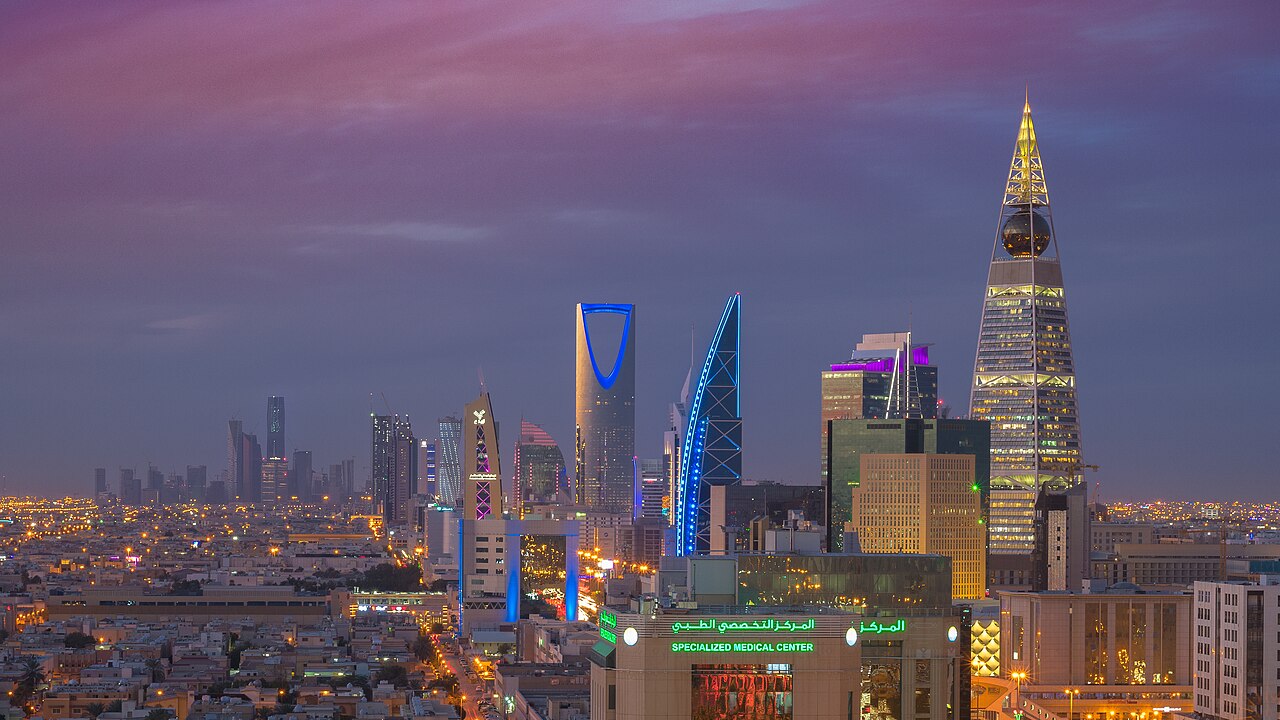
In 2026, Saudi Arabia is no longer a "hidden" destination—it is a global center of gravity for travelers seeking the intersection of 3,000-year-old history and 22nd-century vision. From the red-rock canyons of AlUla to the high-tech skyline of Riyadh, the Kingdom offers a sensory experience unlike any other.
Whether you are here for the first-ever Michelin Guide Saudi debut or to witness the rise of the Red Sea’s eco-resorts, this is a land defined by "Hafawah"—the legendary Saudi hospitality. Here is your factual, grounded guide to the Kingdom in 2026.
1. The Urban Pulse: Riyadh and Jeddah
Your journey will likely begin in one of the Kingdom's two great hubs.
- Riyadh (The Capital): In 2026, the energy of Riyadh is electric. This is the home of Riyadh Season, a months-long festival of immersive entertainment and global sports. Visit Diriyah, the historic birthplace of the Saudi state, where mud-brick palaces have been transformed into a luxury cultural district. For a modern perspective, the King Abdullah Financial District (KAFD) offers world-class architecture and the latest in high-end dining.
- Jeddah (The Gateway): Known as the "Bride of the Red Sea," Jeddah is where tradition meets the water. Explore Al-Balad, the UNESCO-listed historic district with its iconic wooden "Rawashin" balconies. Afterward, stroll the Jeddah Corniche, a vibrant waterfront featuring open-air art and the world’s tallest fountain.
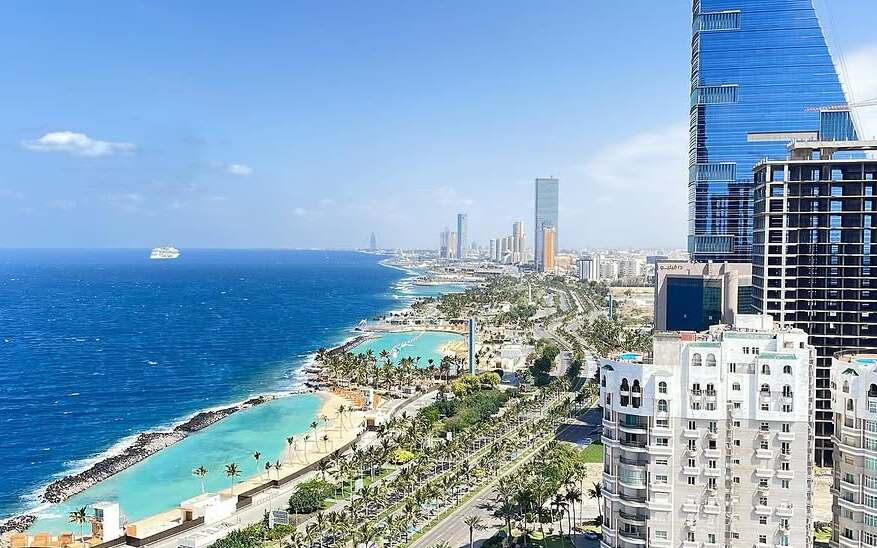
- Jeddah Waterfront. Source- By Ali Lajami, CC BY 2.0
2. The Ancient Mystery: AlUla
If Riyadh is the pulse, AlUla is the soul. As one of the world's most significant heritage sites, AlUla is home to Hegra, the southern capital of the Nabataean Kingdom. In 2026, the experience is more immersive than ever.
- Hegra: Wander among over 100 monumental tombs carved directly into sandstone outcrops. The craftsmanship is so precise it rivals Petra, yet it remains far less crowded.
- Stargazing: As a certified International Dark Sky destination, the night skies in AlUla’s Gharameel desert are among the clearest on Earth. In 2026, guided astronomical tours using the latest high-tech telescopes are a staple of the Ancient Kingdoms Festival.
3. The Digital Compass: Why You Need an eSIM
Saudi Arabia is a vast country—distances between major sites like Riyadh and AlUla are measured in hundreds of miles. To navigate this landscape safely and efficiently in 2026, a reliable digital connection is your most important tool.
The Logistics Challenge
- Real-Time Navigation: While the highway system is excellent, finding the correct exit for a desert resort or a remote rock art site in Hail requires live GPS.
- Digital Coordination: In 2026, almost every part of the traveler journey—from showing your eVisa QR code to booking a time slot for the Mirror Building (Maraya)—is handled through mobile apps.
- Safe Transport: Within the cities, using ride-hailing services like Careem or Uber is the standard for safe and transparent transit. These apps require a stable, local data connection.
The Solution: The eSIM To avoid the high costs of international roaming or the hassle of finding a physical SIM kiosk after a long flight, provision a Saudi Arabia-compatible eSIM before you fly.
- The Benefit: An eSIM connects you to local 5G networks the moment you land. It ensures your maps are live, your translation tools are ready, and your health and travel apps are functional immediately. This digital lifeline is essential for maintaining safety and coordination while exploring the vast Arabian desert.
4. The Future of Travel: NEOM and the Red Sea
In 2026, the world’s most ambitious sustainability projects are becoming a reality.
- Red Sea Global: This is "regenerative tourism" in action. On Shura Island, you will find resorts designed to protect and enhance the surrounding coral reefs. It is a paradise for snorkeling and diving, where luxury and environmental protection are one and the same.
- NEOM: Explore Trojena, the mountain destination of NEOM, which offers unique alpine experiences in the heart of the desert. These giga-projects represent the "Tourism of Tomorrow," where cutting-edge technology minimizes the human footprint on the natural world.
5. A Taste of Saudi
Saudi cuisine is a celebration of flavor, spice, and community. Because the country follows strict Halal standards, all food is pork-free and prepared with the highest quality ingredients.
- Kabsa: The national dish. It features long-grain rice cooked with a blend of spices (cardamom, saffron, cinnamon, and black lime) and served with tender, slow-cooked lamb or chicken. It is often topped with toasted nuts and raisins.
- Mandi: Similar to Kabsa but with a distinct smoky flavor, as the meat is cooked in a traditional clay oven (tannour) underground.
- Saleeg: A creamy, risotto-like rice dish from the Hijaz region, cooked with milk and broth and served with roasted chicken.
- The Coffee Ritual: Hospitality always begins with Saudi Coffee (Gahwa). It is light, spiced with cardamom and saffron, and always served with fresh, high-grade dates. If you are full, gently shake your tiny cup from side to side—that is the signal to your host that you have had enough!
6. Cultural Etiquette: Respecting the Compass
As Saudi Arabia opens its doors, understanding local traditions is the best way to connect with the people.
- Modesty: While dress codes have become more flexible, modesty remains the gold standard. Both men and women should ensure their shoulders and knees are covered in public spaces. Women are not required to wear an abaya, but loose-fitting, respectful clothing is highly appreciated.
- Prayer Times: Life follows the rhythm of the five daily prayers. You may notice some shops and cafes pause briefly for 15–20 minutes. Take this as a moment to slow down and enjoy the atmosphere.
- The Right Hand: In Saudi culture, the right hand is used for eating, drinking, and passing objects. Using your right hand is a sign of respect for local customs.
Why Visit Now?
Saudi Arabia in 2026 is at a unique historical junction. It is a country that is moving faster than almost any other on Earth, yet it remains deeply anchored in its traditions. By securing your digital connection with an eSIM and traveling with a spirit of respectful curiosity, you can witness the spectacular transformation of the Kingdom for yourself.