
Samoa: The Sacred Heart of Polynesia
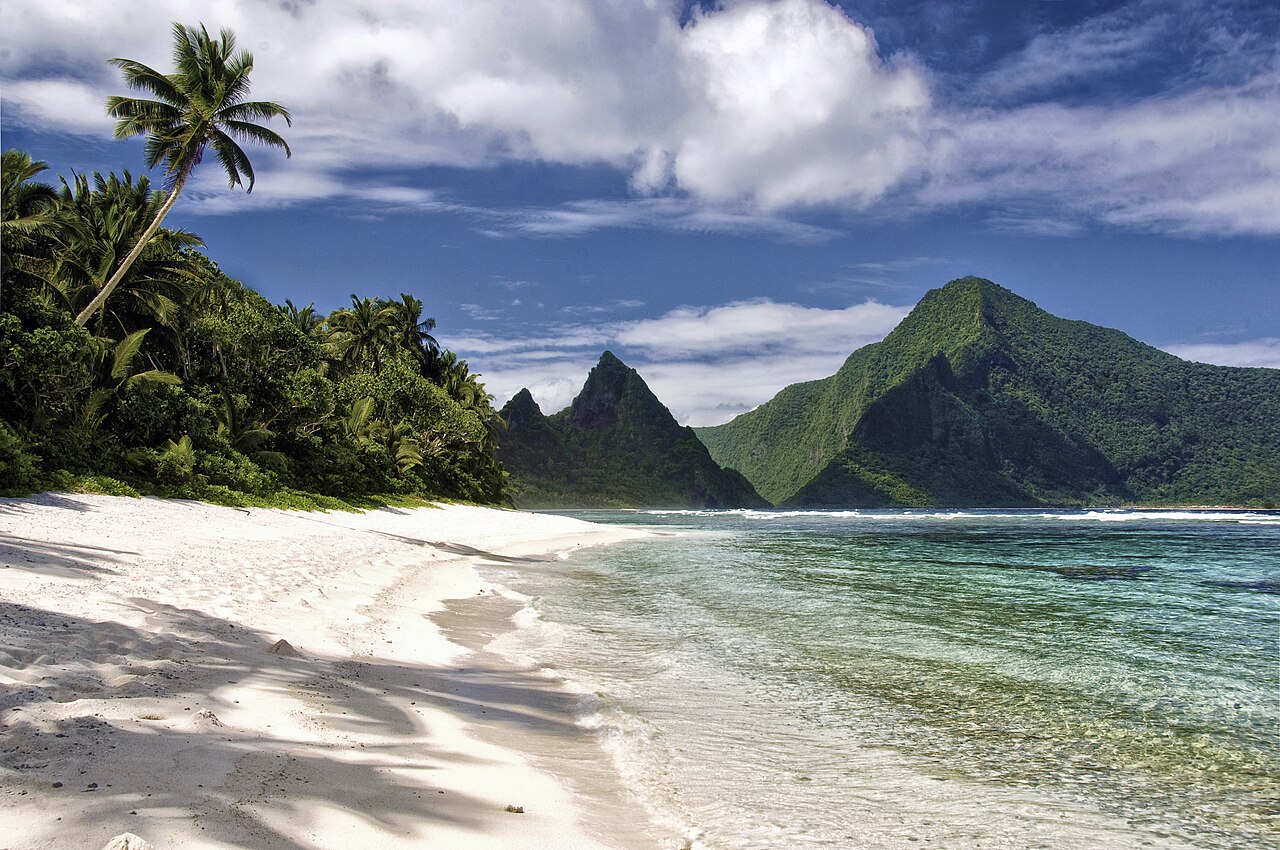
Samoa is a destination that feels less like a vacation and more like a return to the essentials of life. Located in the heart of the South Pacific, this archipelago—composed of the two main islands, Upolu and Savai'i—is governed by "Fa'a Samoa," or the Samoan Way. It is a traditional code of conduct that has preserved the islands' culture and environment for over 3,000 years, ensuring that Samoa remains one of the most authentic experiences in the Pacific.
In 2026, Samoa continues to offer a rhythm that the rest of the world has largely forgotten. Here is your factual guide to navigating this tropical sanctuary with respect and ease.
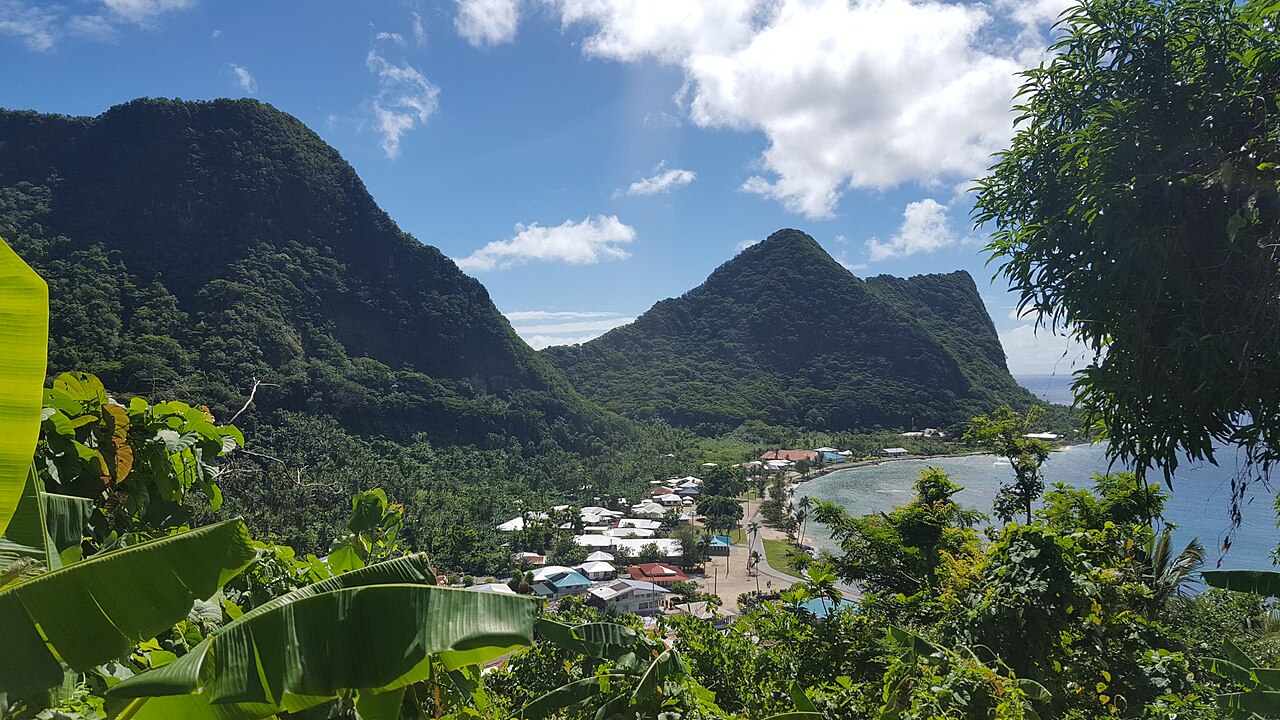
View of Vatia from the National Park of American Samoa. Source- By Eddy23 - Own work, CC BY-SA 4.0
1. The Icons: To Sua and Lalomanu
Samoa’s beauty is often found in its dramatic geological contrasts, from turquoise lagoons to lush, deep-jungle chasms.
- To Sua Ocean Trench: Located on the south coast of Upolu, this is perhaps one of the most unique swimming holes in the world. A 30-meter wooden ladder leads you down into a massive limestone sinkhole filled with crystal-clear seawater. It is surrounded by lush gardens and connected to the ocean via an underwater tunnel.
- Lalomanu Beach: Consistently ranked as one of the best beaches in the world, Lalomanu offers a postcard-perfect stretch of white sand and coral reefs. In 2026, the local "beach fales" (traditional open-air huts) remain the most authentic way to stay, allowing you to wake up to the sound of the Pacific just steps from your mat.
- Piula Cave Pool: This freshwater pool beneath a historic Methodist church provides a cool, clear respite from the tropical heat. You can swim deep into the cave system, where the water is surprisingly refreshing and still.
2. The Digital Compass: Why You Need an eSIM
While Samoa is the place to "unplug" from stress, navigating its islands in 2026 requires a reliable digital toolkit. Because the islands are spread out and many of the best sites are tucked away in small villages, staying connected is a matter of both convenience and safety.
The Logistics Challenge
- Ferry Coordination: Moving between the main islands of Upolu and Savai'i requires taking the ferry from Mulifanua Wharf. In 2026, booking your car or passenger spot online is highly recommended, especially on weekends. Having live data ensures you can manage these bookings and check for weather-related delays in real-time.
- Village Navigation: Many of Samoa's natural wonders—like the Afu A'au Waterfall—are located on customary village land. GPS is essential for finding these often under-marked turn-offs. Furthermore, having a connection allows you to quickly research specific village protocols before you arrive.
The Solution: The eSIM To avoid the high costs of roaming or the hassle of finding a physical SIM card shop in Apia, provision a Samoa-compatible eSIM before you land. An eSIM connects you to local 4G or 5G networks the moment your plane touches down at Faleolo International Airport. It keeps your maps live, your translation tools ready, and your safety alerts active, allowing you to navigate "island time" with total digital confidence.
3. Savai'i: The Wild Frontier
A trip to Samoa is incomplete without taking the ferry to Savai'i, the larger but less populated "Big Island."
- Alofa’aga Blowholes: Here, the power of the ocean is on full display as waves are forced through ancient lava tubes, erupting into the air like massive geysers.
- Saleaula Lava Fields: This eerie but beautiful landscape was created by the 1905 eruption of Mt. Matavanu. You can walk across the solidified lava flows and see the ruins of a church where the lava flowed through the doors but left the roof intact—a site of deep local significance.
- Falealupo Canopy Walk: For those without a fear of heights, this suspension bridge between two giant banyan trees offers a spectacular view of the rainforest and the western coastline.
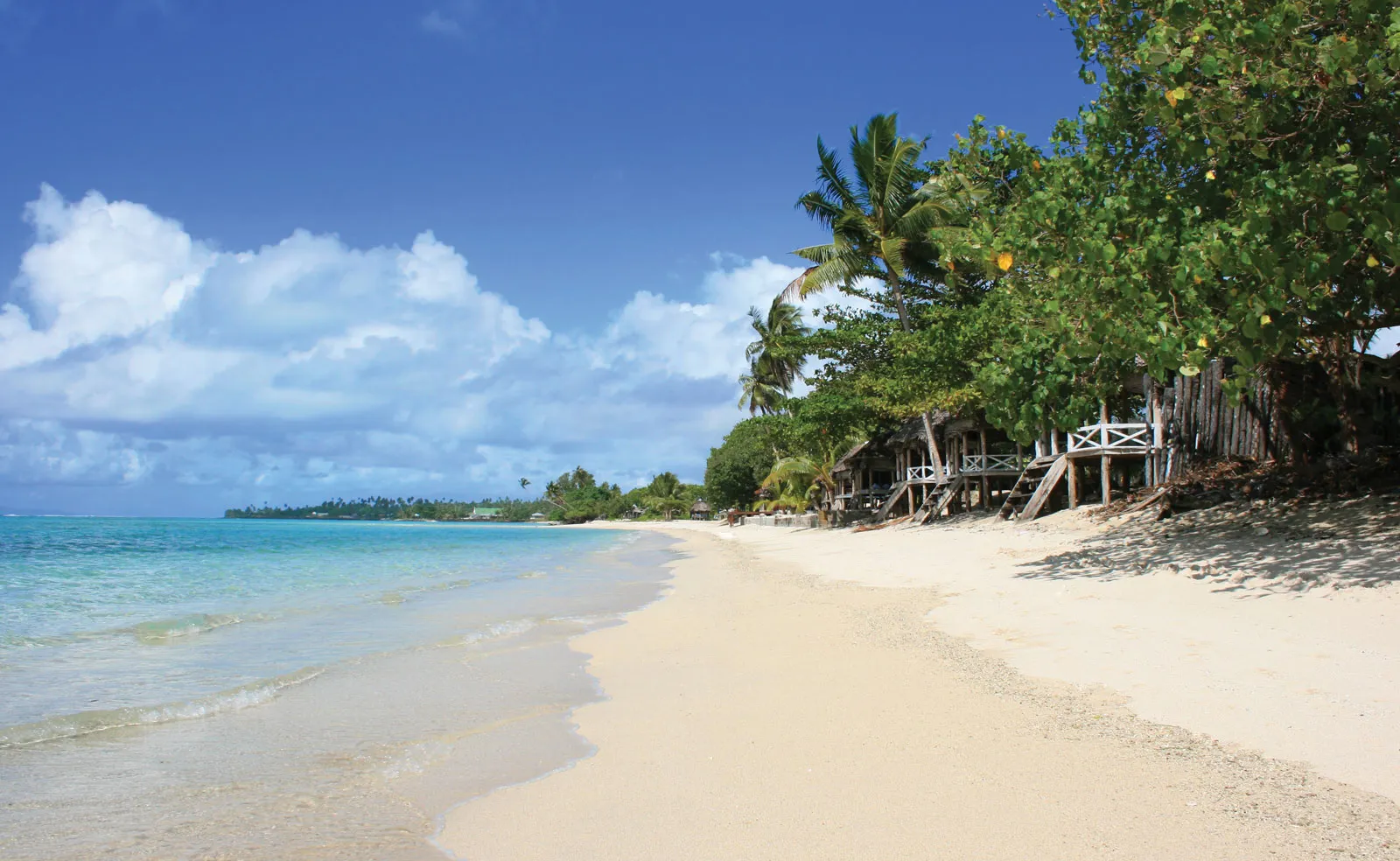
- Lano beach, Savai'i, Samoa. Source- Britannica.
4. A Taste of Samoa
Samoan cuisine is centered on the "Umu"—an above-ground stone oven. The flavors are mild, fresh, and rely heavily on coconut cream and root vegetables.
- Oka i’a: This is the quintessential Samoan dish. Fresh raw fish (usually tuna) is marinated in lime juice and then mixed with rich coconut cream, onions, and cucumbers. It is served chilled and is incredibly refreshing.
- Palusami: Young taro leaves are filled with coconut cream and onions, wrapped into a parcel, and baked in the Umu until the cream becomes a savory, custard-like consistency. It is the ultimate comfort food.
- Sapasui: The Samoan version of chop suey. It features vermicelli noodles stir-fried with soy sauce, ginger, garlic, and typically chicken or beef. It is a staple at every family gathering.
- Koko Samoa: Forget processed chocolate—this is pure, roasted cocoa beans ground and mixed with hot water. It is a rich, earthy drink that is usually served for breakfast or during village meetings.
- Panipopo: For dessert, try these sweet, fluffy buns baked in a sticky coconut cream sauce.
5. Cultural Etiquette: Respecting the Way
Respecting "Fa'a Samoa" is the most important part of your visit.
- Sunday Protocol: Sunday is a day of rest and worship. Most businesses close, and the pace slows to a crawl. Attending a church service—regardless of your faith—is a beautiful experience, as the choral singing is world-class.
- Dress Modestly: When walking through villages or in public areas, ensure your shoulders and knees are covered. A traditional lavalava (sarong) is a practical and respectful choice for both men and women.
- Evening Prayer (Sa): Many villages observe a quiet time for prayer (usually around dusk). If you are in a village and see the bells ring or hear a shell horn, stop walking and wait quietly for about 15 minutes until the Sa is finished.
6. Essential 2026 Logistics
- Entry Requirements: In 2026, most nationalities receive a 90-day visitor permit on arrival. Your passport must be valid for at least six months.
- Currency: The official currency is the Samoan Tala (WST). While some hotels take cards, cash is essential for village fees (small fees paid to enter natural sites) and local markets.
- Weather: The dry season (May to October) is the best time to visit. If traveling during the wet season (November to April), keep your eSIM active for real-time tropical cyclone alerts.
Why Go Now?
Samoa in 2026 is a destination for those who want to see the world as it was—beautiful, communal, and deeply connected to the land. By preparing your logistics early and securing your digital connection with an eSIM, you can step into the Pacific with the confidence to explore every hidden waterfall and coral reef.