
Rwanda: Mist-Covered Mountains and Wildlife Safaris
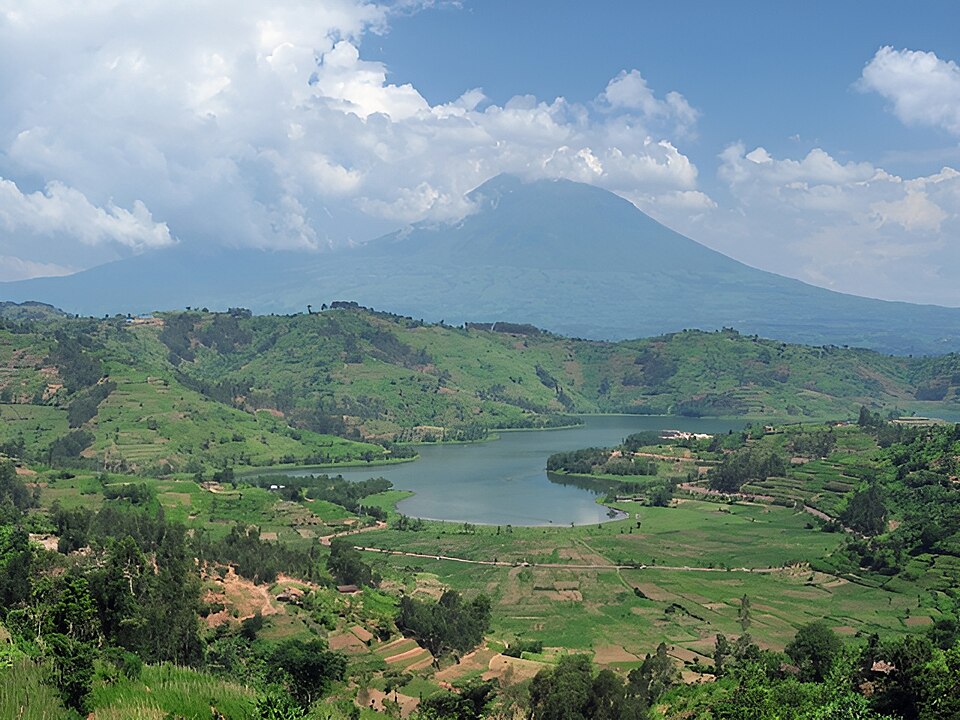
Source: By Amakuru, CC BY-SA 2.0
Rwanda is a country that has redefined itself through resilience and a deep-seated commitment to the earth. Known as the "Land of a Thousand Hills" (Le Pays des Mille Collines), this small, landlocked nation in East Africa has become one of the most compelling travel stories of 2026. It is a place where volcanic peaks pierce the clouds, emerald rainforests teem with primates, and a clean, green mindset is woven into the very fabric of society.
Whether you are looking for a spiritual encounter with mountain gorillas or a quiet safari on the savanna, Rwanda offers an intimacy with nature that is rare in our modern world. Here is your factual, grounded guide to exploring Rwanda in 2026.
1. The Wild Icons: Gorillas and the Big Five
Rwanda’s national parks are the crown jewels of its tourism industry, offering two distinctly different, world-class experiences.
- Volcanoes National Park: This is the ancestral home of the mountain gorilla. In 2026, conservation efforts have made the park a global model for sustainable tourism. Trekking through the mist-shrouded bamboo forests of the Virunga Mountains to spend an hour with a gorilla family remains a "bucket-list" experience. For a lighter trek, the park also offers sightings of the rare, playful Golden Monkeys.
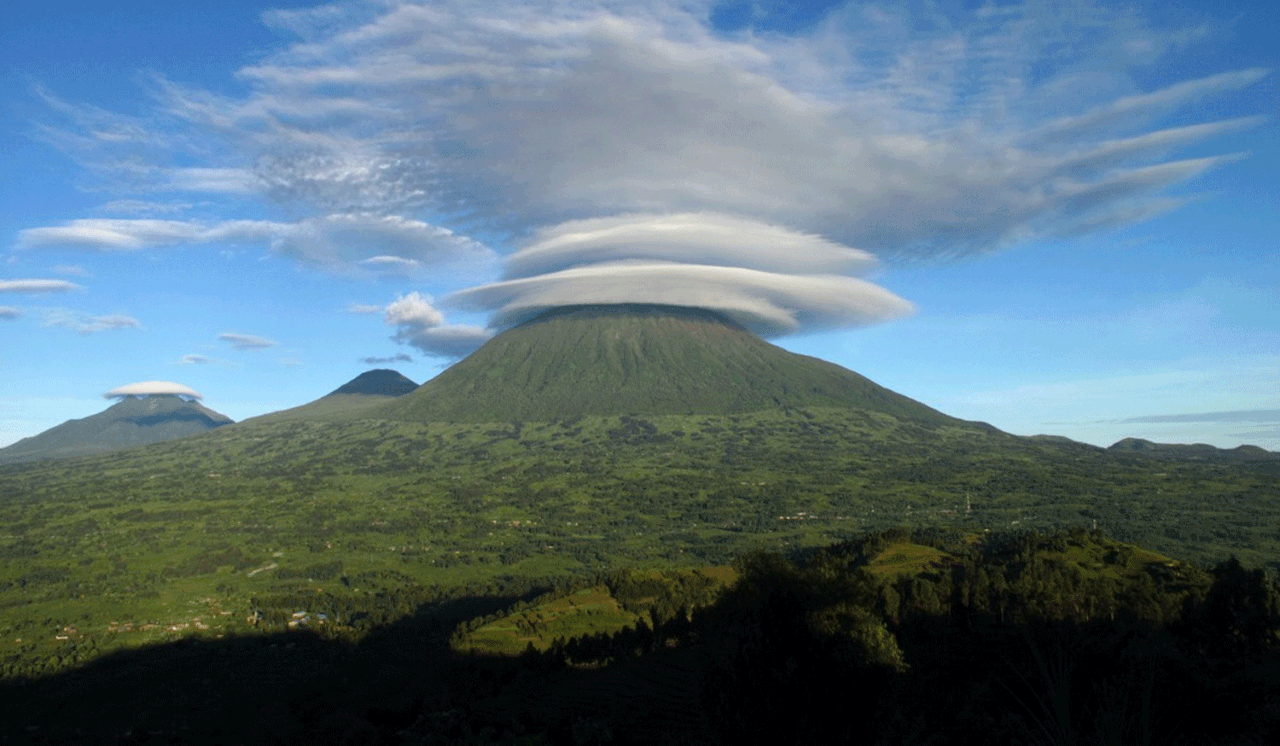
- Source- By Volcanoes National Park - Own work, CC BY-SA 4.0
- Akagera National Park: Named by National Geographic as one of the "Best of the World" destinations for 2026, Akagera is Rwanda’s response to the traditional African safari. It is a stunning landscape of swamps, lakes, and savannah. Following years of successful reintroductions, Akagera is now a Big Five destination (lion, leopard, elephant, buffalo, and rhino).
- Nyungwe Forest: One of the oldest rainforests in Africa, Nyungwe is a haven for biodiversity. It features an exhilarating Canopy Walkway suspended 60 meters above the forest floor and is one of the best places in the region for chimpanzee trekking.
2. The Digital Compass: Why You Need an eSIM
While the goal of visiting Rwanda is often to disconnect, the reality of navigating the "Land of a Thousand Hills" in 2026 requires a stable digital connection. Rwanda is a highly digitized society, where many government and tourism services are handled through the Irembo online platform.
The Logistics Challenge
- Digital Visas & Permits: Most travelers obtain their 30-day tourist visa on arrival or via the Irembo portal. Having a data connection the moment you land at Kigali International Airport ensures you can access your digital confirmations and QR codes for park permits without hunting for public Wi-Fi.
- Navigating the Hills: Outside of Kigali, the roads wind through steep, spectacular terrain. Whether you are self-driving or coordinating with a driver, real-time GPS is essential for safety and timing, especially during the rainy seasons (February to May).
The Solution: The eSIM To avoid the paperwork of local SIM registration and the "bill shock" of international roaming, purchase a Rwanda-compatible eSIM before you fly.
- The Benefit: An eSIM connects you to local 4G/5G networks the second you land. It allows you to immediately access your maps, secure communication tools, and banking apps, ensuring a smooth transition from the airport to the rainforest.
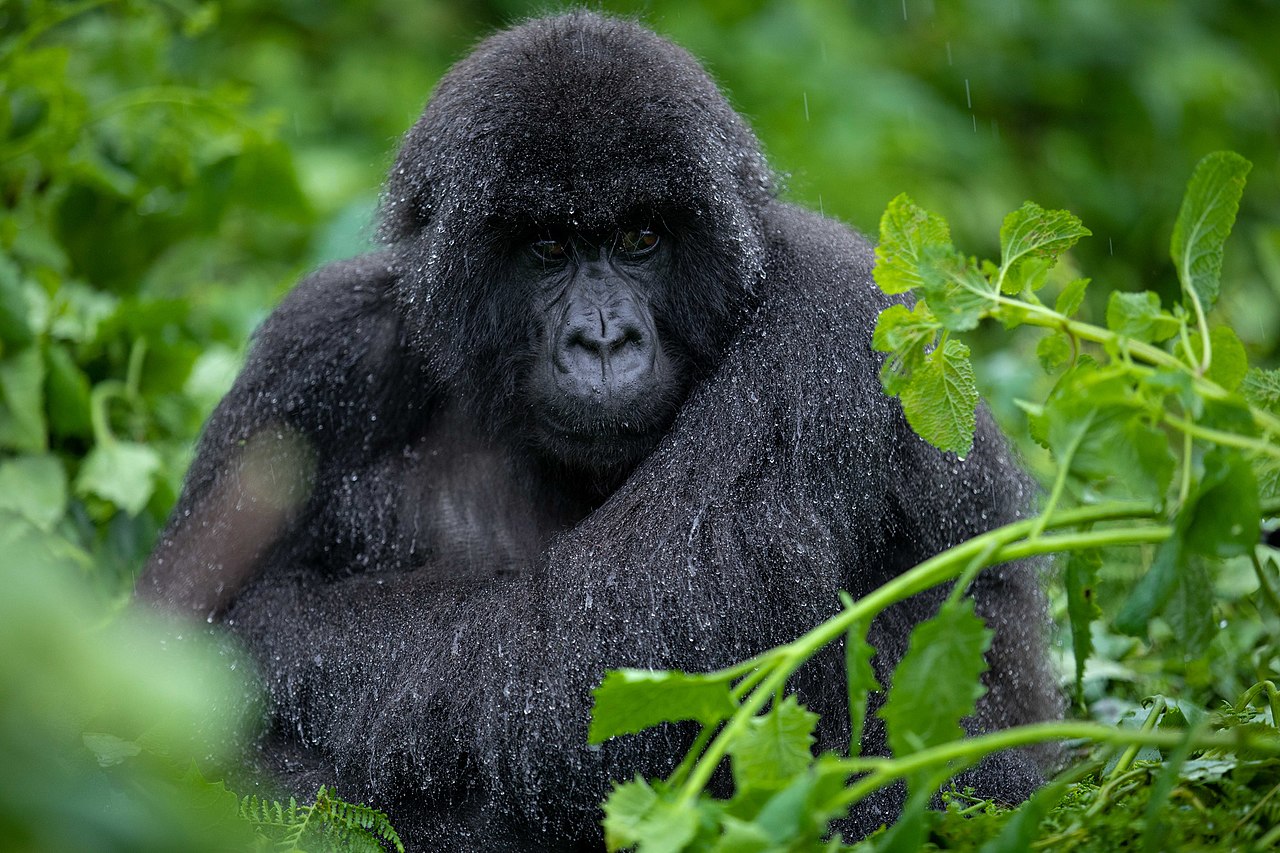
Source- By Emmanuelkwizera - Own work, CC BY-SA 4.0
3. A Taste of Rwanda
Rwandan cuisine is a reflection of its agricultural heart. It is simple, wholesome, and relies heavily on fresh produce from the hills.
- Isombe: A national favorite made from pounded cassava leaves, slowly cooked with garlic, onions, and often enriched with ground peanuts. It is earthy, savory, and traditionally served with rice or Ubugali.
- Brochettes: These are the most popular social food in Rwanda. Skewers of marinated goat, beef, or tilapia are grilled over charcoal and served with Ibitoke (grilled plantains) or Ibirayi (traditional Rwandan potatoes).
- Isambaza: If you visit Lake Kivu on the western border, you must try Isambaza. These are tiny, sardine-like fish that are often fried to a crispy golden brown and served as a savory snack or as part of a rich tomato-based stew.
- The Fruit: Rwanda’s avocados are legendary—creamy, massive, and found in almost every market. Pair them with fresh passion fruit or tree tomatoes (Ikigabiro) for a true taste of the tropics.
4. Essential Travel Logistics for 2026
- Safety First: Rwanda is consistently ranked as one of the safest countries in Africa. However, standard travel precautions apply. Standard travel advisories for 2026 suggest exercising a high degree of caution near the borders with the Democratic Republic of Congo (DRC) and Burundi; stick to the established tourist corridors.
- Plastic Bag Ban: Rwanda is famously clean. It has had a strict ban on non-biodegradable plastic bags since 2008. Expect your luggage to be checked at the airport—any plastic bags will be confiscated, and you may be fined.
- Visas: Citizens of all countries can get a 30-day visa upon arrival at any entry point. Some nationalities may need to pay a fee (approximately $50), so check the latest requirements for your specific passport.
- Health: A Yellow Fever vaccination certificate is required if you are traveling from a country with a risk of transmission. Malaria is present, so consult your doctor about prophylactics before your trip.
Why Go Now?
Rwanda in 2026 is a destination that proves conservation and progress can go hand-in-hand. It is a country that respects its past while leaning into a green, high-tech future. By securing your digital connection with an eSIM and respecting the local "plastic-free" culture, you can witness the spectacular rebirth of a nation that truly feels like the heart of Africa.