
Reunion Island: The Intense Heart of the Indian Ocean
Source: Reunion Island
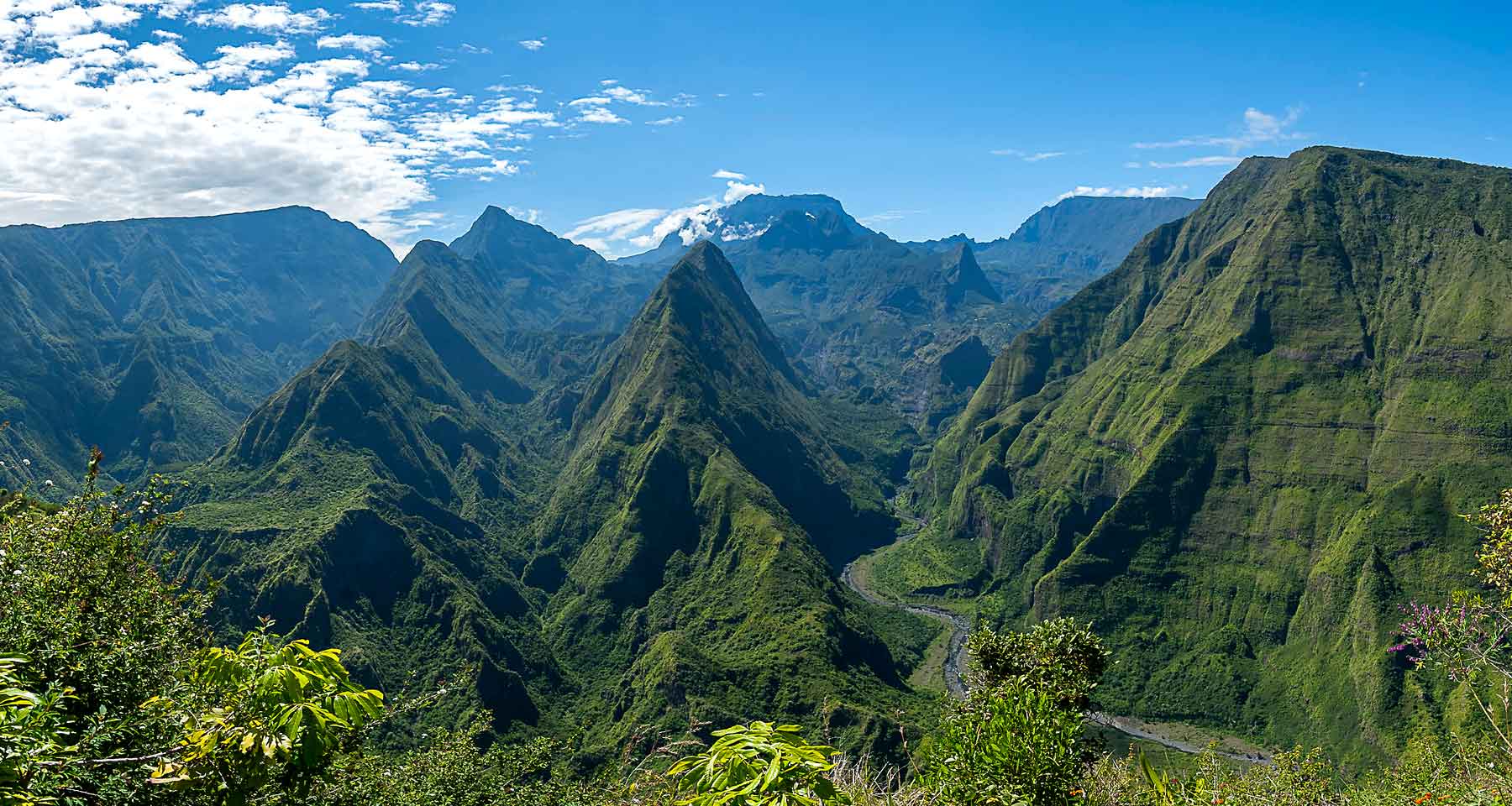
Reunion Island (Île de la Réunion) is a destination that doesn't just offer a vacation; it offers an awakening. Located in the Indian Ocean between Madagascar and Mauritius, this French overseas department is often nicknamed "L'Île Intense." It is a land where the geography is so dramatic it feels prehistoric, and the culture is a vibrant, rhythmic blend of French, African, Indian, and Chinese heritages.
In 2026, Reunion remains one of the world’s premier destinations for ecotourism and high-adventure trekking. Here is your factual guide to navigating this spectacular island.
1. The Three Cirques: Nature’s Amphitheatres
The interior of Reunion is dominated by three massive "cirques"—immense natural basins created by volcanic activity and millennia of erosion. These UNESCO World Heritage sites are the soul of the island.
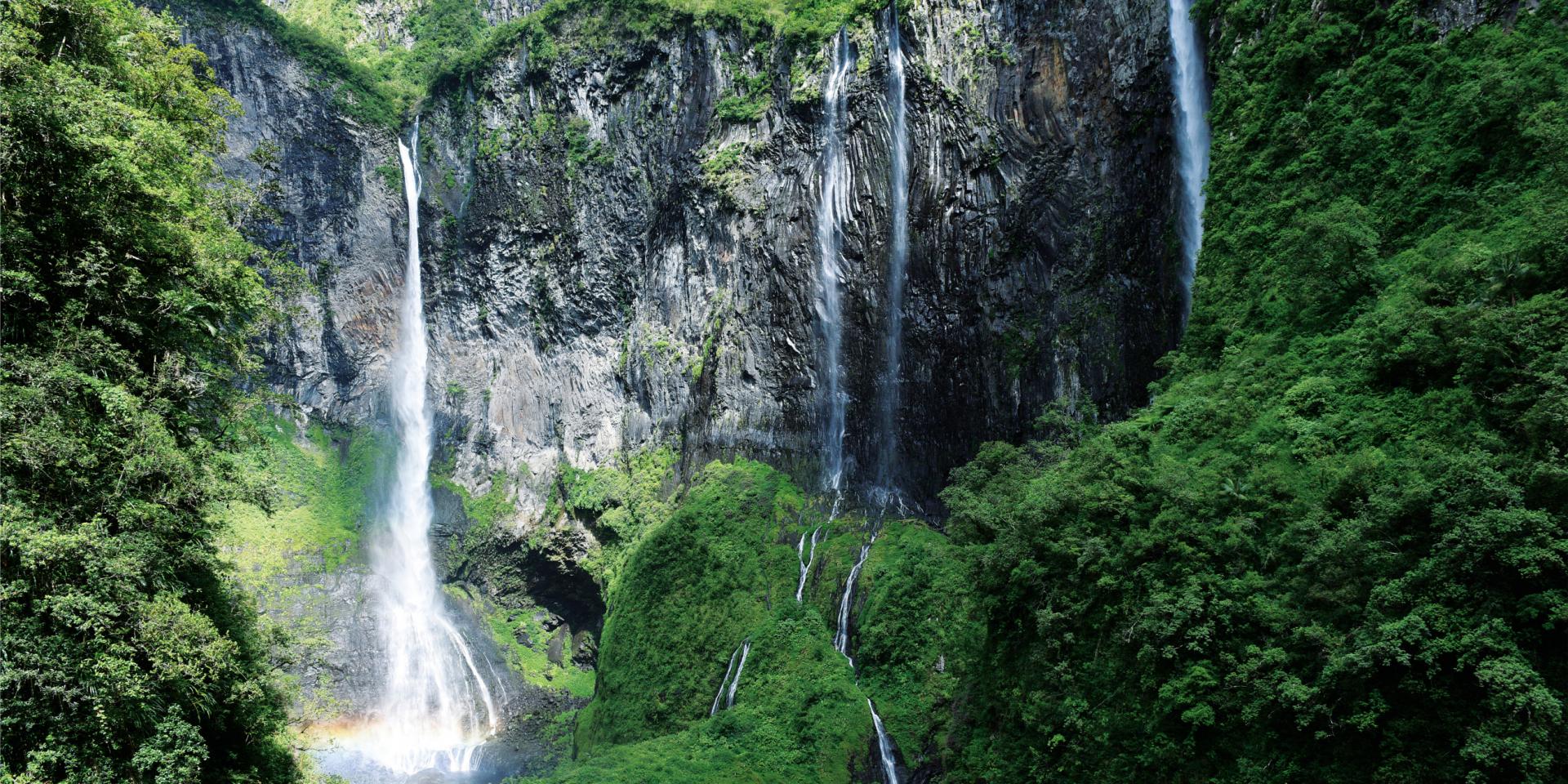
- Cirque de Salazie: Known as the "greenest" of the three, Salazie is a paradise of waterfalls. The most famous is the Voile de la Mariée (Bride’s Veil), where dozens of thin ribbons of water cascade down a lush mountain face. It is also home to the charming village of Hell-Bourg, officially one of the most beautiful villages in France.
- Source- Reunion
- Cirque de Cilaos: Reached by the "Road of 400 Bends," Cilaos is famous for its thermal springs, traditional embroidery, and mountain lentils. It is the gateway to the Piton des Neiges, the highest peak in the Indian Ocean at 3,071 meters.
- Cirque de Mafate: This is the most remote of the three. There are no roads into Mafate; it is accessible only by foot or by helicopter. For hikers, it offers a total disconnect from the modern world, with small "islets" (hamlets) where solar power and quietude reign.
2. Piton de la Fournaise: A Martian Landscape
On the southeastern side of the island lies one of the world’s most active volcanoes: Piton de la Fournaise.
- The Plaine des Sables: Driving toward the volcano feels like leaving Earth. The landscape shifts into a stark, rust-colored desert of volcanic ash and twisted rock that looks exactly like the surface of Mars.
- The Crater Hike: Visitors can hike into the Enclos Fouqué, the massive caldera surrounding the main crater. As of February 2026, local authorities maintain strict monitoring of volcanic activity; always check with the Piton de la Fournaise Observatory before setting out. Standing on the rim of the Dolomieu crater, looking into the steaming heart of the earth, is an experience that defies description.
3. The Connectivity Reality: Why You Need an eSIM
While the goal of visiting Reunion is often to immerse yourself in nature, the island’s rugged terrain makes digital connectivity a safety priority.
The Navigation & Safety Challenge
- Mountain Logistics: Trails in the cirques are well-marked but can be physically demanding. Weather changes rapidly, and having live access to Météo-France updates and GPS is crucial for safe trekking.
- Safe Transport: While the "Car Jaune" (Yellow Bus) network is reliable and cost-effective, many of the best trailheads are remote. Ride-hailing and digital maps are essential for coordinating drop-offs and pick-ups.
The Solution: The eSIM In 2026, the most efficient way to stay connected is to provision a Reunion-compatible eSIM before you fly.
- The Benefit: An eSIM connects you to local 4G/5G networks the moment you land at Roland Garros Airport. It allows you to immediately access your digital hiking permits, translate signs, and maintain a secure line to emergency services (dial 112) without the hassle of finding a physical SIM shop or paying exorbitant roaming fees.
4. A Taste of Reunion
Reunion’s cuisine is a "Cari" (curry) culture. It is a flavorful fusion that relies on high-quality spices, fresh tropical fruits, and slow-cooked stews.
- Cari Poulet / Cari Poisson: These are the staples. Unlike Indian curries, Reunionese caris do not use cumin or coriander as a base, but rather a mix of onions, garlic, turmeric, and thyme. They are always served with white rice, grains (like the famous Cilaos lentils), and a spicy Rougail (tomato or mango salsa).
- Samosas and Chili Bites: On every street corner, you’ll find vendors selling small, triangular pastries filled with beef, chicken, or cheese, as well as bonbons piment (spicy fried pea cakes).
- Fresh Tropical Bounty: Don't miss the Victoria Pineapple, widely considered the sweetest in the world, or the fragrant Bourbon vanilla grown on plantations in the east like Saint-Philippe.
- Traditional Drinks: Try the local Dodo juices or fresh coconut water straight from the husk while watching the sunset on the west coast.
5. The Coastal Rules: Swimming and Safety
Reunion’s coastline is beautiful but requires caution.
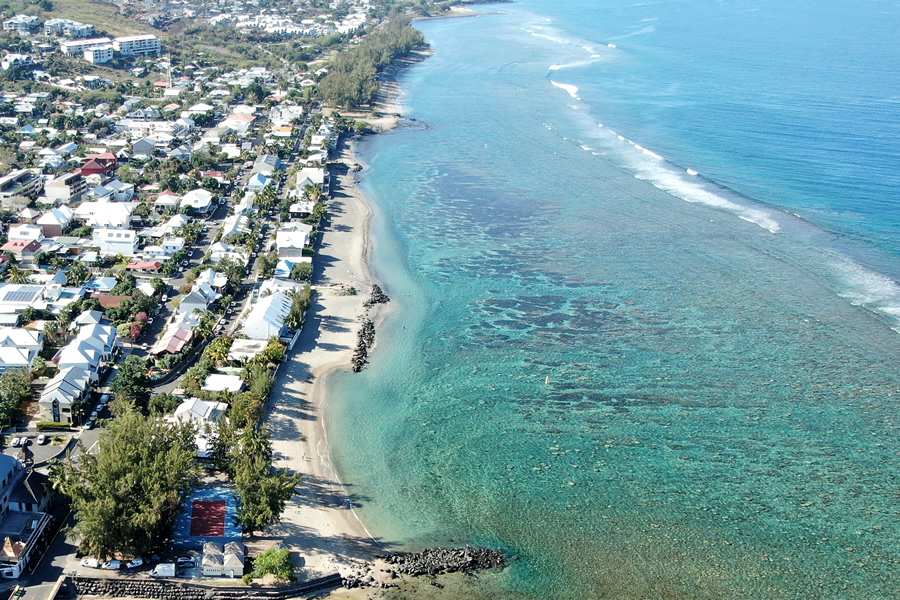
- The Lagoons: For safe swimming and snorkeling, stick to the lagoons on the west coast, such as L’Ermitage or Saint-Leu. These are protected by coral reefs and are generally safe from ocean swells.
- Source- Ville de Saint-Leu.
- Shark Safety: It is vital to respect all local signage. Aquatic activities are strictly forbidden in certain "open sea" areas due to shark risks. Only swim or surf in designated zones where monitoring and protective netting are in place.
Essential Logistics for 2026
- Entry Requirements: As part of France and the EU, entry requirements are the same as for mainland France. EU citizens need only an ID or passport, while many others can enter visa-free for short stays.
- Currency: The official currency is the Euro (€). Cards are widely accepted in cities, but cash is essential for mountain gîtes and small markets.
- Health: Ensure you are up to date on routine vaccinations. There is a moderate risk of dengue fever; use mosquito repellent, especially in the lush eastern regions.
Why Go Now?
Reunion Island is a place that recalibrates your sense of scale. It is a country where you can stand atop a 3,000-meter peak in the morning and be snorkeling in a tropical lagoon by the afternoon. By preparing your travel documents, securing your digital connection with an eSIM, and respecting the island's safety guidelines, you are ready to witness the most intense and beautiful landscape in the Indian Ocean.