
Poland: Medieval Squares and Alpine Peaks
Source: Britannica
Poland is a country that has mastered the art of the "comeback." From the meticulously reconstructed streets of Warsaw to the royal grandeur of Krakow, it is a land where history is not just remembered—it is lived. In 2026, Poland stands as one of the most vibrant and technologically advanced destinations in Europe, offering a unique blend of high-tech urbanity and raw, untouched nature.
Whether you are exploring the salt cathedrals deep underground or hiking the jagged ridges of the High Tatras, Poland offers a profound sense of discovery. Here is your factual, grounded guide to the best of Poland.
1. The Urban Icons: Krakow and Warsaw
Poland’s two largest cities offer completely different, yet equally essential, experiences.
- Krakow (The Royal Capital): Often called the "Jewel of Poland," Krakow’s Old Town is a UNESCO World Heritage site and home to Europe’s largest medieval market square (Rynek Główny). Visit the Wawel Royal Castle, where Polish kings were crowned for centuries, and explore the Kazimierz district, the historic Jewish quarter known for its synagogues, artisan workshops, and quiet, leafy courtyards.
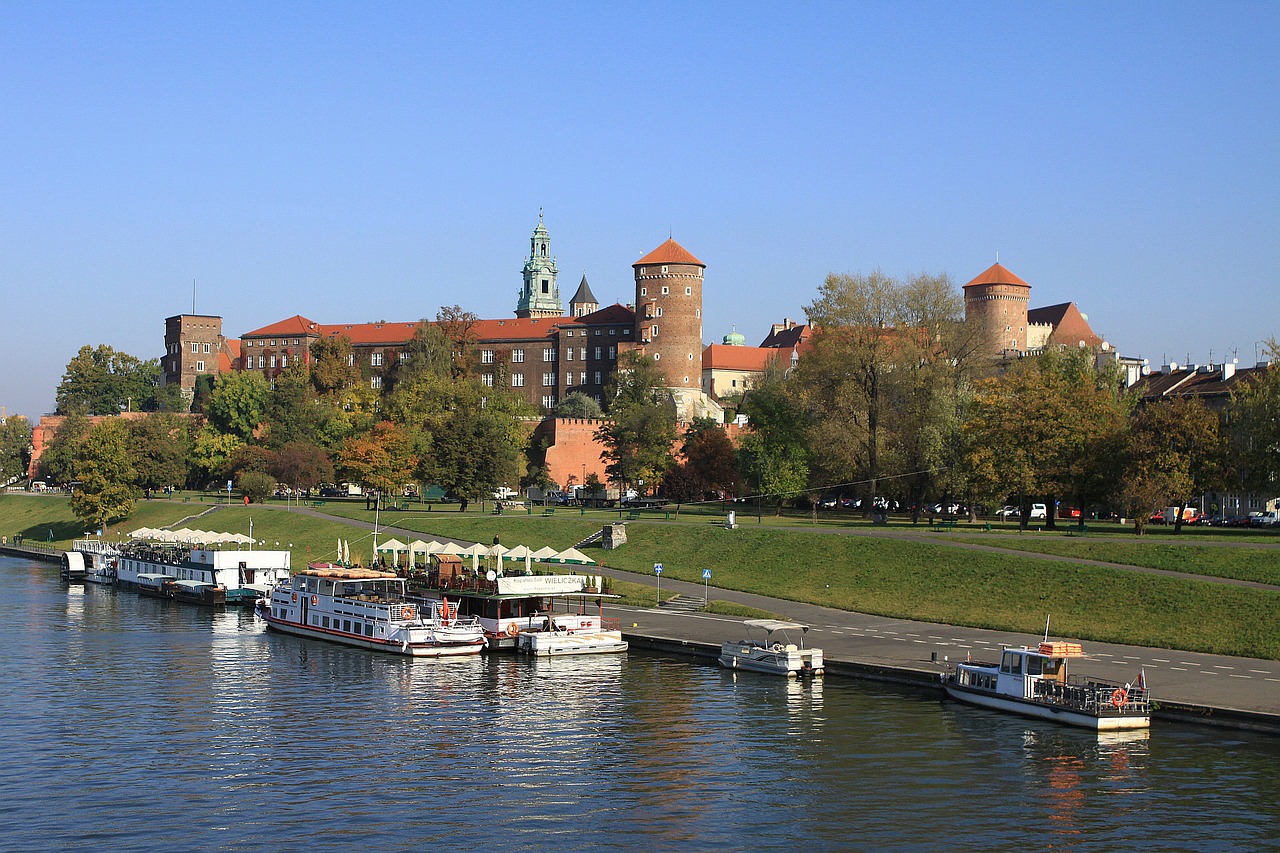
- Source- Krawkow Wiki
- Warsaw (The Phoenix City): The capital is a testament to human resilience. Having been almost entirely destroyed during WWII, its Old Town was reconstructed using 18th-century paintings as a guide. Today, the city is a striking mix of Gothic spires, Soviet-era landmarks like the Palace of Culture and Science, and sleek, modern glass skyscrapers.
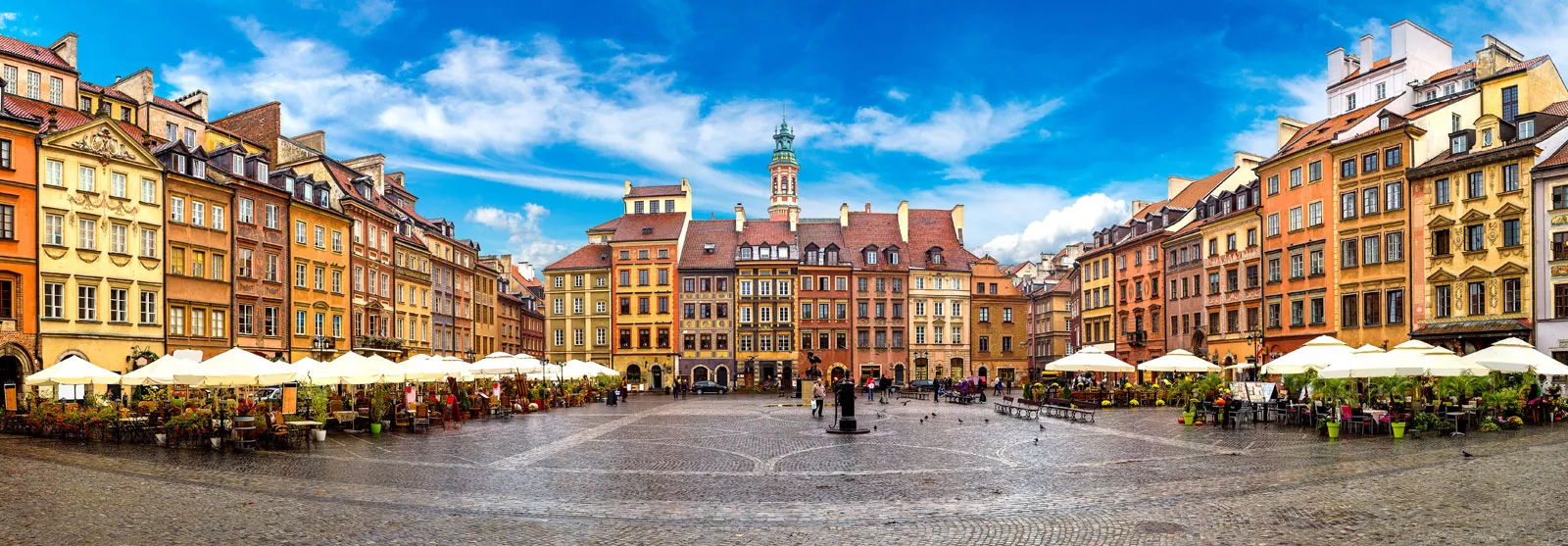
- Source- Britannica
2. The Connectivity Reality: Why You Need an eSIM
In 2026, Poland is a heavily digitized society. From paying for tram tickets to booking entry for the Wieliczka Salt Mine, almost everything is handled through mobile apps.
The Logistics Challenge
- Smart Transit: To navigate Polish cities, you will rely on the Jakdojade app (for public transport) and PKP Intercity (for trains). These require a stable data connection to show real-time delays and digital ticket QR codes.
- The EES System: For non-EU travelers, the Entry/Exit System (EES) is now fully operational at Polish borders. You will likely need to show digital confirmations of your registration or travel insurance, making immediate data access at the airport a necessity.
The Solution: The eSIM To ensure you hit the ground running, provision a Poland-compatible eSIM data plan before you fly.
- The Benefit: An eSIM connects you to robust local 5G networks (like Orange) the moment you land at Warsaw Chopin or Krakow Airport. You bypass the queues for physical SIM cards and can immediately hail a secure ride-hailing car (like Bolt or Uber) to your hotel, ensuring a safe and efficient arrival.
3. Nature’s Grandeur: From the Baltic to the Tatras
Beyond the cities, Poland’s landscape is incredibly diverse.
- The High Tatras (Zakopane): Located on the southern border, these mountains are the "Alps of Poland." In 2026, Zakopane remains a hub for hikers and nature lovers. Take the cable car to Kasprowy Wierch for a panoramic view of the peaks, or hike to Morskie Oko, a breathtaking emerald-green glacial lake tucked between towering granite walls.
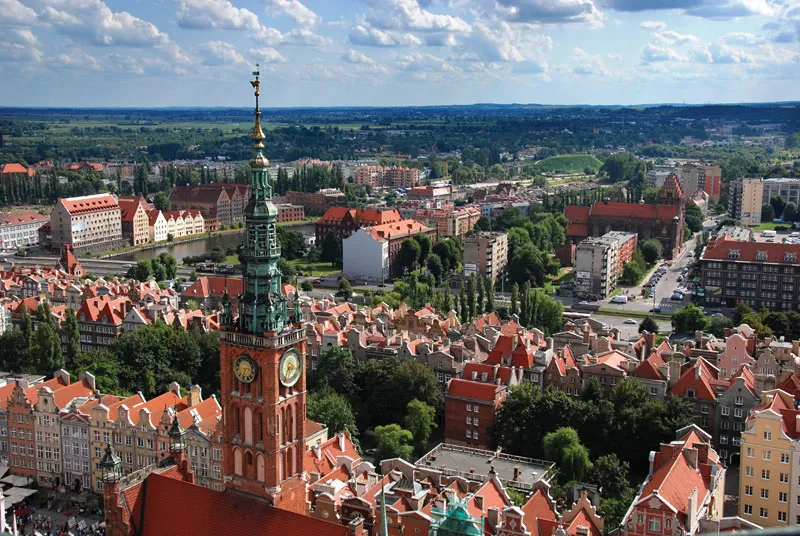
- The Baltic Coast (Gdansk): In the north, the port city of Gdansk offers a maritime atmosphere with its colorful "Long Market" and the historic Crane on the Motława River. Nearby, the seaside town of Sopot features Europe’s longest wooden pier, perfect for a sunset walk.
- Masurian Lake District: Known as the "Land of a Thousand Lakes," this region is a paradise for kayaking and birdwatching. It is one of the quietest corners of Europe, where you can still see wild bison in the ancient Białowieża Forest.
4. A Taste of Poland
Polish cuisine is the ultimate comfort food. It relies heavily on root vegetables, grains, and slow-cooked stews. It is very easy to find authentic dishes that use beef, poultry, or vegetarian ingredients.
Traditional Refreshments: Instead of soda, try Kompot, a traditional drink made by simmering fresh seasonal fruits (like cherries, apples, or plums) with spices. Another local favorite is Kwas Chlebowy, a refreshing, slightly sour sparkling drink made from fermented rye bread.
5. Essential Etiquette and Tips for 2026
- Respect the History: When visiting memorials like Auschwitz-Birkenau, maintain a solemn and respectful tone. These are active sites of mourning and education; photography is restricted in certain sensitive areas.
- Dress Modestly in Churches: Poland is a traditionally religious country. When entering cathedrals or small village churches, ensure your shoulders and knees are covered.
- Currency: The official currency is the Zloty (PLN). While cards and mobile payments are accepted almost everywhere (even at small market stalls), it is always handy to have a few coins for public restrooms or small tips.
- The Language: While most young Poles in cities speak excellent English, learning a simple "Dziękuję" (Thank you) or "Dzień dobry" (Good morning) is deeply appreciated by the locals.
Why Go Now?
Poland in 2026 offers an incredible value-for-money experience without sacrificing quality or safety. It is a country that feels intensely modern yet respects its deep-seated traditions. By securing your digital connection with an eSIM and bringing a spirit of curiosity, you are ready to witness the spectacular resilience of Europe’s heart.