
Peru: The Sacred Valley and Beyond
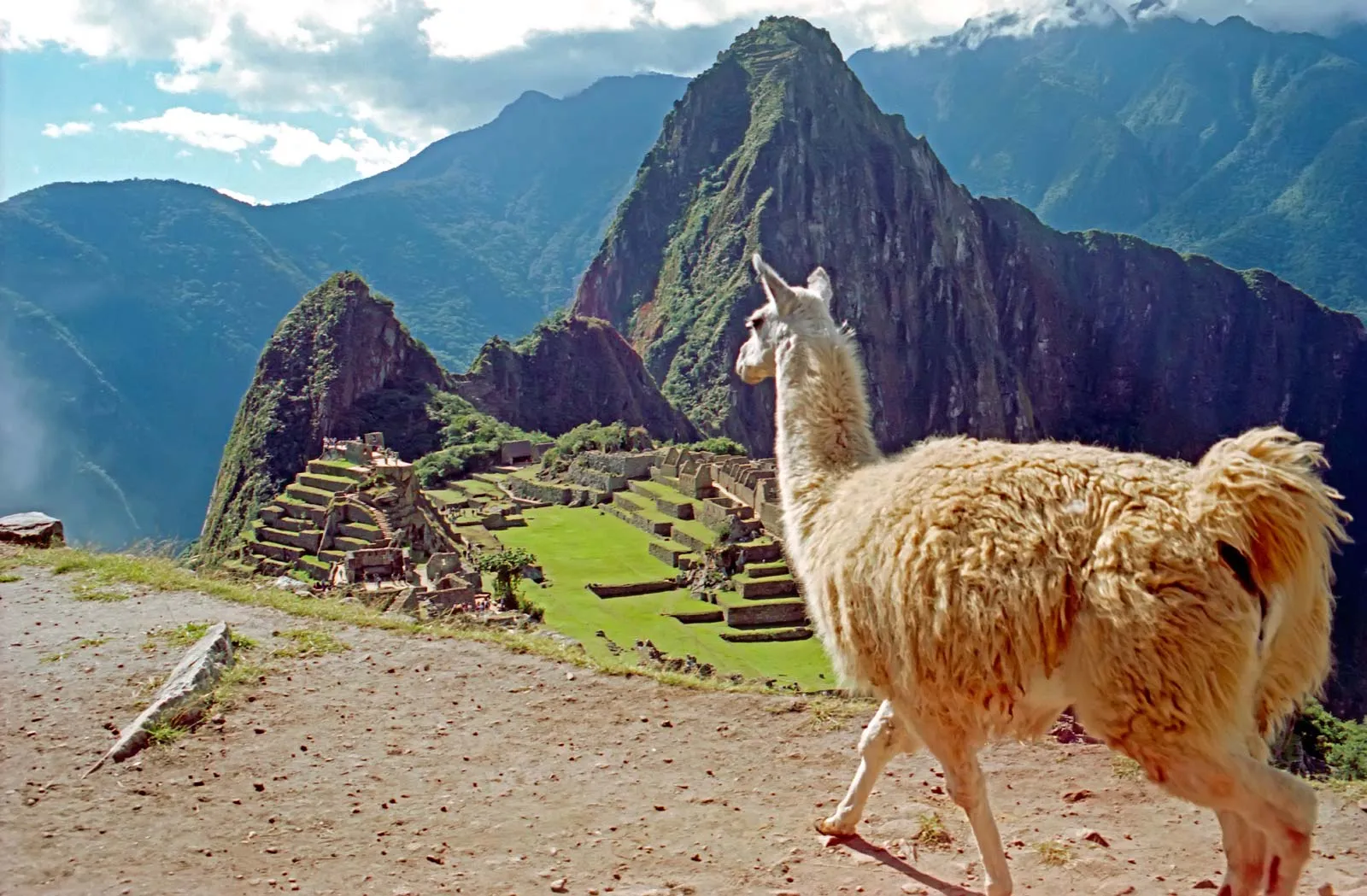
Source: Britannica
Peru is a destination that feels both ancient and alive. It is a land of vertical extremes—where the Amazon’s sea-level rainforest rises sharply into the 6,000-meter peaks of the Andes. Whether you are chasing the first light at Machu Picchu or exploring the world-class culinary scene of Lima, Peru offers a depth of culture that few other places can match.
In 2026, Peru remains a beacon for the curious traveler. Here is your factual guide to navigating the "Land of the Incas."
1. Lima: The Culinary Crown
Your journey will almost certainly begin in Lima, the bustling capital perched on the edge of the Pacific. While many travelers use it only as a stopover, Lima is a destination in its own right, especially for food lovers.
- Miraflores and Barranco: Start in the upscale district of Miraflores, famous for its cliffside boardwalk (Malecón) and paragliders. From there, walk to Barranco, the city's artistic heart, filled with colorful colonial mansions, hidden galleries, and the romantic Bridge of Sighs (Puente de los Suspiros).
- The Historic Centre: Head to the Plaza de Armas to witness the changing of the guard at the Presidential Palace and visit the Monastery of San Francisco, famous for its underground catacombs and vast colonial library.

- Barranco Skyline, Lima, Peru. Source- Avodrocc, CC BY 2.0, via Wikimedia Commons
2. The Connectivity Reality: Why You Need an eSIM
While the Incan stone paths were built for runners, modern travel in Peru requires a digital edge. In 2026, navigating the complexities of Peruvian transport and safety is significantly easier with a reliable data connection.
The Navigation & Safety Challenge
- Safe Transport: In Lima and Cusco, it is strongly recommended not to hail street taxis. Instead, use ride-hailing apps like Uber or Cabify, which allow you to track your driver and share your trip status. These apps require a constant data connection.
- Real-Time Logistics: Whether you are checking if your train to Aguas Calientes is on time or translating a menu in a rural village, having data is essential. Furthermore, official government travel advisories for 2026 recommend keeping your digital maps live to avoid wandering into restricted areas during civil demonstrations.
The Solution: The eSIM To ensure you hit the ground running, purchase a Peru-compatible eSIM data plan before you fly.
- The Benefit: An eSIM connects you to local networks (like Claro or Entel) the moment you land at Jorge Chávez International Airport. You avoid the high costs of roaming and the bureaucracy of buying a local SIM in the city. It allows you to immediately order a secure car to your hotel and stay in touch with your guides as you transition into the high-altitude Andes.
3. Cusco and the Sacred Valley: The Incan Heartland
A short flight from Lima brings you to Cusco, the former capital of the Inca Empire. Sitting at 3,400 meters, it is a city of layered history—Incan stonework forms the foundation for Spanish colonial churches.
- The Sacred Valley: Spend a few days acclimatizing in the Sacred Valley. Visit the massive agricultural terraces of Moray and the ancient salt pans of Maras, which have been in use since pre-Incan times.
- Ollantaytambo: This living Incan town is the best place to catch the train to Machu Picchu. Its narrow streets and water channels have remained unchanged for over 500 years.
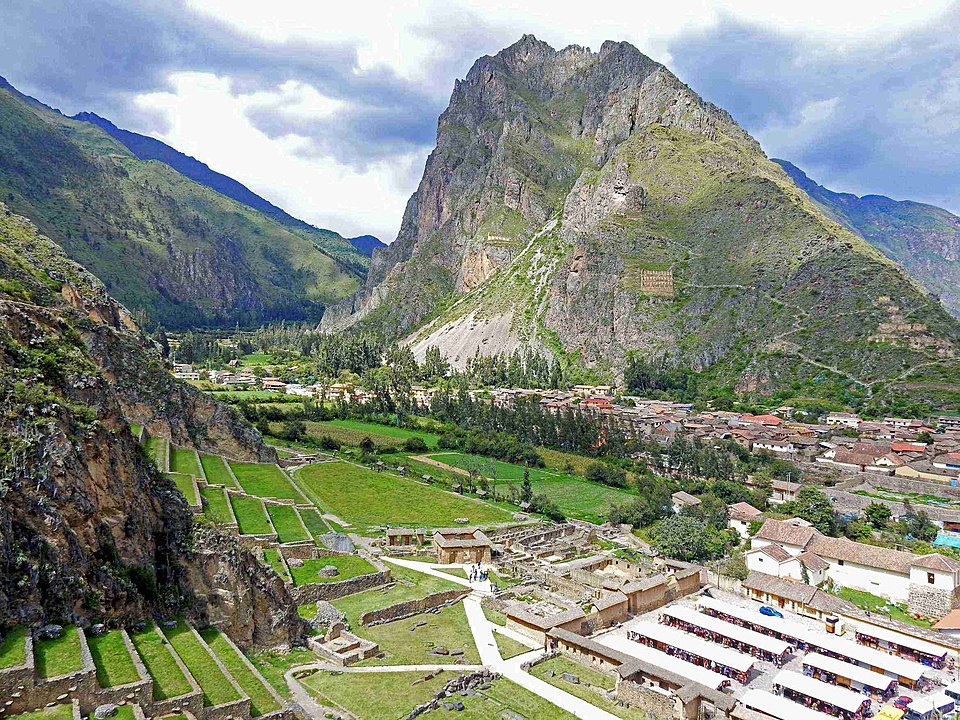
- View from the top of the Ollantaytambo Ruins. Source- By FLASHPACKER TRAVELGUIDE - Ollantaytambo | Heiliges Tal, CC BY-SA 2.0
4. Machu Picchu: The Icon
No trip to Peru is complete without witnessing the Incan citadel.
- The Experience: Whether you arrive via the four-day Inca Trail or the scenic Vistadome train, the first view of the ruins against the backdrop of Huayna Picchu is unparalleled.
- 2026 Logistics: In 2026, the Peruvian government has implemented a strict circuit system to protect the site. It is vital to book your entry tickets and train passes at least four to six months in advance, especially if you plan to visit during the dry season (May–September).
5. A Taste of Peru
Peruvian cuisine is currently considered one of the best in the world. It is a unique fusion of indigenous, Spanish, and Asian influences. It is very easy to find incredible, high-quality options.
- Ceviche: The national dish. Fresh raw fish (often sea bass) is marinated in lime juice, onions, and chili peppers (ají). The citrus "cooks" the fish, and it is traditionally served with sweet potato and giant-kernel Andean corn (choclo).
- Lomo Saltado: A savory stir-fry of beef strips, onions, and tomatoes, flavored with soy sauce and served over rice and French fries. It is a perfect example of the "Chifa" (Chinese-Peruvian) influence.
- Aji de Gallina: A creamy, comforting chicken stew thickened with bread and walnuts, flavored with the mild yellow ají amarillo pepper.
- Anticuchos: Grilled skewers of marinated beef heart—a local favorite that is tender, flavorful, and a must-try for adventurous eaters.
- Causa Limeña: A cold mashed potato casserole layered with tuna or chicken salad, avocado, and olives. It is as beautiful as it is delicious.
Why Go Now?
Peru is a destination that rewards the prepared. It is a place where you can feel the weight of history in the stones of Cusco and the vibrant energy of the modern world in the markets of Lima. By securing your digital connection with an eSIM and booking your mountain permits early, you are ready to witness the spectacular heart of South America.