
Paraguay: Colonial Heritage, Hidden Waterfalls, and Navigating the Heart of the Continent
If you are looking for a destination that remains authentically untouched by the waves of mass tourism, look no further than Paraguay. Often overlooked in favor of its larger neighbors, Brazil and Argentina, this landlocked nation—known as the "Heart of South America"—offers a travel experience that is raw, deeply traditional, and incredibly welcoming.
In 2026, Paraguay has become a sanctuary for travelers who want to escape the "manicured" tourist path. It is a land where the Guarani language is spoken with as much pride as Spanish, where ancient Jesuit missions rise out of tropical forests, and where life moves at the gentle pace of a shared tereré (cold herbal tea).
Here is your factual guide to discovering the soul of Paraguay.
1. Asunción: The Mother of Cities
Your journey begins in Asunción, one of the oldest cities in South America. Founded in 1537, it served as the base for Spanish expeditions across the continent, earning it the nickname "Mother of Cities."
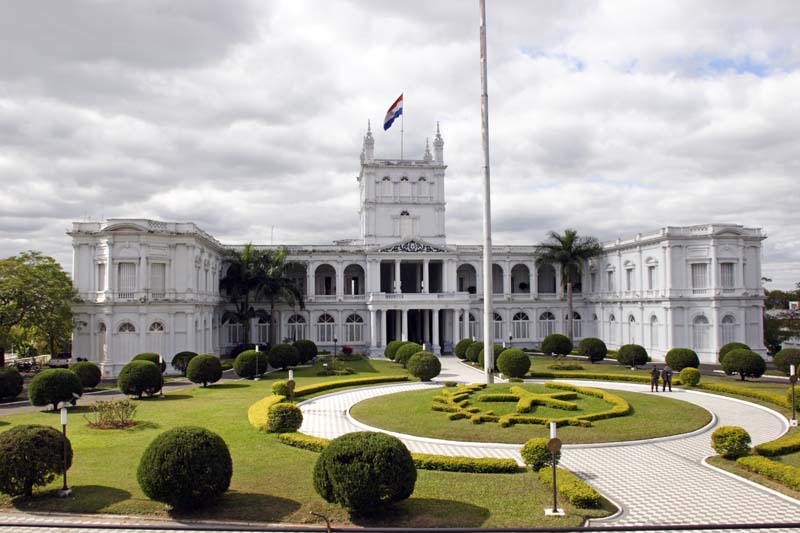
- The Historic Core: Start at the Palacio de los López, the stunning pink neoclassical presidential palace that overlooks the bay. It is especially striking at sunset when the lights highlight its French-inspired architecture. A short walk brings you to the National Pantheon of Heroes, an architectural jewel that serves as a memorial to the country’s past and a central meeting point for locals.
- Loma San Jerónimo: For a burst of color, head to this bohemian neighborhood. Its narrow, winding streets are lined with brightly painted houses, street murals, and small family-run cafes. It is the perfect place to see the creative, community-driven side of the capital.
- Costanera de Asunción: This long riverfront walkway is where the city comes to breathe. You’ll see families strolling, joggers, and vendors selling snacks. It offers a peaceful view of the Paraguay River and is the best spot to witness the city's legendary orange sunsets.
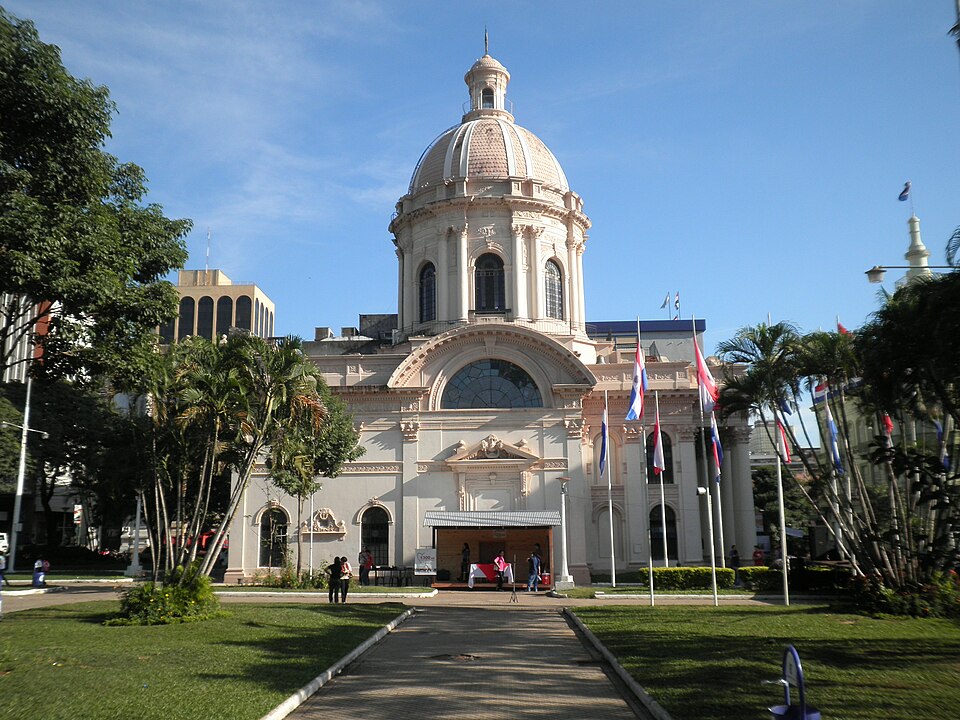
- National Pantheon of the Heroes, Asunción, Paraguay. Source- By CivArmy - Own work, CC BY-SA 4.0
2. The Heart of History: The Jesuit Ruins
Heading south toward the city of Encarnación, you will find Paraguay’s most significant historical treasures: the Jesuit Missions of La Santísima Trinidad de Paraná and Jesús de Tavarangüé.
These UNESCO World Heritage sites are the remains of 17th and 18th-century "reductions"—self-sufficient communities where Jesuit missionaries and indigenous Guarani people lived together.
- Trinidad: This is the best-preserved mission. You can wander through the massive stone church, the cloisters, and the original houses of the Guarani. The intricate stone carvings of angels playing musical instruments are a beautiful testament to the fusion of European and indigenous art.
- The Night Show: If you stay until evening, many of the ruins offer a light and sound show that uses music and projection to bring the history of the missions to life under the starlit Paraguayan sky.
3. The Connectivity Reality: Why You Need an eSIM
While Paraguay is a land of tradition, navigating it in 2026 requires a modern toolkit. Outside the main hubs of Asunción and Ciudad del Este, English proficiency is limited, and the country’s infrastructure—while improving—can be challenging for the unprepared.
The Logistics Challenge
- Navigating the Chaco: If you plan to explore the vast, wild Chaco region in the west, or even the secondary roads between the missions, you will find that physical signage is often sparse. You will rely heavily on real-time GPS and digital maps.
- Ride-Hailing is Essential: In the cities, using ride-hailing apps like Bolt or MUV is the safest and most efficient way to get around. These apps require a constant, reliable data connection.
- Biometric Hurdles: Buying a physical local SIM card at a shop often involves a bureaucratic process, including providing passport copies and, in some cases, biometric registration.
The Solution: The eSIM To hit the ground running without the paperwork, purchase a Paraguay-compatible eSIM data plan before your flight.
- The Benefit: An eSIM connects you to the strongest local networks the moment you land at Silvio Pettirossi International Airport. It ensures you have immediate access to your translation apps, maps, and secure communication tools. More importantly, it gives you the peace of mind to navigate the "Heart of South America" with total digital confidence.
4. Nature’s Power: Saltos del Monday
In the eastern city of Ciudad del Este—famously known as a bustling hub for shopping—lies one of the country's greatest natural wonders: Saltos del Monday.
While many people head across the border to see Iguazu Falls, Saltos del Monday offers a much more intimate and less crowded experience. These 45-meter-high waterfalls crash into the Monday River, surrounded by a lush forest. You can walk across viewing platforms that take you right to the edge of the falls or take an elevator down to the base to feel the mist on your face. It is a powerful reminder of the raw natural beauty that defines rural Paraguay.
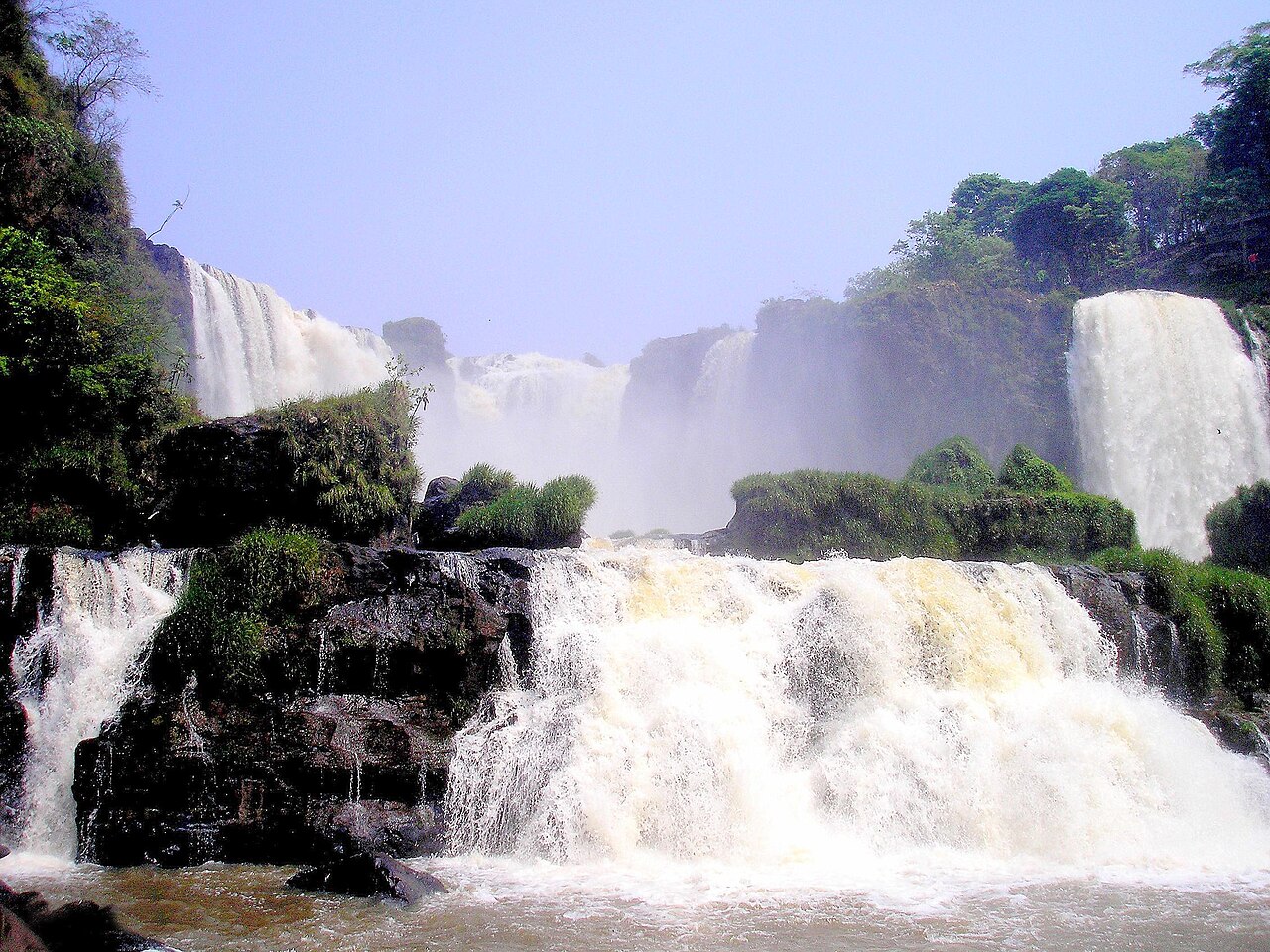
Source- FF MM, CC BY-SA 3.0, via Wikimedia Commons
5. A Taste of Paraguay
Paraguayan cuisine is a fascinating blend of Guarani tradition and Spanish influence. It is a "meat and corn" culture that is incredibly comforting.
- Sopa Paraguaya: This is perhaps the world’s only "solid soup." Despite its name, it is a dense, savory cornbread made with cornmeal, eggs, milk, and plenty of Paraguayan cheese. It is the national dish and is served at almost every meal.
- Chipa: You will smell these before you see them. Chipas are small, ring-shaped breads made from cassava starch, cheese, and eggs. They are sold warm from baskets by chiperas on street corners. They are chewy, salty, and perfect for a quick snack.
- Vori Vori: This is a rich, thick chicken soup containing small balls made of cornmeal and cheese. It was recently voted one of the best soups in the world, and for good reason—it is the ultimate comfort food.
- Mbeju: A starchy, pancake-like dish made from cassava flour and crumbled cheese. It is cooked on a hot griddle until crispy on the outside and soft on the inside.
- Tereré: This isn't just a drink; it's a social ritual. Tereré is yerba mate infused with cold water and refreshing herbs (yuyos). You will see almost every Paraguayan carrying a large thermos and a decorated gourd (guampa). If someone offers you a sip, accept it—it is a sign of welcome and friendship.
6. Cultural Etiquette: Respecting the Heart
Paraguayans are famously polite and conservative.
- Greeting: A warm "Buenos días" or "Buenas tardes" is expected when entering a shop or meeting someone.
- Language: While Spanish is the official language, learning a few words of Guarani (like "Aguyje" for thank you) will earn you immense respect and an even warmer smile.
- Dress: In the cities, people tend to dress quite formally and modestly. In rural areas, keeping your shoulders and knees covered is a sign of respect for the local culture.
Why Go Now?
Paraguay is one of the last places in South America where you can feel like a pioneer. It is a country that doesn't put on a show for tourists; it simply exists in its beautiful, historic, and rugged truth. By preparing your travel documents, securing your connection with an eSIM, and bringing an appetite for the best cornbread in the world, you are ready to witness the quiet magic of the continent's heart.