
Papua New Guinea: Ancient Cultures, Volcanic Fjords, and Essential Digital Navigation
Source: Britannica
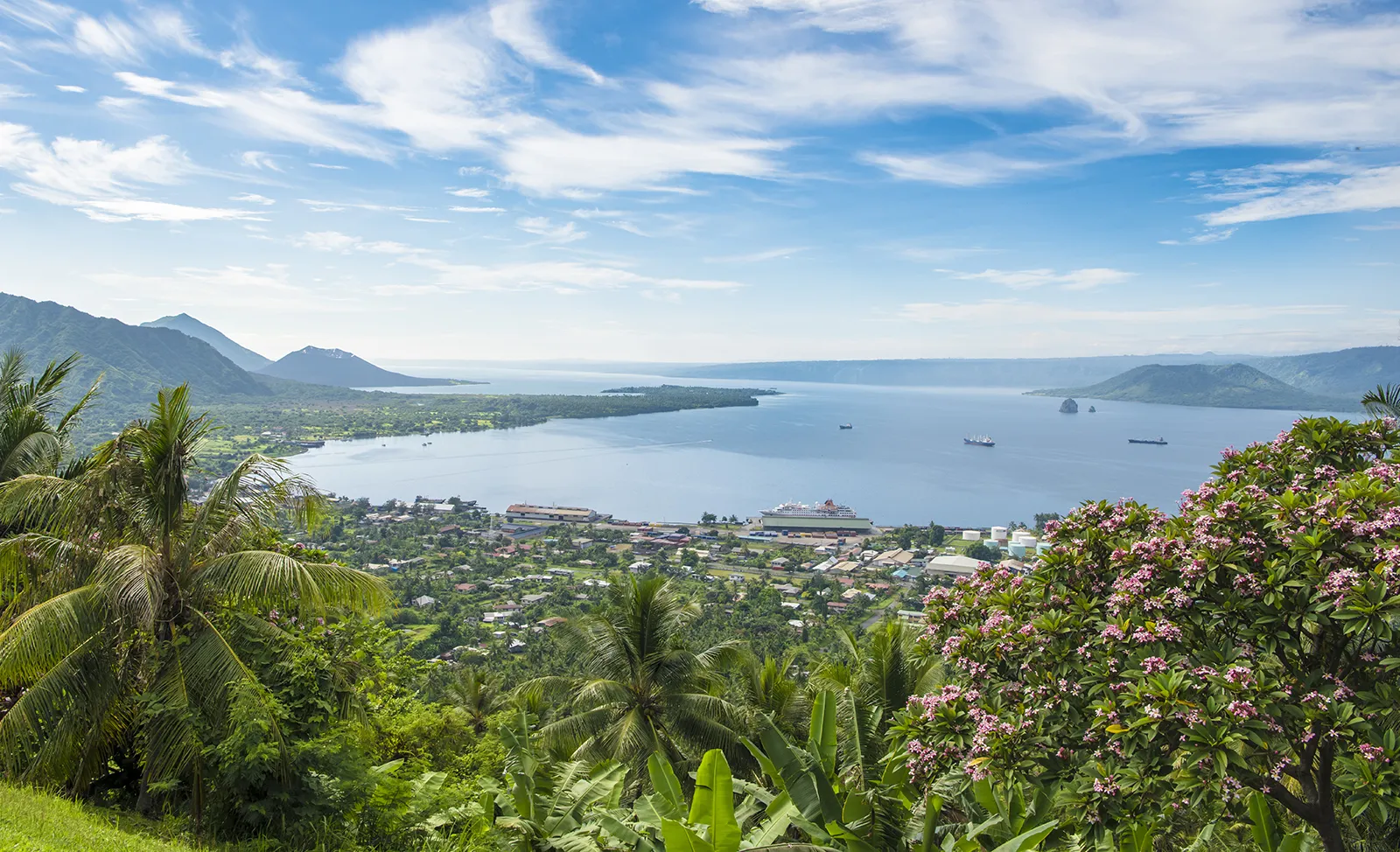
Papua New Guinea (PNG) is often called "the land of a million journeys," and for good reason. Home to over 800 languages and some of the most diverse ecosystems on the planet, it is one of the last places on Earth where you can truly feel like an explorer.
Traveling here in 2026 is an exercise in immersion. It is a land where the modern world feels like a distant memory, replaced by the rhythmic beat of kundu drums and the emerald canopy of prehistoric rainforests. Whether you are trekking the rugged spine of the Owen Stanley Range or snorkeling in the pristine fjords of Tufi, PNG offers a raw, unfiltered connection to nature and culture.
1. The Highlands: A Symphony of Color
Your journey through the interior of PNG will likely bring you to the Highlands, a region of mist-covered peaks and fertile valleys that remained largely unknown to the outside world until the 1930s.
- Mount Hagen: This bustling highland hub is the gateway to some of the country’s most famous cultural experiences. If you time your visit for the Mount Hagen Cultural Show, you will witness hundreds of tribes gathering for a "sing-sing." Imagine thousands of performers in intricate traditional attire, adorned with the vibrant feathers of birds of paradise and ornate body paint, dancing in a spectacular display of tribal pride.
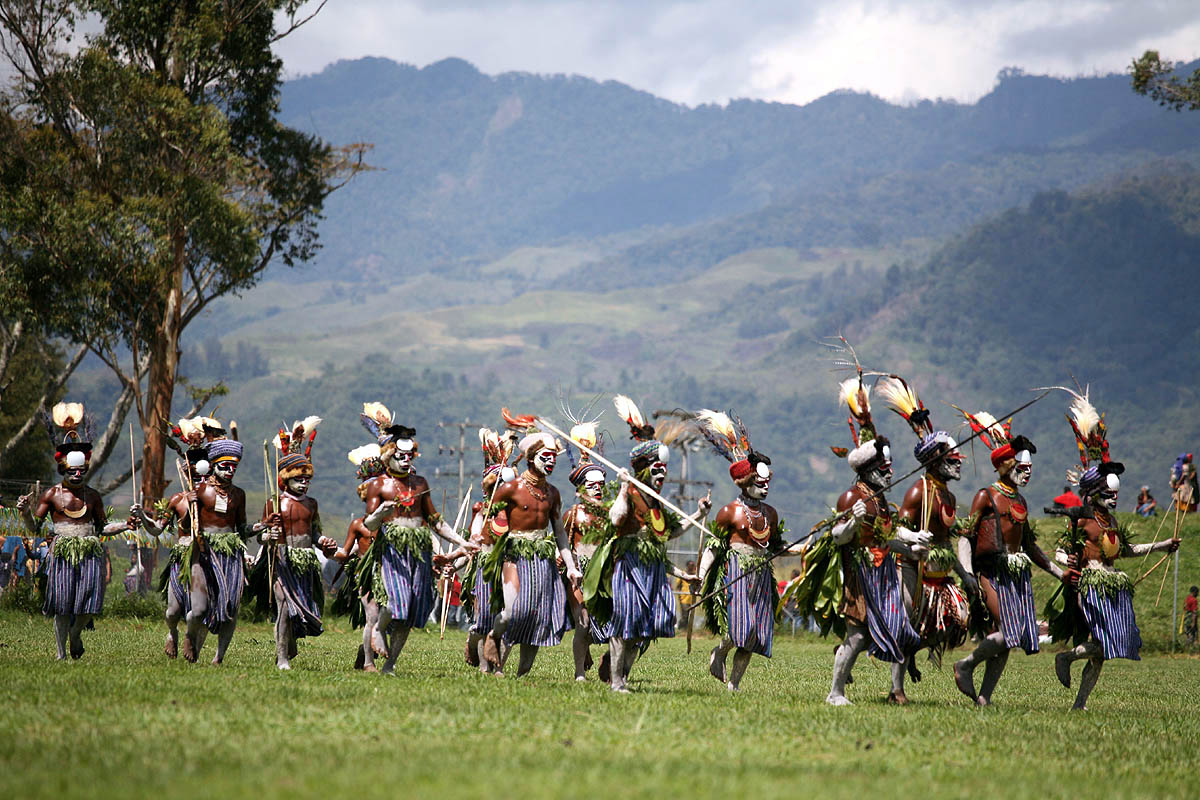
Mt Hagen Cultural Show, one of the largest annual cultural events in Papua New Guinea.
- Source- By Jialiang Gao (peace-on-earth.org) - Own work, CC BY-SA 3.0
- Mount Wilhelm: For the physically adventurous, this is the highest peak in Oceania. The trek to the summit (4,509 meters) takes you through diverse climate zones, from dense rainforest to alpine tundra. On a perfectly clear day, you can see both the north and south coasts of the island from the top.
2. The Connectivity Reality: Why You Need an eSIM
In 2026, Papua New Guinea remains a destination where infrastructure is a challenge. There is no national road network connecting the capital, Port Moresby, to the Highlands or the coast. Most travel between provinces requires small-plane flights.
The Logistics Challenge
- Safe Passage: Navigating PNG requires careful planning. Safety is a priority, and staying in touch with your local guides or your embassy is essential. You will need a reliable connection to check real-time travel advisories and weather updates, as tropical storms can frequently ground internal flights.
- Coordination: Many of the best experiences—like village homestays or river expeditions—are organized by small-scale local operators. Coordinating pick-up times and flight changes via email or messaging apps is the only way to ensure your trip runs smoothly.
The Solution: The eSIM To ensure you have a digital lifeline the moment you land, purchase a Papua New Guinea-compatible eSIM data plan before your departure.
- The Benefit: An eSIM allows you to activate a local data profile (often partnering with providers like Digicel or Bmobile) without the hassle of finding a physical SIM card shop in Port Moresby. It ensures you have immediate access to your maps, secure communication tools, and banking apps, even in remote highland towns like Goroka or coastal hubs like Madang.
3. The Sepik River: The Soul of Art
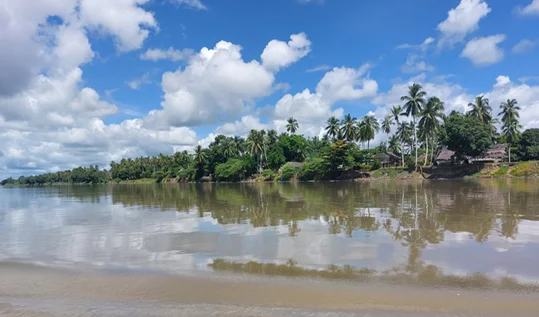
The Sepik River is one of the world’s great river systems, often compared to the Amazon or the Nile. It is the artistic heart of the country.
- Spirit Houses (Haus Tambaran): Along the riverbanks, you will find massive, intricately carved spirit houses. These structures serve as the center of village life and are filled with sacred carvings, masks, and totems that represent the ancestral spirits of the river.
- River Life: Traveling by motorized dugout canoe is the only way to see the Sepik. You will drift past villages where life has remained unchanged for centuries, watching children play in the water and artisans carve world-renowned wooden sculptures.
- Source- papuanewguinea
4. Tufi and Milne Bay: The Blue Frontier
If the Highlands are about the earth, the coast is about the water.
- Tufi Fjords: This is one of the few places in the world where you can see tropical fjords. These deep, ancient volcanic inlets are covered in lush rainforest and hide some of the most pristine coral reefs in the Pacific. The water is so clear that you can often see the coral gardens from your boat.
- Milne Bay: Located at the eastern tip of the mainland, Milne Bay is a paradise for "slow travel." It is a region of palm-fringed islands and quiet bays. It is also a site of significant WWII history, with several well-preserved wrecks resting in shallow waters, making them accessible to snorkelers and divers alike.
5. A Taste of PNG
The cuisine of Papua New Guinea is a reflection of the land's bounty. It is largely focused on fresh root vegetables, tropical fruits, and the "Mumu" style of cooking.
- The Mumu: This is the traditional method of cooking in PNG. A pit is filled with hot stones, and parcels of food—typically chicken or fish mixed with sweet potatoes (kaukau), taro, and greens—are wrapped in banana leaves and buried in the earth to steam. The result is a smoky, tender meal that is deeply satisfying.
- Saksak: A staple in the lowland and river regions, saksak is a dumpling made from sago starch. It is often mixed with mashed bananas and coconut milk, then steamed. It has a unique, slightly chewy texture and is the ultimate energy food.
- Fresh Tropical Bounty: PNG is a paradise for fruit lovers. You will find an incredible variety of bananas, pineapples, soursop, and the prized pawpaw (papaya). Coconut is used in almost every dish, either as a fresh snack or as rich coconut cream for stews.
- Kokoda Fish: A refreshing coastal staple where fresh raw fish is marinated in lime juice and mixed with thick coconut cream, spring onions, and finely chopped vegetables.
Essential Travel Safety for 2026
- Reputable Guides: Never travel alone or after dark in major towns like Port Moresby or Lae. Always use reputable tour operators and local guides who understand the current tribal dynamics and security landscape.
- Respect the Custom: Many areas of PNG are governed by traditional "Wantok" systems. Before taking photos of people or entering a village, always ask for permission. A small gesture of respect goes a long way.
- Health: PNG is a high-risk area for malaria. Ensure you consult your doctor for the appropriate prophylactics and always use insect repellent.
Why Go Now?
Papua New Guinea is not a destination for the casual tourist; it is for the traveler who seeks a profound shift in perspective. It is a place that challenges your comfort zone and rewards you with beauty that few eyes have ever seen. By securing your digital connection with an eSIM and traveling with a spirit of humility and respect, you can witness the last great frontier of the South Pacific.