
Panama: The Crossroads of the Americas
Source: By diego_cue, CC BY-SA 3.0
Panama is much more than just a famous shortcut for ships. It is a country that functions as a biological and cultural bridge between two continents. From the gleaming skyscrapers of Panama City—often called the "Dubai of Latin America"—to the mist-covered coffee highlands and the pristine indigenous territories of the Caribbean, Panama offers a staggering diversity of experiences in a relatively small space.
In 2026, Panama remains one of the most accessible and exciting destinations in Central America. Here is your factual guide to navigating this vibrant nation.
1. Panama City: Where History Meets the Horizon
Your journey will likely begin in the capital, a city that perfectly encapsulates Panama's dual identity.
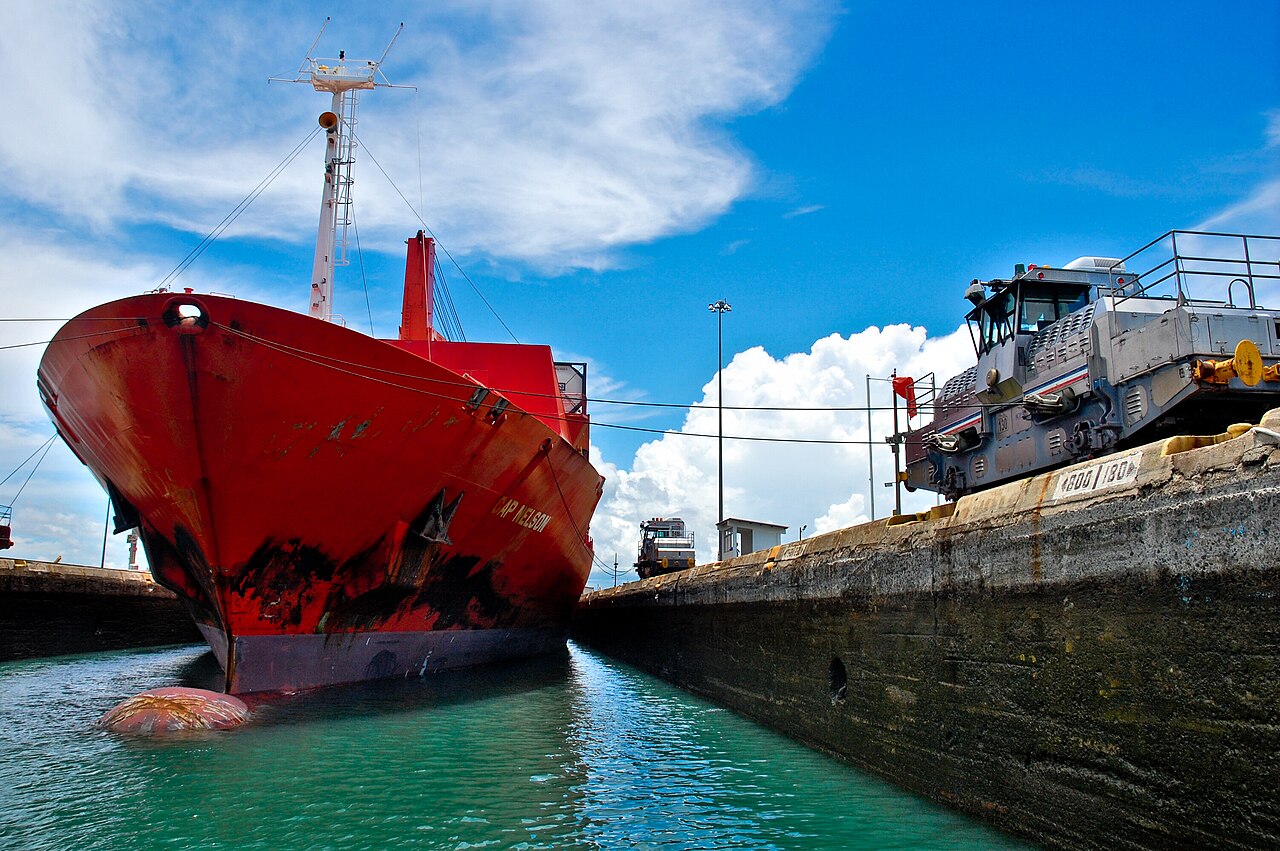
- The Panama Canal: No visit is complete without witnessing the Miraflores Locks. Watching a massive Neo-Panamax ship rise and fall as it transitions between the Atlantic and Pacific oceans is a masterclass in human engineering.
- Source- By Aaron O'Dea, CC BY-SA 3.0
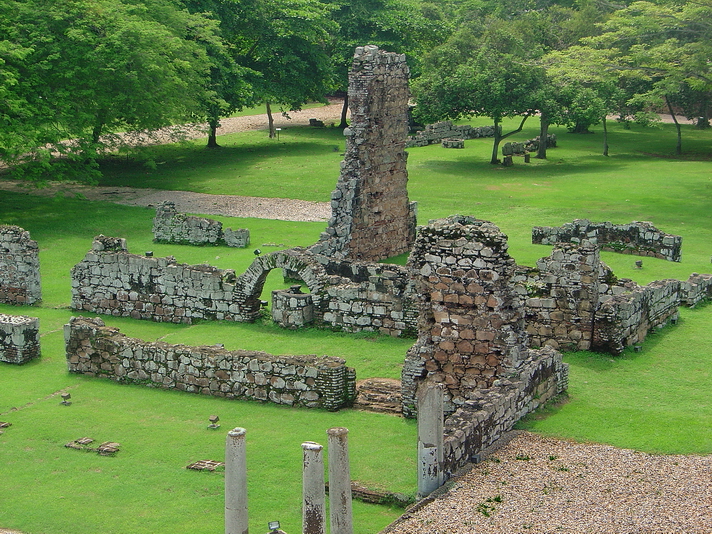
- Casco Viejo: This UNESCO World Heritage site is the "Old Quarter" of the city. Its narrow, cobblestone streets are lined with beautifully restored colonial buildings, vibrant plazas, and historic churches like the Iglesia de San José, famous for its golden altar. It is a place where you can feel the 17th century alive in the 21st.
- Source- By Melpanama - Own work, CC BY 3.0
- Cinta Costera: For a peaceful afternoon, walk or bike along this waterfront boulevard. It offers the best panoramic views of the modern skyline on one side and the shimmering Pacific Ocean on the other.
2. The Connectivity Reality: Why You Need an eSIM
While Panama City is highly developed, navigating its traffic and exploring the remote islands requires a constant, reliable data connection.
The Navigation Challenge
- Digital Transit: In Panama City, you will rely heavily on ride-hailing apps to get around safely and avoid negotiating taxi fares. These apps require consistent data.
- Island Logistics: If you are heading to the San Blas Islands or Bocas del Toro, you will need to coordinate with local boat captains and guides. Reliable messaging is essential for timing these transfers.
The Solution: The eSIM To avoid the hassle of finding a local shop and registering with a passport, purchase a Panama-compatible eSIM data plan before you fly.
- The Benefit: An eSIM connects you to the local networks the moment you land at Tocumen International Airport (PTY). It ensures your GPS, translation tools, and secure banking apps are active immediately, allowing you to navigate the city and the jungle with total peace of mind.
3. Nature’s Masterpieces: San Blas and Boquete
Panama’s geography shifts dramatically once you leave the urban sprawl of the capital.
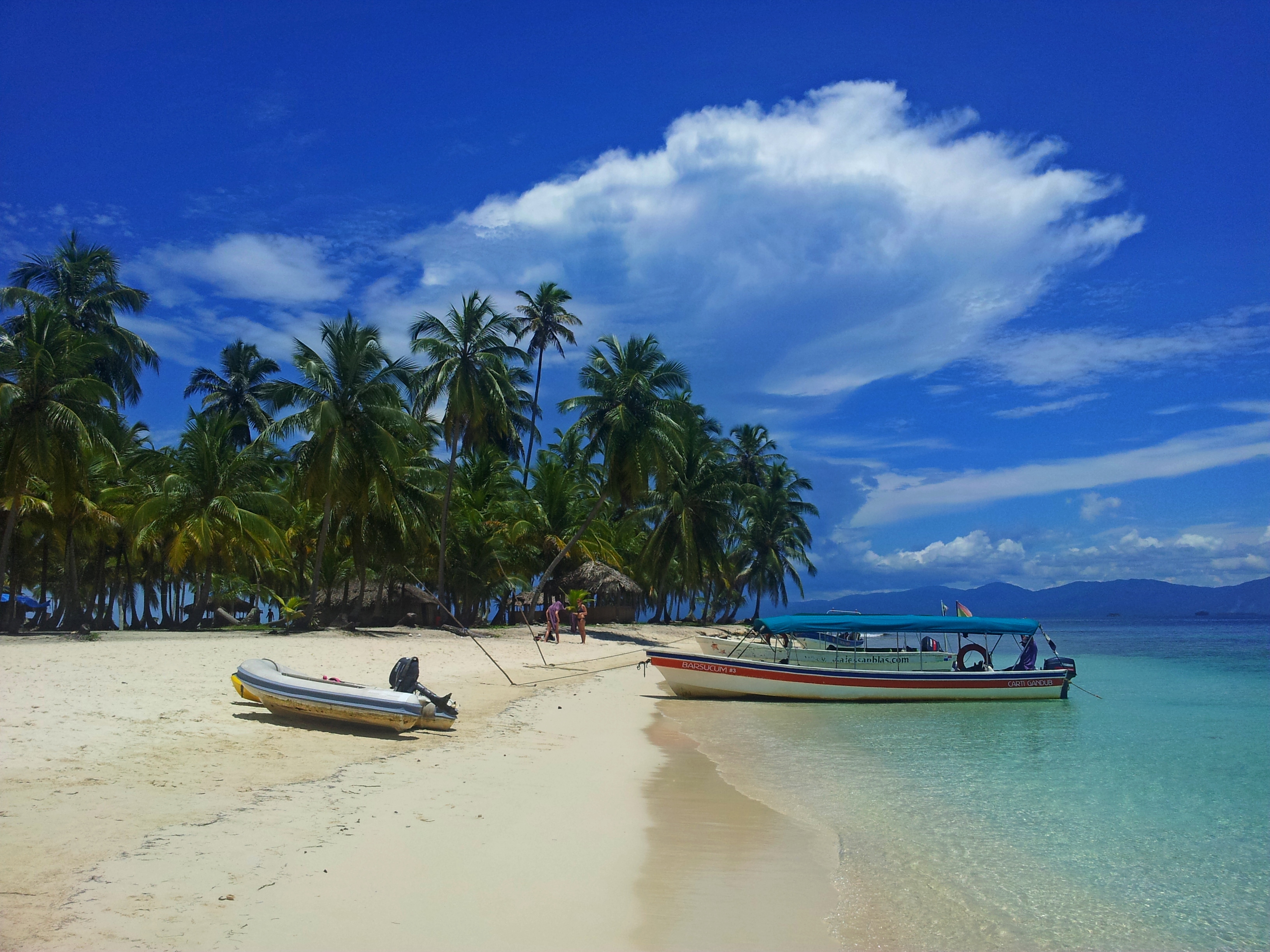
- San Blas Islands (Guna Yala): This archipelago of over 300 islands is governed by the indigenous Guna people. It is the definition of "unplugged" paradise—no Wi-Fi, no massive resorts, just white sand, turquoise water, and traditional thatched-roof huts. It is one of the few places where you can experience a truly preserved indigenous way of life.
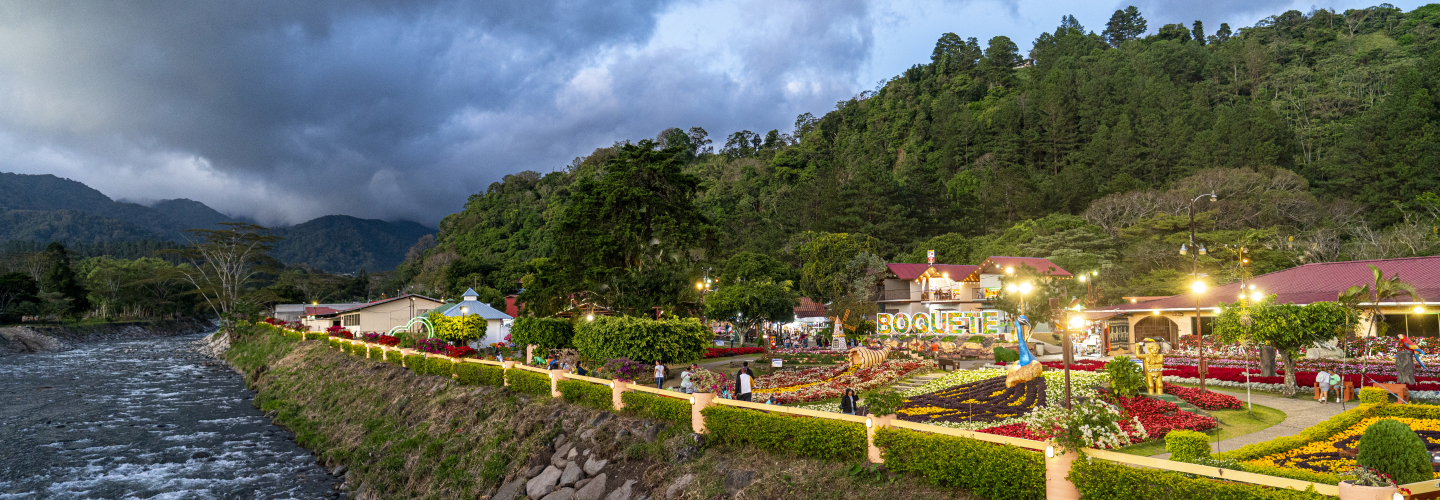
- Boquete: For a change of pace, head to the western highlands. Tucked into a verdant valley, Boquete is famous for its cool climate, cascading waterfalls, and Geisha Coffee—one of the most expensive and sought-after coffees in the world. Hikers can tackle the Volcán Barú, the highest point in Panama, where on a perfectly clear day you can see both the Atlantic and Pacific oceans at once.
- Source- Visit Panamá
4. A Taste of Panama
Panamanian cuisine is a flavorful fusion of Afro-Caribbean, Spanish, and indigenous influences. It relies heavily on fresh tropical fruits, root vegetables, and the incredible bounty of the sea.
- Sancocho: The national comfort food. It is a hearty chicken stew seasoned with culantro (a stronger relative of cilantro), yuca, and corn. It’s traditionally served with a side of white rice.
- Patacones: These are double-fried green plantains, served hot and salted. They are the quintessential Panamanian side dish and go perfectly with everything from eggs to fish.
- Ceviche: Panama City’s Mercado de Mariscos (Seafood Market) is a must-visit. You can try fresh sea bass, shrimp, or octopus marinated in lime juice, onions, and cilantro. It is incredibly fresh, light, and delicious.
- Halal Options: For travelers seeking Halal-certified meals, Panama City has a vibrant international food scene. You will find excellent Mediterranean, Lebanese, and Indian restaurants in the Bella Vista and Paitilla neighborhoods that offer delicious Halal-friendly grilled meats and vegetarian platters.
5. Practical Logistics and Safety
- Currency: Panama uses the US Dollar (USD) alongside the local Balboa (which is pegged 1:1 and exists only as coins). This makes it incredibly easy for travelers to manage their budgets.
- Safety: Exercise a high degree of caution in crowded areas and stick to reputable transport. Avoid the Darien Gap region entirely, as it remains a high-risk area for travel.
- Weather: The "dry season" (Summer) runs from January to April, making it the ideal time for beach hopping and hiking.
Why Go Now?
Panama is a country that offers a rare balance. You can enjoy the comforts of a cosmopolitan metropolis and, within a two-hour drive, find yourself in a primary rainforest or on a secluded Caribbean island. By securing your digital connection with an eSIM and bringing a spirit of curiosity, you are ready to witness the spectacular bridge of the world.